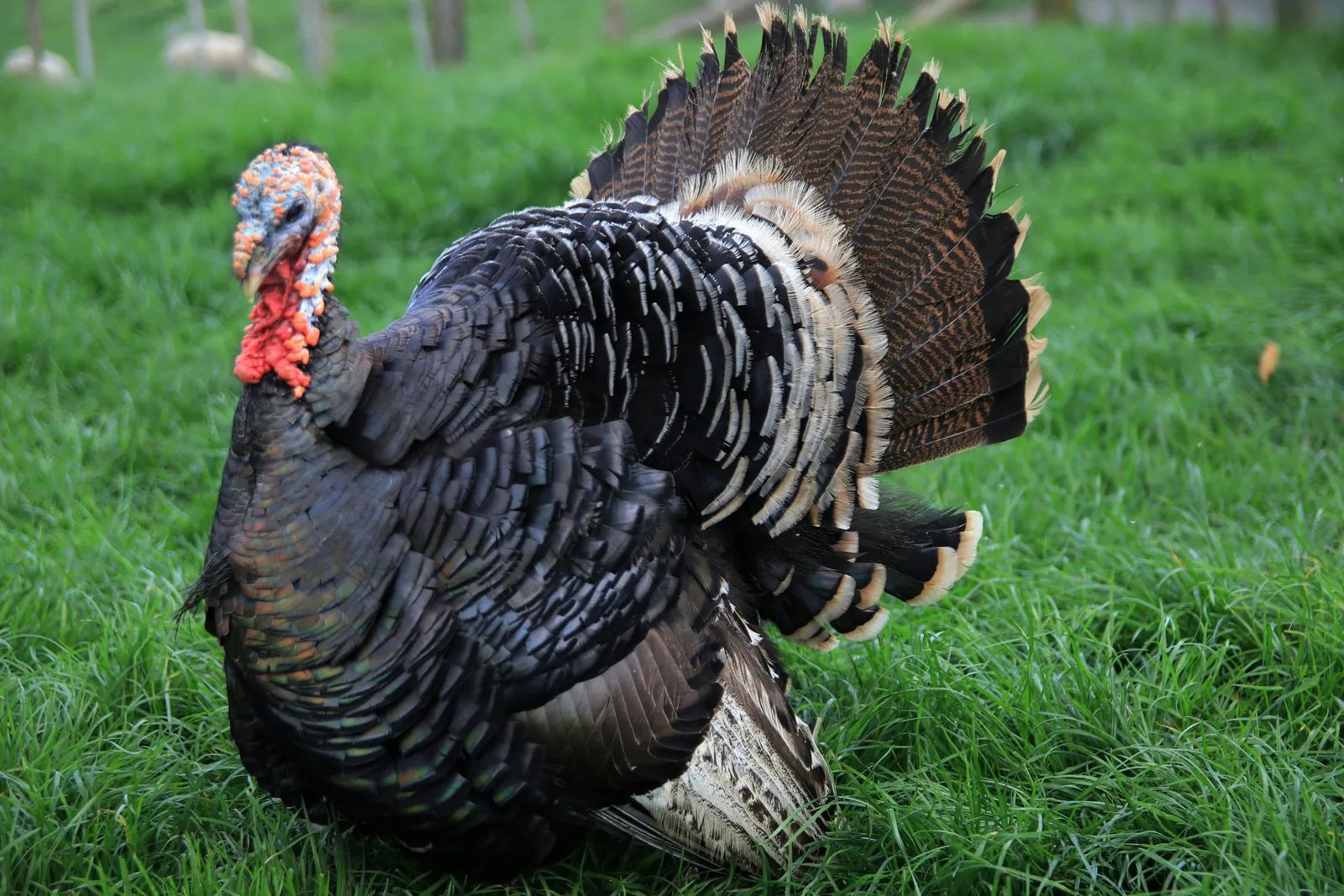
Thanksgiving falls on November 26 this year, and many households already have a frozen bird thawing in the refrigerator. A guest list shrinks, a schedule shifts or the turkey thaws faster than expected, and the question becomes whether it can go back into the freezer. According to USDA guidance, the answer depends mainly on how the bird thawed ([1]).
The refrigerator is the one route back to the freezer
USDA says food thawed in the refrigerator can be refrozen without cooking, though some quality may be lost in the process. The condition is that the refrigerator stays at 40°F or below. Moisture escapes during thawing, which helps explain why a refrozen turkey may turn out drier than one that never left the freezer.
Timing is the other constraint. USDA says a thawed turkey can remain in the refrigerator for one or two days before it is cooked. Penn State Extension, which covers meat and poultry in general rather than turkey specifically, advises returning refrigerator-thawed meat or poultry to the freezer within that same one to two day span. The USDA pages reviewed for this story do not set a separate refreezing deadline, so that short window is the figure to plan around.
Thawing time itself can eat into that window. USDA lists one to three days for a turkey of 4 to 12 pounds, and five to six days for a bird of 20 to 24 pounds. A large turkey may spend most of a week thawing before the one or two day clock even begins.
Cold water and microwave thawing lead to cooking
A turkey thawed in cold water or in the microwave follows a different path. USDA says a cold-water thawed turkey should be cooked immediately after it thaws, and a microwave-thawed turkey must be cooked right away. The USDA handbook adds that food thawed either way should be fully cooked before it is refrozen.
Cooking the bird opens the freezer door again. USDA’s roasting guidance gives 165°F as the safe minimum internal temperature for a whole turkey, measured in the thickest part of the thigh, the wing and the breast. Once the meat is cooked, USDA says it can be refrozen, and frozen leftovers are best used within two to six months.
What matters now
Refrigerator thawing at 40°F or below allows refreezing without cooking, with possible quality loss.
Cold-water or microwave thawing means cooking first, then freezing the cooked meat if needed.
A turkey left on the counter for more than two hours should be discarded, not refrozen.
Time on the counter ends the discussion
Leaving a turkey out is where the guidance becomes firm. USDA says not to refreeze foods left outside the refrigerator longer than two hours, or one hour when the temperature is above 90°F. Its guidance also places the kitchen counter, garage, basement, car and porch among the spots where food should not be thawed.
Power outages raise a similar question, and the answer again turns on temperature. FoodSafety.gov says food that still holds ice crystals, or sits at 40°F or below, may be refrozen, although quality may suffer. Meat and poultry that has been at 40°F or above for more than two hours should be discarded. An appliance thermometer in the freezer can help answer that question, since a reading of 40°F or below is the threshold USDA uses in an emergency.
Related Stories From Travelbinger


Quality is a separate question from safety
USDA treats a drop in quality as a different matter from a safety problem. Freezer burn, for example, makes food dry in spots but does not make it unsafe, and USDA recommends cutting away affected portions before or after cooking. Refrozen turkey may also lose some texture or moisture, a point that matters more to a holiday cook than to food safety officials.
Taste is not a reliable test. USDA says people should not taste food to decide whether it is safe, and a turkey that looks acceptable may still have been handled incorrectly. The sensible approach is to track how the bird thawed and for how long, rather than relying on appearance.
For most households, the practical plan is straightforward. A turkey thawed in a properly chilled refrigerator can go back into the freezer without cooking if the plans change, and the sooner that happens, the better. If the bird thawed in water, in the microwave or on the counter, cooking decisions take priority over freezing ones. Checking the refrigerator thermometer and the calendar before Thanksgiving can settle most questions before they become emergencies.