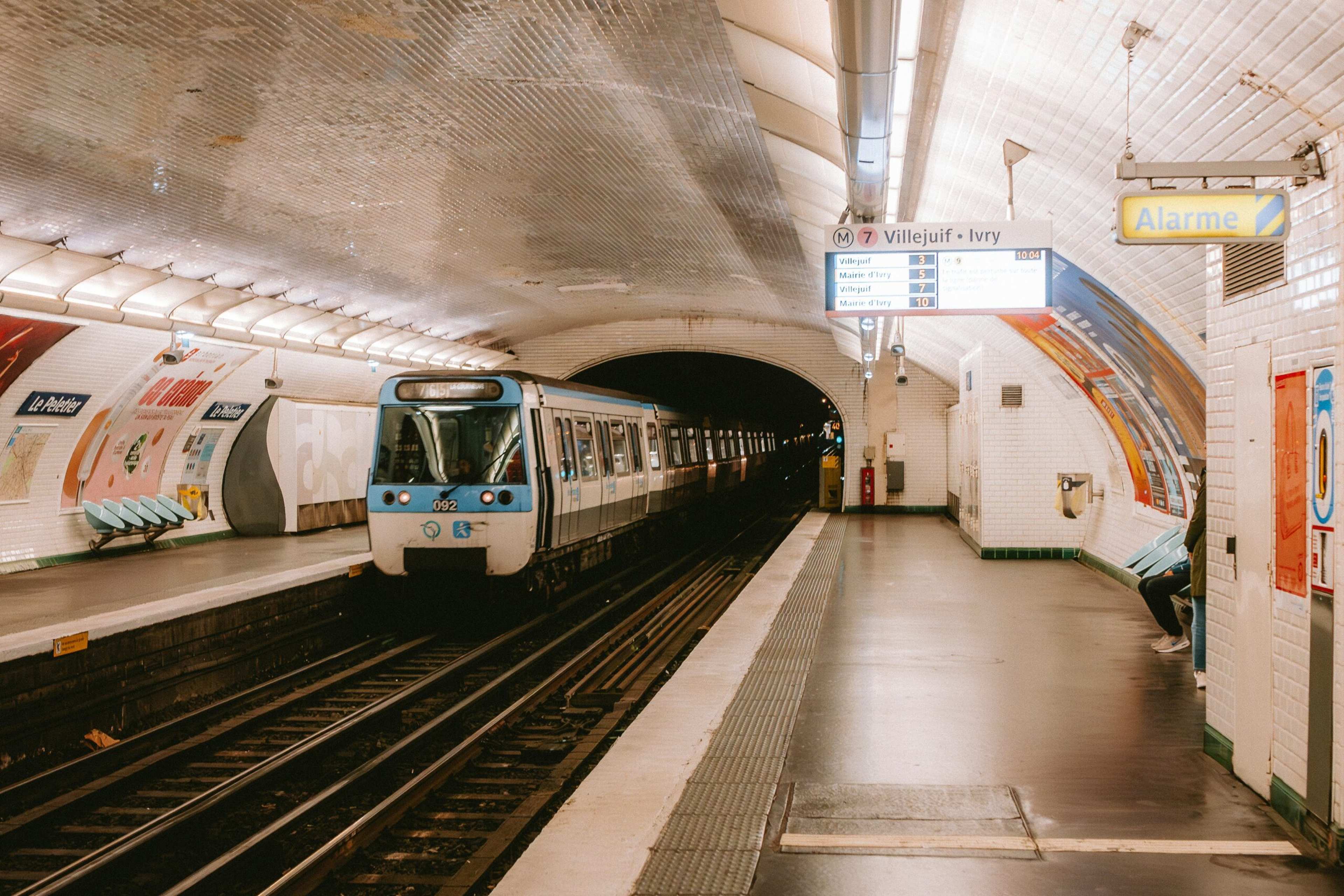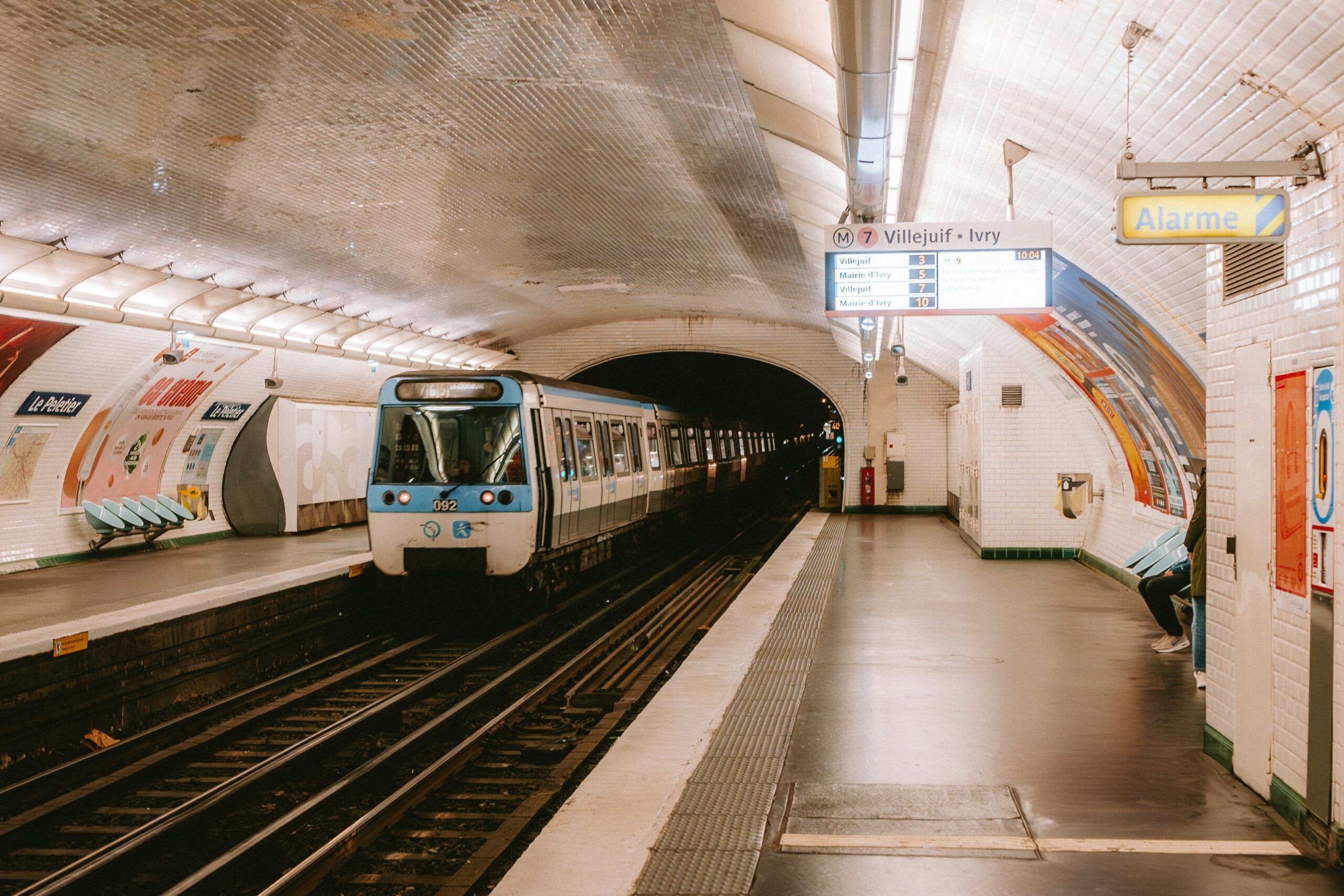
The Paris Metro has changed a lot in the past couple of years. Paper tickets have faded out, prices have crept up, and a new line now reaches one of the city’s airports. A guidebook from even a few seasons ago can steer you wrong at the turnstile.
Most of the errors first-time riders make are small, but a few can cost real money. Here are eight worth knowing about before you go underground.
Hunting for a Paper Ticket
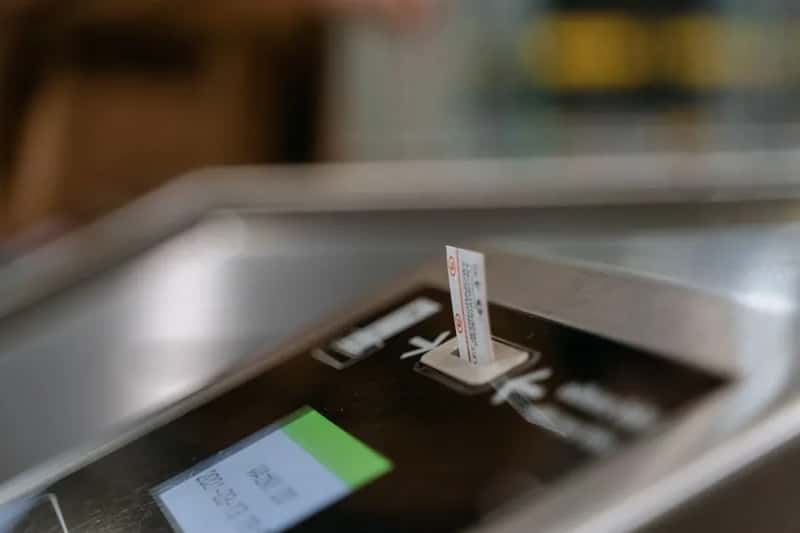
Many visitors expect to buy the little paper ticket they’ve seen in movies. That ticket is gone. Paper ticket sales ended on November 5, 2025, though existing tickets stayed valid through June 2026.[1] From May 2026 they stopped working on buses, and by June 2026 they became invalid across the metro, RER and train network.[1]
The replacement is the Navigo Easy card, a reusable contactless card sold for €2 at ticket machines and counters.[1] You can also load tickets onto your phone instead. If you find an old paper ticket in a drawer at home, treat it as a souvenir and nothing more.
Assuming You Can Tap a Bank Card at the Gate
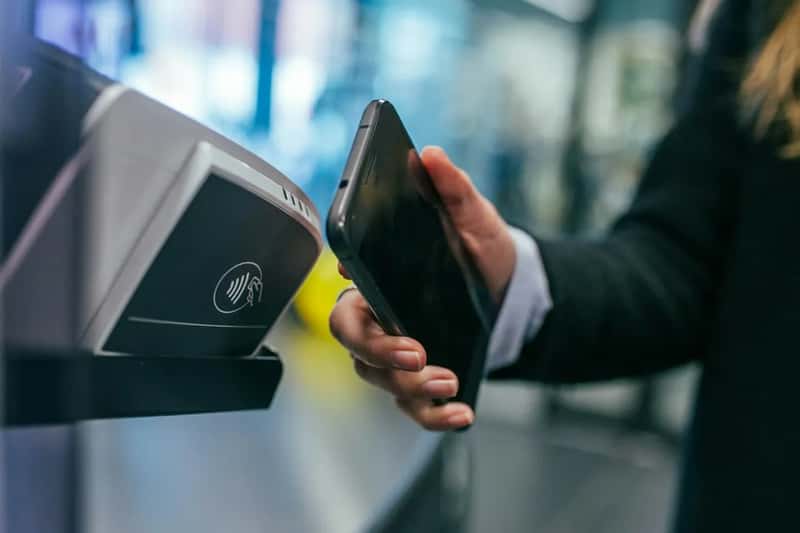
In plenty of cities you just tap your credit card and go. Paris isn’t quite there yet for the metro. As of February 2026, you couldn’t tap a bank card directly at metro turnstiles, and you needed a Navigo Easy card or the smartphone app.[2]
Contactless bank card payment is arriving, but on buses first. It’s being gradually rolled out on Paris buses throughout 2026.[2] Since rules like this keep moving, check the official Île-de-France Mobilités site shortly before your trip.
Using a Regular Ticket to Reach the Airport
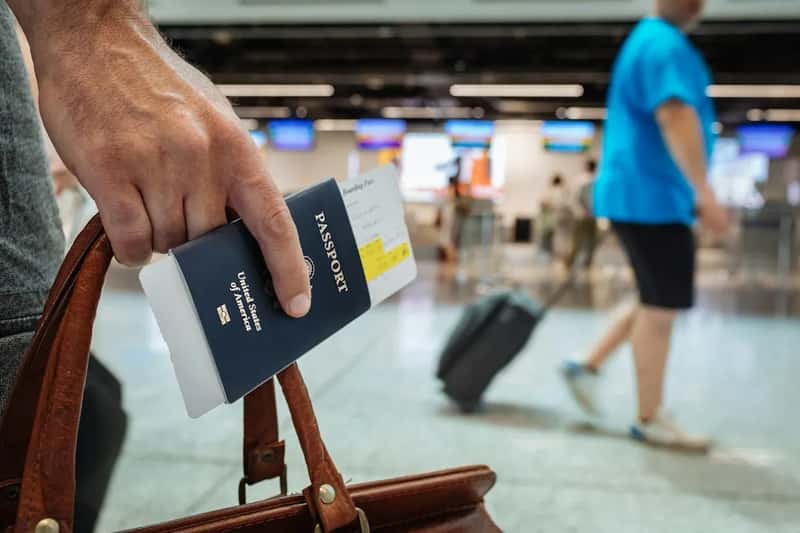
This is the mistake that stings the most. A standard metro ticket costs €2.55 since the January 2026 increase, and it feels like it should cover everything in the region. It isn’t valid to or from the airports, and using one can get you fined.[3]
For Charles de Gaulle or Orly you need the dedicated ticket. The Paris Region Airports Ticket costs €14 per trip, at rates applicable from January 1, 2026.[4] If you already hold a Navigo pass that includes zone 5, that ticket’s journey is already covered.[5]
Taking the Slow Route to Orly

Older advice often sends travelers to Orly by bus or by a shuttle and a train change. The picture is simpler now. Since June 24, 2024, automated Metro Line 14 has linked Orly Airport to central Paris stops like Gare de Lyon and Châtelet in about 20 minutes.[6] Other sources quote around 25 minutes to Châtelet, so allow a little slack.
Orlyval, the shuttle to Antony station on the RER B, still exists. It mostly makes sense if your destination sits on that line. The old Orlybus was withdrawn in 2025[3], so don’t plan around it. For Charles de Gaulle, the RER B reaches the airport in about 40 minutes from Châtelet.[5]
Throwing Away Your Ticket Too Soon
Habits die hard. Plenty of travelers toss a ticket after passing the gate, only to meet an inspection team in a corridor. You’re expected to keep your ticket until you exit the station, and if you can’t show proof of payment you can be fined even if you did pay.[7]
Fines have also risen. RATP announced a move to €70 if paid immediately and €120 if paid later.[8] Other travel sites quote different figures, so treat any exact amount with care. With a Navigo Easy card or phone, the habit is simpler: keep it on you and don’t hand it to anyone.
Sharing One Card Between Several People
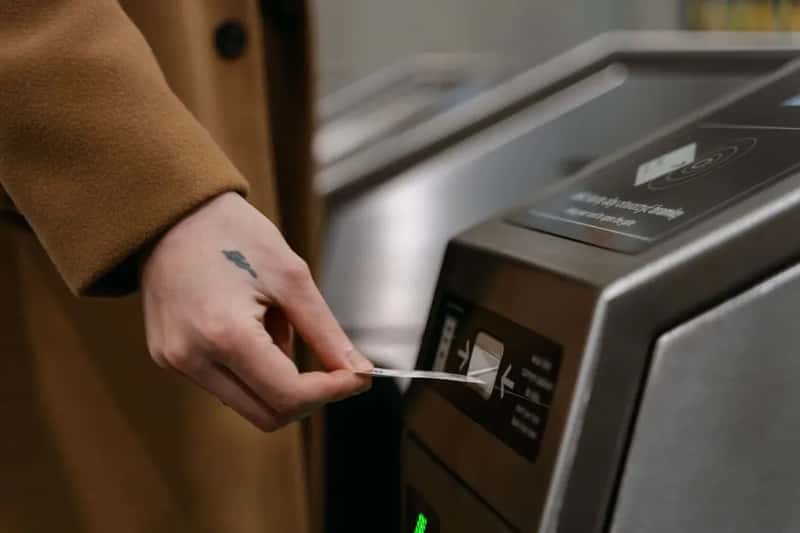
It seems efficient to load a few tickets onto one card and pass it around the group. That doesn’t work anymore. One card is needed per person, and cards can’t be shared between passengers.[1]
Families should also know about child pricing. Children under 4 travel free, and children from 4 to 9 pay a reduced rate of half the fare.[9] Each traveler, even a discounted one, still needs their own card or phone to get through the gate.
Buying a Tourist Pass Without Doing the Math
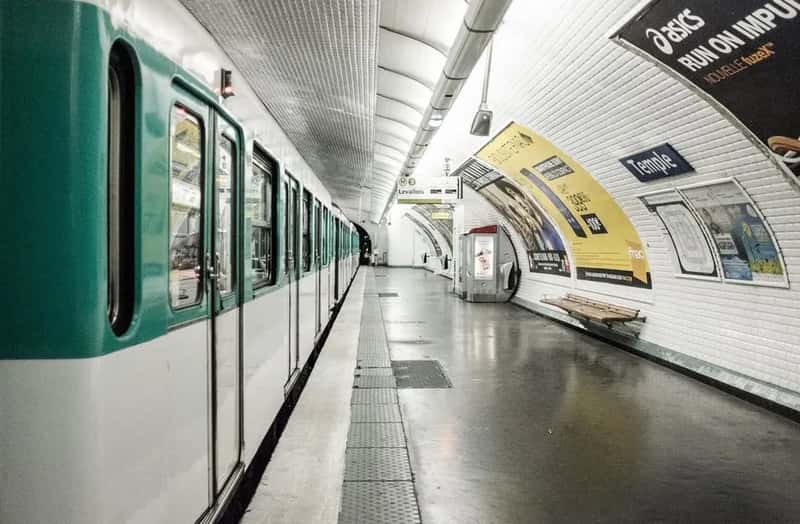
A Paris Visite pass looks convenient, especially for a short stay. It costs €30.60 for one day, €45.40 for two days, €63.80 for three days and €78 for five.[10] At €2.55 a ride, a one day pass only pays off after twelve single journeys.
Central Paris is compact for this purpose. Major sights like the Eiffel Tower and the Louvre sit in zones 1 or 2, and one €2.55 ticket covers all rides within them.[2] A pass can still make sense if you’re heading out to Versailles or Disneyland Paris and riding a lot. Count your likely trips first, then decide.
Forgetting the Ticket Has a Time Limit and Leaving the System
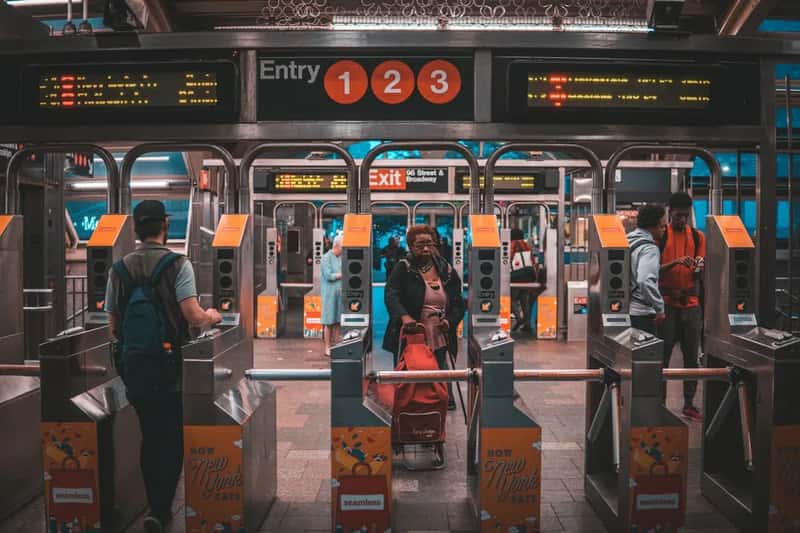
A metro ticket isn’t a day pass, and it’s easy to forget that. The Metro, Train, RER ticket is valid for two hours, with no exit and re-entry.[2] Within that window you can change lines freely, including from metro to RER.
Buses and trams work differently. The Bus-Tram ticket costs €2.05 and is valid for 90 minutes with transfers between buses and trams.[2] If you pop out of a station for a coffee and walk back in, expect to pay for a new ride.