Every generation travels a little differently, and every generation thinks the one before it did something baffling. Ask a twenty-something backpacker about the travel habits their parents swore by, and you will likely get a confused laugh followed by a list of rules that sound more like superstition than strategy.
Some of these old-school habits made sense decades ago, when phones were tethered to walls and airports ran on paper. Others were always a little excessive. Either way, a lot of them are quietly falling out of favor as younger travelers lean on apps, data, and a general willingness to wing it.
1. Arriving at the airport three hours early no matter what
For decades, the standard advice was simple: get to the airport early and pad your schedule with extra hours, just in case. Official guidance still generally supports this, since the TSA recommends that travelers arrive at least two hours before scheduled domestic flights and three hours before international departures.[1] That guidance exists for a reason, especially during holidays or at busy hub airports.
Younger travelers, though, have started treating that window as a ceiling rather than a floor. Frequent flyers have noted that experienced travelers often find they can move through the airport more quickly and don’t need the recommended two to three hours, especially when departing from a familiar home airport.[1] With mobile check-in, TSA PreCheck, and real-time security wait times available on apps, many younger flyers calculate their arrival down to the minute instead of showing up with hours to spare.
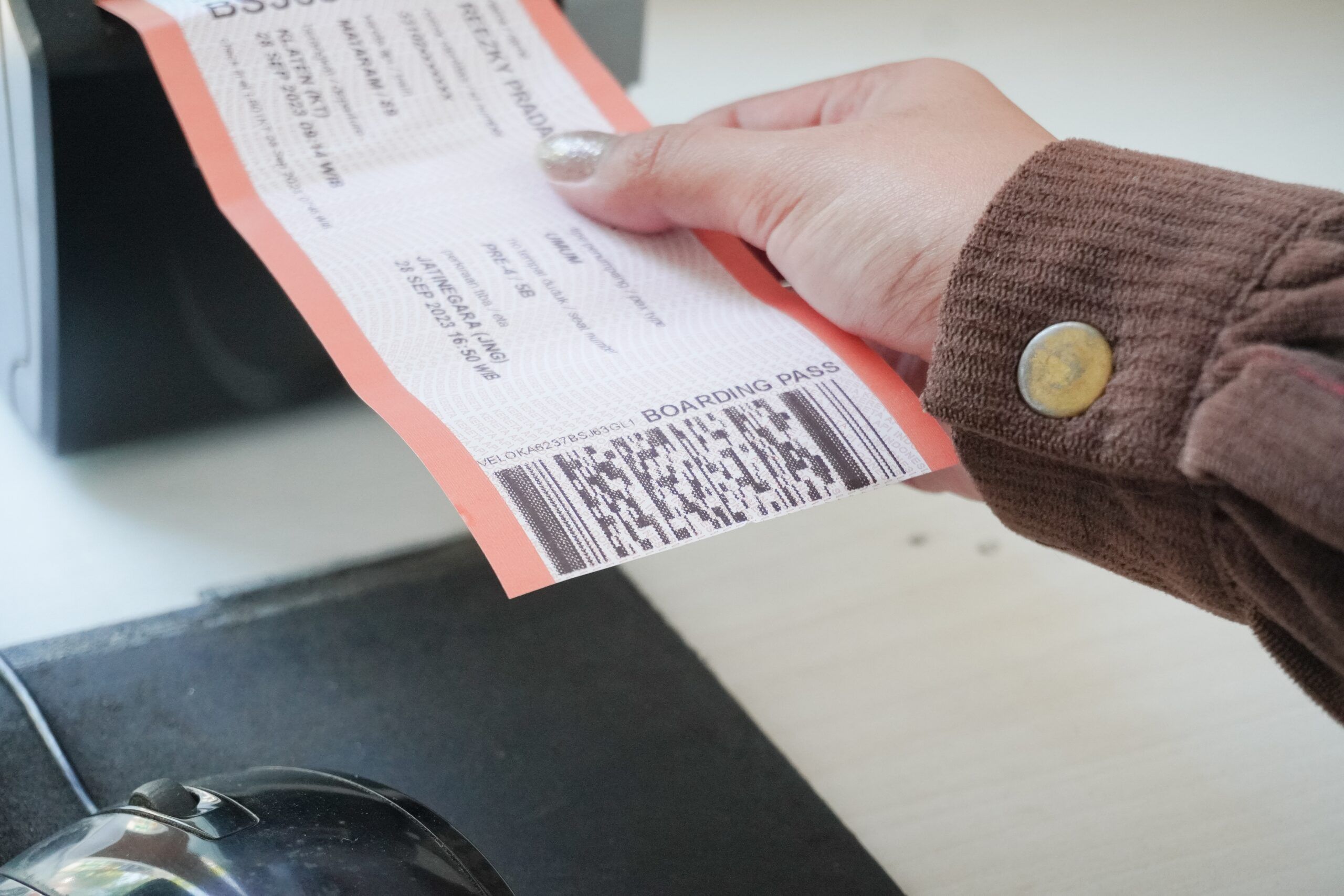
2. Printing every boarding pass, itinerary, and hotel voucher

There was a time when a responsible traveler carried a folder stuffed with printed confirmations for every leg of a trip. That habit is fading fast, and airlines are actively pushing it out the door. Ryanair passengers already use digital boarding passes via the airline’s “myRyanair” app.
The shift is not limited to one airline. Over 75% of travelers now use mobile boarding passes, and airports worldwide are pushing toward fully paperless check-ins.[3] Younger travelers see printed paperwork as clutter rather than security, trusting their phone to hold boarding passes, hotel confirmations, and rental car bookings all in one place.
3. Carrying traveler’s checks or stacks of cash “just in case”
Traveler’s checks used to be the gold standard for staying safe abroad, a way to protect your money if it was lost or stolen. That reputation has not aged well. Traveler’s checks are rarely used today, and American Express, the last major issuer, no longer sells new ones.[4]
The decline has been dramatic and long running. A 2021 survey by the American Bankers Association revealed that only 5% of travelers still rely on them, a stark contrast to the 80% reported in the 1990s.[5] Younger travelers tend to rely on debit cards, digital wallets, and ATMs instead, treating the idea of carrying paper checks abroad as something closer to a museum exhibit than practical advice.
4. Dressing up to fly, every single time
Older travel etiquette often insisted that flying was a formal occasion, something that called for slacks, blazers, or at minimum a “presentable” outfit rather than whatever felt comfortable. The idea was partly about respect for the experience and partly about the assumption that dressing well might earn better treatment from airline staff. That mindset has largely dissolved among younger flyers, who prioritize comfort on long layovers and cramped economy seats over looking polished.
Athletic wear, leggings, and sneakers have become the default uniform for a generation that spends flights working, sleeping, or scrolling rather than socializing in an airport lounge. The shift reflects a broader cultural change too, since flying commercial no longer carries the novelty or status it did in the mid twentieth century. Comfort has simply won out over ceremony.
5. Booking every trip exclusively through a travel agent

For much of the twentieth century, a trip abroad without a travel agent was almost unthinkable. Agents held the flight schedules, the hotel contacts, and the specialized knowledge that ordinary travelers simply could not access on their own. That gatekeeping role has largely disappeared for most types of trips.
Younger travelers now default to comparison sites, airline apps, and social media recommendations, reserving agents mostly for complex itineraries or luxury trips where expertise still adds clear value. It is not that travel agents have vanished, since specialized ones still thrive for cruises, safaris, and multi-country tours. It is that using one for a simple weekend flight now feels like an unnecessary extra step rather than a default habit.
6. Packing a “nice outfit” for every possible scenario

A common piece of inherited packing wisdom says to bring one dressy outfit for every trip, regardless of the itinerary, because you never know when you might need it for a nice dinner or an unexpected invitation. This habit often ballooned into overpacking, with travelers hauling extra shoes, blazers, or dresses that spent the entire trip folded at the bottom of a suitcase. Younger travelers, especially those committed to carry-on-only travel, tend to see this as dead weight rather than preparation.
The rise of budget airlines with strict baggage limits has reinforced this shift, since paying extra baggage fees for an outfit worn once feels like poor math. Many younger travelers instead pack a smaller number of versatile pieces that can be dressed up or down as needed. The “just in case” outfit has quietly become one of the more mocked pieces of legacy packing advice.
7. Sticking rigidly to guided tour groups and never talking to strangers

Older travel norms often emphasized caution above almost everything else, encouraging travelers to stay close to their group, avoid conversations with locals, and treat solo wandering as inherently risky. That instinct came from a genuine place, since information about unfamiliar destinations was harder to verify before the internet made real-time reviews and local insight so accessible. Younger travelers, armed with translation apps and instant access to reviews, tend to treat that level of caution as overly restrictive.
Solo travel and loosely structured group trips have grown considerably in popularity among younger demographics, partly because social platforms have normalized the idea of striking up conversations with locals or fellow travelers. The appeal of a fully scripted, stay-with-the-group tour has not disappeared, but it now competes with a strong preference for spontaneity and independence. Many younger travelers see rigid group rules as something that limits the experience rather than protects it.
8. Avoiding street food and sticking only to hotel restaurants

A long-standing piece of travel caution warned against eating from street vendors or small local restaurants, favoring the perceived safety of hotel dining instead. This advice was rooted in real concerns about food safety standards varying widely between countries, and in some regions that concern remains valid. Still, younger travelers increasingly treat street food as one of the highlights of a trip rather than a risk to be avoided.
Food-focused travel content across social media has turned night markets and street stalls into destinations in their own right, often with more enthusiasm than five-star hotel buffets receive. Many younger travelers research specific vendors in advance through reviews, rather than avoiding the category altogether. The blanket rule of “only eat where it feels safe and familiar” has given way to a more selective, curiosity-driven approach to eating abroad.