Most dogs are happy to spread their affection around the household, greeting everyone at the door with the same wagging enthusiasm. A handful of breeds work differently. They pick a person, sometimes within the first few months of puppyhood, and everyone else in the house becomes a pleasant but secondary presence.
This pattern shows up more often in breeds that trace their roots to guarding, hunting, or herding work far from American shores, where a dog’s survival once depended on trusting exactly one handler. Below are eight breeds from Asia, Africa, Europe, and Oceania known for this kind of single-minded devotion.
1. Akita
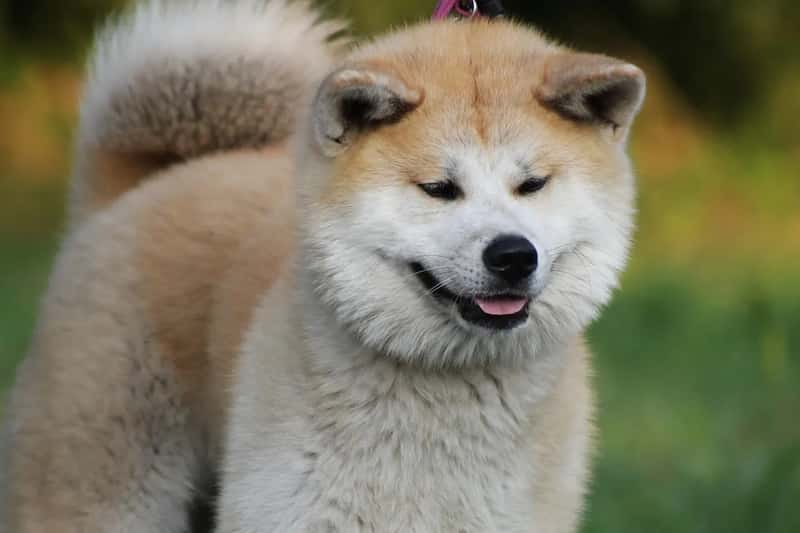
The Akita comes from the mountainous northern regions of Japan, where it was originally used to hunt large game and guard property. Lancaster Puppies notes that the breed forms its deepest bonds with one person and extends trustworthy but measured behavior toward the household. That selective loyalty is part of what made Hachiko, the Akita who waited at a Tokyo train station for nearly a decade, such an enduring symbol of the breed’s devotion.
Owners often describe the connection as almost exclusive. Dogster points out that Akitas can sometimes be a bit temperamental, and they often form a much stronger bond with just one person. That intensity is exactly why breed experts recommend introducing every household member to a puppy early, since an Akita’s favorite tends to be set for life.
2. Basenji
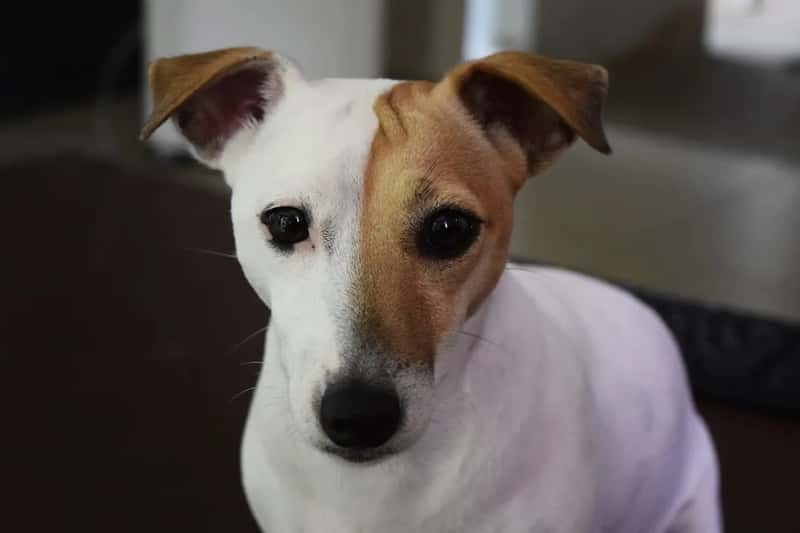
Bred as a hunting dog in Central Africa, the Basenji is famous for being nearly barkless, communicating instead through yodels and growls. According to BorrowMyDoggy, this is because of the strong bond that Basenjis tend to form with one person – you’ll have more success if you’re the ‘chosen one’ in your dog’s eyes. That single-person focus makes early, consistent training from one household member especially important.
Their independence has earned comparisons to cats, and for good reason. Modern Dog Magazine describes the breed’s approach to affection directly: the Basenji doesn’t just lavish affection on anyone. Much like a feline, he loves selectively, but gives his whole heart to his chosen few. Other sources back this up, noting that Basenjis often bond with just one or two family members while remaining polite but distant with everyone else.
3. Chow Chow
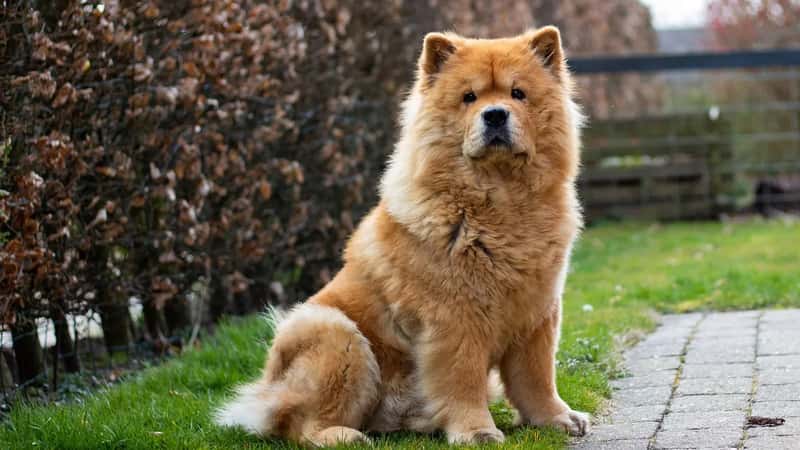
Originating in ancient China, where it served as a guard dog, hunter, and sled-puller, the Chow Chow carries a lion-like mane and a famously independent streak. PetMD notes that the independently minded Chow Chow is smart and loyal to their humans. When in a family unit, a Chow dog will typically have one person they are especially close with. That closeness rarely extends to a warm welcome for strangers.
Orvis sums up the breed’s reputation bluntly, noting Chow Chows are known to bond with one person above all others. They are not a cuddly breed by nature, and the affection they do show tends to be reserved almost entirely for their chosen human, with polite tolerance for the rest of the family.
4. Tibetan Mastiff
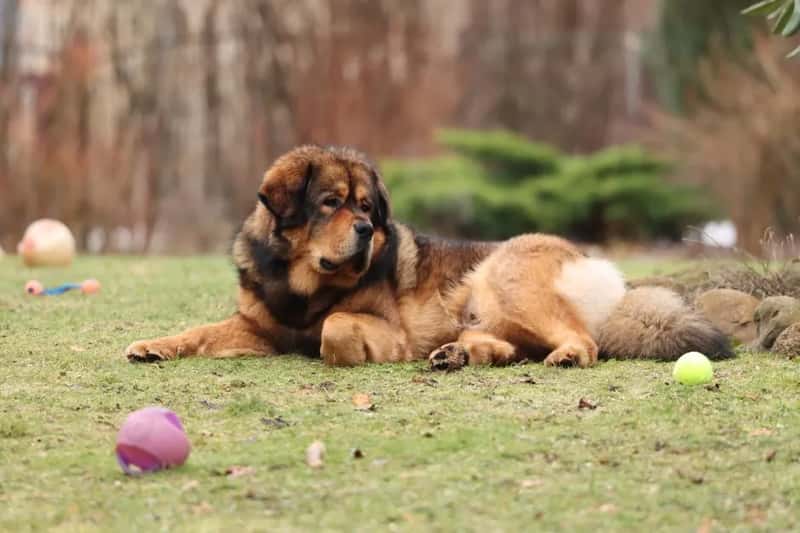
Bred for centuries to guard livestock and monasteries in the high altitudes of the Himalayas, the Tibetan Mastiff carries a guardian’s instinct that shapes how it attaches to people. One comparison guide describes the breed plainly, stating that Tibetan Mastiffs are fiercely loyal to one owner, highly territorial, and distrustful of strangers, making them challenging pets. That wariness toward outsiders is a direct extension of the job the breed was built to do.
PetMD’s breed profile echoes this reserved streak, noting that the Tibetan Mastiff displays an aloof, watchful, and alert temperament and can make a loyal family dog. Because they’re so loyal to their family, they can be reserved around strangers and introductions need to be made carefully. Owners who take on this breed usually find that one household member ends up as the dog’s clear favorite, even if the whole family shares the home.
5. Caucasian Shepherd
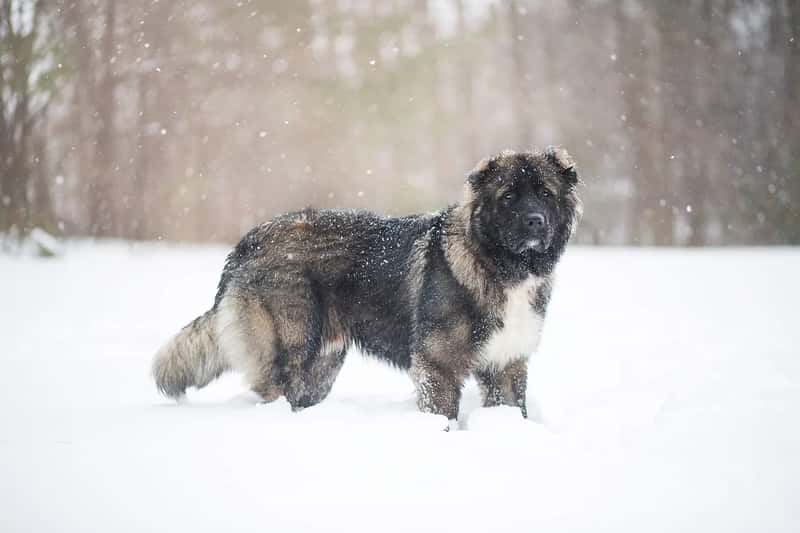
The Caucasian Shepherd developed in the rugged terrain of the Caucasus Mountains, where it worked alongside shepherds to defend flocks from wolves and other predators. A comparison from Titans Family, which has direct experience with both giant guardian breeds, notes that the Caucasian Shepherd is a dog that gets very attached to one owner and collaborates very well with that person. That single-handler focus made sense historically, since one shepherd typically managed the dog’s training and daily routine.
Compared to its cousin the Tibetan Mastiff, the Caucasian Shepherd tends to run even more territorial and vigilant. The same source observes that the Caucasian Shepherd has a stronger guarding instinct, it is constantly on the watch while on its property. That constant vigilance, paired with a strong attachment to one person, is why the breed is generally recommended only for experienced handlers.
6. Shiba Inu
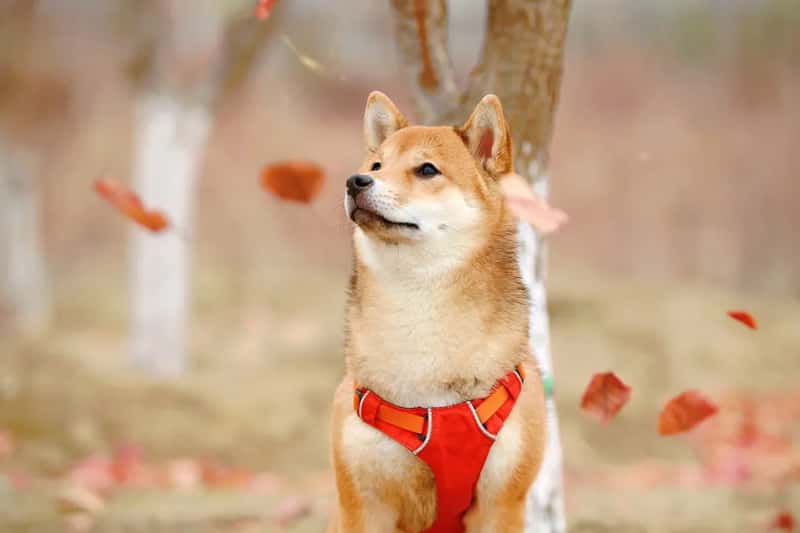
This small, fox-faced breed is one of Japan’s oldest native dogs, with a lineage tracing back thousands of years to hunting work in mountainous terrain. Animals Around The Globe describes the pattern clearly: these spirited, fox-like dogs are independent and intelligent but often choose a single human to trust and follow. Shibas can be reserved with strangers and even other family members, making them a classic example of a one-person dog breed. Once that bond forms, it tends to be exclusive and lasting.
The same source notes a telling detail about how selective this loyalty can be. It states that Shiba Inus have a reputation for being aloof. They rarely give their trust to more than one person. When they do bond, it’s deep and lasting. That selectiveness, paired with a cat-like independence, is part of why the breed has such a devoted following among owners who appreciate a dog with its own personality.
7. Shar-Pei
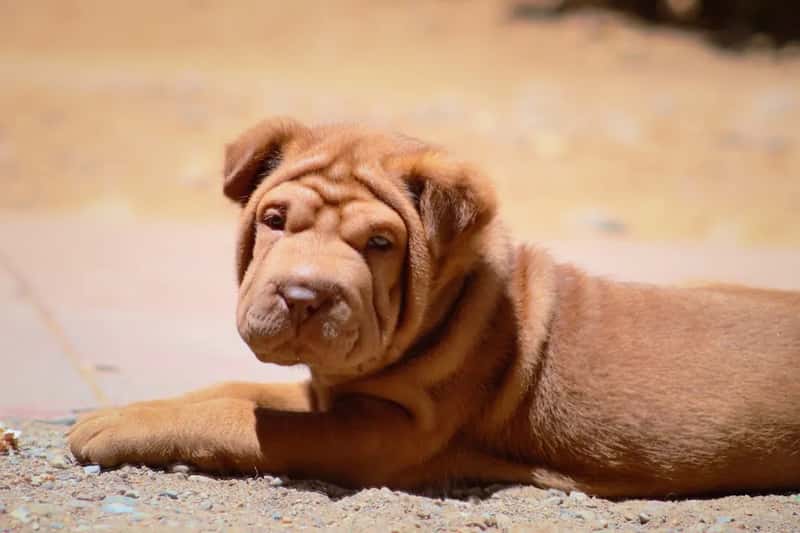
Recognizable by its deep wrinkles and blue-black tongue, the Shar-Pei is an ancient Chinese breed dating back roughly two thousand years. PetCareRx describes the breed as a fiercely loyal and independent dog for city or suburb dwellers – but this breed also requires careful training and early socialization. That combination of loyalty and independence tends to concentrate around whichever person handles most of the dog’s training and care.
A side-by-side breed comparison from GetAPet describes the Shar-Pei’s general disposition as calm, loyal and devoted to family, it is reserved with strangers, needs early socialisation, kind consistent training, moderate exercise and careful health management. In households with several people, Shar-Peis commonly settle into a pattern where one person becomes the clear anchor of trust, while everyone else is treated with polite reserve.
8. Australian Cattle Dog
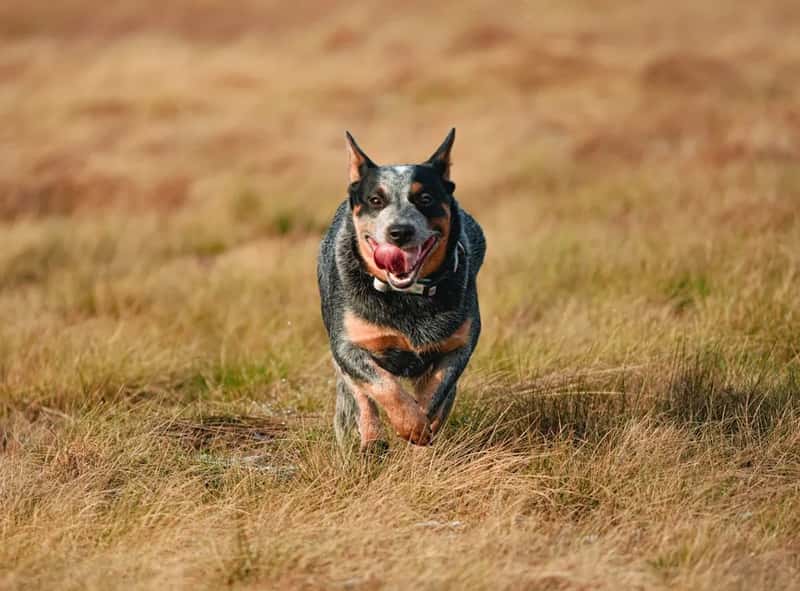
Developed in the outback to drive cattle across long distances in punishing heat, the Australian Cattle Dog, often called a Blue Heeler, is built for stamina, sharp thinking, and close teamwork with a single handler. A related crossbreed profile notes that dogs carrying this heritage often produce offspring that “often bonds more with one person but who will extend his protection and some affection to other family members,” a pattern widely reported among purebred Cattle Dogs as well. That single-handler focus made sense on working ranches, where one drover typically directed the dog through long days of herding.
The breed’s intelligence and drive mean it needs a job and a clear leader, and it tends to fixate on whoever fills that role most consistently. Ranch owners historically prized the breed’s blue-coated variety enough that the dogs became known simply as Blue Heelers, a nickname that stuck long after their working days shaped their instinct to follow one person above all others. Even in modern pet homes, Cattle Dogs frequently choose a favorite and stay glued to that person’s side, treating the rest of the family with friendly but noticeably cooler regard.
None of these eight breeds are unfriendly or difficult by design. They simply come from working backgrounds where trusting one handler mattered more than pleasing a crowd, and that instinct has stayed remarkably intact through generations of breeding. For the right owner, that kind of focused loyalty is exactly the draw, a bond that feels less like pet ownership and more like a genuine partnership.
Anyone considering one of these breeds should plan on being the primary trainer and caregiver from day one, since the attachment tends to form early and stay fixed. Families with multiple people hoping for a dog that loves everyone equally may find these breeds frustrating, but those looking for one deeply devoted companion will likely find it hard to look elsewhere.