There’s a strange kind of privilege that most people never think about until they’re standing in a long visa queue while someone next to them walks straight through. A passport is just a small booklet, yet it quietly decides how much of the planet is open to you and how much of it requires paperwork, appointments, and patience. Some countries have spent decades building the kind of diplomatic goodwill that turns their citizens’ documents into something close to a universal key.
The Henley Passport Index, now in its twentieth year and built on data from the International Air Transport Association, tracks exactly how many of the world’s 227 destinations each passport can enter without a visa arranged in advance. According to the most recent 2026 update, a handful of countries sit so far ahead of the pack that their citizens can travel to well over 180 destinations without ever visiting an embassy. Here are eight of them, along with what makes each one’s story a little different.
Singapore
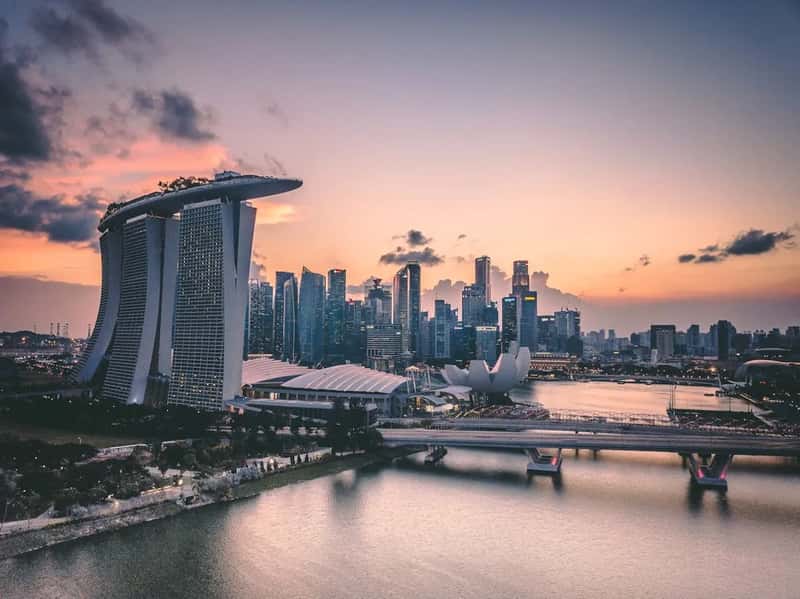
Singapore holds the top spot on the 2026 Henley Passport Index, and it isn’t particularly close. The world’s most powerful passport of July 2026 is Singapore’s, which lets its holders breeze visa-free into 192 destinations worldwide, 70 more than was possible in 2006. That kind of steady, decades-long climb rarely happens by accident.
It reflects years of careful trade diplomacy and reciprocal agreements that most travelers never see. Singapore clung onto the number one spot for the second year in a row despite growing competition from Asian neighbors and a cluster of European countries nipping at its heels. For a small city-state with limited natural resources, its passport has become one of its most valuable exports of soft power.
Japan
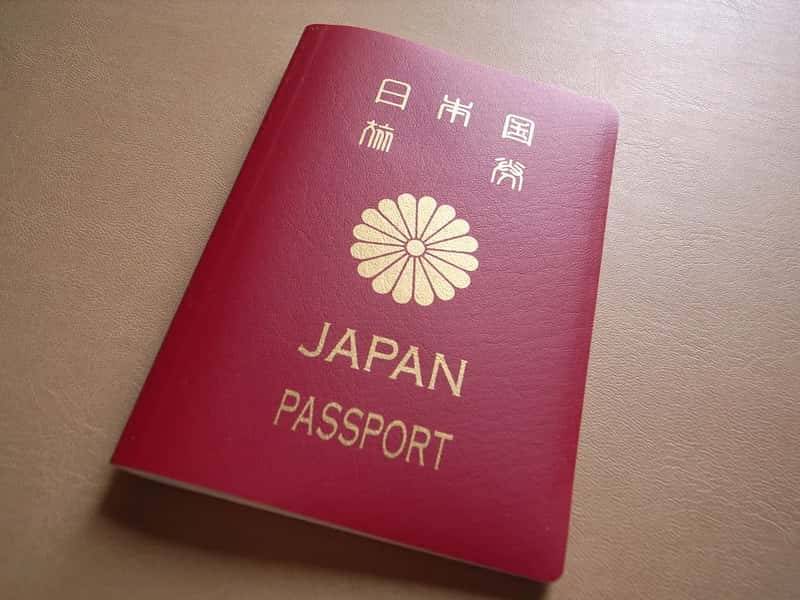
Japan sits in a three-way tie for second place, and its passport carries a particularly interesting recent win. Japan, South Korea and the United Arab Emirates tied for second place with visa-free access to 188 destinations, compared to Singapore’s 192. That single-digit gap from the top spot barely registers in day-to-day travel.
What’s more notable is a diplomatic reversal that had been years in the making. Japan notably regained visa-free access to China in 2025 for the first time since the pandemic, a significant diplomatic development. Combined with long-standing access across Europe, Latin America, and most of Asia, the passport remains one of the most frictionless travel documents on earth.
South Korea
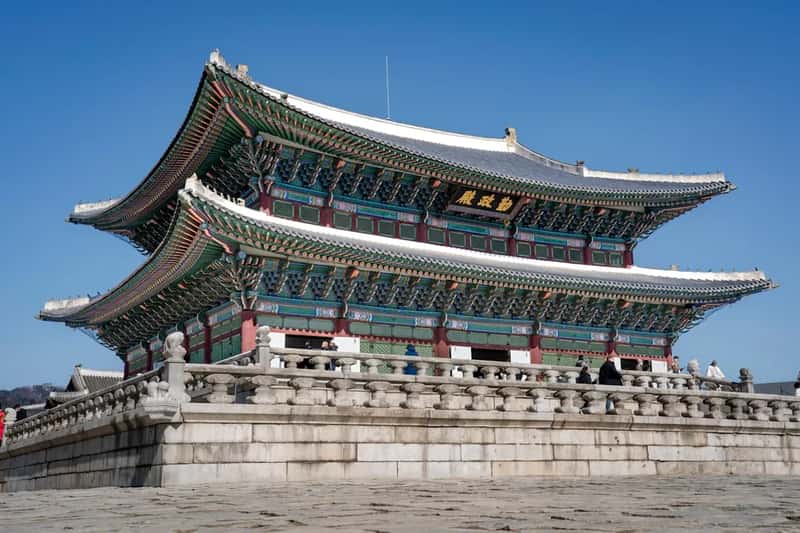
South Korea shares that same second-place tier with Japan and the UAE, holding steady at 188 visa-free destinations. What separates its story is the pace of change behind the number rather than the number itself. Twenty years ago South Korea sat well outside the top tier, and its climb has been gradual rather than sudden.
South Korea’s rise up the passport rankings reflects its expanding network of bilateral agreements, particularly with Latin American and African nations over the past decade. Few countries have been as consistent in quietly negotiating new access year after year. The result is a passport that now rivals some of Europe’s oldest diplomatic powerhouses.
United Arab Emirates

No passport in the history of the index has moved as dramatically as the UAE’s, and the July 2026 update only confirms the trend. The biggest climber of the past 20 years is the United Arab Emirates, which now ranks second, having climbed 60 places in that time and with access to 153 more destinations. Last year, the UAE was in 10th place, and the change means that the country has overtaken the UK, which is down in sixth. That’s an extraordinary shift for a country that was barely on the mobility map two decades ago.
The climb has been driven by consistent diplomatic outreach rather than a single breakthrough deal. Still, there’s a notable gap in the story. The UAE has the strongest passport outside of East or Southeast Asia, though with a notable caveat: Emiratis lack visa-free access to the United States, unlike their peers in Singapore, Japan, or South Korea. Even the fastest risers have a few doors still waiting to open.
Sweden

Sweden has quietly moved into its own tier this year, separating itself from the large European cluster just below. Sweden came in third place, with access to 187 countries. That single-country ranking is unusual in an index where European nations typically travel in packs of five, eight, or even eleven.
The move up reflects Sweden’s long-running membership in both the EU and Schengen area, paired with a steady record of bilateral visa waivers negotiated outside the bloc. It’s a modest one-country jump on paper, yet it says something about how tightly bunched the world’s strongest passports have become. A single visa agreement can now be enough to separate one nation from an entire group of peers.
Germany
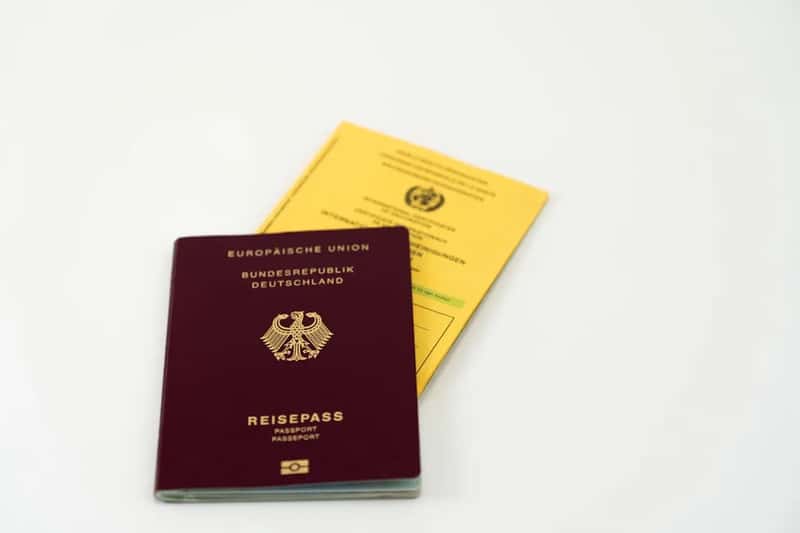
Germany represents one of the largest groupings in the entire index, and that’s precisely what makes its position interesting. The No. 4 spot for July 2026 is shared by Belgium, Denmark, Finland, France, Germany, Ireland, Italy, Luxembourg, Netherlands, Norway and Spain, all with a score of 186. Eleven countries sharing one rank is a reminder that passport power in Europe rarely belongs to a single nation.
Decades of coordinated EU foreign policy mean that when one member state secures visa-free access to a new destination, others in the bloc often follow within a year or two, keeping the whole group clustered near the top. Germany’s passport benefits directly from this collective momentum rather than any solo diplomatic push. For German travelers, the practical result is nearly identical to holding a Singaporean or Japanese passport, just with slightly fewer destinations on the list.
Switzerland
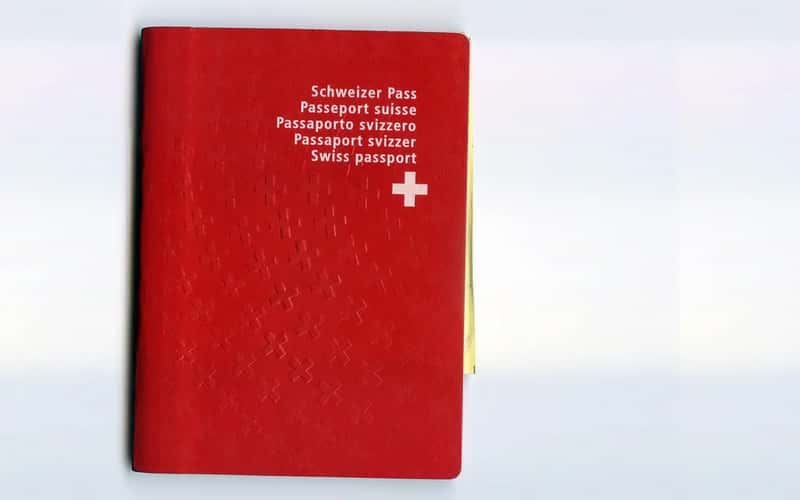
Switzerland’s ranking stands out for a reason that has nothing to do with the European Union. Switzerland’s position is worth noting precisely because it isn’t an EU member, yet it still ranks among the world’s strongest passports. Austria, Greece, Malta, Portugal, and Switzerland sit at fifth place, with 185 destinations.
That’s a meaningful achievement for a country that operates outside the bloc’s collective bargaining power. Switzerland has instead relied on its own network of bilateral treaties, built on a long tradition of neutrality and financial stability that other nations have consistently wanted to maintain good relations with. The passport is proof that EU membership helps, but it isn’t strictly required to sit near the top of global mobility.
United Kingdom
The UK’s story this year is less about a triumphant climb and more about a steady, well-documented slide. Hungary, Poland, United Kingdom: these countries have visa-free access to 184 destinations. That places Britain in sixth, a position that would have seemed unlikely twenty years ago when the passport sat near the very top of the index.
Part of what softens the fall for British travelers is a quieter arrangement most people forget about. The UK passport has Ireland CTA access, meaning free movement between the two nations regardless of where the rest of the ranking settles. Beyond that special case, though, the broader trend has been one of gradual decline relative to faster-moving Asian and Gulf passports rather than any single dramatic loss.
The eight passports above tell very different stories even though they end up in a similar place, near the very top of global travel freedom. Singapore built its lead through patient trade diplomacy. Japan and South Korea climbed steadily through decades of bilateral deals. The UAE proved that a passport’s standing can change faster than almost anyone expected twenty years ago. Sweden, Germany, and Switzerland show how European integration and independent treaty-making can both lead to the same result. The UK, meanwhile, is a reminder that even the strongest passports aren’t guaranteed to stay at the top forever.
What connects all eight is that none of this happened by chance. Every one of these rankings reflects years, sometimes decades, of trade relationships, security cooperation, and diplomatic trust built between governments long before any traveler shows up at an airport gate.