Scroll through any glossy resort listing and the pitch practically writes itself: turquoise water, private cabanas, a rental program that supposedly pays for itself. The reality often looks different once an international buyer starts asking questions about ownership, fees, and financing.
A recent industry survey found that 69% of realtors reported they had an international client who decided not to or was unable to purchase U.S. residential property, which is the highest share recorded. That single figure hints at how many resort deals unravel long before closing, and it’s usually not the view or the amenities that kill them. It’s a handful of structural, financial, and legal features that quietly push cautious buyers toward the exit.
1. Runaway HOA and maintenance fees

Nothing spooks a buyer faster than discovering that the monthly fee they budgeted for has doubled since the listing was drafted. Resort communities with pools, concierge staff, elevators, and beachfront grounds carry heavier upkeep costs than a standard condo, and those costs get passed straight to owners. Overseas buyers often compare fees to what they’d pay at home and walk away once they realize the math doesn’t hold up over a decade of ownership.
The problem has gotten worse in coastal markets where associations were underfunded for years and are now catching up all at once. Buyers who do their homework tend to ask for several years of association budgets before making an offer, and agents who can’t produce clean records often lose the client on the spot. A fee that looks modest on paper can become a serious liability once reserve contributions finally catch up with reality.
2. Rental restrictions that kill the income pitch

Many overseas buyers treat resort property as a hybrid asset: part vacation home, part rental investment. The moment they learn the unit can’t be listed on a short term platform, or that the association caps rentals to a handful of weeks a year, the investment case collapses. This has become a bigger issue in cities that have tightened Airbnb style rules for exactly the buildings resort investors gravitate toward.
In Vancouver, for instance, foreign owned investment condos generally cannot be rented on short term platforms at all, since foreigners can’t claim a Canadian property as their principal residence while living abroad, so a standard investment condo in either city cannot legally be rented on Airbnb or other similar platforms. Even where short term rentals are technically allowed, cities are layering on licensing rules, night caps, and municipal taxes that eat into projected returns. Buyers who were counting on rental income to offset the purchase often reconsider once they see the fine print.
3. Sudden special assessments tied to safety laws
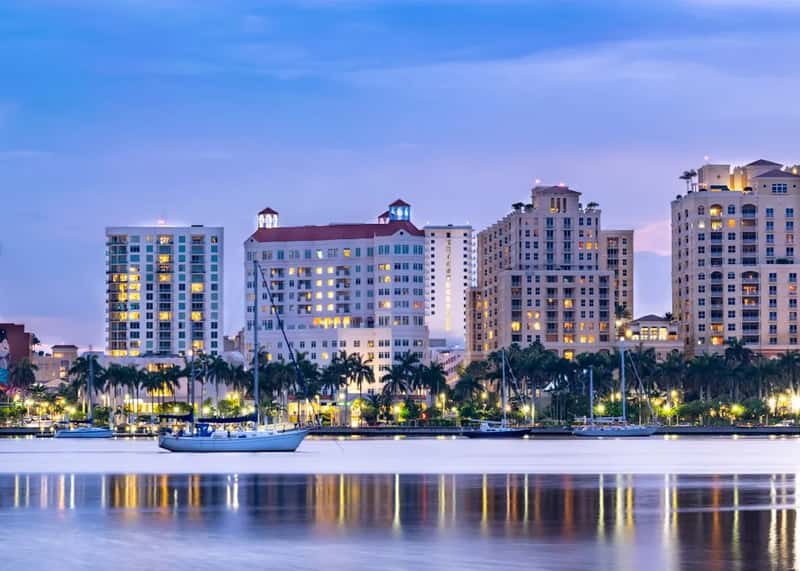
Florida’s post Surfside reforms have made structural safety a permanent line item for older resort buildings, and the bills can be staggering. Associations with three story or taller buildings now face mandatory milestone inspections and structural integrity reserve studies, and the SIRS must cover the roof, load-bearing structure, fireproofing and fire protection systems, plumbing, electrical systems, waterproofing and exterior painting, windows and exterior doors, and any other item over $25,000 whose failure would affect the listed items. Buildings that deferred maintenance for years are now scrambling to catch up before the compliance deadline.
The financial fallout has already hit some owners hard. At one North Miami building, residents faced special assessments as high as $134,000 per unit, while at another property in Aventura some owners assessed up to $400,000. Overseas buyers who hear those numbers, even secondhand, tend to run a wide berth around any older resort tower that hasn’t completed its inspections.
4. A financing process that demands all cash

Getting a mortgage as a non resident buyer on a resort property is difficult under the best of circumstances, and financing is frequently the single biggest reason deals fall apart. Industry data shows that the biggest contributor to buyers backing out is not being able to obtain financing, with 19% of international clients citing the inability to secure financing as the reason they didn’t move forward. Lenders view foreign national borrowers, non warrantable condos, and resort zoned units as layered risk, which narrows the pool of available loans even further.
As a result, a large share of overseas buyers simply pay cash, but not always by choice. Forty-seven percent of foreign buyers pay in all cash, not necessarily because they want to, but because they feel they have no other option. For buyers who don’t have that kind of liquidity sitting idle, a resort listing that requires cash at closing is effectively off the table before negotiations even start.
5. Unfamiliar ownership structures like trusts and leaseholds

Beachfront property in Mexico is a classic example of how ownership mechanics can rattle a buyer who expected a straightforward deed. Under Mexican law, Article 27 of the Mexican Constitution prohibits foreign nationals from directly acquiring real estate within 50 kilometers of the coastline or 100 kilometers of an international border. Buyers instead use a fideicomiso, a bank trust arrangement that establishes the trust with a Mexican bank acting as trustee, while the foreign buyer retains full beneficial use, including the right to occupy, rent, sell, or improve the property, while the bank holds the title.
The system works and has for decades, but plenty of first time overseas buyers hear the word trust and assume something is being hidden from them. Add renewal fees, trustee costs, and paperwork that reads nothing like a familiar title deed, and some buyers simply lose confidence and look elsewhere. Leasehold arrangements in parts of the Caribbean and Southeast Asia trigger the same hesitation, since a lease that expires in fifty or seventy years feels fundamentally different from outright ownership.
6. National bans, taxes, and residency hurdles

Government policy can shut a resort market to foreign buyers overnight, and several major destinations have done exactly that in recent years. Canada’s federal ban on residential purchases by non Canadians, first enacted in 2023, has been extended, since the Canadian government announced it will extend the prohibition on non-Canadians acquiring interests in residential real estate in major urban areas until January 1, 2027. Australia followed with its own restriction, as Australia enacted its own ban on April 1, 2025, restricting foreign purchases of established dwellings.
Even where outright bans don’t apply, added taxes and reporting requirements can dent the appeal of a purchase. Canada layers on federal withholding rules for non residents, since non-resident owners face 25% withholding on gross rental income, though filing a Section 216 return can reduce that amount. Buyers weighing a resort purchase in a country with these kinds of rules often just redirect their search to a market with fewer legal tripwires.
7. Insurance that keeps climbing or disappears entirely

Resort property sits, almost by definition, in places exposed to hurricanes, wildfires, or flooding, and insurers have taken notice. Coverage in hurricane belt states has become harder to secure and far more expensive, with some carriers pulling back from the highest risk coastal zones altogether rather than continuing to write new policies there. For an overseas buyer trying to budget a resort purchase from another currency and another regulatory system, an insurance bill that can double from one renewal to the next is a serious red flag.
The uncertainty compounds the fee and assessment issues covered earlier, since underinsured buildings often end up paying the difference through special levies when disaster strikes. Buyers who consult a local insurance broker before making an offer sometimes discover that a property simply cannot be insured on reasonable terms, which ends the conversation immediately. Even buyers who can absorb the cost tend to view rising premiums as a signal that the long term value of the property is less stable than the listing suggests.
8. An oversupplied market with weak resale demand

Some resort regions built faster than actual buyer demand could absorb, leaving rows of towers and villa communities competing for the same shrinking pool of purchasers. When a market has more resort inventory than genuine buyers, prices tend to stagnate or slide, and overseas buyers researching comparable sales figures notice the pattern quickly. A unit that looked like a smart investment two years ago can sit on the market for months once the surrounding development saturates local demand.
This dynamic matters most to buyers thinking about resale rather than lifestyle use, since a glut of similar units gives future buyers enormous leverage on price. Agents who can’t point to a healthy absorption rate or a track record of appreciation in a given resort corridor often struggle to keep international clients engaged. Once a buyer senses that supply has outpaced genuine interest, the conversation usually shifts from negotiating price to walking away entirely.
Taken together, these eight features explain why resort real estate marketed to international buyers requires a different kind of transparency than a typical domestic sale. Fees, assessments, insurance, financing, and ownership structure all need to be laid out clearly and early, because overseas buyers rarely get a second chance to trust a deal that felt murky the first time around. The destinations that keep attracting foreign capital tend to be the ones where sellers and agents treat these questions as part of the pitch rather than fine print to gloss over.