You just landed after the trip of a lifetime. Your suitcase is stuffed with beautiful things picked up from bustling markets, beachside stalls, and charming little shops you’d never find at home. You’re glowing. You’re happy. Then a customs officer walks over and asks you to open your bag.
What happens next could cost you more than the entire vacation. U.S. Customs and Border Protection is serious business, and thousands of travelers discover every single year that their most treasured souvenirs are actually illegal to bring home. Some face seizure. Others face fines that reach well into the five figures. The rules are stricter than most people ever imagine, and ignorance of the law is not a defense at the border. Here’s what you absolutely need to know before you travel.
1. Ivory Carvings and Figurines
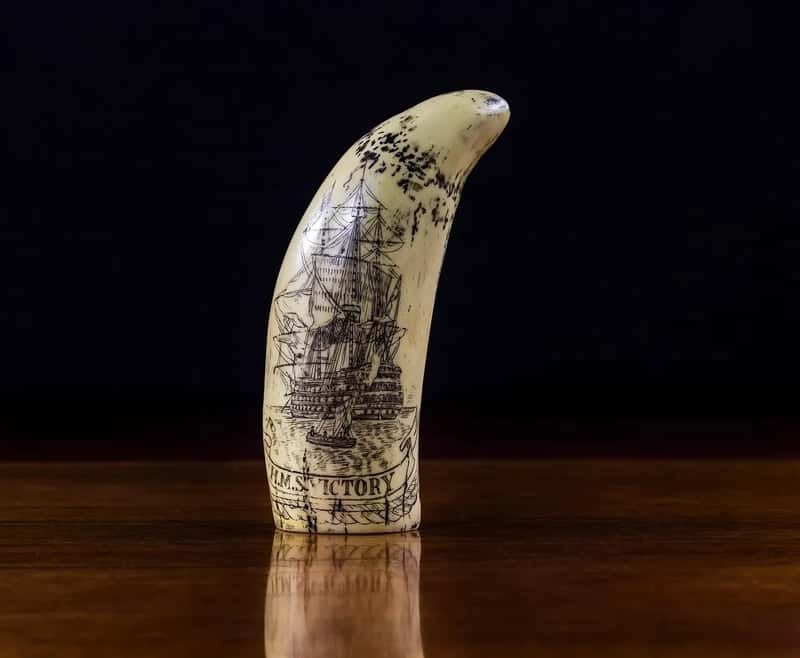
That beautifully carved ivory figurine you spotted at an African market might look like a legitimate piece of local culture. Here’s the thing though – it is almost certainly illegal to bring it home. International commercial trade in ivory is prohibited under CITES, and a near-total ban on commercial trade in African elephant ivory went into effect on July 6, 2016. The law is not forgiving on this one.
You will need a permit from the U.S. Fish and Wildlife Service to import virtually all types of ivory, unless it is from a warthog. The FWS has many restrictions and prohibitions on various kinds of ivory – including Asian elephant, African elephant, whale, rhinoceros, and seal – and they urge travelers to contact them before acquiring ivory in any foreign country. That carved piece on the market stall? Almost certainly no permit exists for it.
Any violation of the law results in a civil penalty of up to $10,000 for each violation, $5,000 for each instance of grossly negligent violation, or $3,000 for each instance of negligent violation. Honestly, no trinket is worth that. Leave it on the shelf.
2. Exotic Reptile Skin Bags, Wallets, and Belts
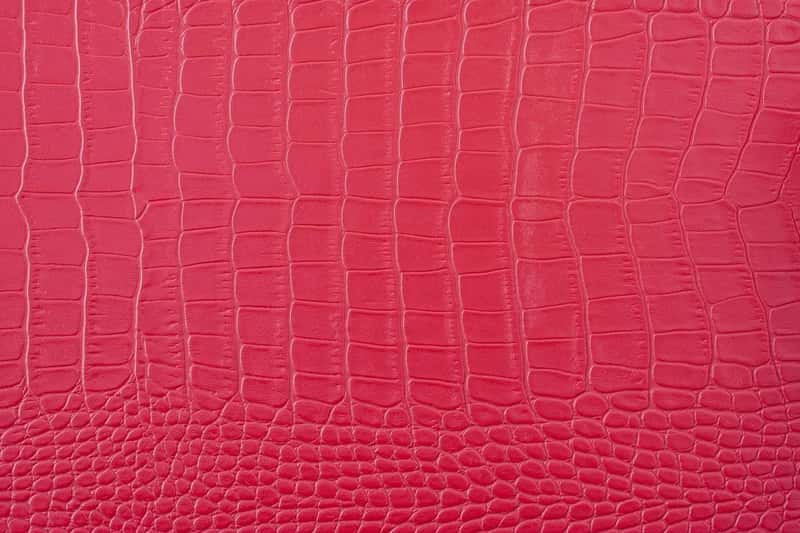
Picture this: you’re wandering through a gorgeous night market in Bangkok and you spot a stunning crocodile skin handbag at a price you’d never see back home. You buy it feeling like you’ve found a bargain of a lifetime. Then customs officers in Los Angeles confiscate it without a second thought. This happens constantly. Since the beginning of fiscal year 2024, CBP officers at Los Angeles International Airport, in coordination with U.S. Fish and Wildlife Service officials, detained 4,227 animal and plant products for violating wildlife laws and international endangered species conventions. Among those detained products were crocodile skulls, belts, wallets, and taxidermy baby crocodiles.
International trade in species listed by CITES is illegal unless authorized by permit. Items prohibited by CITES include, but are not limited to, articles made from whale teeth, ivory, tortoise shell, reptile and fur skins, coral, and birds. That includes those gorgeous-looking crocodile or python skin accessories you see sold openly in many countries.
These objects often fall under CITES regulations, meaning they cannot cross borders without export and import permits. Similar issues arise with crocodile-leather belts, snakeskin bags, coral sculptures, and turtle shell accessories. The bag might have cost you $80. The fine will hurt far more.
3. Agricultural Food Products and Cured Meats
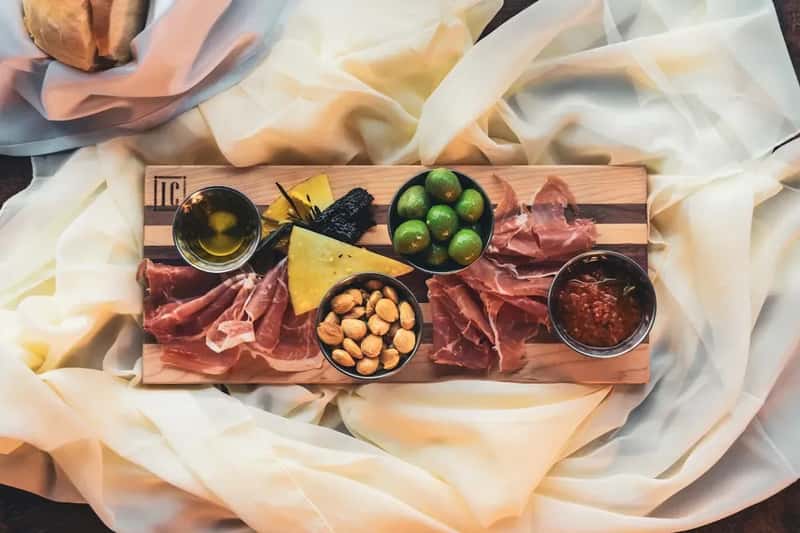
Let’s be real – who hasn’t tried to smuggle home a piece of incredible prosciutto or some cured sausage from a European trip? It smells incredible, it tastes like nothing you can buy at home, and it fits perfectly in your carry-on. The problem is that CBP agriculture officers train specifically to find exactly this kind of thing. CBP reminds travelers to take additional precautions when bringing food and agricultural products into the country to prevent the introduction of exotic plant pests, invasive species, and foreign animal diseases.
Prohibited agricultural items can harbor plant pests and foreign animal diseases that could seriously damage America’s crops, livestock, and the environment – and a large sector of the country’s economy. That one piece of ham from a Spanish market doesn’t feel like a biosecurity threat. To customs, it absolutely is. Diseases such as African Swine Fever could devastate the pork industry, significantly impacting the nation’s economy.
Prohibited items that are not declared by passengers are confiscated and disposed of by CBP agriculture specialists. Civil penalties may be assessed for failure to declare prohibited agricultural products and may range up to $1,000 per first-time offense for non-commercial quantities. If the items are determined to be for commercial use, violations will be assessed at a much higher rate. Declare everything. Every time. No exceptions.
4. Counterfeit Designer Goods
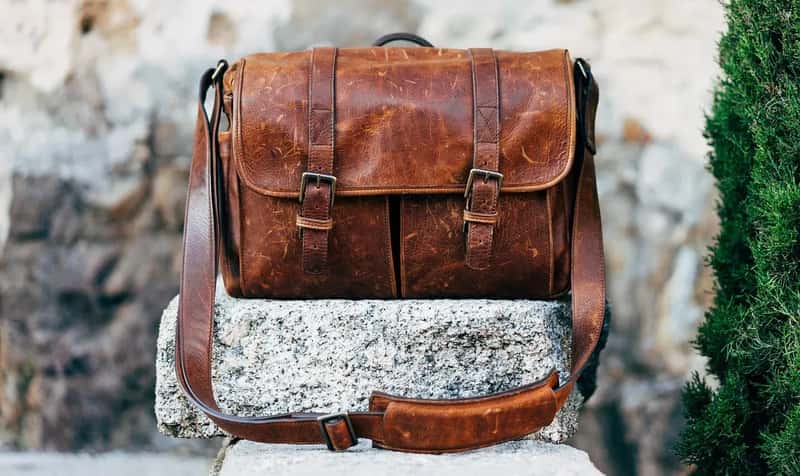
Fake designer goods are one of the most commonly seized categories at U.S. ports of entry. A counterfeit Louis Vuitton bag picked up for a bargain in a busy tourist market might seem like a victimless purchase. But U.S. law treats it very differently. Articles bearing marks that are counterfeit or inappropriately using a federally registered trademark are subject to seizure and forfeiture. The importation of articles intended for sale or public distribution bearing counterfeit marks may subject an individual to a civil fine if the registered trademark has also been recorded with CBP.
Travelers arriving in the United States may be permitted an exemption and allowed to import one article of each type bearing a counterfeit trademark, provided that the article is for personal use and is not for sale. That’s a narrow exception, and one that officers interpret strictly. Buying multiple fake handbags, fake watches, or a whole collection of knock-off goods will likely trigger confiscation and potentially serious penalties.
Be cautious when buying from street vendors. If the merchandise is counterfeit or unsafe, you may have to surrender it to CBP officers upon your return home. A good rule of thumb: if the price feels too good to be true for a luxury brand, it almost certainly is counterfeit.
5. Items Made from Dog or Cat Fur
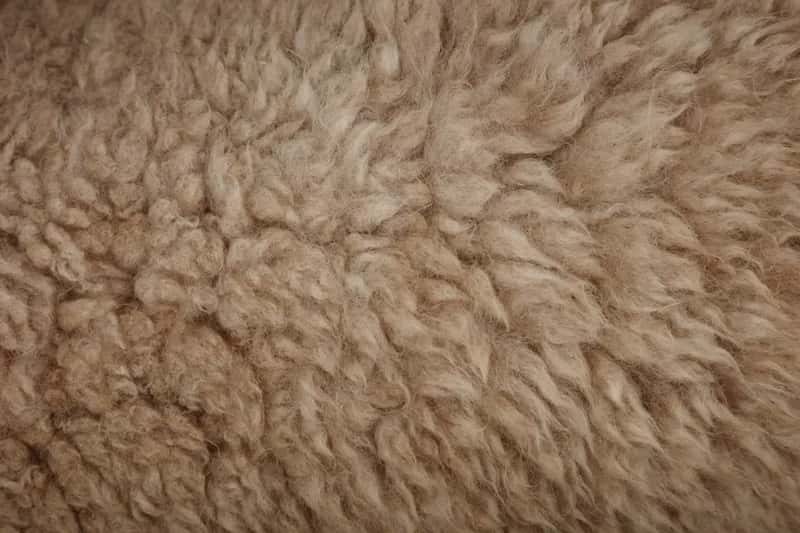
This one genuinely shocks many travelers, especially those who pick up fluffy novelty items or clothing accessories in parts of Asia where dog and cat fur is used in some traditional textile products. It is not just frowned upon in the U.S. – it is completely illegal. In the United States, importing, exporting, transporting, distributing, producing, or selling goods containing dog or cat fur is illegal to prevent animal cruelty. Any law infringement might result in fines or legal action against the traveler.
Any violation of the law results in a civil penalty of up to $10,000 for each violation, $5,000 for each instance of grossly negligent violation, or $3,000 for each instance of negligent violation. Ten thousand dollars per item is not a number to take lightly. The fur on that cheap winter hat trim could literally land you a bill the size of a used car.
Think of it this way – you wouldn’t necessarily know what animal provided that fur just by looking at it. And neither can customs officers always tell on sight, which is why the law is broadly enforced and why the penalty structure is so severe. When shopping abroad, skip any suspiciously cheap fur-trimmed products entirely.
6. Coral, Seashells, and Marine Souvenirs
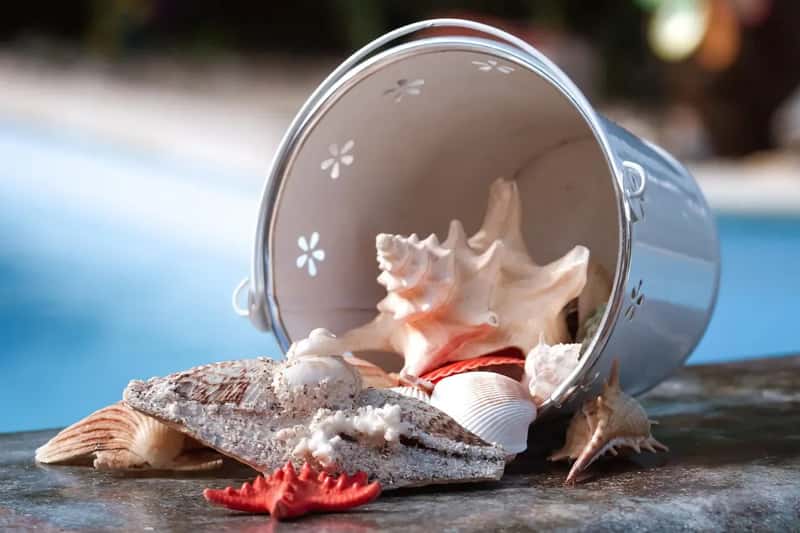
Beach towns around the world are full of shops selling beautiful coral pieces, turtle shell jewelry, and polished seashell ornaments. They look stunning. They also look completely natural and harmless. The problem is that a huge number of coral species and marine animals are protected under both U.S. federal law and international CITES treaty. Under the Endangered Species Act, more than 25 coral species are listed as threatened or endangered. Buying coral is one thing. Bringing it back to the U.S. without proper documentation is another entirely.
Among the detained products at LAX were seashells, coral, and sea cucumbers. The seized products arrived in individual packages via air mail from Singapore, Vietnam, Australia, China, Thailand, the UK, Mexico, and Peru. The traffic in these goods is enormous, and enforcement is active at every major U.S. port of entry. I know it sounds dramatic for what looks like a little piece of nature, but the law applies regardless of how innocent it seems.
There is a global responsibility to protect endangered species. For items such as ivory jewelry, whale bones, reptile skins, coral pieces, or turtle shell accessories, strict regulations govern transport, often requiring special permits that tourists rarely obtain. Even when sold openly in foreign markets, these items usually cannot enter North America without documentation only specialized sellers provide. When travelers arrive with them but cannot show proper paperwork, customs officers seize the items immediately.
7. Stolen or Undocumented Cultural Artifacts and Antiquities
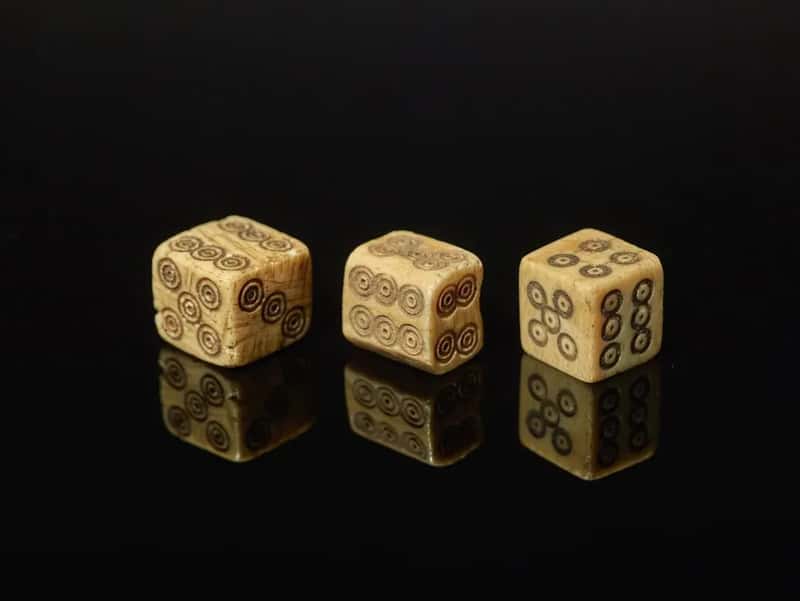
Some travelers fall in love with local history while abroad and want to bring a little piece of it home. A pottery shard from an ancient site, an old coin discovered at a flea market, a carved wooden figure that the seller claims is “very old and authentic.” It sounds romantic. It is potentially a federal crime. Some travelers get so fascinated by art and culture that they decide to bring artifacts home as souvenirs. However, it may bring a lot of trouble if that piece of art is stolen or unlawful to export under the laws of the nation of origin. According to the U.S. National Stolen Property Act, one cannot claim legal ownership of stolen art, artifacts, or antiquities, regardless of how many times they have changed hands.
Cultural artifacts and antiquities from certain countries may be restricted or require specific permits. This is especially relevant for travelers coming from countries with rich archaeological histories like Egypt, Greece, Peru, Mexico, China, and Italy. Local laws in many of these nations prohibit the export of ancient items entirely, and what looks like a legal purchase in a market stall may actually be an item that was looted from a protected site.
Cultural artifacts, from pottery fragments to ancient coins, may also be confiscated if the traveler cannot prove they were legally acquired. Proving legal acquisition is far harder than it sounds. Sellers rarely provide certified documentation, and customs won’t simply take your word for it. It’s hard to say for sure where every piece comes from – which is exactly why the law treats them so strictly.
8. Soil, Certain Seeds, and Plant-Based Souvenirs

A small bag of soil as a souvenir from a famous vineyard. A packet of exotic seeds from a garden abroad. A tiny bonsai tree you couldn’t resist at a Japanese market. These things sound entirely harmless and even charming. Yet they are among the most frequently seized categories at U.S. borders, and for good reason. Certain items brought into the United States from foreign countries are restricted according to U.S. Department of Agriculture regulations. Prohibited agricultural items can harbor plant pests and foreign animal diseases that could seriously damage America’s crops, livestock, and the environment.
This includes fresh fruits and vegetables, meats, cheeses, seeds, nuts, soil, plants, cut flowers, and even wooden souvenirs or items made from straw. Many of these items are restricted or prohibited outright. Seeds in particular are a real wildcard – invasive plant species introduced through unregulated seeds have caused billions of dollars worth of damage to U.S. agriculture over the decades.
All travelers entering the United States are required to declare meats, fruits, vegetables, plants, seeds, soil, animals, as well as plant and animal products they may be carrying, along with any biological materials. The declaration must cover all items carried in checked baggage, carry-on luggage, on a person, or in a vehicle. The CBP also specifically lists bonsai trees as a commonly encountered restricted souvenir from Asia. CBP Agriculture Specialists frequently encounter regulated or restricted souvenirs including seeds and bulbs in ready-to-grow souvenir containers, grape vines, bonsai trees, and orchid plants. When in doubt, leave it behind – or declare it and let officers make the call.