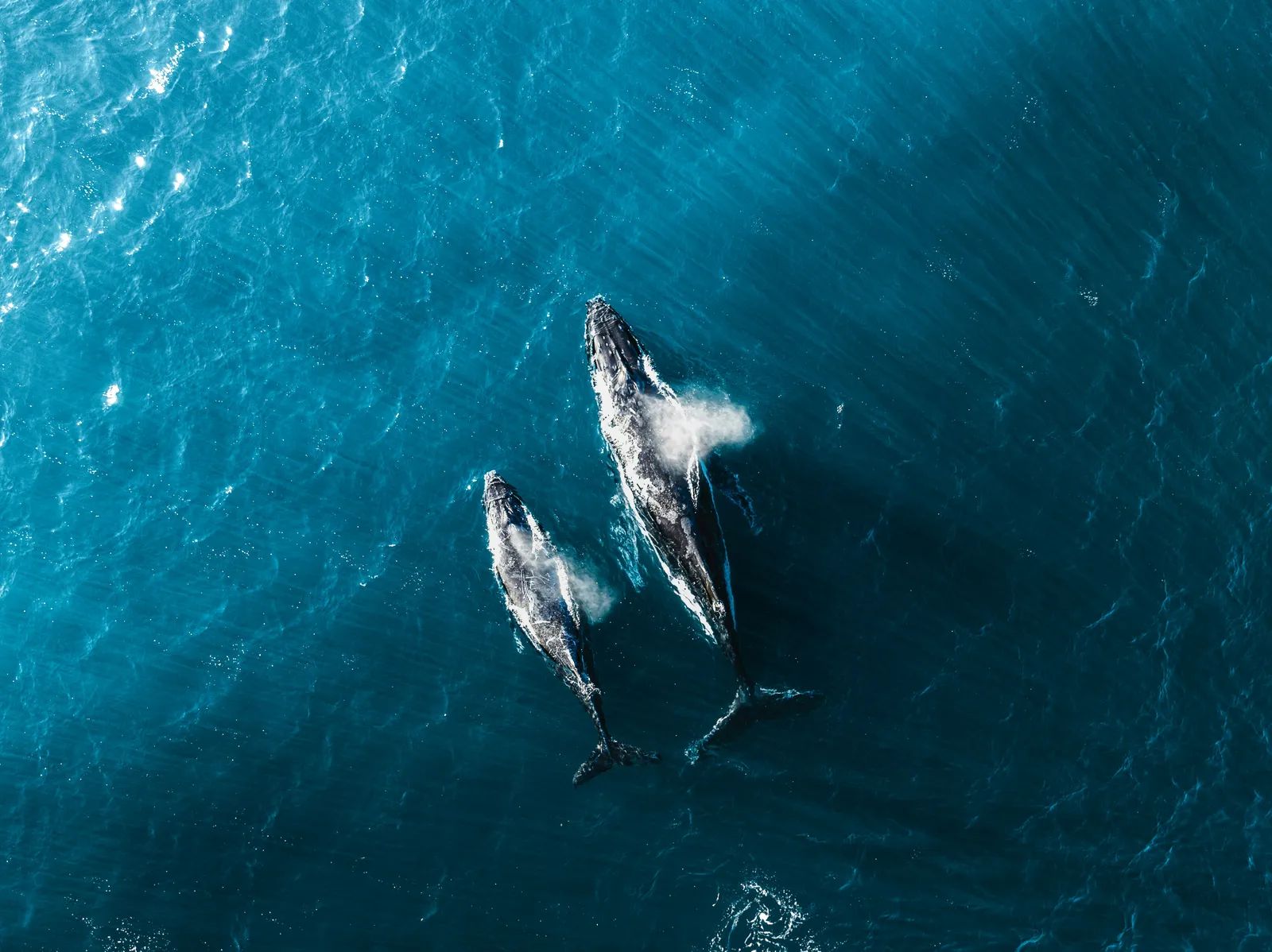
Anticosti Island, Quebec – In September, researchers working in the waters off this remote island captured photographs of a young North Atlantic right whale that had escaped detection during earlier winter surveys. Experts at the New England Aquarium later reviewed the images and supporting data, confirming the animal as a calf born earlier in the season. The find brings the total number of documented calves from the most recent breeding period to 24 and offers a modest lift for a species long considered one of the rarest large mammals in the sea.
The Photographs That Changed the Count
The images were taken during routine fieldwork near Anticosti Island. At first glance the calf appeared simply as another right whale in a region where the species occasionally passes. Only after careful comparison with existing catalogs did scientists realize no matching individual had been recorded. The New England Aquarium team examined distinctive markings on the animal’s head and body, along with its size and behavior. These details pointed to a calf several months old that had somehow avoided the systematic aerial and vessel surveys conducted during the winter calving period farther south. The confirmation process took weeks of cross-checking before the researchers could confidently add the animal to the season’s tally.
A Species That Travels Far and Faces Steep Odds
North Atlantic right whales migrate along the eastern seaboard of North America, moving between northern feeding grounds and southern calving areas. Their range brings them through busy shipping lanes and fishing zones, where vessel strikes and entanglement in fishing gear remain leading causes of injury and death. The population has hovered near historic lows for decades, making every new calf a closely watched event. Because the whales are slow to reproduce and suffer high mortality from human activities, even small additions to the annual calf count draw attention from biologists. The 24 calves documented so far represent the outcome of one breeding season, yet the overall numbers remain fragile. Scientists continue to stress that long-term recovery will require sustained reductions in both ship strikes and gear entanglements across the animals’ entire range.
What the New Record Reveals and What It Leaves Unanswered
The discovery underscores how difficult it can be to track every individual in a wide-ranging, low-density population. Winter surveys, while extensive, cannot cover every square kilometer of ocean where a calf might appear. Late-season sightings like this one show that some animals slip through the monitoring net and surface only when field teams happen upon them later. At the same time, the find does not alter the fundamental challenges facing the species. Researchers still lack detailed information on the calf’s mother and on whether the animal will survive its first year. Ongoing photo-identification efforts and acoustic monitoring will help track its progress, but many unknowns remain about individual health and long-term prospects.
Why the Moment Matters
For scientists who have spent years documenting the species’ struggles, the appearance of an unrecorded calf serves as a reminder that the population still produces new life. The researchers described the sighting as a cause for joy precisely because it adds one more animal to a ledger that rarely grows. Continued vigilance and protective measures will determine whether such moments accumulate into measurable recovery.