A cruise ship pulling into an Alaskan port looks like a small city arriving at the dock. For the people who live there, it usually is. The gangways drop, thousands of passengers head down the pier, and a regular Tuesday becomes something else.
Most visitors are polite and curious, and plenty of residents earn their living from them. Still, locals tend to share a short list of things they’d like new arrivals to know before they step off. Here are eight, based on the 2026 season and the conversations happening in Alaska’s ports right now.
The Town Is Smaller Than the Crowd
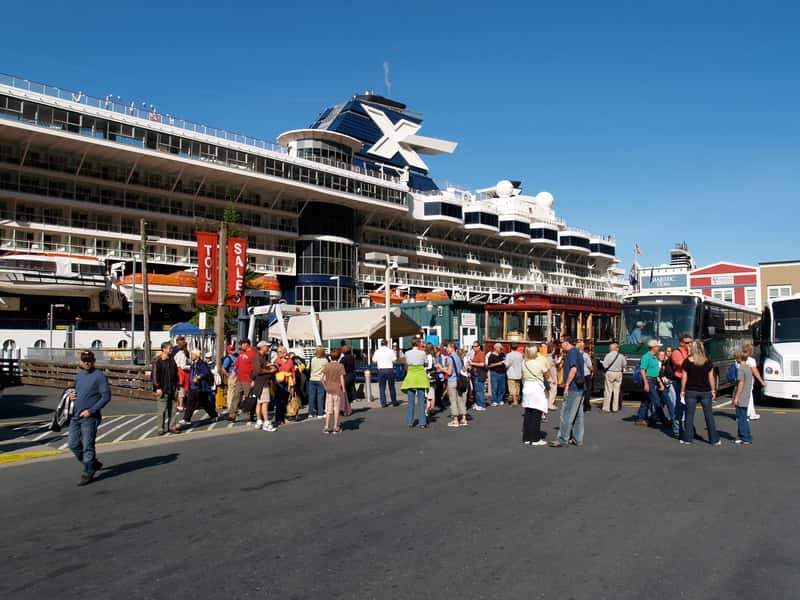
Juneau counted 1,733,016 large ship cruise passengers in 2026. For a capital of about 32,000 people, that works out to roughly 54 visitors for every year round resident.[1] Those numbers explain a lot about how a downtown feels at midday.
The city also sits in a place where there’s no road to the rest of Alaska, so every visitor arrives by ship or by plane.[1] Residents can’t just drive elsewhere when the sidewalks fill up. A little patience on narrow streets and crowded crosswalks goes a long way.
Daily Caps Exist, but They’re Still Voluntary
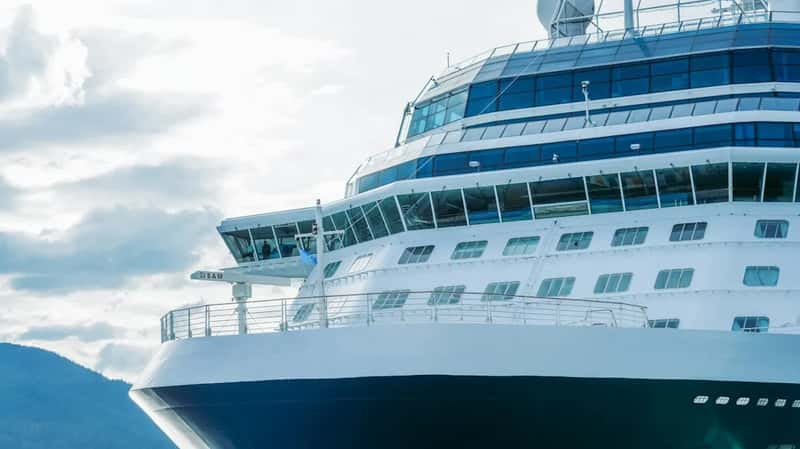
You may have read that Juneau limited cruise traffic this year. That limit is a voluntary agreement between the city and the cruise lines: five large ships a day and, new in 2026, about 16,000 passengers on most days.[1] Saturdays are lower, at 12,000.
The caps target the busiest days rather than the yearly total, which is why 2026 still set a record. Before the restriction, peak days could bring roughly 21,000 cruise passengers into town.[2] The rules are also not law yet, because Juneau postponed a mandatory five ship ordinance by a 5 to 4 vote.[3] Opinion in town is mixed, too. A city survey from November 2025 found 53% of respondents felt the municipality wasn’t doing enough to manage tourism’s effects.[2]
Juneau Isn’t the Only Busy Port Anymore
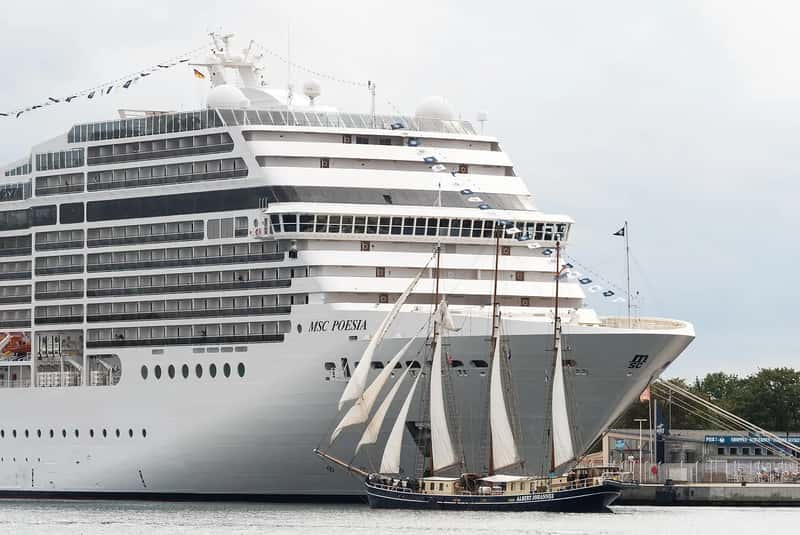
Many visitors assume the crowds are a Juneau problem. The city’s visitor industry director says otherwise, noting that the rest of the region is filling up, and Ketchikan is almost as busy as Juneau this year.[4] Rumors that Ketchikan would pass Juneau didn’t pan out, but it came close.
The limits in Juneau have also moved ships around. Royal Caribbean cut its Juneau calls in 2026 and plans further reductions in 2027, steering some itineraries toward places like Icy Strait Point near Hoonah.[5] Smaller communities that once saw a few ships a week are now managing much larger days, often with far less infrastructure.
Totem Poles Aren’t Photo Props
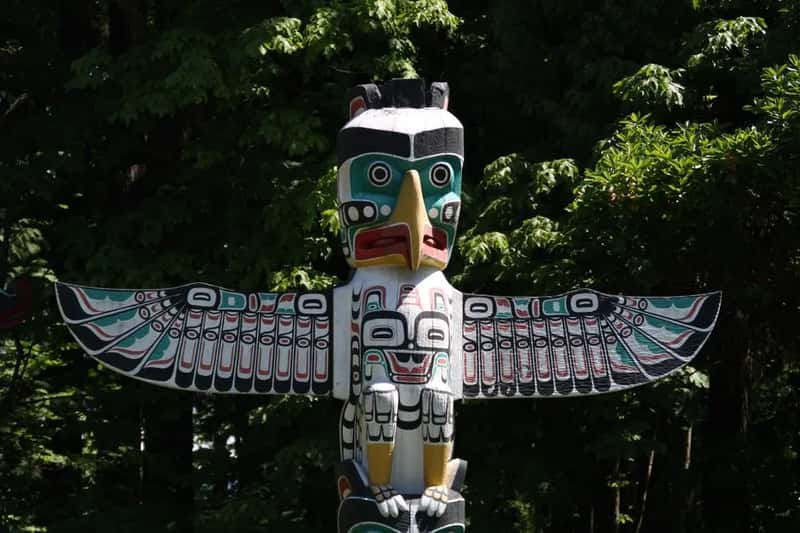
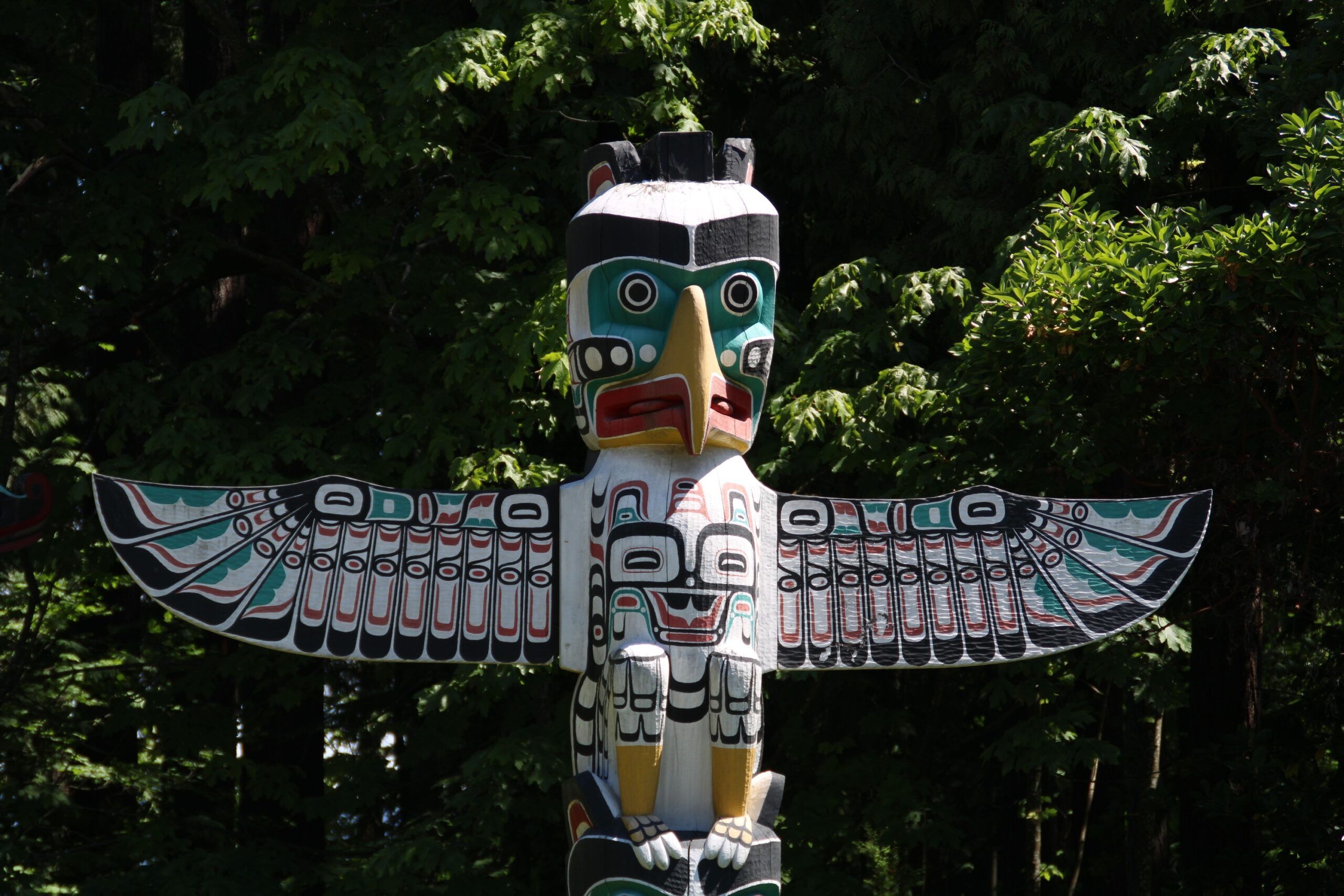
This summer, a social media trend had travelers dancing around totem poles in Juneau and other Southeast ports. Alaska Native leaders publicly demanded that visitors show respect for the monuments.[6] The trend copied a scene from a 2009 film and treated sacred objects like backdrops.
Totem poles aren’t religious idols either, which is a common misunderstanding. They’re clan records, histories and memorials, and their meanings are specific.[7] The Alaska Travel Industry Association has published an Alaska Native culture guide that includes etiquette for visiting artwork like totem poles, and reading it before you sail takes little time.[6]
Native Cultures Are Living, and Souvenirs Matter
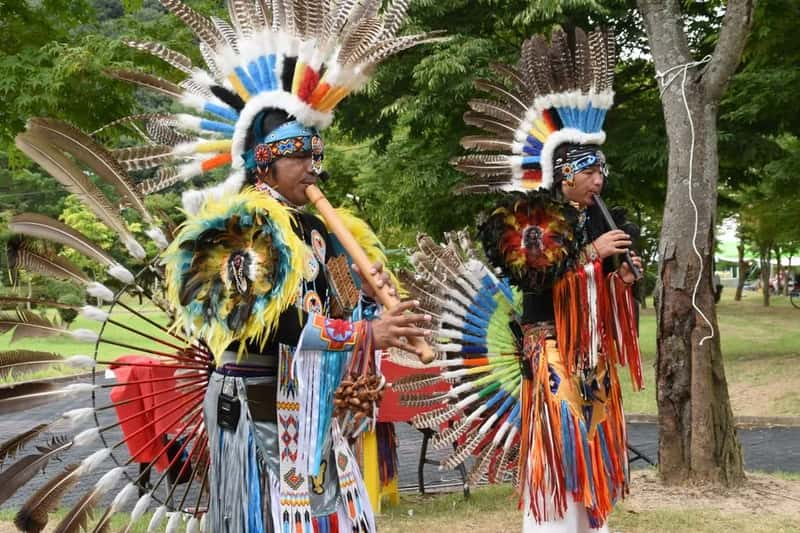
It’s easy to treat a cruise port as a museum, but that isn’t how residents see it. Alaska is home to over 200 distinct tribes, each with its own language, traditions and cultural identity.[8] One guide to local etiquette puts it plainly: these are living cultures, and the people you meet aren’t reenacting anything.[7]
Manners start with small habits, like asking before you photograph someone. If a ceremony can’t be photographed and you’re told no, that’s the end of the discussion.[7] Shopping deserves some thought as well, since a great deal of what’s sold in cruise ports is imported[7] and asking who made an item is a fair question. Look for work sold by the maker, or watch for the Made in Alaska emblem.
Wildlife Sightings Need Guides and Distance
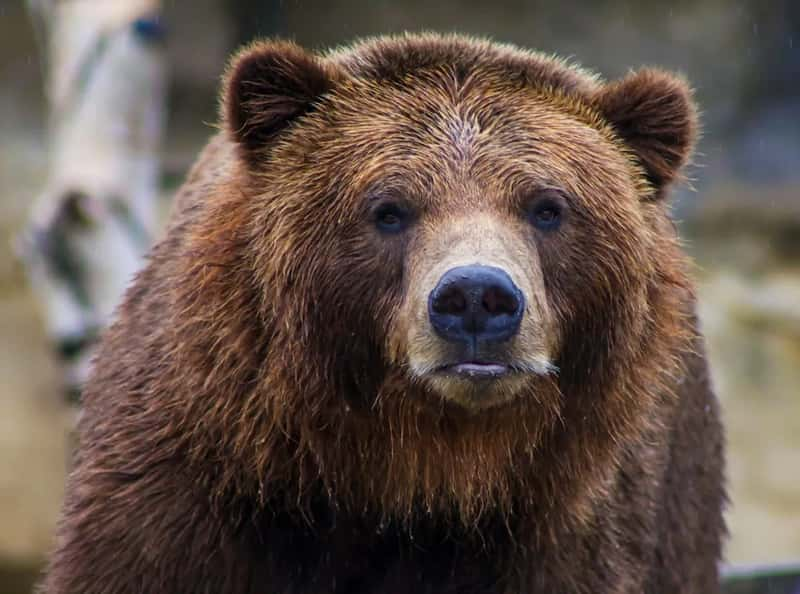
Many passengers hope to see a bear from the ship’s railing. Sightings from the ship are uncommon and usually distant.[9] A guided shore excursion is the better bet, and July and August tend to be strongest because salmon runs are active and bears gather near rivers and coastal feeding areas.[9]
Bears aren’t a theme park feature, and locals get frustrated when visitors forget that. Brown and black bears live throughout Southeast Alaska, and whale watching, hiking and rafting trips may pass through bear habitat.[10] The standing advice is to never approach or feed a bear, and to follow local guidance, keep a safe distance, and use established viewing areas whenever possible.[11]
Buses, Cars, and the Glacier Are Shared Spaces
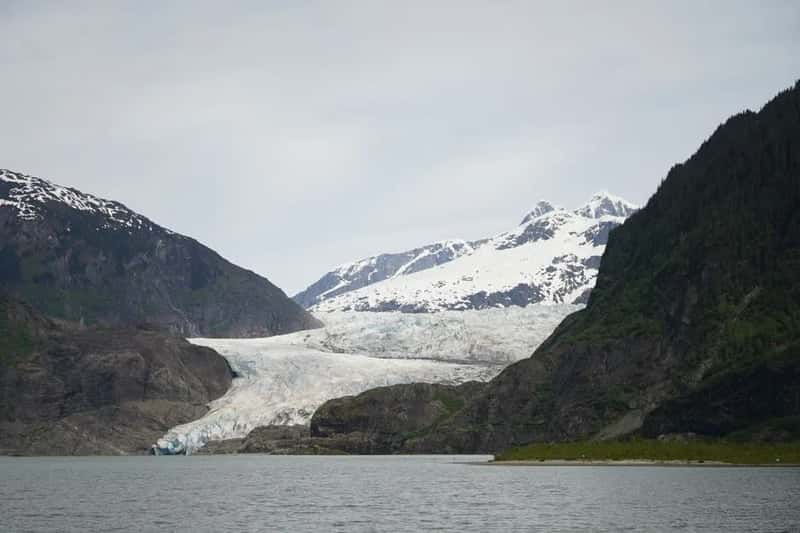
Juneau’s visitor industry director said this season brought more cruise visitors onto the city bus than before. That’s an issue the city plans to keep watching. She also noted that ships sailed at about four percent above projected lower berth capacity, which likely left downtown a little busier.
The crowding spread to rental cars and rideshares too, as visitors hunted for things to do. Mendenhall Glacier is one of the biggest draws, and the city said it was fully functional this year, though at a new normal of reduced staffing.[12] Residents use these same buses, roads and trails every day, so booking ahead and being flexible helps everyone.
The Weather and the Tides Don’t Care About Your Itinerary
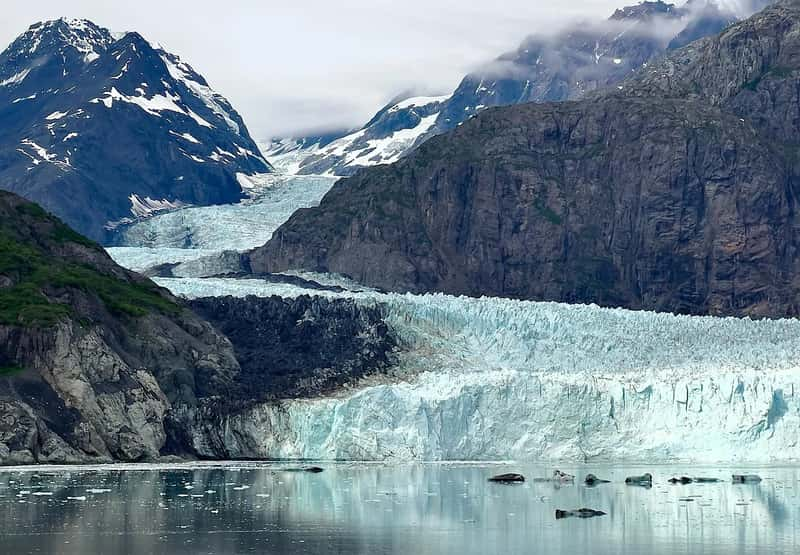
Alaska’s shore days can change quickly. Safety guides stress that the main risks for cruise passengers are environmental, including cold water, wildlife encounters, remote terrain, and weather that can shift dramatically within a single shore day.[10] Layers and waterproof gear are the standard advice for good reason.
Tides are another thing visitors underestimate. Tourists who wander onto tidal flats without knowing when the tide comes in risk becoming stranded or caught in dangerous mud.[13] Ship sponsored excursions usually include safety briefings, and the guides know the local conditions. Keep an eye on the all aboard time, because the ship’s schedule won’t wait.