The bag under the seat in front of you is the one you can actually reach during the flight. Once the door closes and everyone’s buckled in, the overhead bin might as well be in another building. Flight attendants spend more hours in cabins than almost anyone, so what they keep in that smaller bag says a lot about what matters once you’re airborne.
Space is tight, though. A personal item goes under the seat, typically up to 18 x 14 x 8 inches, and is free on all fare types.[1] Some carriers run smaller, since United uses 17 x 10 x 9 and Southwest uses 16.25 x 13.5 x 8.[1] On top of that, Basic Economy on American, Delta, United, and JetBlue only guarantees a personal item, with no overhead bin access.[1] Every item below has to earn its spot.
An Empty Refillable Water Bottle

Ask crew what they never board without, and water comes up fast. One flight attendant with more than 25 years in the job says crew are never without a large bottle of water or a refillable bottle so that they stay hydrated.[2] Cabin air is dry, and that can leave your skin, throat, and nose feeling dry.[3]
The trick is to bring the bottle empty. Carry it through security, then fill it at an airport water station before boarding.[4] It also gives you a backup, because drink service can be interrupted or eliminated on flights due to turbulence.[5]
A Power Bank That Follows the Rules
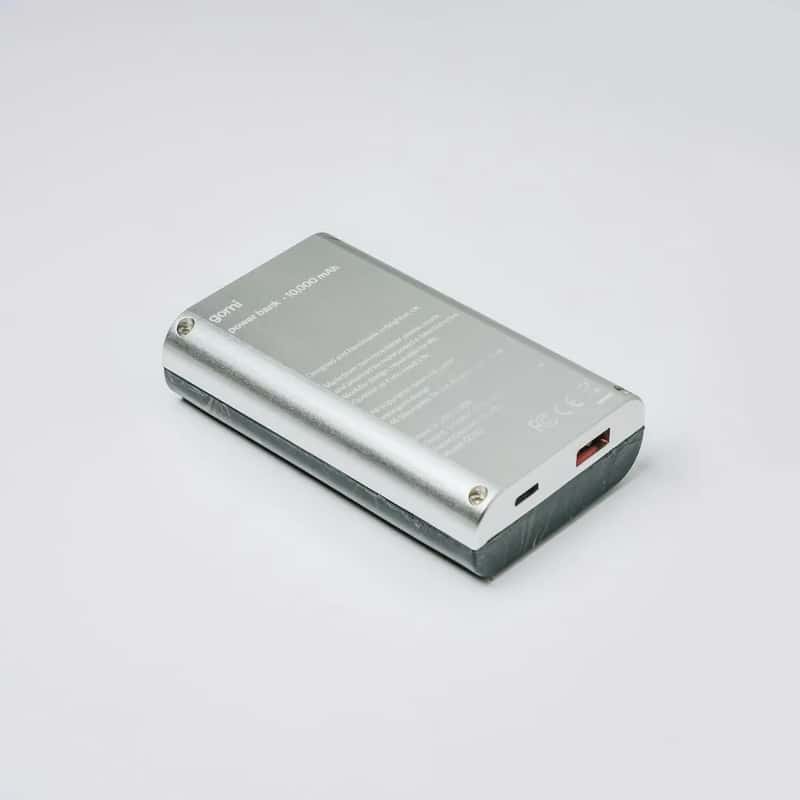
A power bank is one of the few items with firm regulations attached. The FAA says spare lithium batteries, including power banks and portable chargers, must be carried on and cannot be checked.[6] Batteries rated at 100 Wh or less are allowed without airline approval, while 101 to 160 Wh need approval and anything over 160 Wh is prohibited.[7] The attention makes sense, since the FAA logged a record annual high of lithium battery incidents on aircraft in 2024.[8]
The rules have kept tightening in 2026. As of March 27, 2026, ICAO limits passengers to two power banks on flights.[9] American Airlines has a maximum of two portable chargers per passenger, each 100 Wh or under, effective May 1, 2026.[7] United no longer allows power banks in overhead bins, so they must stay on your person, in a seat pocket, or in an under seat personal item.[10] Since many airlines have stricter limits than the baseline[11], check yours before you fly.
Lip Balm, Hand Cream, and Eye Drops
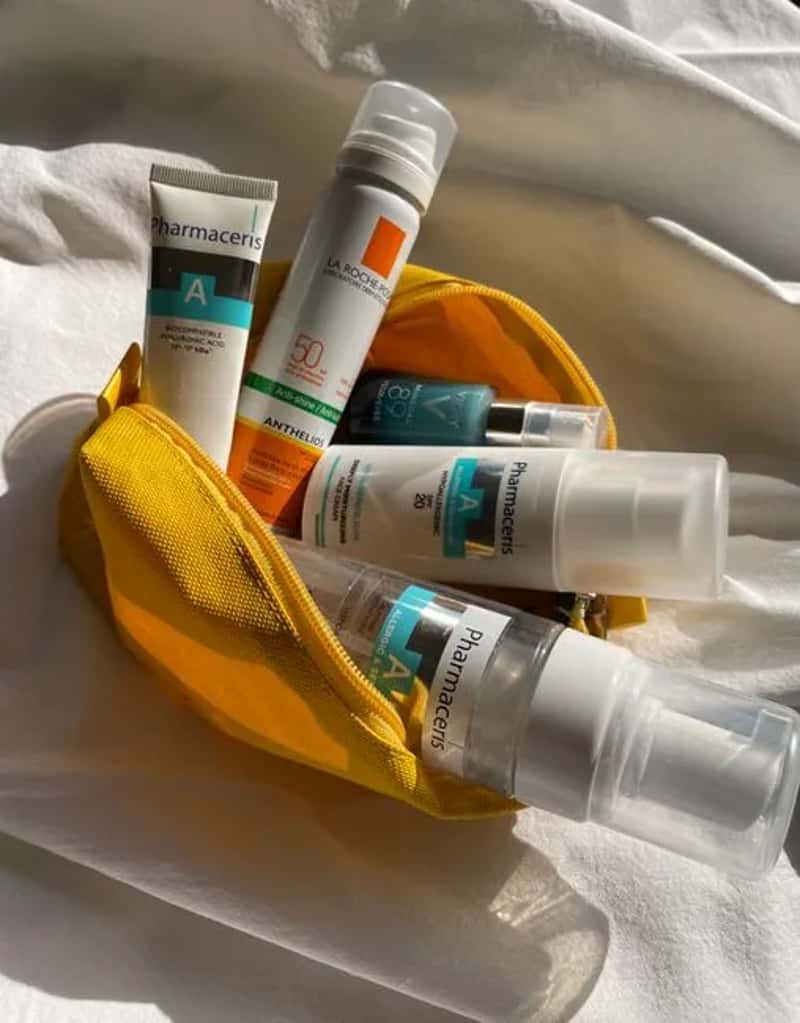
Crew treat skin and eye care as part of the job. A veteran flight attendant describes a personal amenity kit that could include eye drops, lip balm, a facial mist, a herbal inhaler, and a hand cream.[2] Another crew member’s list adds nasal spray[12] to the basics.
Size is the catch. One flight attendant recommends taking your regular skin care products, as long as they’re less than 3.4 fluid ounces, along with body lotion and chapstick.[3] Small tubes and sticks take up almost no room, which is why they suit a personal item so well.
Snacks That Won’t Make a Mess

Airport food is pricey, and airplane food isn’t guaranteed. Crew know this well, and they usually have a selection of snacks packed for when there is no option to go to the shops.[2] A delay on the tarmac is the same kind of situation.
AAA suggests high protein snacks such as nuts, trail mix, or granola bars, which help curb hunger during delays and keep your energy steady.[4] It also advises avoiding anything that melts, crumbles, or spoils easily.[4] Your seatmate will appreciate that, too.
A Mini Medicine Pouch
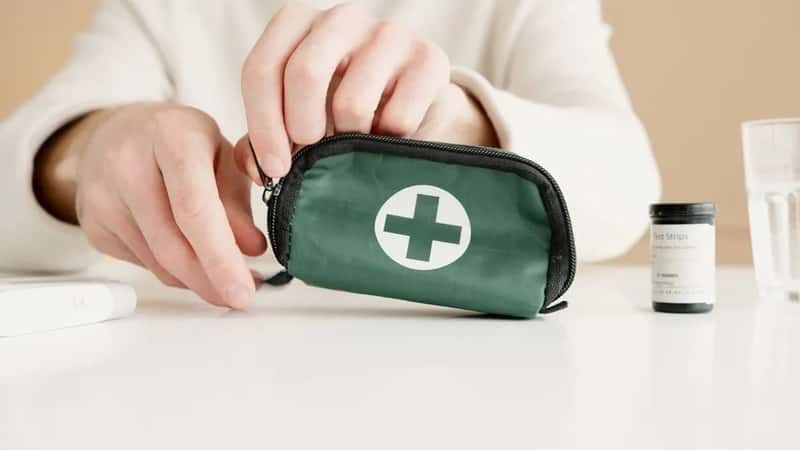
Small problems feel bigger at cruising altitude. Useful things to have are over the counter painkillers, motion sickness meds, allergy relief, and antacids.[13] A slim pill organizer fits in any pocket and beats rummaging through bottles.[13] Bring a few extras in case of delays, and keep essential prescriptions within arm’s reach.[13]
Crew bags follow the same idea. One long serving flight attendant says hers holds a small first aid kit with band aids, cooling gel for oven burns, and a simple painkiller.[2] Another crew member said she has carried ginger chews on every flight for eight years, after a flight attendant once used one to settle her mother’s nausea.
A Spare Top and Clean Socks
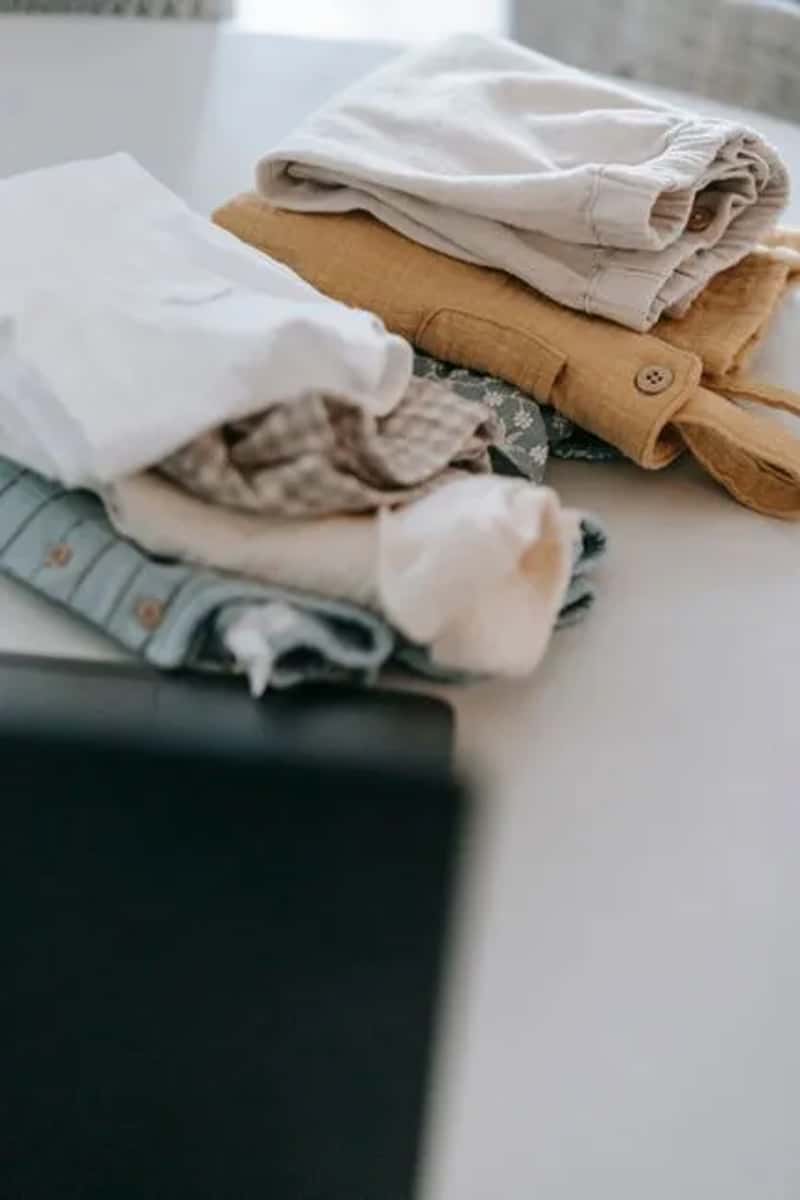
Bags get delayed, and spills happen. AAA points out that delayed or lost luggage happens more often than travelers like to think.[4] Crew plan for surprises the same way, as a change of clothes and a light pair of shoes can be kept in the bag just in case.[12]
Spare clothing also helps with everyday accidents. Flight attendants pack a spare shirt in case of food or beverage spills.[12] If you do check a bag, this small bundle is the one thing that stays with you.
Hand Sanitizer and Disinfecting Wipes

Crowded terminals and shared surfaces make this a simple habit. AAA notes that germs can spread quickly in airports and on airplanes.[4] Its advice is to keep TSA approved hand sanitizer and disinfecting wipes in your bag.[4]
Even when the airline hands out wipes, having your own is smart. They’re handy for cleaning tray tables, seatbelts, and armrests before settling in.[4] Crew also tend to carry tissues and wet wipes[12] to freshen up between flights.
A Compact Comfort and Freshen Up Kit
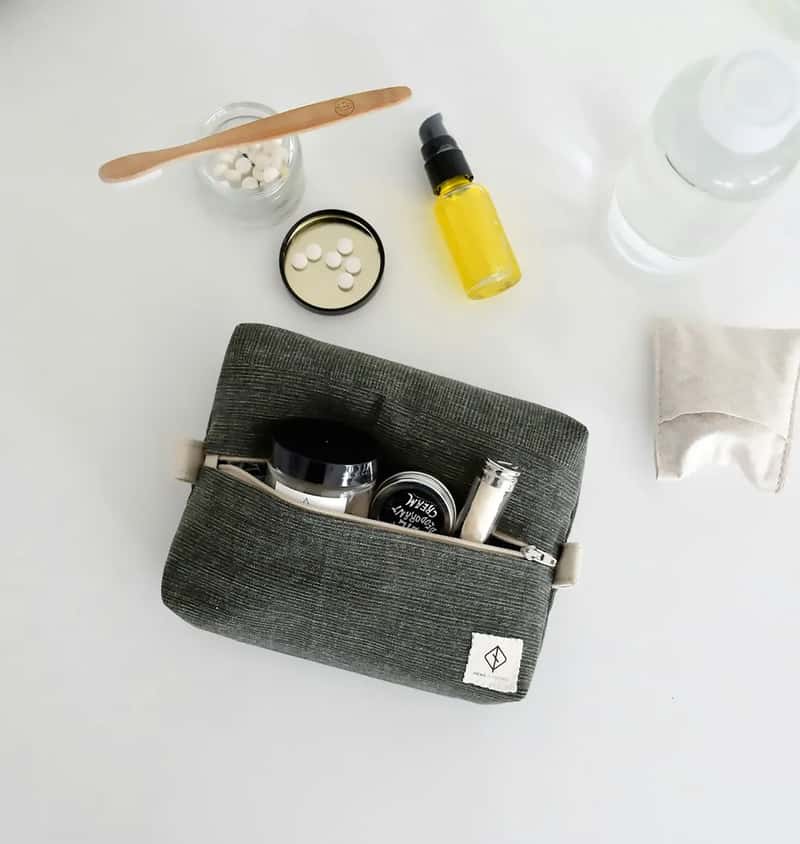
Long flights call for a few small comforts. Extras for long haul trips can include an eye mask, earplugs, socks, a travel pillow, and a mini dental kit.[14] Crew also treat toothpaste, a toothbrush, and mints as essential.[12]
For the dental part, toothpaste powder or tablets sidestep the TSA’s liquid rules.[13] Keep your cables tidy in the same pouch, as one Delta flight attendant suggests: fold the cords and secure them with Velcro tape in a small toiletry bag.[15]