Flying has never felt more crowded, more rushed, or more prone to friction between rows 12 and 34. Flight attendants see the same frustrating behaviors play out on nearly every trip, and most of them aren’t malicious, just thoughtless habits people have picked up over years of travel. Below are eight things cabin crew members consistently say they wish passengers would leave at the gate.
1. Poking or Touching Them to Get Their Attention
Ask almost any flight attendant what bothers them most, and this is usually the first thing out of their mouth. Veteran cabin crew members Michelle Montez, Joshua Boyd and Darion Foy issued a public notice on their Jumpseat Chronicles Podcast about the proper way to get their attention. Boyd put it plainly, saying “We get poked and touched as flight attendants,” calling it one of the biggest recurring issues.
It’s not just an occasional annoyance either. Foy has noted that passengers sometimes go as far as poking crew members in places that clearly cross a line, and Boyd joked that “if we got paid $1 for it, we would be millionaires.” The fix is simple: use the call button or just say “excuse me.” Some crews have even started wearing patches, lanyards or aprons advising passengers not to touch them, which says a lot about how often it happens.
2. Springing Out of Their Seat the Second the Plane Touches Down
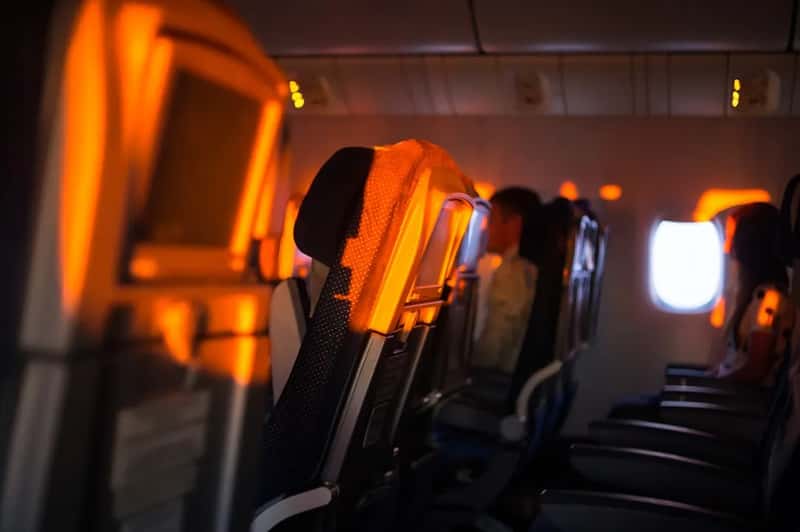
The wheels hit the runway, there’s still taxiing left to do, and half the cabin is already on its feet reaching for the overhead bin. It’s one of the most predictable moments on any flight, and it drives crews crazy for good reason. Former Piedmont Airlines flight attendant Michelle Hall has said this is one of the most common habits she’s seen and that it can create safety issues if the aircraft is still taxiing.
Standing up before the seatbelt sign turns off isn’t just against the rules, it can genuinely put people at risk if the plane brakes suddenly or has to stop short. Nobody boards or deplanes faster by standing in a cramped aisle for ten extra minutes. Staying seated until the sign dings off keeps things moving smoothly for everyone, crew included.
3. Tuning Out During the Safety Briefing
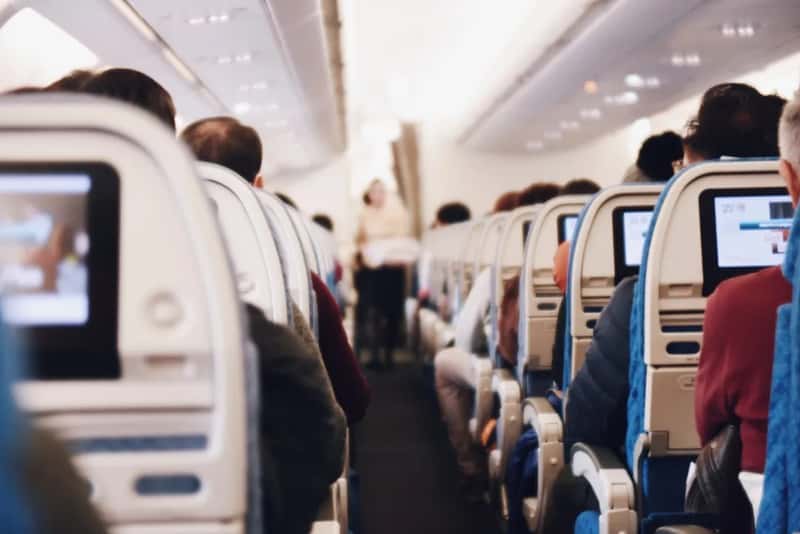
Phones out, headphones in, eyes glued to a screen while the safety demo plays. It happens on almost every flight, and flight attendants say the habit is riskier than passengers realize. Research on distracted attention backs this up: the simple presence of electronic devices can create cognitive distractions, diverting attention from vital safety instructions, and passengers deeply engrossed in their devices might overlook essential instructions and safety protocols that could matter in an emergency.
Crews aren’t asking for a dramatic gesture, just a minute of attention. Crew members aren’t being dramatic when they ask you to look up for a minute. Exit rows, oxygen mask procedures and brace positions can differ slightly between aircraft types, so even frequent flyers benefit from a quick glance.
4. Boarding With a Completely Empty Water Bottle

Reusable bottles are great for the environment, but flight attendants say there’s a right and wrong way to use them on a plane. A widely discussed Reddit thread from the flight attendant community, titled “I’m so over empty water bottle pax,” a flight attendant acknowledged the fact that most travelers are probably unaware that “we have a limited amount of water onboard.”
The issue isn’t refills themselves, it’s expecting a full liter topped off from a limited onboard supply that also needs to cover emergencies like diversions. As one crew member explained, they were forced to decline the request, explaining that they needed to save water in case of an unanticipated event such as a diversion. The easy solution is filling bottles partway at an airport water station before boarding, something several flight attendants mentioned, noting there are complimentary water-bottle filling stations at most airports.
5. Ringing the Call Button for Non-Emergencies
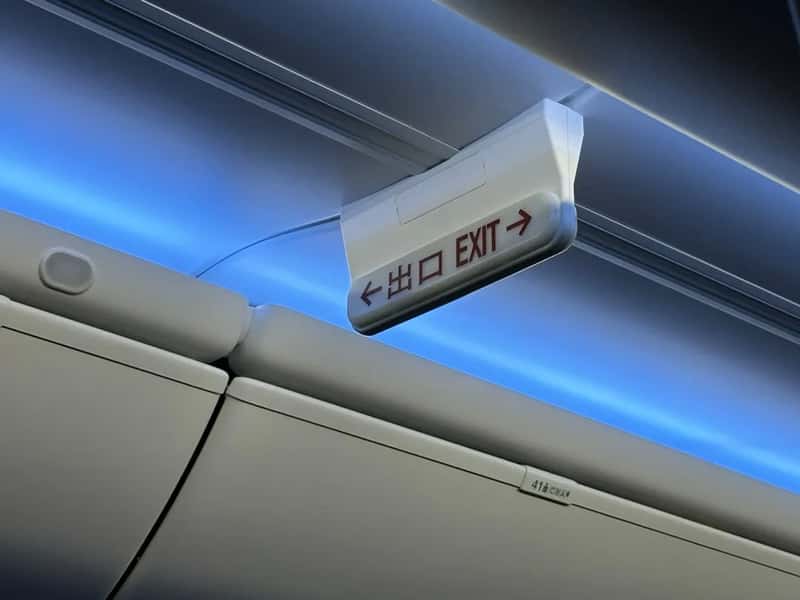
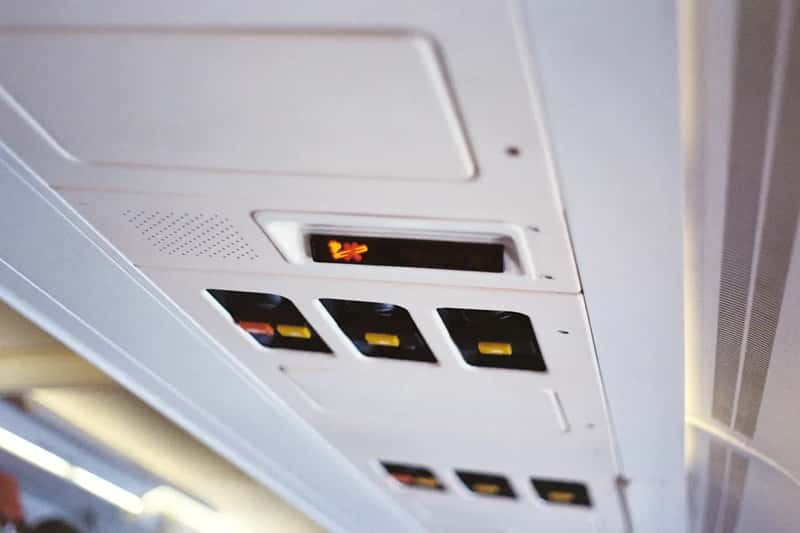
The call button exists for a reason, but crews say it gets pressed for things that could easily wait. One flight attendant explained the general rule of thumb bluntly: “asking if you’re going to make your connection is not an emergency. If you want a drink or something after drink service is over, we don’t mind if you ring it once, maybe twice if it’s a long flight, but don’t go wild with it.”
Trash is another common culprit. Since crews already move through the cabin on a regular schedule, there’s rarely a need to summon them separately. As the same flight attendant put it, most planes have a passenger ratio that means crew will come by periodically to collect trash, and trash is not an emergency. Save the button for things that genuinely need immediate help, like a spill that requires paper towels right away.
6. Arguing About Seatbelts or the Lavatory During Turbulence
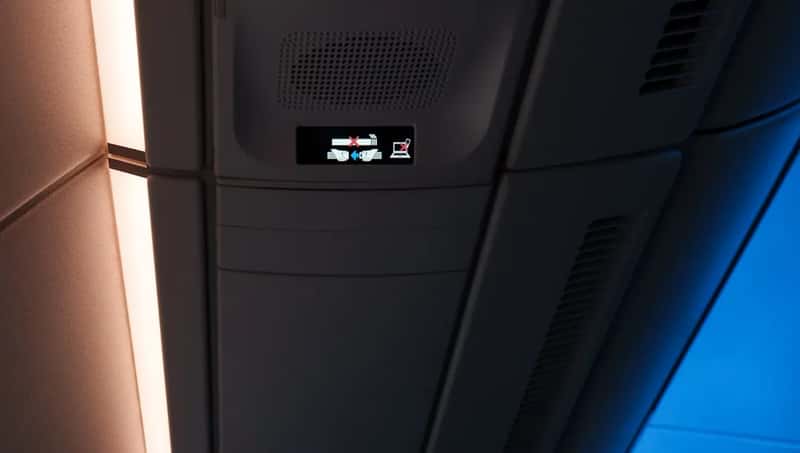
Few things test a flight attendant’s patience like a passenger debating safety instructions mid-flight. One crew member described the frustration of repeated pushback during rough air: “I don’t know how many times passengers have stood there during turbulence arguing with me about whether they can go to the washroom or not.”
Crews aren’t trying to ruin anyone’s plans, they’re following procedures designed to keep people from getting hurt. As that same attendant put it, “please don’t argue with us over safety instructions. We’re only doing our job.” When the seatbelt sign is on, it’s on for a reason, even if the reason isn’t obvious from a window seat.
7. Playing Videos or Music Without Headphones
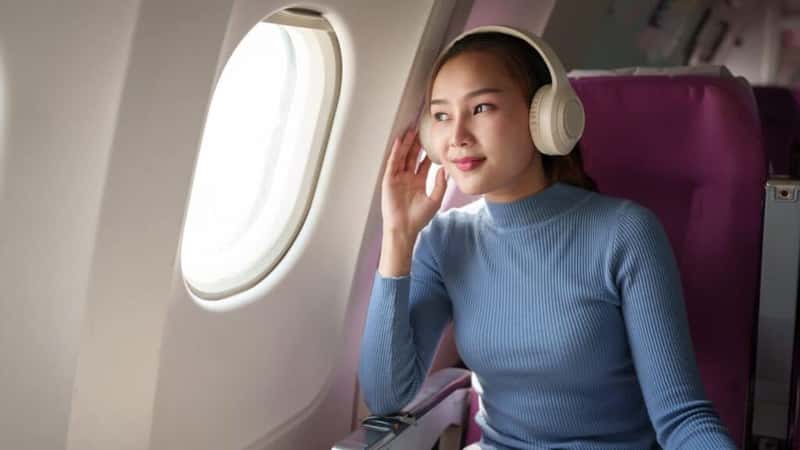
Nothing travels down a cabin faster than the sound of someone’s video autoplaying at full volume with no headphones in sight. It’s become such a common complaint that passengers themselves have called out crews for not addressing it more consistently. In one widely shared Reddit thread asking about flight attendant pet peeves, a passenger noted that “they don’t stop people [from] playing music and videos without earphones on.”
For crew members trying to keep the cabin calm, especially on overnight or long-haul flights, unmuted phones add unnecessary friction to an already tight space. It’s a small courtesy that costs nothing: pack headphones, or better yet, use them the moment a video or song starts playing. Everyone around you will notice, even if they never say a word.
8. Getting Up and Blocking the Aisle at the Wrong Moment
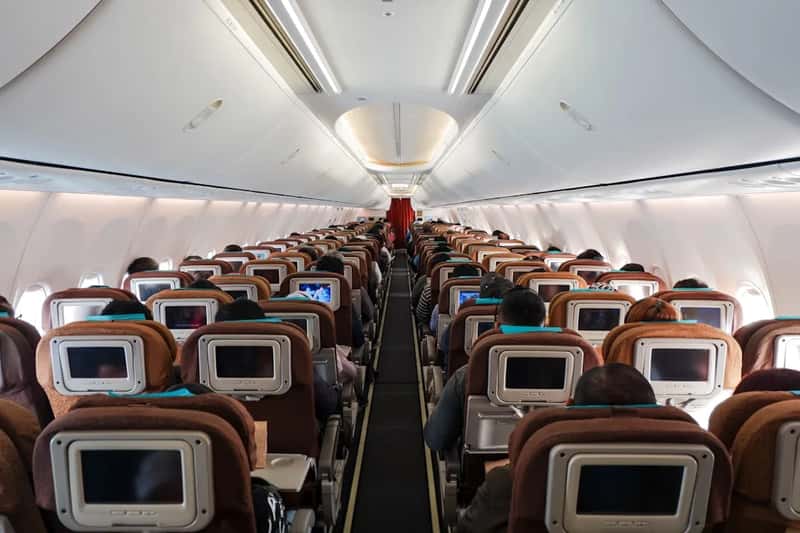
Whether it’s grabbing a bag from the overhead bin during descent or wandering into the galley while the crew is prepping for landing, standing in the aisle at the wrong time creates real problems. One flight attendant explained the safety reasoning directly, noting that staying seated with tray tables secured is “not only to prevent items from moving around the plane, but also to prep for evacuation.”
In a true emergency, cluttered aisles and open tray tables can slow everyone down when seconds matter. As the same attendant put it, “if there’s an emergency and it’s immediate life or death, you will trip over those bags and fumble around open tray tables.” Waiting until the crew gives the all-clear to move around isn’t just polite, it keeps the exit paths clear for everyone on board.
None of these habits are dramatic on their own, but together they shape how smoothly, and how safely, a flight actually runs. Flight attendants aren’t asking for much: a little patience, a little awareness, and a willingness to follow instructions even when they seem like common sense. Small adjustments from passengers go a long way toward making the whole cabin experience better for everyone in the air.