Ask anyone who spends more nights in hotels than at home, and they’ll tell you the checkout screen is where good intentions go to die. There’s always one more box to tick, one more “enhance your stay” prompt begging for a click. The people who travel constantly for work or pleasure have learned, often the hard way, which of these add-ons actually improve a trip and which ones just quietly drain the wallet.
What follows isn’t a guess. It’s a pattern that shows up again and again in the experiences of road warriors, points collectors, and anyone who’s booked enough rooms to know a gimmick when they see one. Here are eight extras that seasoned travelers say to skip, and the reasoning behind each one.
1. Vague view upgrades

Hotels love selling a “better view” for an extra charge, but frequent guests have learned that the description rarely matches the reality. Terms like partial view, garden view, or resort view are intentionally fuzzy, and travelers often end up staring at a parking lot or a rooftop unit anyway. View upgrades may not be exactly what you think, since the description, like water, woods, savannah, theme park, or standard view, is very vague.[1]
Guests who’ve been burned by this more than once now default to the standard room unless the destination itself is the main event, like a beachfront resort. One traveler summed it up plainly, saying “Any extra cost for a special view… Paying for an upgraded view isn’t worth it.”[1] If a vacation is built around exploring rather than lounging on a balcony, the math rarely favors the upsell.
2. Bundled resort or amenity fees paid as “packages”

Resort fees themselves aren’t optional, but the packages built around them often are, and frequent travelers have grown skeptical of both. These mandatory daily charges cover amenities like Wi-Fi, parking, gym access, pool use, and other on-site services, typically ranging from $10 to $50 per night, and are not included in the base room rate.[2] The frustrating part, as many guests point out, is that you’re required to pay the fees regardless of whether or not you use the extra services.[2]
In cities like Las Vegas, the numbers have only grown. Data from 2026 shows out of 90 hotels tracked, 45 increased their resort fees in recent months, and booking one night in each would cost $3,812.48 in resort fees alone, an average of $42.36 per hotel.[3] A new federal rule now forces hotels to show these costs upfront, since on May 12, 2025, the FTC’s Rule on Unfair or Deceptive Fees took effect, requiring any hotel that advertises a room price to show the total price including all mandatory fees upfront.[4] Still, as many experienced guests note, transparency doesn’t mean the fee disappears, it just means you see it sooner.
3. Minibar snacks and drinks

The minibar has become something of a running joke among people who travel often, mostly because of the markup involved. It’s convenient in theory, sitting right there in the room, but frequent guests almost universally treat it as a last resort rather than a real option. Many a hotel-goer has rummaged around for grub in here after a long ride, only to become disgruntled when finding out they owed an extra $50 for a water and a bag of Cheez-Its.[5]
Most seasoned travelers now pack a few snacks or make a quick stop at a nearby convenience store instead. The math is simple: paying five or six times retail price for a candy bar or a bottle of water isn’t a splurge, it’s just a bad trade. A short walk or a grocery delivery app almost always wins out over cracking open that tempting little fridge.
4. Paid celebration or welcome packages

Hotels frequently offer add-on packages for birthdays, anniversaries, or general “treat yourself” moments, usually bundled as a special drink or snack credit at check-in. Frequent guests have learned these rarely deliver value proportional to their cost. As one traveler explained, you’ll typically pay extra for it anyway baked into the rate, and the credits are rarely enough to give you a full service or meal, which forces you to eat at the hotel when it might be more fun to dine out elsewhere.[6]
The pattern tends to repeat across chains and price points. The package sounds thoughtful on the booking page, but once you’re standing at the desk, the fine print about redemption windows and limited menu items becomes clear. Skipping the package and choosing your own way to mark the occasion usually costs less and feels more genuine anyway.
5. Prepaid late checkout
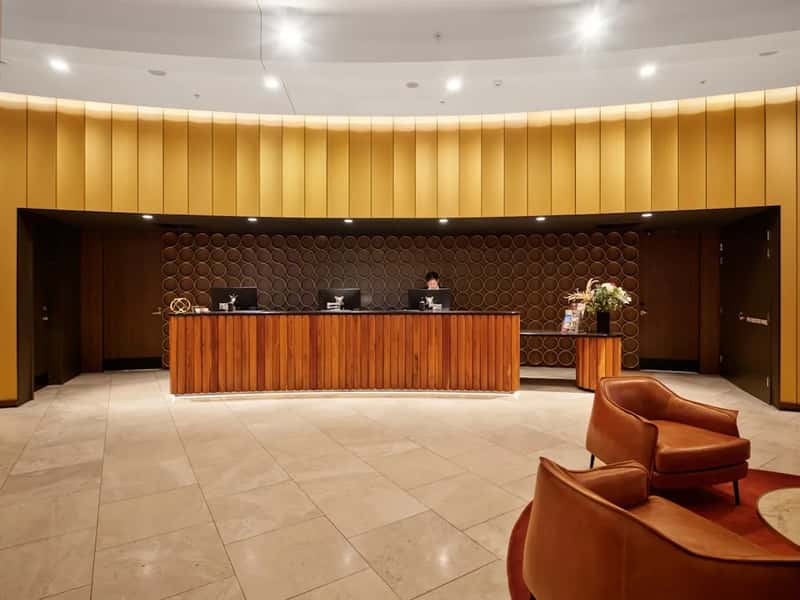
Paying in advance for a later checkout time is one of the most common regrets among people who stay in hotels often, mostly because it’s frequently unnecessary. Plenty of properties will grant the same extra hour or two for free if you simply ask. One frequent traveler noted that about 75 to 80 percent of hotels give you a free late checkout if you simply ask for one the night before or the morning of departure.[6]
The advice from experienced guests is consistent: never lock in this cost before you even know if you’ll need it. Skipping a late checkout entirely isn’t the point, but paying for it in advance is something to avoid.[6] A polite request at the front desk almost always accomplishes the same thing without opening your wallet.
6. Breakfast add-on packages

Hotel breakfast buffets and add-on packages can look appealing when you’re booking a room late at night, half asleep and ready to click anything that promises convenience. In practice, frequent travelers often find better food, better prices, and more variety within a five-minute walk of the property. Multiple travel resources now list this as a lower-value upsell, noting that hotel breakfast add-ons and short flight business class offer limited value[7] compared with other travel splurges.
The exception tends to be remote properties or all-inclusive resorts where there’s genuinely nowhere else to eat. Outside of that scenario, the math rarely favors prepaying for a buffet you might not even have time to enjoy between meetings or flights. A quick coffee shop stop across the street often does the job for a fraction of the cost.
7. Rain shower heads and bathroom upgrade packages
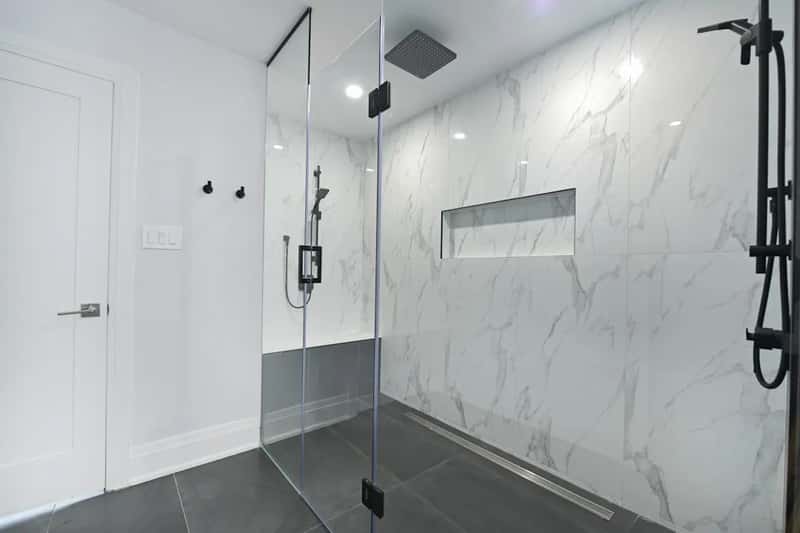
Some hotels charge extra for rooms with upgraded bathroom fixtures, particularly rain shower heads marketed as a spa-like touch. Frequent guests tend to view this as one of the more forgettable upgrades available, since the marble countertop or premium fixture rarely changes the actual experience of a short stay. As one travel writer put it, rain shower heads are meant to provide a more natural experience when showering, but it’s often not worth it for short stays or weekend getaways.[5]
For longer stays, some travelers admit the upgrade can feel nice, but even then, it rarely tips the scale toward being worth extra money. The room still functions the same way, and the shower is still just a shower. Most people who travel frequently would rather put that money toward something with a more noticeable impact, like a better location or an earlier check-in.
8. Premium or “faster” in-room Wi-Fi tiers

Many hotels now offer a tiered Wi-Fi system, charging extra for a faster connection on top of a resort fee that may have already included basic internet. Frequent travelers who rely on connectivity for work have learned to test the free tier first before paying for an upgrade that often isn’t noticeably better. Given that resort and amenity fees are supposed to cover Wi-Fi as one of their advertised inclusions, paying twice for the same service feels redundant to guests who track this closely.
The better strategy, according to people who travel constantly, is carrying a personal hotspot or checking whether a portable connectivity option makes more sense for the trip. Data connectivity is frequently overlooked yet essential for maps, translation apps, and last-minute changes, and paying for local or portable connectivity often beats the roaming shock while keeping travelers self-sufficient when hotel Wi-Fi is unreliable.[7] For a lot of guests, that one-time investment in a hotspot pays for itself within a single trip, making the hotel’s premium Wi-Fi upsell an easy pass.
Frequent travelers tend to agree on one thing above all else: the upgrades worth paying for are the ones that solve a real problem, like exhaustion after a red-eye flight or genuine noise concerns on a busy floor. The ones worth skipping are almost always the ones dressed up as luxury but functioning as filler, extra charges for things that were either already included, easily found elsewhere, or simply unnecessary for the length of the stay. Knowing the difference is less about being cheap and more about spending trip money where it actually shows up in the experience.