Checking into a hotel room feels like stepping into a fresh, sanitized space, especially with those crisp linens and the faint smell of cleaning products in the air. Yet housekeeping staff and microbiologists who have studied hotel rooms say that impression can be misleading. Turnover times are tight, cleaning checklists vary wildly by property, and certain items simply don’t get the attention guests assume they do.
Several university studies and interviews with hospitality experts have pointed to the same handful of culprits again and again. Below are eight items that housekeeping insiders and researchers consistently flag as ones you should approach with caution, or clean yourself before use.
1. The TV Remote Control
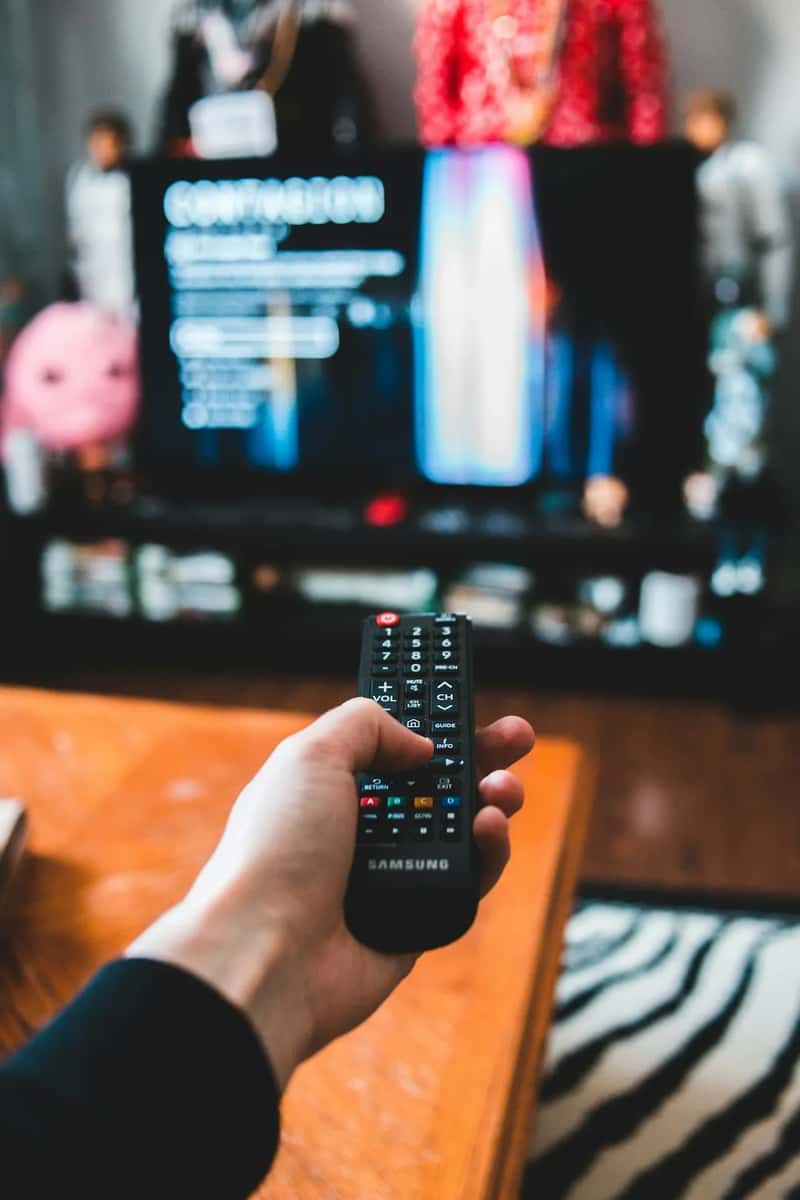
If there’s one object that shows up on nearly every list of hotel room hazards, it’s the remote control. Researchers found high levels of bacterial contamination on the TV remote and the bedside lamp switch, alongside expected hotspots like the toilet and bathroom sink.[1] That 2012 University of Houston study, presented at the American Society for Microbiology’s General Meeting, remains one of the most cited pieces of evidence on the subject.
Part of the problem is structural. Studies have shown remotes can harbor bacteria like E. coli, staph, and even traces of fecal matter.[2] The buttons and crevices are notoriously hard to wipe down properly, and because cleaning checklists are often organized by zone, like bathroom, bed, and surfaces, a handheld gadget can slip through the cracks entirely. Packing a few travel-size disinfectant wipes and giving the remote a quick once-over is a habit many frequent travelers swear by.
2. The Bedspread and Decorative Pillows

The bed looks inviting, but the top layer is often the least trustworthy part of it. The carpeting and the bedspread are two soft surfaces to watch out for, according to Kelly Reynolds, and hotels change sheets and towels before new guests arrive, but many do not frequently wash their bedspreads.[3] Some properties only launder these covers on a rotating schedule rather than after every checkout.
Housekeeping veterans have been candid about this gap. Reneta McCarthy, a lecturer at Cornell University’s School of Hotel Administration and former housekeeping manager, warns that hotels typically schedule room deep-cleanings on a quarterly basis.[4] A microbiologist who reviewed hotel hygiene practices noted that while sheets and pillowcases may be more likely to be changed between occupants, bedspreads may not, meaning these fabrics may become invisible reservoirs for pathogens, as much as a toilet seat.[5] Folding the comforter back or setting it aside on a chair before you settle in is a simple workaround.
3. The Ice Bucket
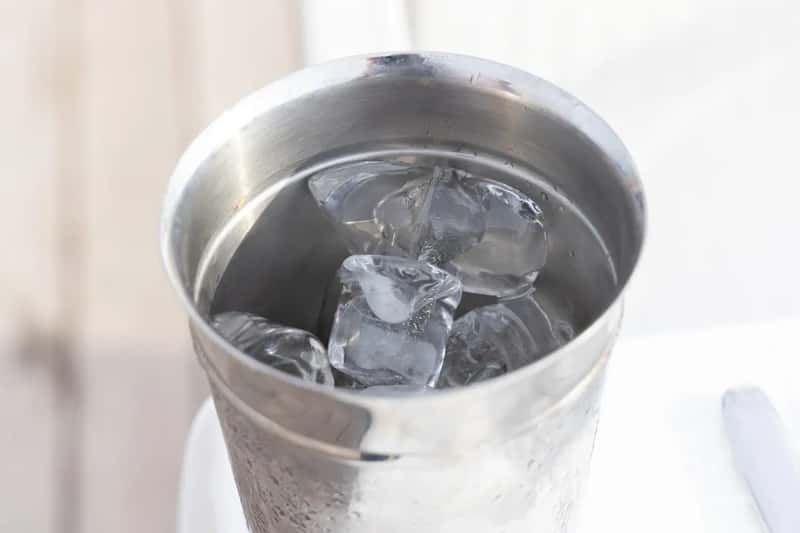
It sounds harmless, but the ice bucket has earned a reputation as one of the room’s worst offenders. Brian Labus, an assistant professor in the Department of Epidemiology and Biostatistics at the University of Nevada, Las Vegas, has said that using the ice bucket without a liner is one of the grossest things you can do in a hotel room, citing a past norovirus outbreak in which people used the ice buckets when they got sick.[6] Those same buckets were then handed off to future guests without anyone realizing what had happened.
Former hotel staff have echoed the concern from the other side of the cart. Former hotel staffers have claimed that ice buckets are often used for anything but ice, think pet waste, dirty diapers, and raw meat.[7] The issue has become significant enough that the American Hotel & Lodging Association now includes ice-bucket sanitation in its Safe Stay training guidelines, though compliance varies, especially at lower-tier or high-turnover properties.[7] If your room has a bucket, using the plastic liner provided, or skipping it altogether, is the safer route.
4. Drinking Glasses and Mugs
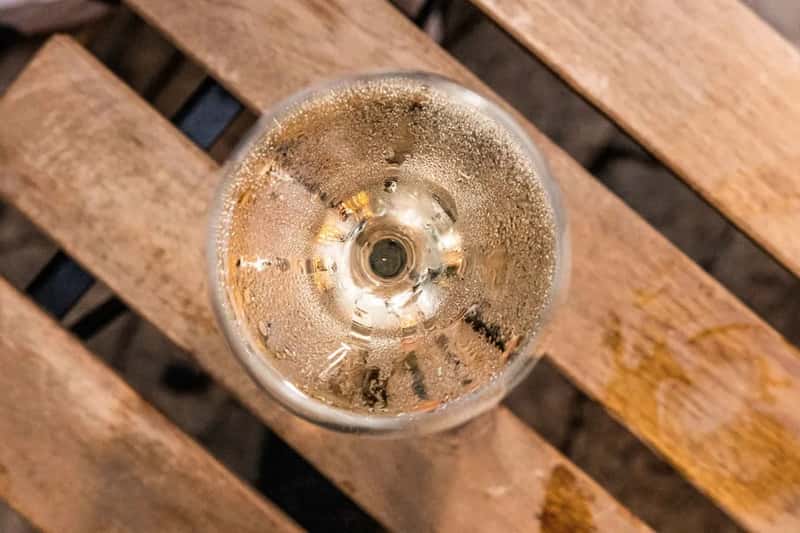
Glassware left on the bathroom counter or nightstand may look spotless, but appearances can deceive. Undercover studies on hotel cleanliness reveal that drinking glasses are some of the dirtiest things in any hotel room, since cleaners working in a hurry often bypass a thorough cleaning, using a dry sponge or even dirty towels to wipe them down.[8] A 2008 investigation added more weight to that concern. An investigation of hotel cleaning habits by Arizona’s ABC15 found that 11 of the 15 hotels it tested across the country did not remove dirty glasses from the rooms for additional cleaning.[9]
The location of these glasses makes matters worse in some rooms. Drinking glasses are often placed near the bathroom sink, and commodes are proven to spray bacteria throughout the bathroom with every flush, which is part of the unsettling reason some travelers avoid using them at all.[10] A quick rinse with hot water before use, or opting for the disposable cups many hotels now provide, cuts down the risk considerably.
5. Light Switches and Lamp Controls
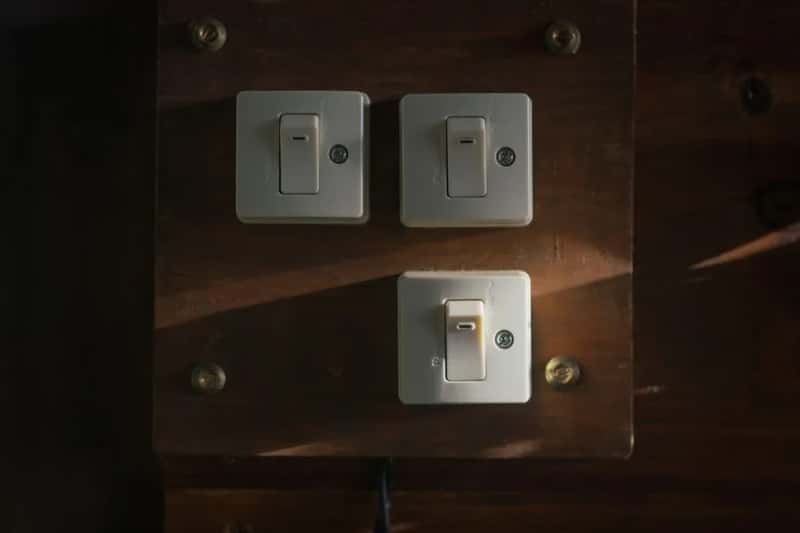
Light switches get touched constantly, often by hands that haven’t been washed yet, and they rarely make it onto a cleaner’s priority list. Researchers were surprised to find that even toilets couldn’t compare to the germ levels found on light switches and remotes, two areas guests frequently touch without pause.[4] That finding held up across multiple follow-up studies referencing the original University of Houston research.
The bedside lamp switch tends to be an especially overlooked spot. The same research team that discovered bacteria on TV remotes also found heavy bacterial contamination on the bedside lamp switch in many hotel rooms.[9] Given how often guests flip these switches in the dark without thinking twice, a quick wipe-down at check-in is a small step that can make a real difference.
6. The In-Room Telephone

Even in an age when most travelers rely on their smartphones, the hotel room phone still sits on the nightstand collecting whatever previous occupants left behind. Hotel phones are touched by countless guests and often overlooked during cleaning, making them hotspots for bacteria.[11] Because it’s rarely used, it’s also rarely disinfected between stays.
Hospitality writers who’ve tracked hotel hygiene complaints point out that the phone tends to fall into a similar category as other hard surfaces that get missed. The phone, which lots of different people use, can carry nasty viruses, especially because housekeepers don’t always bother to clean it.[8] If you do need to use it, a tissue over the receiver or a quick wipe beforehand is an easy precaution.
7. The In-Room Kettle or Coffee Maker
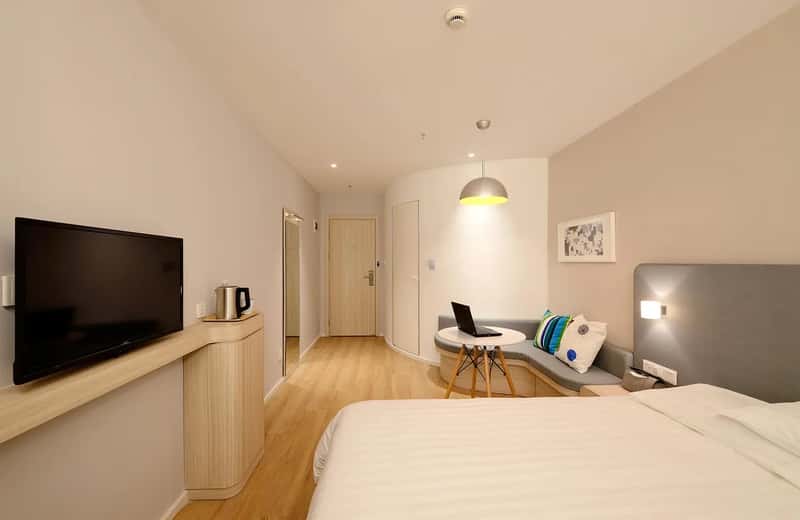
Morning coffee rituals can come with an unwelcome surprise if the equipment hasn’t been properly cleaned. Hotel kettles are rarely cleaned inside, which means they may contain residue left by previous guests, and handles can also harbor bacteria from frequent use.[11] Because the interior of a kettle is out of sight, it’s easy for staff to skip that step during a fast room turnover.
The same caution applies to coffee pots more broadly. When not properly sanitized, drinking glasses and in-room coffee pots can be covered in germs.[3] Running the kettle through a full cycle with fresh water, or washing it out with soap before your first use, is a simple habit that removes most of the guesswork.
8. The Bathroom Sink and Faucet Handles
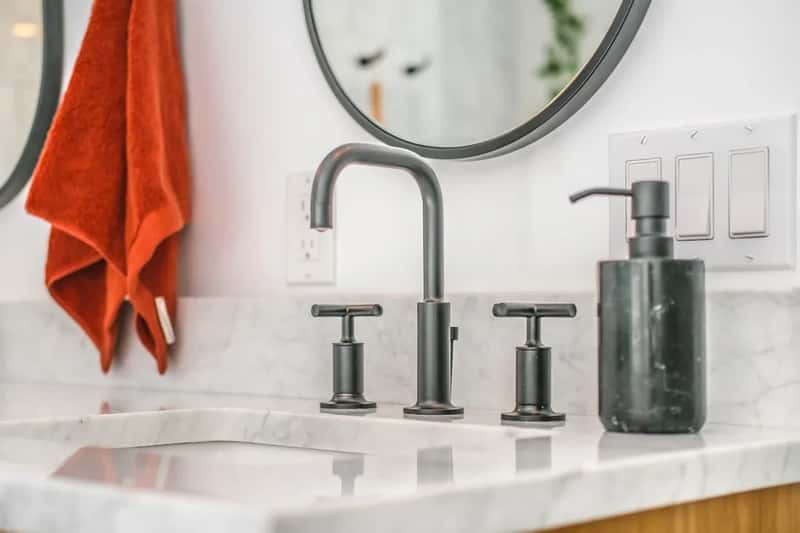
The bathroom sink might seem like the cleanest spot in the room since it’s associated with washing up, but the area around the faucet tells a different story. Hard surfaces that are frequently touched by multiple people provide good environments for microbes to collect, and sinks are prime locations for germs, as the crevices around a faucet are difficult to clean and can provide a moist environment that allows microbes to grow.[3] That combination of moisture and constant handling makes it an easy spot to overlook during a rushed cleaning pass.
Environmental health experts recommend treating high-touch bathroom fixtures the same way you would treat a remote or light switch. Reynolds recommends people disinfect surfaces before they spend a lot of time touching them, particularly if they’re going to eat off them or handle food nearby.[3] A quick wipe of the faucet handles when you first arrive takes only a moment and can spare you an unpleasant surprise later in your stay.
None of this means hotel rooms are unsafe or that a getaway should turn into a hygiene audit. Cleaning standards vary enormously between budget motels and luxury properties, and plenty of hotels do a genuinely thorough job. Still, a few small precautions, a pack of disinfectant wipes, a preference for disposable cups, and a willingness to fold back the bedspread, can go a long way toward making your stay both comfortable and worry-free.