
Disney World looks simple from the outside. You buy a ticket, show up, and ride things. In practice, a trip works more like a small logistics project, with prices that move by the day, reservation windows that open months ahead, and a few add-ons that can quietly double what you spend.
These are the eight lessons I’d pass along to anyone planning a first trip, or a first trip in a while. I’ve checked the figures against recent reporting from 2025 and 2026. Disney changes its policies and prices often, so confirm the final numbers on the official site before you book.
1. When You Go Matters More Than Almost Anything Else

The same park can feel like a different place depending on the week. Planning sites point to late August and September as some of the lightest stretches of the year, though the heat is real.[1] Early December, before the Christmas rush, is another favorite because the decorations are already up.[1]
On the other end, one crowd forecast calls New Year’s week, starting December 28, 2026, the busiest week of its forecast.[2] Even the quiet months come with a trade-off, since one calendar notes that August crowds are low but the heat is intense.[1] Crowd calendars are educated guesses, not guarantees. Disney Tourist Blog noted that summer 2026 didn’t follow the usual pattern, with the busiest dates landing in late May to early June and again from late July to early August.[3] If you have any flexibility, use it.
2. Ticket Prices Change by Date and by Park

Disney World uses date-based pricing, so a one-day ticket doesn’t cost one set amount. For 2026, one-park, one-day tickets run from $119 to $209 per person, depending on the date and park.[4] Magic Kingdom is always the most expensive park, and Animal Kingdom is always the cheapest.[5]
Weekends cost more too. Friday through Sunday tickets are routinely about $5 to $10 higher than nearby weekdays.[5] Kids under 3 are free.[6] Listed prices also don’t include the 6.5% sales tax.[4] Checking a few dates before you commit can save real money.
3. Dining Reservations Open Earlier Than You’d Think

This one surprises first-timers more than anything. Advance Dining Reservations can be made up to 60 days ahead through the My Disney Experience app or the Disney World website.[7] They open at 6:00 AM Eastern.[8] The most in-demand tables can vanish within minutes.[9]
Staying on property helps. Resort guests can book their entire vacation, for up to 10 days, starting 60 days before check-in.[9] Decide which park you’ll visit on which day before that window opens, since meals are hard to plan without knowing where you’ll be.[7] Cancellations do appear, so keep checking if you miss out.
4. Lightning Lane Isn’t a Magic Wand

Lightning Lane replaced the old Genie+ system, and it’s an extra cost on top of your ticket. Prices have hit new maximums across the board, and Multi Pass goes up to $45 at Magic Kingdom.[10] Multi Pass uses per-park, date-based pricing.[11] That means a quiet Tuesday in Animal Kingdom costs far less than a holiday at Magic Kingdom.
Multi Pass also doesn’t cover everything. It leaves out the most popular ride or two in each park, and those rides are sold separately as Single Pass attractions.[11] There’s a top tier as well. Lightning Lane Premier Pass rose from $449 to $499 in the October 2026 price update.[12] Think about whether you’d rather pay for skipping lines or put that money toward a better hotel or a nicer dinner.
5. Think Hard Before Paying for Park Hopper

It’s tempting to want all four parks in one day. Park Hopper lets you do that, but it costs extra. It typically runs about $80 more than a regular ticket.[13] Park Hopper Plus adds roughly $100.[13] The exact amounts vary by date and ticket length.
For a short trip, it’s often better to give each park its own day and enjoy it fully. Hopping makes more sense if you have several days and want to do one park in the morning and have dinner in another, such as at EPCOT. Think about your travel party too. Little kids tire out fast, and moving between parks eats up time. I’d decide this based on your pace, not on fear of missing out.
6. Florida Heat Is a Real Planning Factor
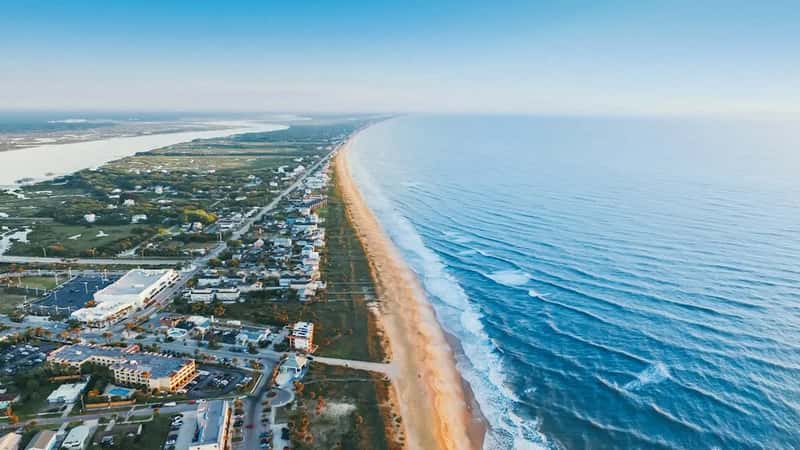
It’s easy to underestimate how hot Central Florida gets. One crowd calendar describes August as incredibly hot, and notes it may also be the least crowded month.[14] Cheaper tickets and shorter lines in late summer come with a cost to your comfort.
If you go in hot months, build in breaks. Go early, rest in air-conditioned attractions or your hotel around midday, and come back for the evening. That’s a general strategy, not a Disney rule, but it works. Bring a refillable water bottle and comfortable shoes. You’ll walk a lot, and a miserable afternoon can undo hours of careful planning.
7. Your Phone Is the Command Center
Disney runs much of the experience through the My Disney Experience app. Dining reservations, Lightning Lane purchases, and park information all flow through it. Special Enchanting Extras experiences drop at midnight Eastern, 60 days before your visit, and some sell out in minutes.[15] If you want one, be logged in and ready.
Set up your account well before the trip. Link your tickets, add everyone in your party, and learn the app’s layout at home instead of in a long line. Dining reservations sometimes start before park opening hours, and you can get into the parks early.[7] Keep your phone charged too. A portable battery pack is one of the cheapest things you can pack.
8. Prices Keep Climbing, So Budget Beyond the Ticket

Disney World has been raising prices steadily. The most recent increase hit theme park tickets, annual passes, and Lightning Lane services, with the peak one-day ticket now reaching $229.[12] That peak applies to Magic Kingdom on Christmas Day and New Year’s Eve in 2027, while the lowest ticket is $119 at Animal Kingdom in August 2027.[12]
For a family, the numbers add up fast. One analysis estimated that a family of four pays between $476 and $836 for a single day of admission, before parking, food, or souvenirs.[6] That range reflects the 2026 ticket prices of $119 to $209. Add tax, Lightning Lane, dining, and extras, and the real cost is much higher than the ticket suggests. Set a daily budget before you leave and decide which add-ons are worth it to you.
None of these lessons will make Disney World cheap or effortless, but they’ll keep you from the most common mistakes. Pick your dates carefully, book dining on time, be selective about add-ons, and plan for the weather and the walking. Do that, and you’ll spend your trip enjoying the parks instead of scrambling to fix things.
The best Disney trips are usually the ones where the planning is done before you arrive.