Most travelers barely glance at the little extras tucked into a hotel bathroom or desk drawer. A tiny bottle here, a sewing kit there, maybe a notepad with the hotel’s logo pressed into the corner. It’s easy to toss these things in the trash on checkout day without a second thought.
Yet several of these small, unglamorous items are quietly disappearing from hotel rooms altogether, thanks to new state laws, shifting hospitality trends, and cost-cutting decisions that started picking up speed in 2024 and 2025. What felt like clutter a few years ago is turning into something closer to a keepsake. Here are eight everyday hotel-room items that are becoming harder to find, and worth a second look before they hit the bin.
1. Miniature shampoo, conditioner, and lotion bottles
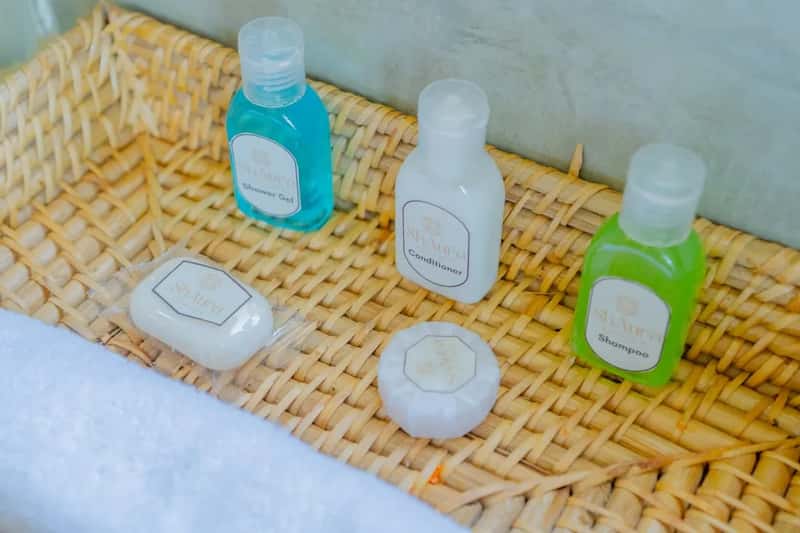
The little bottles lined up on the bathroom counter used to be the most forgettable part of any hotel stay. That’s changing fast. New York’s law restricting hotels from providing small plastic bottles containing less than 12 ounces of hospitality personal care products took effect on January 1, 2025[1], and the rule expanded to cover every hotel in the state, regardless of size, on January 1, 2026, as smaller properties came under the mandate too.
New York followed California, which had already banned the bottles for larger hotels starting in 2023. Illinois has also implemented the policy, prohibiting hotels with 50 rooms or more from providing plastic toiletry bottles containing less than six ounces since July 2025, with Washington State adopting a similar approach set to phase in starting in 2027[2]. Combine that with major chains voluntarily switching to wall-mounted dispensers, and those mini bottles are quickly becoming a relic of hotel stays from the 2010s and early 2020s.
2. Individually wrapped bar soap
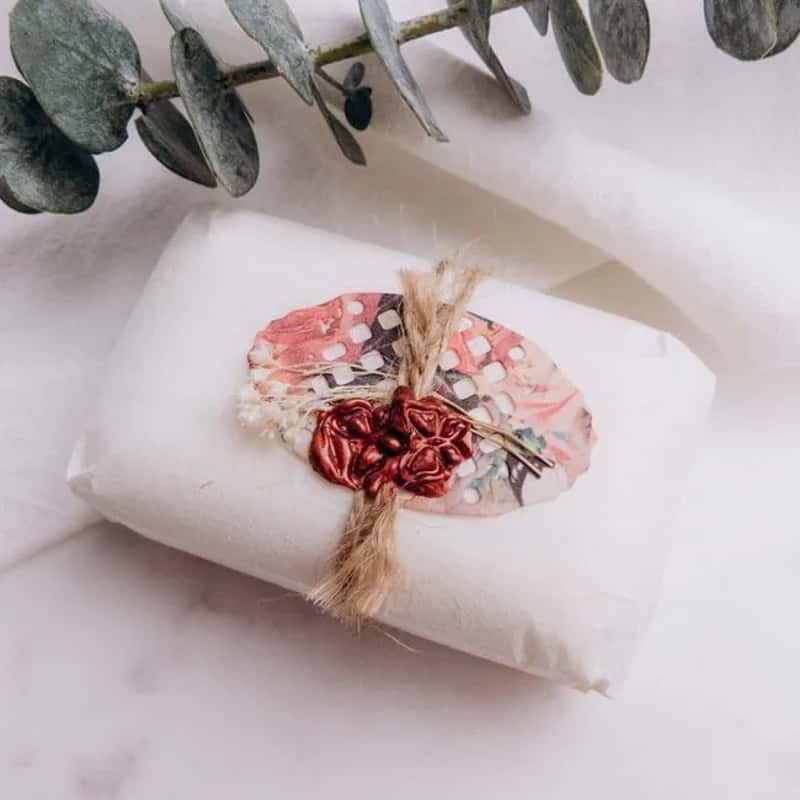
Small bars of soap wrapped in paper have been a hotel bathroom staple for generations, but the same environmental pressure reshaping shampoo bottles is now reaching soap too. Several major hotel groups have already swapped bar soap for bulk dispensers mounted in the shower, citing lower long-term costs and less plastic waste overall. Industry suppliers have noted that replacing individually packaged toiletries with dispensers can meaningfully cut a property’s total plastic waste output.
Not every hotel is on board with the switch, interestingly. Some boutique properties argue that a wrapped bar feels more residential and less clinical than a dispenser bolted to the tile, so bar soap hasn’t vanished entirely. Still, the broad direction is toward dispensers or solid shampoo and soap bars packaged in compostable wrap, which means the classic individually wrapped bar is becoming less common in mid-range and budget hotels especially.
3. The little sewing kit
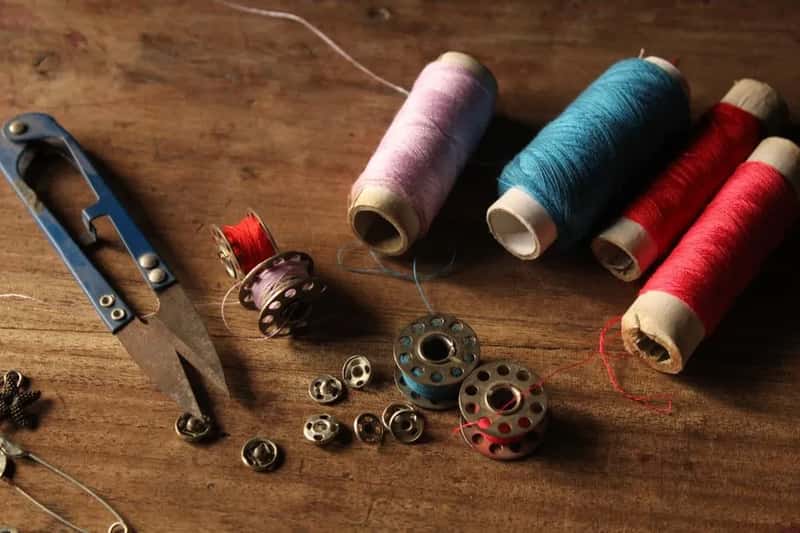
Tucked into a drawer or bathroom basket, the hotel sewing kit has always been one of those items nobody thinks about until a button pops off right before a meeting. These kits, usually a few colors of thread, a needle, and maybe a spare button, cost hotels very little to produce, but they’re increasingly getting cut from amenity budgets as properties trim non-essential extras to control costs. Many midscale chains have already phased them out in favor of a simple note directing guests to the front desk.
The kits that remain tend to show up mostly in independent hotels, historic properties, and upscale brands that lean into old-school hospitality touches. For travelers who’ve relied on one in a pinch, that’s a small but real loss. A five-minute wardrobe fix used to be free and immediate; now it often means a call downstairs and a short wait.
4. Disposable shower caps
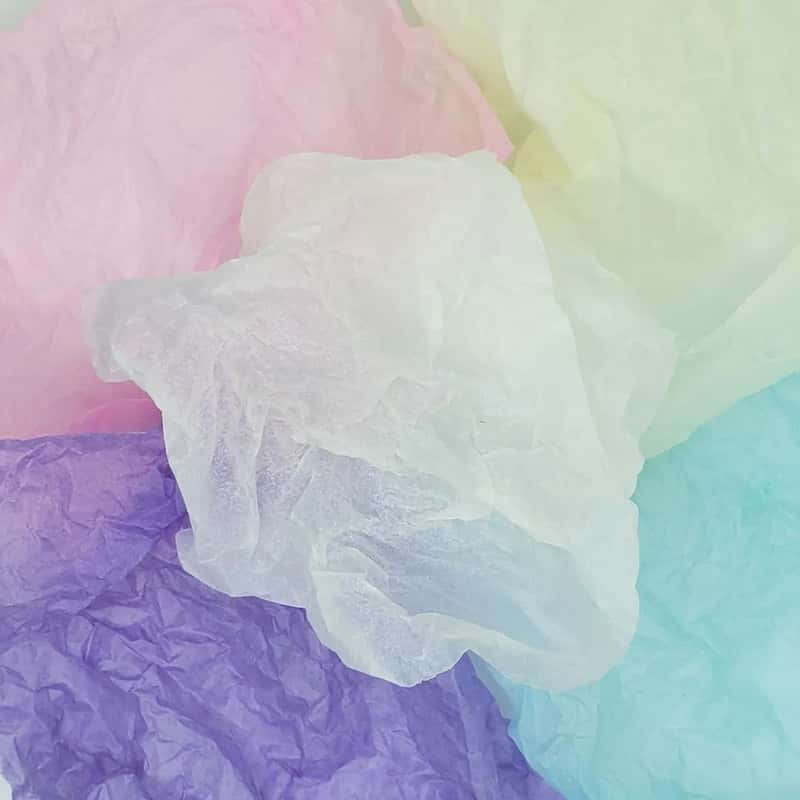
Shower caps rarely get used by most guests, which is exactly why they’re an easy target for cost-cutting. They’re inexpensive to produce but still represent one more single-use plastic item in a hotel room, and that combination makes them a natural casualty as properties respond to the same sustainability pressure hitting toiletry bottles. Several chains have already removed them from standard rooms, offering them only on request at the front desk.
For business travelers who use them regularly to protect a blowout or keep hair product from washing out overnight, the shift is a mild inconvenience rather than a crisis. Packing a reusable version has become a quiet habit among frequent travelers who’ve noticed the caps thinning out room by room. It’s a small adjustment, but it reflects a broader pattern of hotels rethinking every disposable item on the amenity tray.
5. Shoe shine kits and mitts
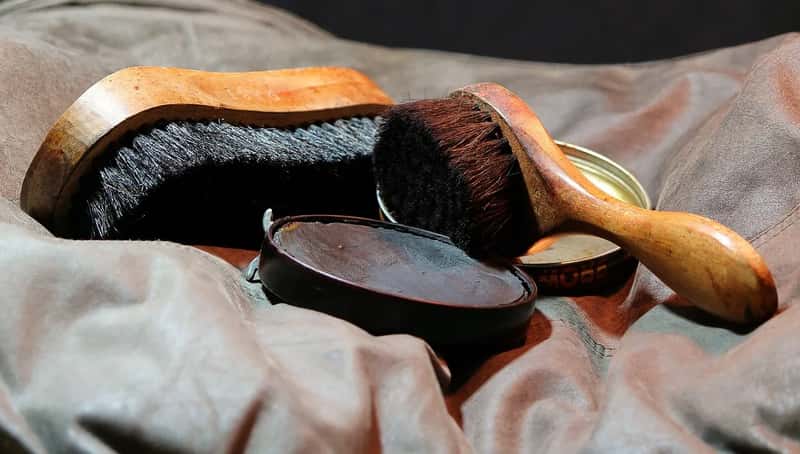
A little sponge or cloth mitt for buffing shoes used to be a near-universal fixture in business-class hotel rooms, especially in properties that catered heavily to corporate travelers. As remote work reshaped business travel patterns and formal dress codes relaxed across many industries, demand for this particular amenity quietly dropped, and hotels responded by pulling it from standard inventory. It’s now mostly found in upscale hotels and a handful of legacy business hotel brands that still cater to a more traditional traveler.
The kits themselves were never expensive, but they solved a very specific problem well: scuffed shoes before an important meeting, with no time to find a shoe shine stand. Guests who’ve gotten used to grabbing one without thinking are increasingly finding an empty drawer instead. It’s a small example of how hotel amenities track broader shifts in how and why people travel for work.
6. Branded notepads, pens, and stationery sets
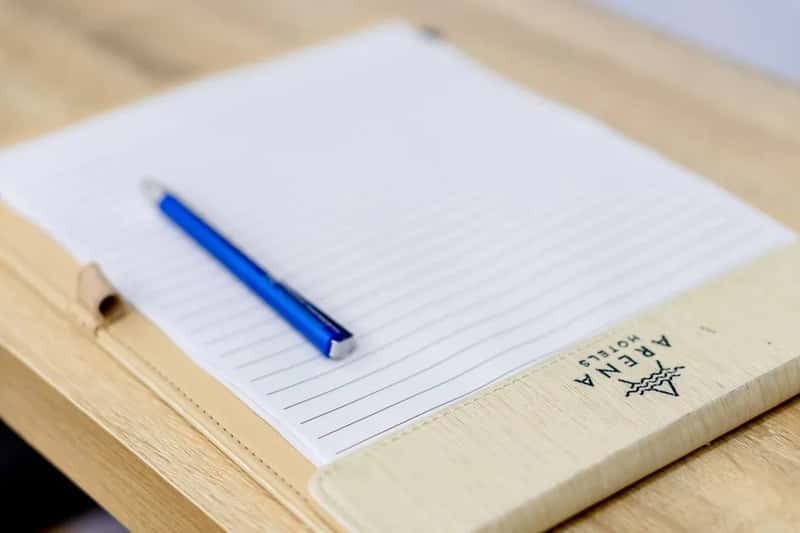
Hotel stationery, the little pad of paper with the property’s logo, a matching pen, sometimes a postcard, was once considered a basic expectation rather than a perk. In a world where nearly every guest carries a smartphone for notes and reminders, many hotels have quietly stopped restocking these sets, treating them as an unnecessary expense rather than a guest necessity. Some properties still offer a pen at the front desk on request, but the days of a fully stocked stationery drawer in every room are fading in mid-range and economy hotels.
Upscale and boutique hotels have taken a different approach, often turning stationery into a design feature rather than cutting it. Thick paper stock, a nice pen, and a handwritten welcome note have become a way for luxury properties to differentiate themselves precisely because so many competitors have dropped the amenity altogether. For travelers who like jotting down flight details or a quick to-do list by hand, it pays to check what’s actually in the drawer before assuming it’s there.
7. Laundry and dry-cleaning bags
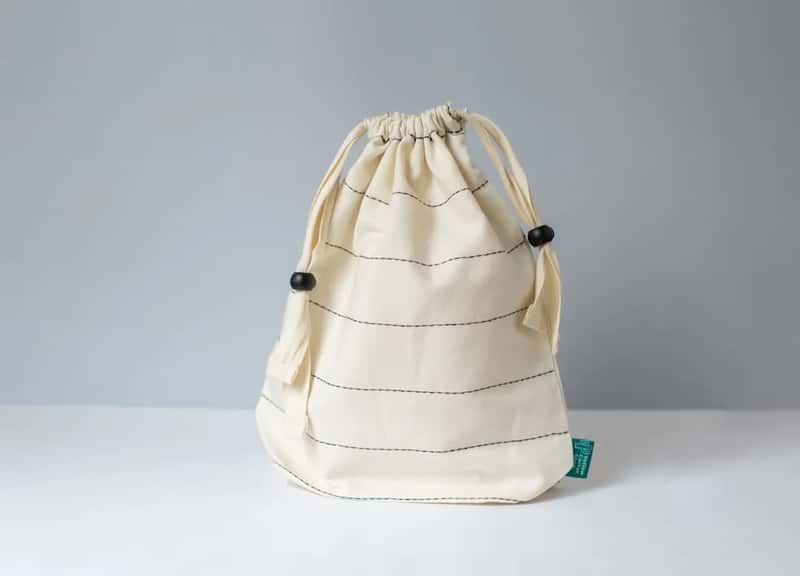
The thin plastic or paper bags meant for sending clothes out for cleaning have been disappearing from closets and drawers for a few years now, largely tied to the same plastic reduction rules affecting toiletries and shower caps. Since many of these bags were made of thin plastic film, they fall under the same category of unnecessary single-use packaging that state regulations and hotel sustainability pledges have targeted. Hotels that still offer laundry service have shifted toward reusable canvas bags or simply ask guests to leave items in a labeled pile.
For guests who traveled with an eye toward using that bag for something else entirely, packing dirty shoes separately, protecting a wet swimsuit, or organizing loose items in a suitcase, the disappearance is a minor but noticeable change. It’s one of those items nobody misses until they need one and it’s not there. The workaround is usually a request to housekeeping, though not every property keeps a stock on hand anymore.
8. Disposable slippers
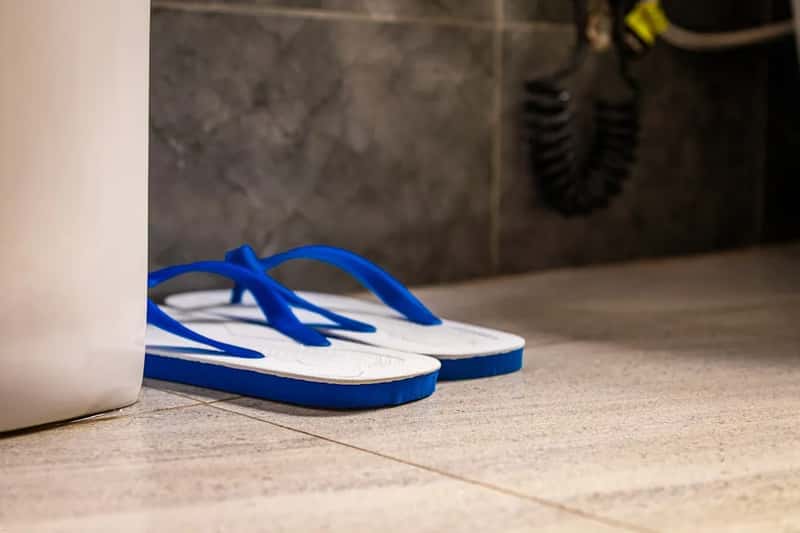
Thin foam or fabric slippers, often left folded on the bed or tucked into a closet shelf, were once a near-automatic amenity in mid-range and upscale hotels alike. As single-use plastic and packaging rules tighten across more states, and as hotels weigh amenity costs against occupancy pressures, slippers have become one of the items quietly trimmed from standard rooms in many chains. They tend to survive longest in spa hotels, resorts, and properties in colder climates where guests specifically expect them.
Frequent travelers who used to grab a spare pair for the plane or gym have started noticing the gap when a hotel simply doesn’t offer them anymore. Some properties have shifted to reusable slippers available only on request, partly to control costs and partly to reduce the volume of single-use textile waste generated across a large room inventory. It’s a small comfort item, but its slow disappearance says a lot about how hotels are rebalancing guest expectations against sustainability commitments.