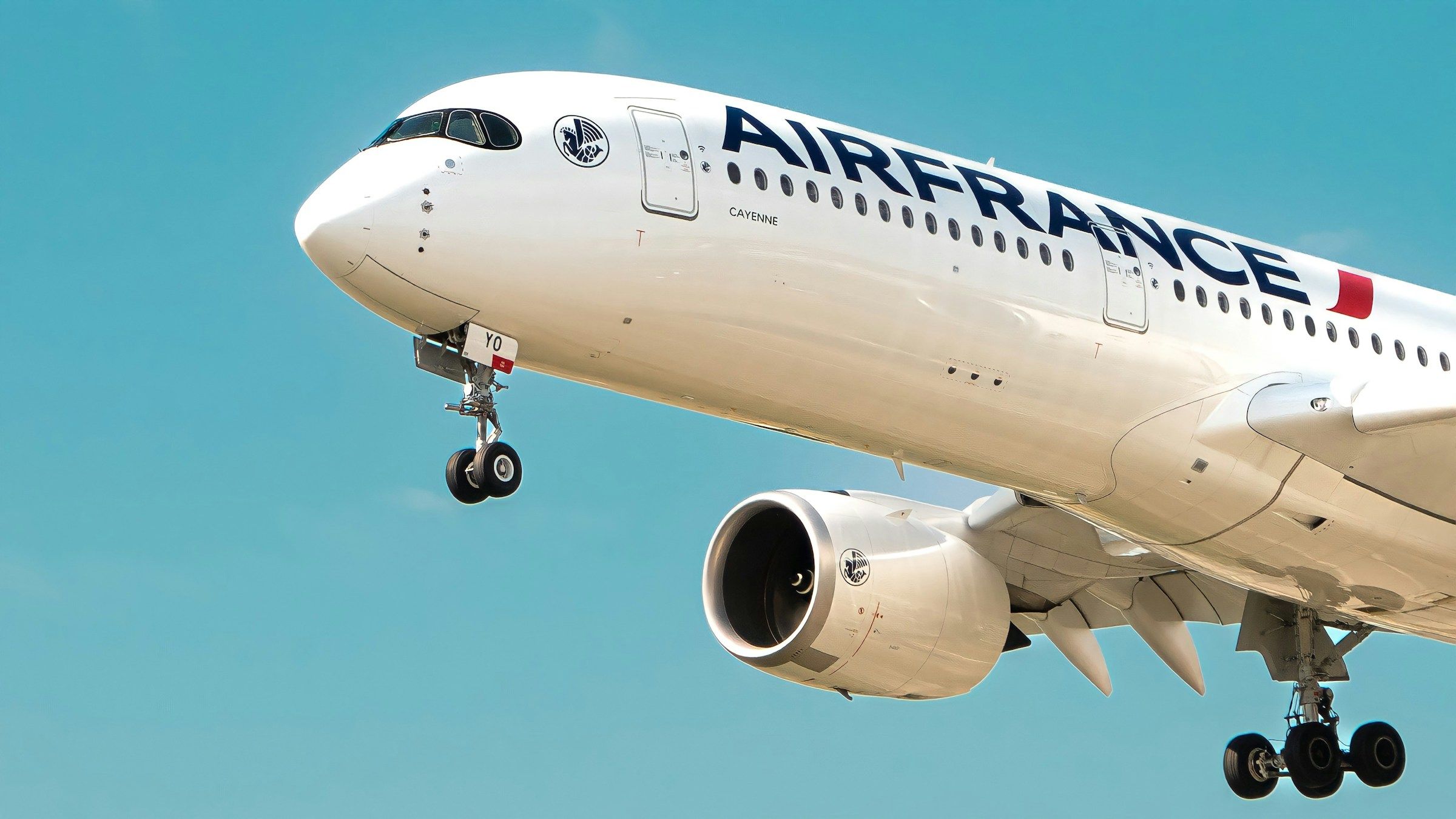
Long-haul flights ask a lot of the human body, and most of what passengers feel during those ten, twelve, or fifteen hours in the air has very little to do with the airline and everything to do with basic physics and physiology. Pilots see this play out every single trip, from the moment boarding starts to the final approach at a destination halfway around the world. Understanding a few realities about how the cabin actually works can turn a miserable long-haul slog into something far more manageable.
None of this is folklore or airline marketing. It is grounded in how pressurized cabins behave, how the human body reacts to altitude and dry air, and how flight crews are legally required to operate. Here are eight things pilots genuinely wish more passengers understood before settling in for a long-haul flight.
1. Turbulence Is Normal, and the Seatbelt Sign Is Not a Suggestion
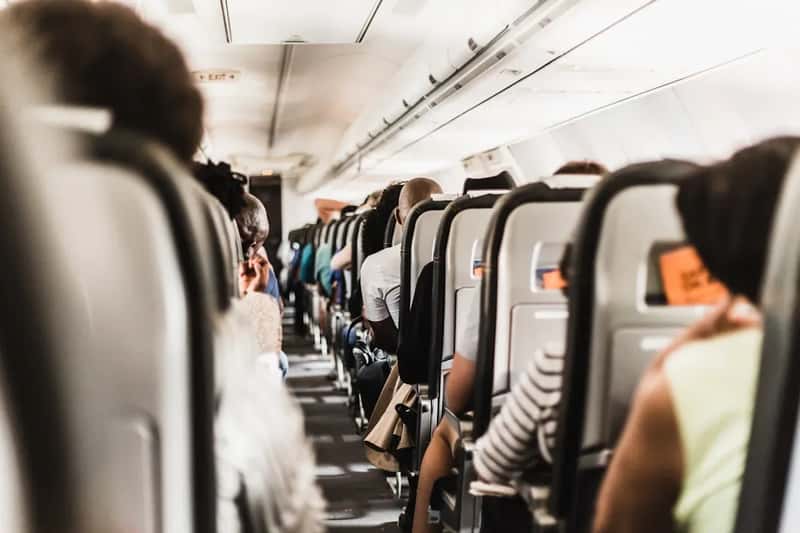
Turbulence unsettles passengers far more than it unsettles pilots, who see it as a routine part of flying rather than a sign that something has gone wrong. Pilots consistently point out that even a smooth flight can hit unexpected air pockets without warning, which is exactly why the seatbelt matters even when the sign is off. Pilots often recommend keeping the seatbelt on during flight, even when the sign is off, because even a smooth flight can hit air pockets, and the belt keeps passengers safe in their seat.[1]
The danger isn’t the turbulence itself so much as being unbuckled when it hits. On a long-haul flight, passengers spend far more hours cruising than climbing or descending, which is precisely when clear-air turbulence tends to strike without any visible warning on radar. Keeping that belt loosely fastened whenever seated, rather than only during the announced moments, is one of the simplest habits pilots wish every passenger would adopt.
2. The Cabin Air Is Drier Than Any Desert You’ve Visited
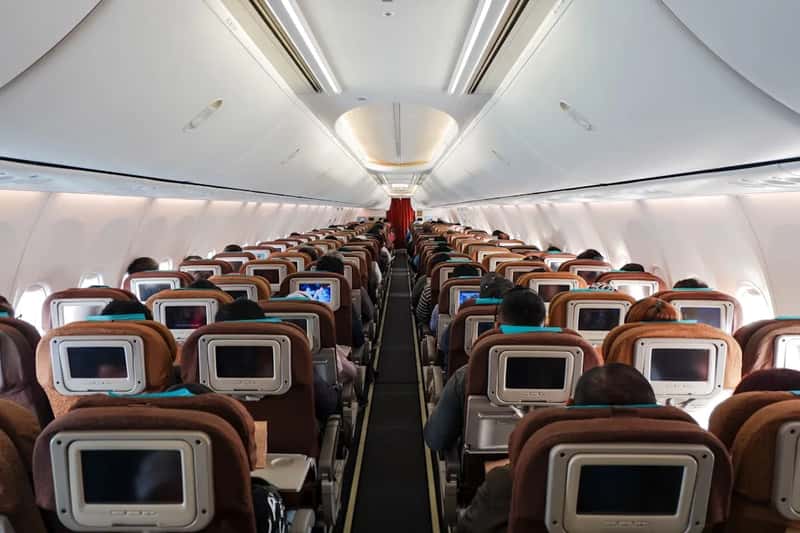
Most passengers blame stuffy air for their scratchy throat and tired eyes on a long flight, but the real culprit is humidity, or the near total lack of it. Long haul flights with drops in humidity to 5% and even lower are a matter of particular concern[2], a level far below what any desert climate typically produces. That dryness doesn’t just feel uncomfortable; it dehydrates passengers and crew, including the sinuses and mucous membranes, which play a crucial role in protecting against airborne diseases such as colds.[3]
Newer aircraft have improved this somewhat. Older aircraft cabin humidity averages around 5 to 8 percent, while the Boeing 787 raises this to 15 to 20 percent, meaningfully reducing dehydration on overnight intercontinental flights.[4] Still, even on the newest jets, the air is drier than almost anything passengers experience on the ground. Pilots recommend steady water intake throughout the flight rather than waiting until thirst kicks in, since by then the dehydration has already taken hold.
3. Cabin Pressure Changes How Your Body Feels, Not Just How You Breathe
Passengers often assume the cabin is pressurized to sea level, but that isn’t how it works. Commercial aircraft maintain a cabin altitude of roughly 6,000 to 8,000 feet even while cruising above 35,000 feet, keeping passengers breathing normally throughout the flight.[4] That’s still a meaningful drop in oxygen availability compared to being on the ground, and it adds up over a long sector. Lower oxygen partial pressure, combined with cabin humidity that can fall below 10 percent, accelerates dehydration, increases fatigue, and amplifies existing sinus pressure or headaches, with effects that build over time and hit hardest on flights longer than five hours.[4]
This is part of why a twelve-hour flight leaves people feeling far more drained than twelve hours spent working at a desk. It isn’t just boredom or bad sleep causing that fog on arrival; it’s a genuine physiological response to reduced oxygen saturation over many hours. Newer wide-body aircraft such as the Airbus A350 and Boeing 787 are designed to maintain lower cabin altitudes specifically to ease this burden, and travelers booking long routes can sometimes choose these aircraft types for a noticeably less draining experience.
4. Delays Are Often Dictated by Rules Pilots Don’t Control
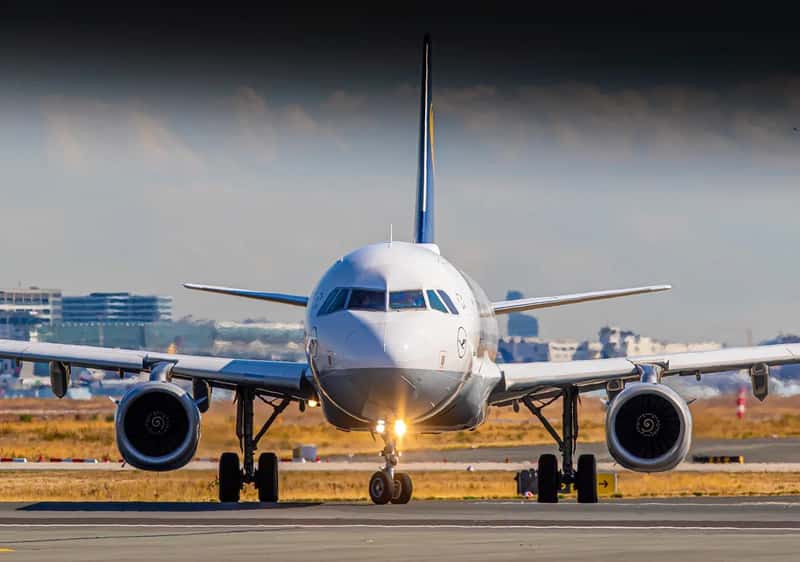
Few things frustrate passengers more than sitting on a delayed aircraft, and pilots understand that frustration completely because they share it. What passengers don’t always realize is how tightly regulated crew duty time actually is. A bad storm at either end of the journey can cause delays, and that can affect the crew too, because regulators limit how many hours and legs a crew can fly.[1]
Once that legal limit is reached, there is no workaround, no matter how close the aircraft is to departure. If the delay goes on too long, the crew can’t legally fly and a new crew has to be arranged, and if the aircraft isn’t at a crew base, even more delays can occur.[1] This is why a seemingly short weather delay somewhere else in the world can occasionally cascade into a much longer wait at the gate. The crew isn’t dragging its feet; they are bound by safety rules that exist precisely so tired pilots don’t fly.
5. Getting Up to Move Really Does Matter for Circulation
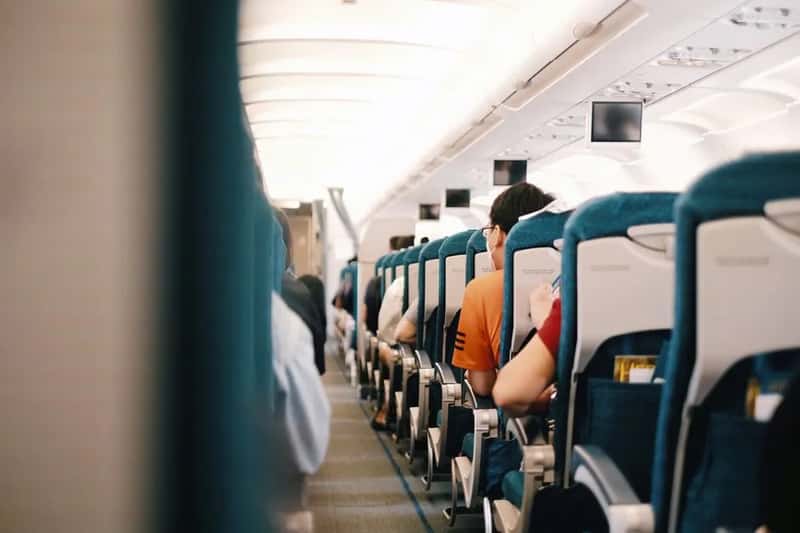
Sitting still for eight, ten, or fourteen hours puts a real strain on circulation, and pilots notice how often passengers stay glued to their seats out of habit or a fear of disturbing their row. The clinical picture on blood clot risk is more nuanced than headlines suggest, but the evidence still supports moving. For most people the absolute risk remains low, at less than one event for every 5,000 flights, according to a study of international corporate employees, though long-haul flights roughly triple travellers’ baseline risk of a symptomatic venous thrombosis.[5]
That risk climbs specifically with time in one position, not simply with distance flown. Sitting still for four or more hours during a flight can slow down blood flow in the legs substantially, creating conditions where dangerous clots might form.[6] Simple, low-effort habits address most of this risk. Getting up and walking up the aisle occasionally, along with bending and straightening the ankles and knees from time to time, can lower the risk a little.[7] Pilots aren’t exaggerating when they encourage a walk to the galley every couple of hours; it genuinely helps, especially for anyone with existing risk factors.
6. Jet Lag Hits Harder Flying East Than West

Passengers often expect jet lag to scale simply with the number of time zones crossed, but direction matters just as much as distance. For most people, jet lag is worse going east, because about 75 percent of people have an internal circadian clock that runs slightly longer than 24 hours, so delaying it by traveling west feels natural while advancing it by traveling east fights biology.[8] This is a well-documented pattern, not a myth passed around in airport lounges.
The practical difference shows up almost immediately after landing. For most people, eastward travel is harder, and studies of long-haul travellers consistently show that eastward trips require more days to full adaptation and produce more subjective symptoms in the first 48 hours.[9] Interestingly, this east-west gap narrows on the longest hauls. The severity gap narrows for very long crossings, and when travelers cross more than nine or ten time zones, direction matters less since the body is so far out of sync that both directions require substantial recovery.[9] Knowing this in advance can help travelers set realistic expectations rather than assuming something is wrong with their sleep schedule.
7. Early Boarding and Settling In Quickly Helps Everyone
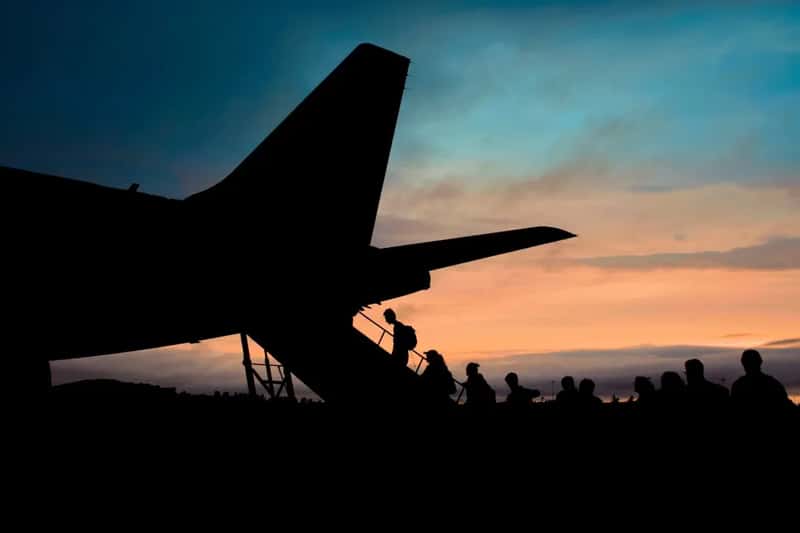
Pilots and gate crews notice immediately when boarding drags, and long-haul flights are especially sensitive to this because there is so much cabin service, meal planning, and safety preparation happening on a tight schedule before doors close. Checking in and boarding promptly, rather than arriving at the gate at the last possible minute, gives the crew the buffer they need to sort out any last-minute seating or catering issues without pushing back the departure time. This is doubly true for long-haul routes where a delayed pushback can mean missed slots at busy international airports, adding hours rather than minutes to an already long day.
Choosing a seat ahead of time also matters more than people realize on longer sectors. Whether a passenger finds a window seat best for sleeping, prefers an aisle for ease of reaching the bathroom, or wants to sit over the wing, they’ll only get the seat they want by checking in ahead of time.[10] A little planning before departure day pays off in comfort during the many hours that follow, and it quietly makes the crew’s job easier too.
8. Following Crew Instructions Immediately Isn’t Just Politeness
When a flight attendant or pilot gives an instruction, whether it’s about stowing a bag, fastening a seatbelt, or putting away a device during turbulence, there is almost always a specific safety reason behind it, even if it isn’t explained in the moment. Crews don’t have time during a sudden bump or a rushed descent to justify every request, so pilots wish passengers would treat these instructions as immediate rather than optional. This becomes especially important on long-haul flights, where fatigue can make passengers slower to react or more inclined to argue about a request they find inconvenient.
The same goes for staying seated with a belt on during unexpected rough air, even mid-service, since drink carts and hot beverages become genuine hazards the moment a flight destabilizes. Pilots aren’t trying to inconvenience anyone with these rules; they are managing a cabin full of people at altitude where margins for error are much smaller than they appear from a passenger seat. A little trust in the crew’s judgment, especially on the long overnight legs when everyone is tired, goes a long way toward keeping a flight both smooth and safe.
None of these eight realities require special gear or insider knowledge, just a little awareness of what is actually happening inside that metal tube for ten or more hours. The physics of altitude, the biology of jet lag, and the practical limits of crew scheduling are not going away, but understanding them turns a long-haul flight from something to merely endure into something a passenger can actually manage well. The next long-haul trip will feel different once these small truths are in the back of your mind, from the moment you buckle up to the moment you step off, adjusted, hydrated, and a little less blindsided by how your body reacts along the way.