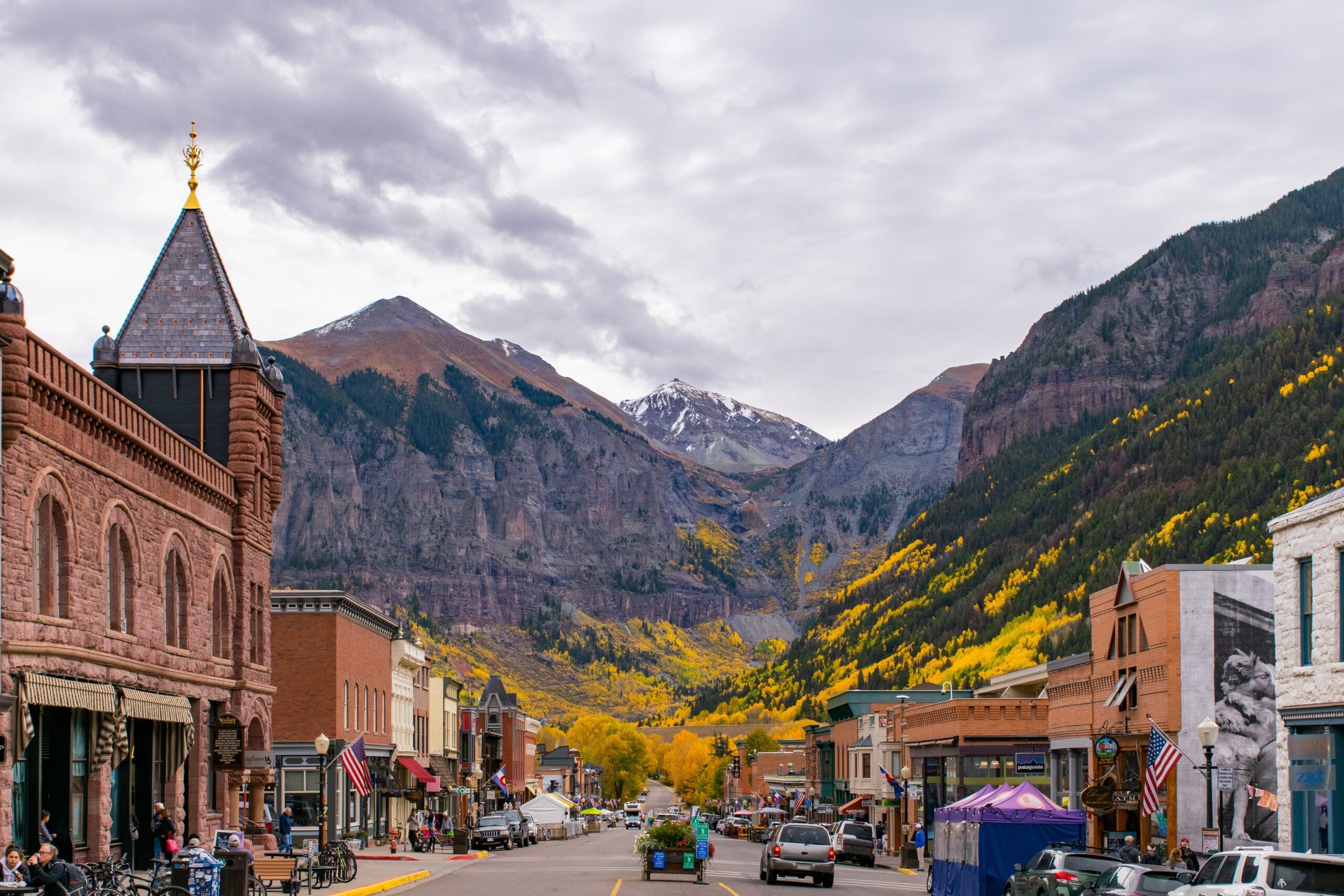
Plenty of places look good in a photo. Fewer hold up once you’ve parked the car, walked the main street, and realized you’ve lost track of the afternoon.
The towns below span the Rockies, the Northeast, the northern Montana corridor, and the Southern Appalachians. Each pairs real mountain scenery with a downtown worth lingering in, and each has recent facts behind it.
Telluride, Colorado
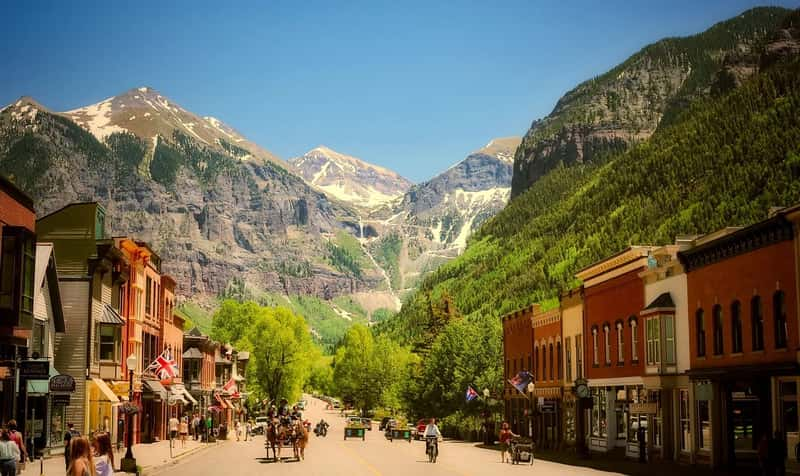
Telluride sits in a box canyon in the San Juan Mountains, and its former mining town core has preserved Victorian era buildings and is a National Historic Landmark District[1]. The town’s best trick is its connection to Mountain Village. The gondola between them opened in 1996 and is the first and only free public transportation of its kind in the United States.[1]
The ride takes about 12 minutes[2] and runs until midnight[2]. For this year, summer service runs May 21 to October 25, and winter service picks up on November 20, 2026, running to April 4, 2027[2]. Snow isn’t guaranteed, either. Last season, the resort pushed its opening to December 6 because of unseasonably warm and dry weather[3].
Stowe, Vermont
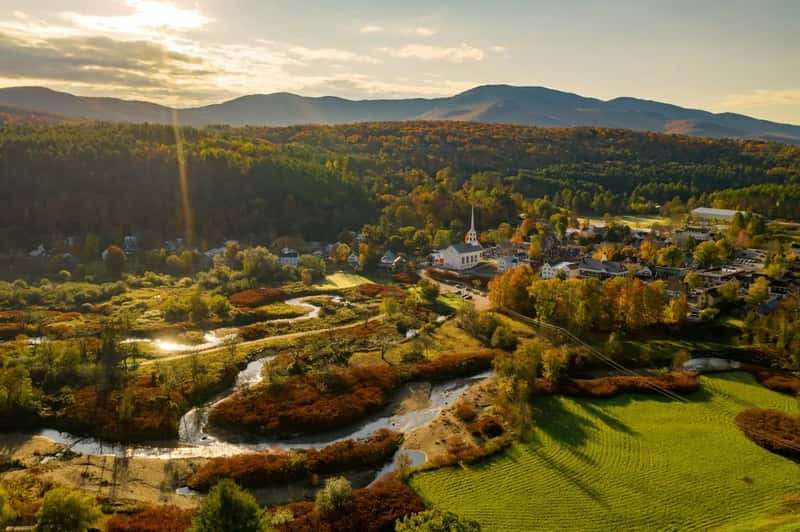
Stowe is the Northeast’s classic ski town, set below Mount Mansfield. At 4,395 feet, it’s Vermont’s highest peak.[4] In summer, hikers can follow the Long Trail to the Chin, and a 4.5 mile toll road climbs toward the ridgeline for anyone who’d rather save their legs[5].
Winter here can be remarkable. On March 2, 2025, the snow stake on Mount Mansfield reached 103 inches, the third highest reading since it was set up in 1954.[6] The next season started strong too, with the resort opening on November 21, 2025[7] and more than 50 trails covering over 20 miles on day one[8]. Stowe has been part of the Epic Pass network since Vail Resorts bought it in 2017.[9]
Whitefish, Montana
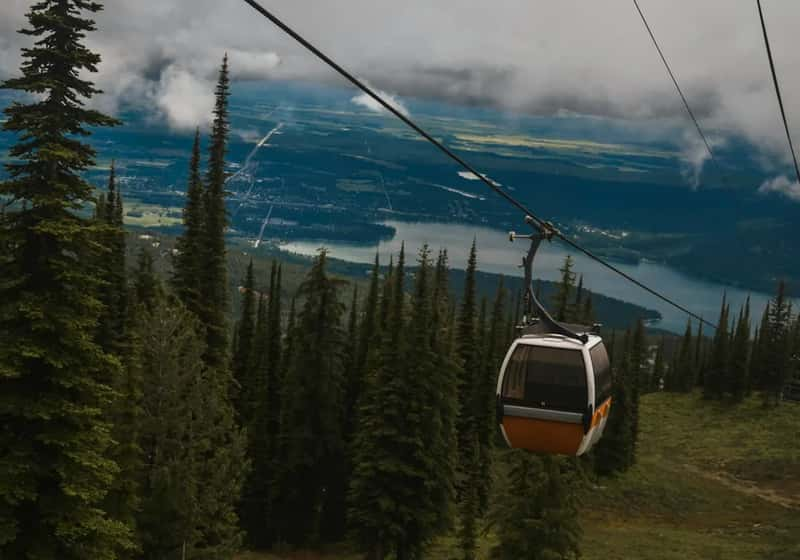
Whitefish is small, with a permanent population of roughly 8,500 at an elevation of 3,036 feet[10]. Even so, National Geographic has named it one of the Top 25 Ski Towns in the World[11]. It sits on a lake at the foot of Big Mountain, so you can ski in January and paddle in July without changing towns.
Glacier National Park is the other draw. The west entrance at Apgar is about 25 miles away, a drive of roughly 30 to 40 minutes[12]. The park drew 3,136,557 visitors in 2025[13], so staying in town gives you somewhere to retreat when the trailheads get busy. The historic depot downtown is still served daily by Amtrak’s Empire Builder[14].
Asheville, North Carolina
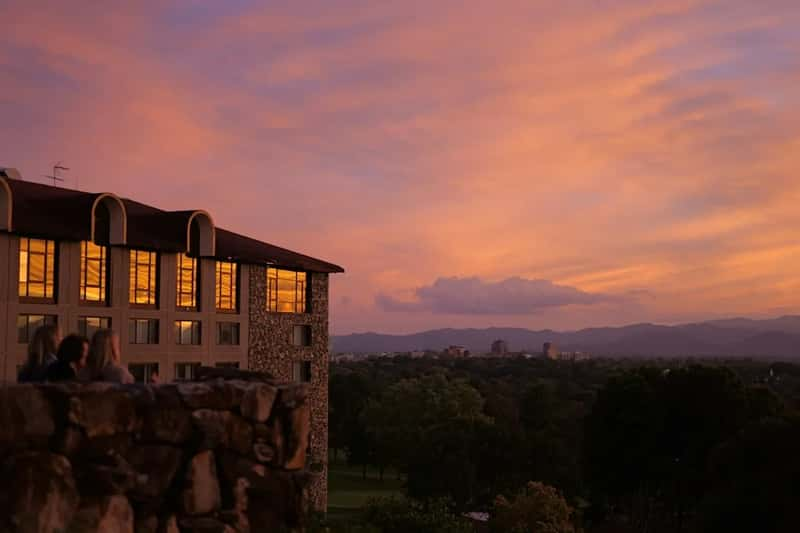
Asheville is the Southern Appalachians’ answer to the Rocky Mountain resort town, with less altitude and more culture. It blends Blue Ridge Mountain scenery with one of the South’s most vibrant food and craft beer scenes.[15] The Blue Ridge Parkway and the Biltmore Estate are both close by.
It’s also a town that’s been through a lot recently. The Points Guy named it one of its top picks for travel in 2026, saying it was reinvigorated after devastating storms in the fall of 2024.[15] If you go, spend money locally. Restaurants, breweries, and small shops are a big part of how the area keeps recovering.
Breckenridge, Colorado
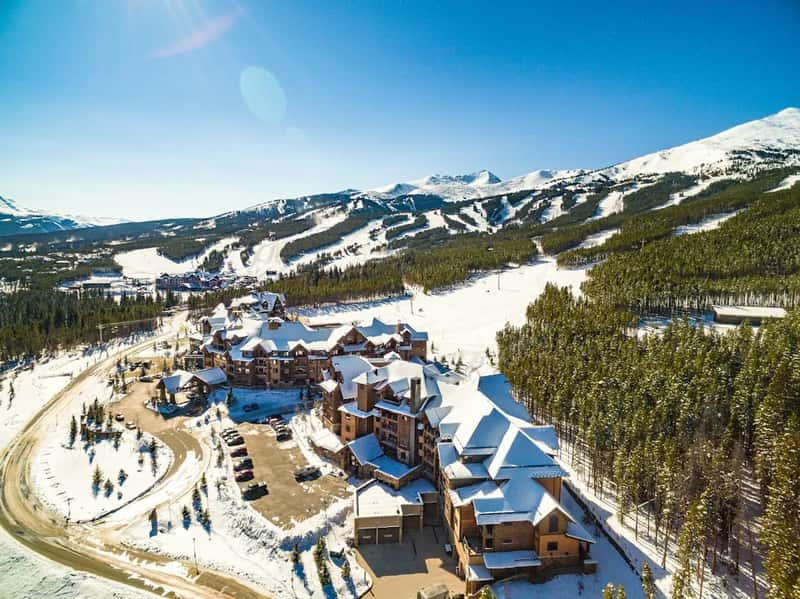
Breckenridge is an easy one to reach. It’s about 80 miles southwest of Denver[16], and U.S. News ranked it second on its 2026 list of best mountain towns[16]. Its Main Street still has the look of the Colorado gold rush era, and it’s one of the better walking towns in the state.
Getting to the slopes doesn’t cost a thing. The BreckConnect gondola is one of Colorado’s two free gondolas[17], and it leads to the base of Peak 8, where the summer Epic Discovery park is located[17]. That makes it a fair choice for families, since you can park once and skip the shuttle.
Jackson, Wyoming
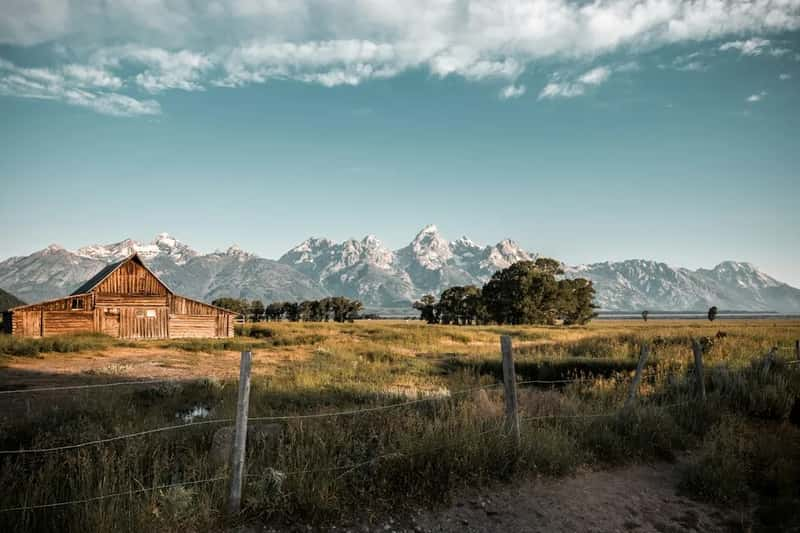
Jackson is the base camp for two of America’s most famous parks. The town puts visitors in a perfect location to explore Grand Teton National Park and Yellowstone National Park.[16] The Tetons rise abruptly behind it, which gives the town one of the most dramatic backdrops in the country.
U.S. News placed Jackson Hole fourth on its 2026 ranking[16], and it also made the magazine’s best for hiking and national park access group. The downtown square, with its famous elk antler arches, keeps a western feel despite the upscale shops. Winter brings skiing at nearby Jackson Hole, while summer is for trails and wildlife.
Ouray, Colorado
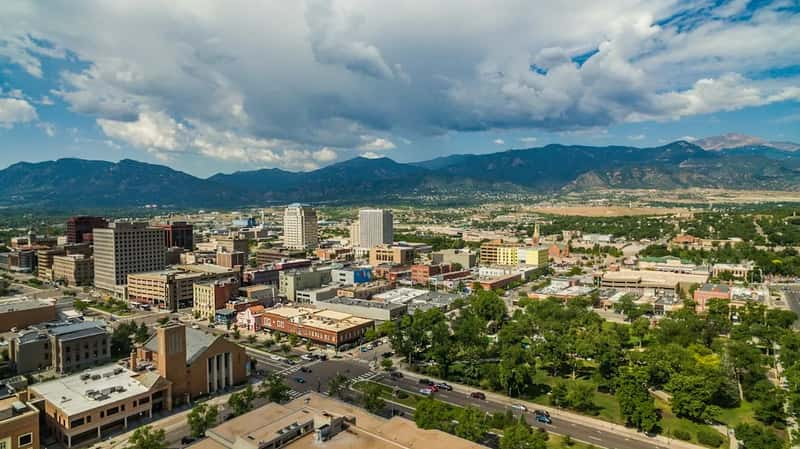
Ouray is tucked into the San Juans at 7,792 feet, inside a natural amphitheater of towering peaks[18]. It’s often called the Switzerland of America, and the Victorian mining town has preserved its 1880s architecture[18]. Hot springs are part of the draw, which suits a day of hiking or jeep touring.
The region is getting more attention. The San Juan Mountains were one of two U.S. destinations on American Express’s 2026 trending travel list.[19] That list is driven mostly by member bookings and insights from Amex’s own travel consultants[19], which means it reflects where people are actually heading. Expect busier summer weekends than you might guess for a town this size.
Estes Park, Colorado
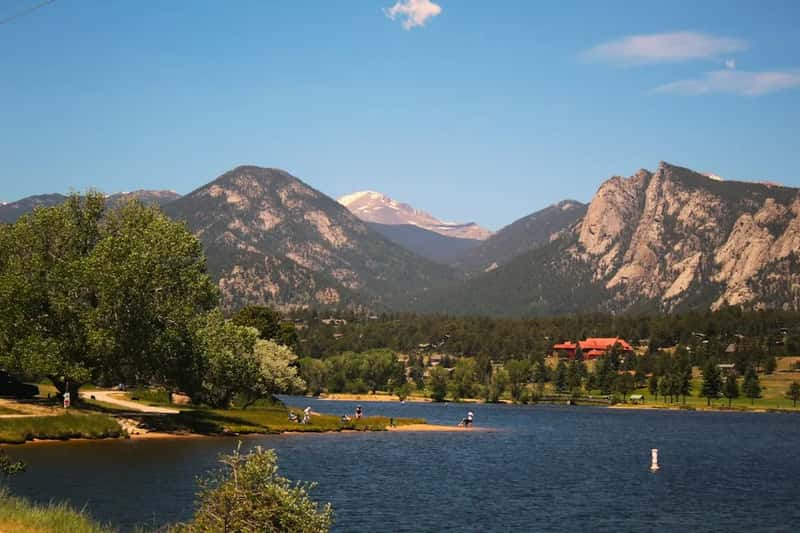
Estes Park is the front door to Rocky Mountain National Park. It serves as the park’s eastern entrance[18], and the town balances tourist amenities with genuine mountain town character[18]. The Stanley Hotel, which inspired Stephen King’s The Shining, is its best known landmark.
Fall is when many people visit, partly because elk wander through town during the rut. Estes Park also shows up on lists of scenic mountain towns that are more affordable than the big name resorts[20]. Staying here and driving into the park each morning usually costs less than a night in Aspen or Vail.