Every summer, millions of Americans chase the same postcard views: a red rock arch at sunrise, a geyser erupting on schedule, a canyon rim stretching to the horizon. The problem is that everyone else had the same idea. Across the park system, rangers are now managing traffic jams and full parking lots as routinely as they manage trail maintenance, and the numbers behind that shift are worth a closer look.
1. Great Smoky Mountains National Park
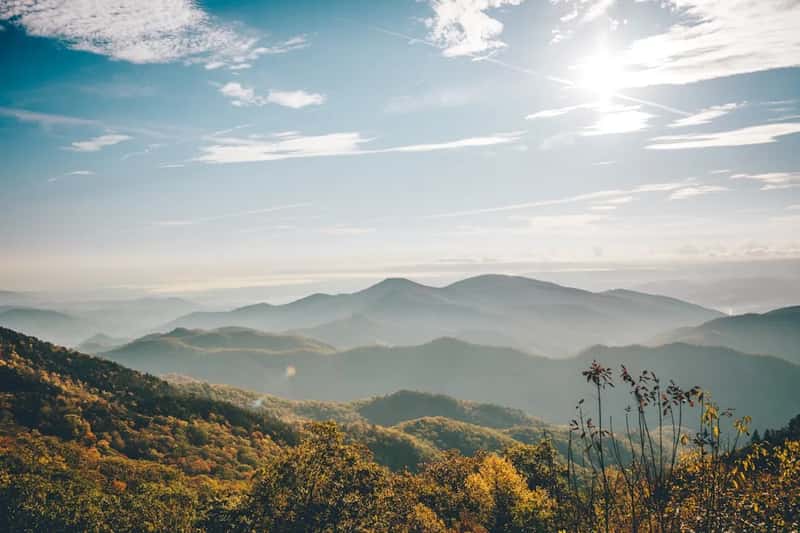
Great Smoky Mountains has held the title of most visited national park for decades, and 2025 was no exception. The park logged 11,527,939 visitors in 2025[1], a figure that towers over every other unit in the system. Its location within a day’s drive of most of the eastern United States means it absorbs crowds that other remote parks never see.
It lies within a day’s drive of more than half the U.S. population, and providing a high-quality visitor experience has grown more challenging due to increasing visitation which has resulted in congested roadways, overflowing parking lots, roadside soil erosion, vegetation trampling, and long lines at restroom and visitor center facilities.[2] Recent reporting has also flagged a more pressing concern: heavy vehicle traffic in the Great Smoky Mountains led to safety concerns about pedestrian-car accidents and congestion on and off trails.[3] Unlike parks out west, Smokies has no entrance fee and no reservation system, which keeps access simple but does nothing to spread out demand.
2. Zion National Park
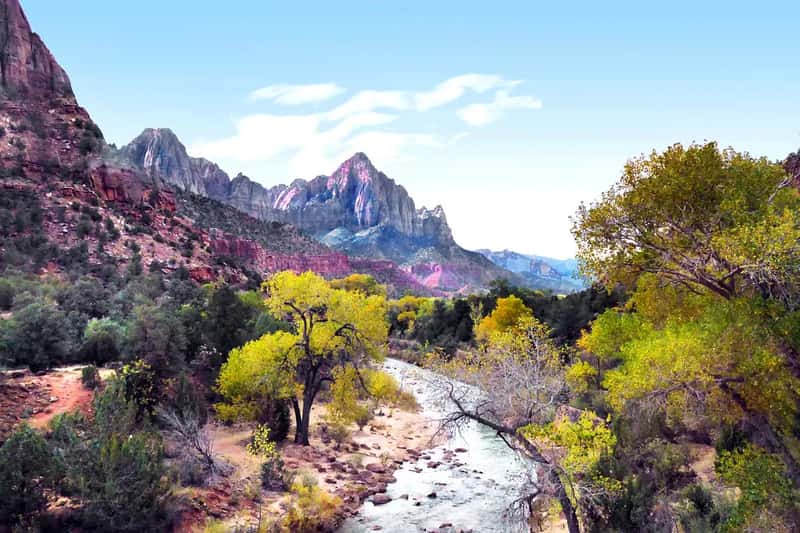
Zion sits second on the most visited list, and its numbers keep climbing. The park drew 4,984,525 visitors in 2025[1], edging closer to the five million mark it first crossed in 2021. The canyon’s narrow footprint makes that volume feel even more intense than the raw figures suggest.
Zion has leaned on transportation rather than entry caps to manage the crush. March through November, guests are not allowed to drive their private vehicles through Zion Canyon, the main attraction in Zion National Park.[4] Even with shuttles running every few minutes, officials warn that parking fills early year-round at the park, so anyone visiting with a private vehicle should be prepared for traffic.[5] Park leadership has so far resisted calls for timed entry, betting that the shuttle system alone can keep the canyon functional.
3. Yellowstone National Park
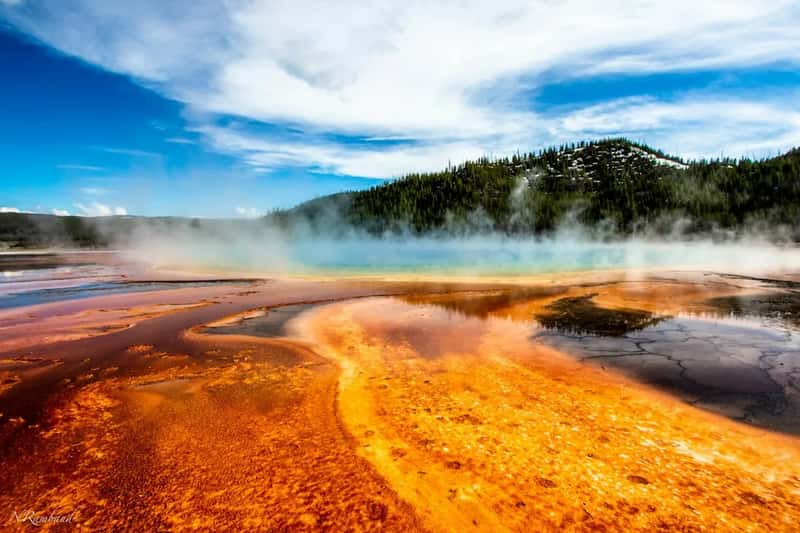
Yellowstone remains one of the most recognizable names in the park system, and its 2025 attendance kept it firmly in the top tier. The park recorded 4,762,988 visitors in 2025[1], part of a rankings shuffle that saw it swap places with Grand Canyon. Wildlife jams along the road, where cars stop en masse to watch bison or bears, add a layer of congestion that other parks simply don’t deal with.
The strain isn’t limited to roads and pullouts. Once unimaginable visitor numbers are straining wastewater systems in Yellowstone[3], a sign that infrastructure built for a smaller era is being pushed toward its limits. Geothermal boardwalks and iconic overlooks like Old Faithful now see foot traffic that rivals urban tourist sites, concentrated into a narrow summer window when weather allows full park access.
4. Grand Canyon National Park
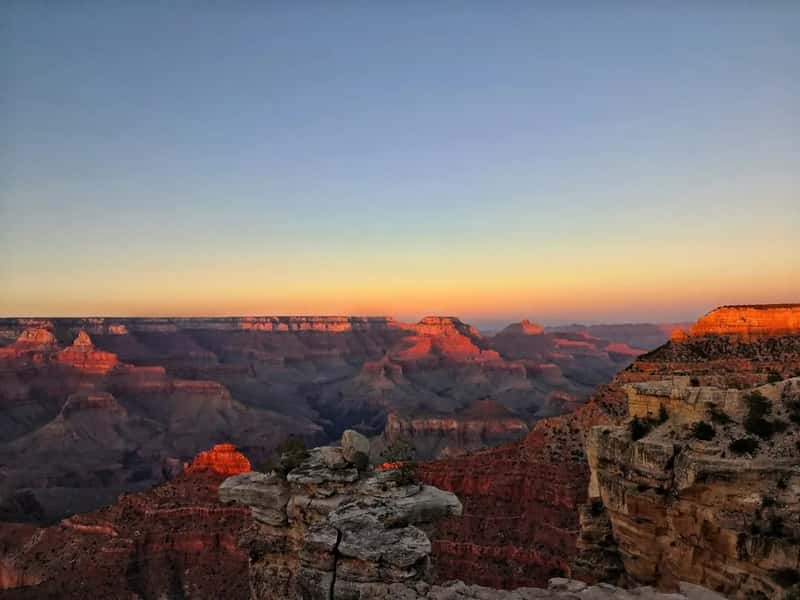
Grand Canyon has long been a fixture near the top of the visitation charts, though 2025 brought an unusual complication. The park welcomed 4,430,653 visitors in 2025[1], and its ranking shifted after the Dragon Bravo fire last summer destroyed the historic Grand Canyon Lodge and forced closures.[6] Even with reduced capacity on parts of the North Rim, the South Rim continued to pull in dense crowds.
The economic weight of that traffic is substantial for the surrounding region. Visitor spending tied to the park runs an estimated $905 million annually[3], money that flows into nearby towns but also fuels the pressure to keep visitor numbers high even as facilities strain. Rim-side overlooks, shuttle stops, and the narrow corridor trails into the canyon all see bottlenecks during peak hours, particularly in the spring and fall shoulder seasons that have become nearly as busy as summer.
5. Yosemite National Park
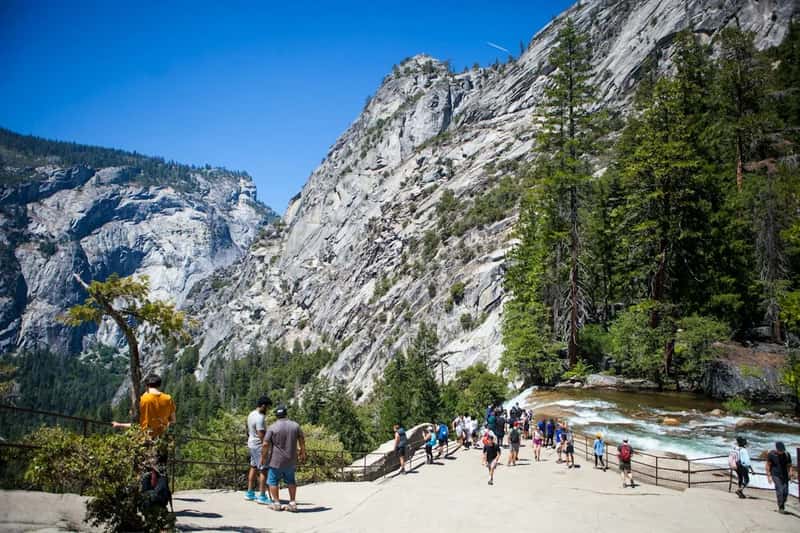
Yosemite’s granite valley draws a crowd that has tested park managers for years, and the 2025 season was no different. The park counted 4,278,413 visitors in 2025[1], and officials have had to physically rebuild parts of the park to handle the foot traffic. Yosemite officials had to rebuild Bridalveil Fall’s infrastructure, where unprecedented crowds on boardwalks required expanded viewing areas and trail rerouting to protect the surrounding habitat.[3]
For 2026, Yosemite made a notable change in approach. Yosemite National Park will also not require timed vehicle reservations for 2026, with park analysis finding that most weekdays maintained available parking, stable traffic flow and visitation levels within the park’s operational capacity.[7] Instead of turning cars away at the gate, the park is leaning on real-time monitoring and added staffing at pinch points, a gamble that weekday data will hold up during the busiest holiday weekends.
6. Rocky Mountain National Park
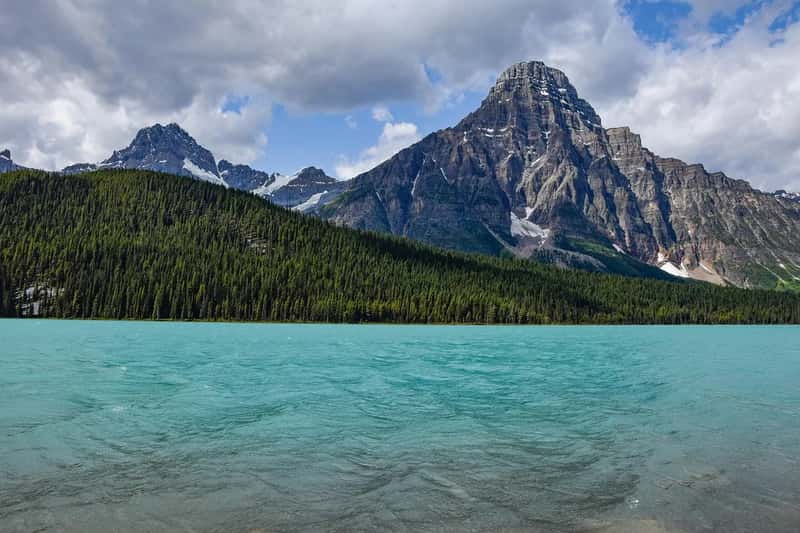
Rocky Mountain National Park has become something of a test case for how timed entry can reshape a visitor’s day. The park logged 4,171,431 visitors in 2025[1], and unlike several of its peers, it isn’t backing away from reservations. Rocky Mountain National Park will continue timed entry reservations during peak visitation months, from late May through mid-October.[8]
Visitors who have experienced the park both with and without the system tend to notice a difference. Travelers who visited Rocky Mountain National Park before and after the reservations were put in place found the experience to be much better with the timed entries in place.[8] That said, the reservation slots themselves sell out fast during summer weekends, meaning the crowding problem hasn’t disappeared so much as it has shifted from the trailhead to the booking screen weeks in advance.
7. Acadia National Park
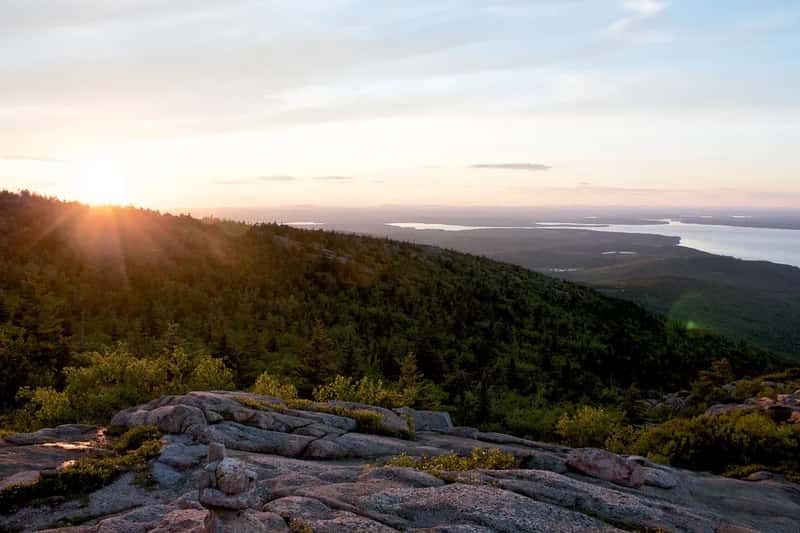
Acadia’s rocky Maine coastline draws a very different crowd than the desert and mountain parks out west, but the congestion issues are just as real. The park recorded 4,079,318 visitors in 2025[1], a figure that continues a long climb for a park whose road network was never designed for that kind of volume. Much of the pressure concentrates on a single corridor: the drive up Cadillac Mountain.
To manage that specific bottleneck, Acadia has kept a targeted reservation system in place. Acadia National Park requires vehicle reservations for Cadillac Summit Road[9], a narrow fix aimed at the single most oversubscribed spot in the park rather than a park-wide entry cap. The rest of the park, including the Park Loop Road and popular hiking trails like the Precipice and Beehive, still sees heavy midday congestion that no reservation system currently addresses.
8. Glacier National Park
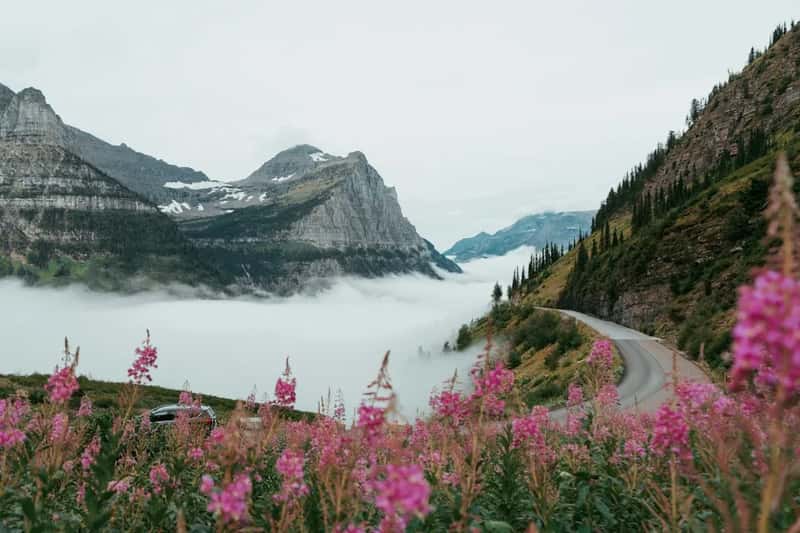
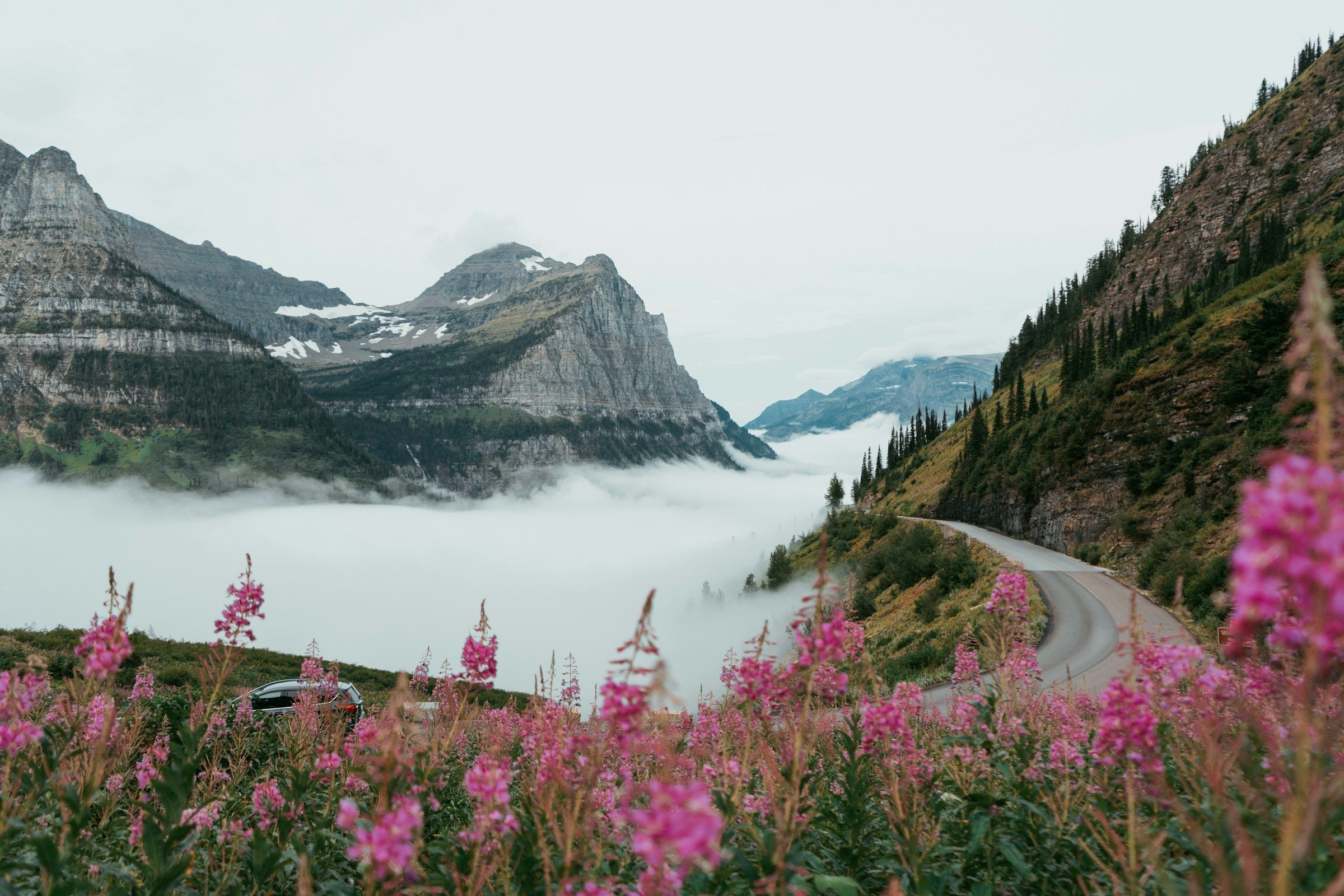
Glacier rounds out this list with a visitation trend that keeps trending upward even as its access rules keep changing. The park drew 3,136,557 visitors in 2025[1], concentrated overwhelmingly into a short summer season when Going-to-the-Sun Road is fully open and snow-free. That short window makes every sunny July weekend feel like peak season everywhere else.
Glacier’s approach for 2026 marks a genuine pivot away from what it tried before. Glacier has decided to eliminate timed entry in favor of some form of shuttle system and parking time limits in high traffic parking lots, though as of February details on the public transport system were not finalized.[9] It’s an experiment worth watching, since shuttle systems have worked well at places like Zion but Glacier’s terrain and shorter operating season present a different set of logistical challenges.
The overcrowding story at these eight parks isn’t really about any single villain, whether that’s staffing cuts, budget constraints, or simple popularity. It’s the collision of all three at once, playing out on trails and roads that, in some cases, were laid down generations before anyone imagined this level of demand. The National Park Service reported 323 million recreation visits in 2025, only a slight dip from the record set in 2024, and every indication points to that pressure continuing rather than easing.
What’s changed most in 2026 is not the crowd size but the strategy for handling it. Some parks are doubling down on reservations, others are abandoning them in favor of real-time traffic management, and a few are betting on shuttles to do the job cars can’t. Whether any of these approaches holds up through another record-adjacent summer will likely shape how the rest of the system responds in the years ahead.