Europe’s best-known islands get more expensive every summer, and anyone who has priced a hotel room in Santorini or Capri lately knows the sticker shock is real. Yet scattered across the same coastlines and archipelagos are quieter islands where the ferry costs less, the seafood is cheaper, and nobody is charging a premium just because a name shows up on Instagram. These eight spots offer that increasingly rare combination: genuine character and prices that still feel reasonable in 2026.
1. Vis, Croatia
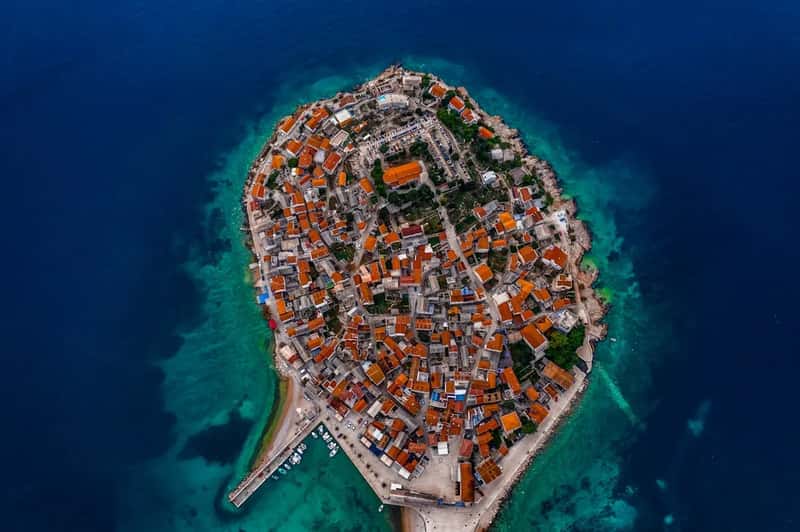
Vis spent decades off-limits as a Yugoslav military base, which accidentally preserved it as one of the least developed islands in the Adriatic. Even now, Croatia is no longer the under-the-radar travel destination it once was, with its islands becoming more popular with travelers from all over the world, yet Vis has largely escaped that shift. A night in local accommodation still runs modestly, with hotels, hostels and bed and breakfasts relatively cheap, averaging around 80 to 90 US dollars a night.
Getting there takes a bit of effort, since it sits farther offshore than Hvar or Brač, and that extra ferry ride is exactly what keeps prices grounded. Grocery shopping and local transport remain accessible, and even budget travelers can find reasonably affordable grocery options and transportation with reasonable fares. Bars near the harbor charge more than village konobas, so a little local knowledge stretches a euro considerably further here than on the mainland coast.
2. Lemnos, Greece
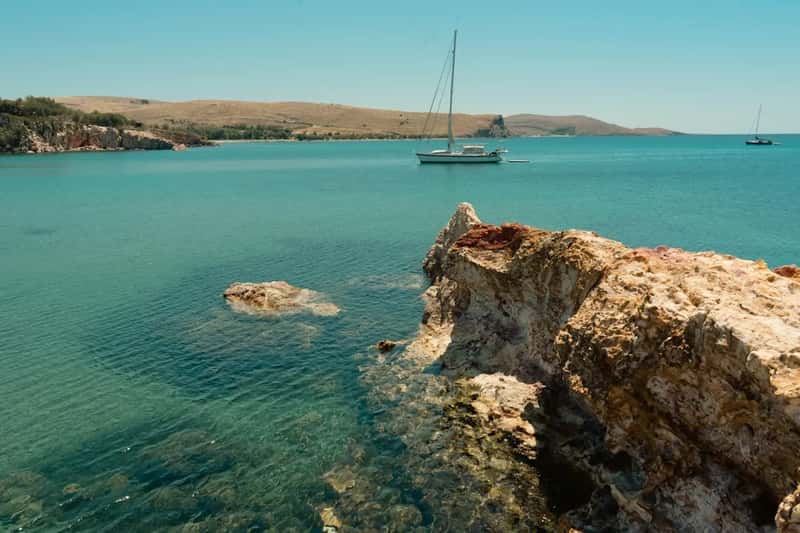
Lemnos sits in the North Aegean, closer to Turkey than to the postcard islands of the Cyclades, and that geography has kept mass tourism at bay. It is worth visiting because it still feels spacious, affordable, and rooted in everyday Greek life, having stayed outside the main mass-tourism circuits. Locals still farm wheat and tend vineyards alongside running guesthouses, which keeps the local economy from tipping entirely into tourist pricing.
The island is large enough to explore for a week without repeating a beach, and it is the eighth largest Greek island, offering plenty of scope for exploration. Restaurants in Myrina serve fresh fish without the markup you would find on a Santorini terrace, and family-run tavernas inland are cheaper still. Because Lemnos is a very traditional Greek island, where priorities remain agriculture and fishing rather than tourism, prices have simply never caught up to the archipelago’s more famous names.
3. Gozo, Malta
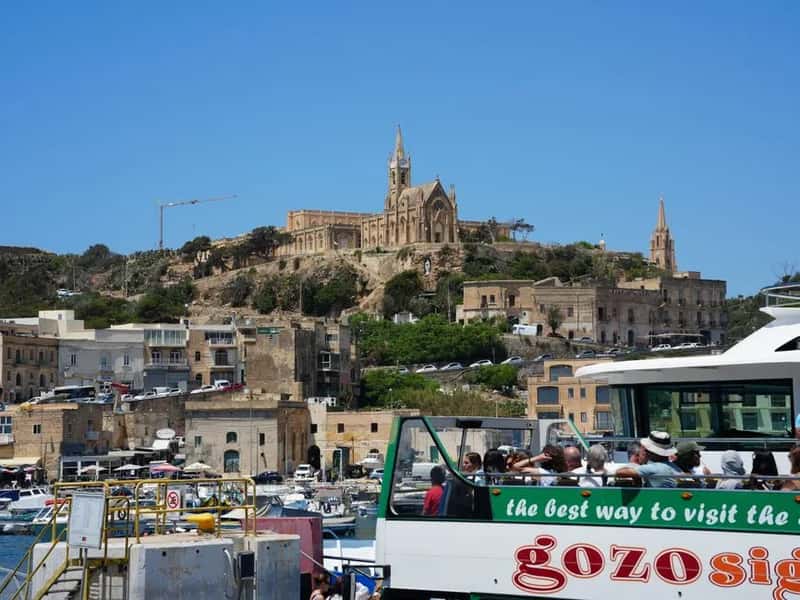
Malta’s smaller sister island has quietly become the value play for anyone visiting the archipelago. Gozo is generally more affordable than Malta, mainly due to lower rental prices, though everyday costs like groceries and dining are quite similar between the islands. That gap widens the farther you get from Victoria, the capital, since villages such as Għarb or San Lawrenz remain quieter and often more affordable.
A single traveler settling in for a longer stay can expect to live comfortably without stretching a budget too thin, as a single person can live comfortably in Gozo with a monthly budget of around 1,000 to 1,300 euros, including rent, groceries, utilities, and occasional dining out. Shorter visits benefit too, since dining and transport costs run lower than on Malta’s main island. The trade-off is a slower pace and fewer nightlife options, though for most visitors chasing value, that is precisely the appeal.
4. Terceira, Azores, Portugal
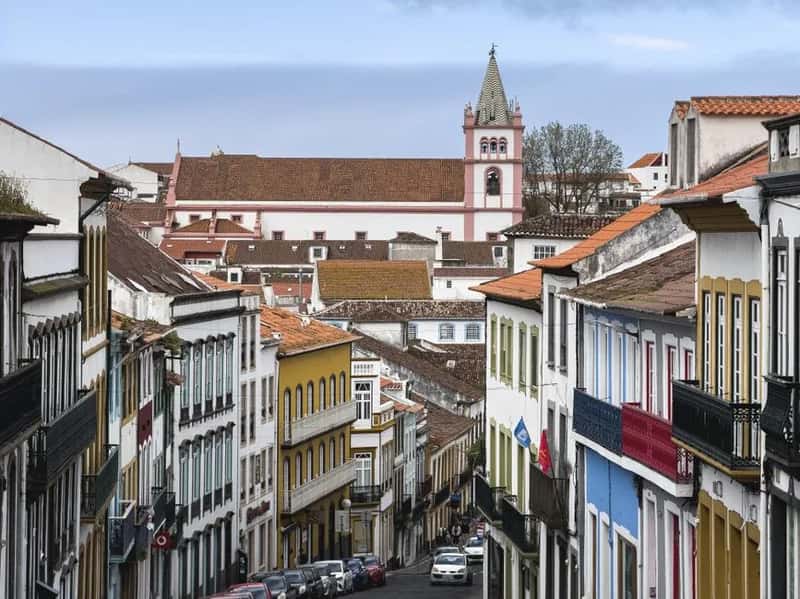
While São Miguel pulls in most of the Azores’ tourist traffic, Terceira remains a working island where prices have not caught up to demand. Its restaurants deliver noticeably better value, and Terceira food is exceptional and underrated, with local restaurants better than equivalent restaurants in São Miguel and prices lower despite higher ingredient quality. A solid meal at a good local spot costs little more than a snack elsewhere, since a budget of 15 to 25 euros per meal at good local restaurants comes with no tourist markup like in Ponta Delgada.
The island’s UNESCO-listed capital, Angra do Heroísmo, offers volcanic landscapes and centuries-old architecture without the crowds of the more famous islands nearby. Day tours here also run cheaper than package excursions on São Miguel, with affordable day tour options ranging from 80 to 120 euros per person for a full day. It suits travelers who want substance over spectacle, a place built around essential services, a functioning economy, and a sense of community, without the scale or tourism pressure of somewhere like São Miguel.
5. Ustica, Sicily, Italy
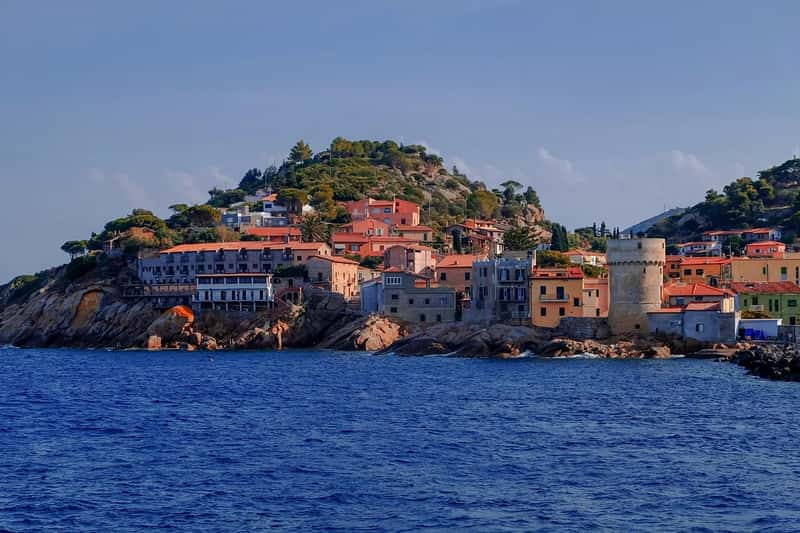
A tiny volcanic dot off the northern coast of Sicily, Ustica rarely appears on lists of Italian island getaways dominated by Capri, Ischia, and the Aeolians. Its small size and limited ferry connections from Palermo have kept large-scale resort development away, which means prices for rooms and meals stay closer to mainland Sicilian levels than to the inflated rates found on more famous Italian coastlines. The island is a designated marine protected area, popular with divers, but its infrastructure remains modest and family-run rather than luxury-branded.
Because Ustica sees a fraction of the visitors that flood Sicily’s better-known islands each summer, restaurant menus tend to reflect local fishing catches rather than tourist expectations, and prices follow suit. Accommodation is mostly small guesthouses and apartments rather than branded hotels, which keeps nightly rates modest even in peak season. For travelers willing to skip the more famous Sicilian islands, Ustica offers clear water and quiet lanes at a noticeably gentler cost.
6. Saaremaa, Estonia
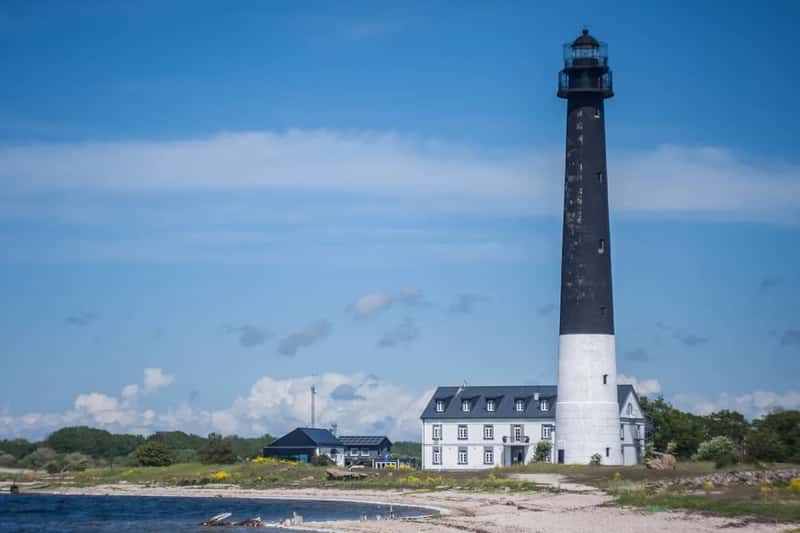
Estonia’s largest island sits in the Baltic Sea and has built a reputation as a wellness and nature destination without ever adopting Western European price tags. One travel guide bluntly described it as the Estonian island that got left out of every European travel listicle and is better for it, with medieval castles, meteorite craters, and spa hotels serving 25 visitors instead of 25,000. Basic costs stay low too, since a hearty local lunch of cold smoked sprats with pickled onion and rye bread costs about 6 to 8 euros.
Getting there is simple and inexpensive, with a short ferry crossing from the mainland costing very little, as the journey takes no more than 27 minutes and a single adult ticket costs about 5 euros. The island’s medieval Kuressaare Castle, mud spas, and quiet forest trails give it plenty to offer despite its modest price point. Overall daily budgets remain flexible too, with one estimate putting a full range of travel spending at 45 to 280 euros per day, depending on how simply or comfortably you choose to travel.
7. El Hierro, Canary Islands, Spain
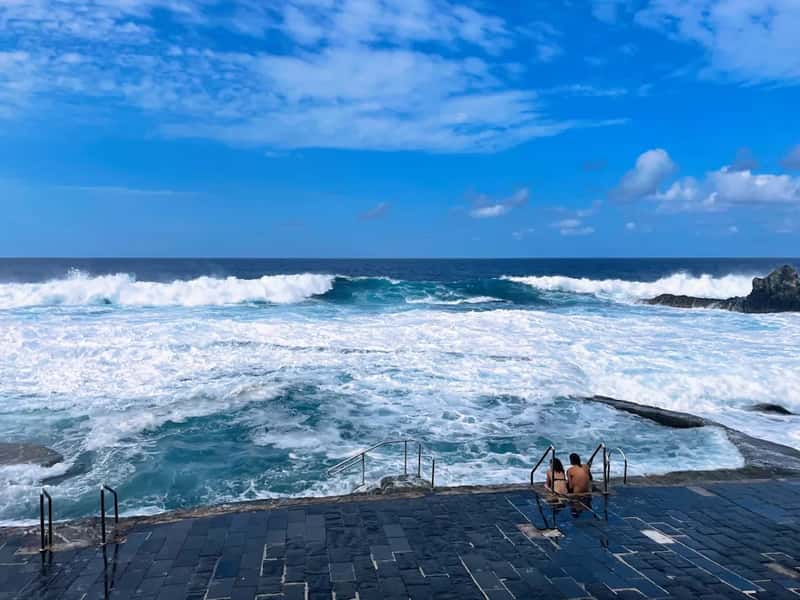
The smallest and westernmost of the Canary Islands, El Hierro has deliberately avoided the resort development that transformed Tenerife and Gran Canaria decades ago. There are no high-rise hotels here, no strips of nightclubs, and no inflated beach-club pricing, since the island’s volcanic terrain leaves little room for that kind of tourism anyway. What it offers instead is dramatic cliffside scenery, quiet dive sites, and small guesthouses run by local families at prices that still reflect a rural Spanish economy rather than a peak tourist destination.
Because El Hierro receives only a small fraction of the Canary Islands’ overall visitors, restaurants and rental cars carry far less of a tourist premium than on the archipelago’s main islands. Ferries and short regional flights connect it to Tenerife, making it an easy add-on for travelers already island-hopping through the Canaries. For anyone chasing volcanic landscapes without Tenerife-level costs, it remains one of Spain’s most overlooked options.
8. Fårö, Sweden
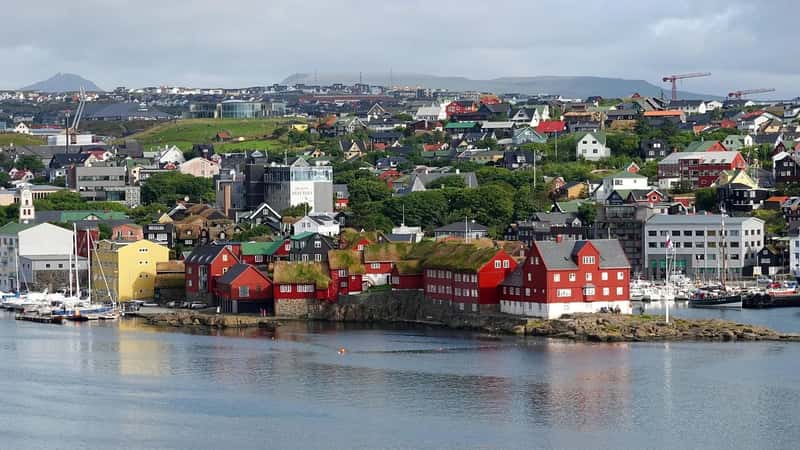
Sitting just off the northern tip of Gotland in the Baltic Sea, Fårö is a small, windswept island known for limestone sea stacks and sheep pastures rather than crowds. Sweden overall carries a reputation for high prices, but Fårö’s remoteness works in the budget traveler’s favor, since accommodation and dining here reflect a small rural community rather than Stockholm’s cost of living. Much of the island still runs on farming and fishing, and the handful of guesthouses and campsites available charge accordingly modest rates compared to the mainland’s tourist hubs.
Visitors typically reach Fårö by a short, free ferry from Gotland, keeping transport costs minimal for a Nordic destination. The island’s stark, quiet landscape draws a steady trickle of photographers and hikers, but nothing close to the volume that pushes prices up elsewhere in Scandinavia. For travelers willing to trade nightlife for solitude, it delivers a genuinely Nordic experience without a Nordic price tag attached to every meal.
Prices anywhere can shift with the season, currency swings, or a sudden wave of social media attention, so none of these islands are guaranteed to stay this affordable forever. Still, each one currently offers a version of European island life that feels increasingly hard to find: real communities, working economies, and costs that have not yet caught up to the scenery. Visiting sooner rather than later tends to be the only reliable strategy for keeping these trips within budget.