
Aspen has long been the gold standard of American mountain luxury – the place where celebrities, hedge fund managers, and tech moguls planted their flags and bought their ski-in/ski-out chalets. Yet something has shifted in recent years. The combination of staggering prices, overcrowded slopes, and a social scene that has grown almost comically exclusive has pushed many affluent buyers to look elsewhere. They still want the mountains, the clean air, and the privacy. They just no longer need the Aspen address to prove it.
Mountain and resort communities across the American West have remained strongly supported by high-net-worth and cash buyers, and the options beyond Aspen are more compelling than ever. From Colorado’s lesser-known canyon towns to Wyoming’s tax-friendly valleys, a new map of elite mountain living is quietly being drawn. Here are eight underrated mountain towns that are genuinely earning the attention of America’s wealthy.
1. Telluride, Colorado
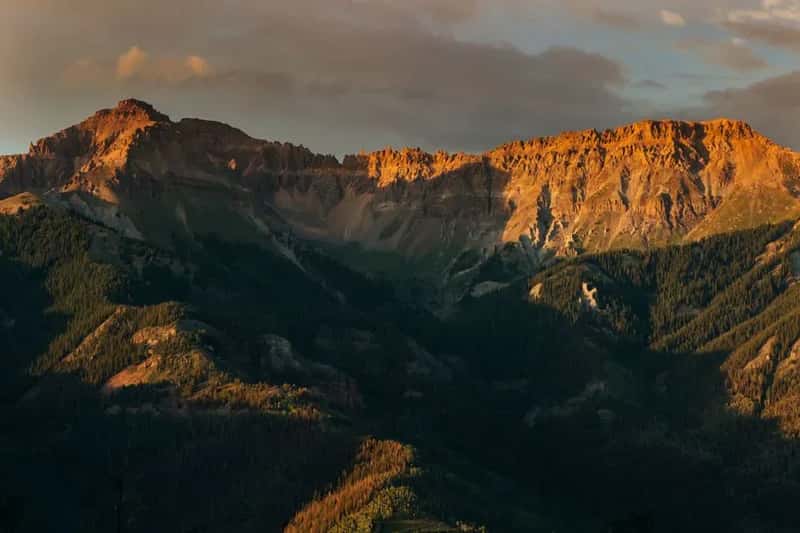
Nestled in a box canyon surrounded by the San Juan Mountains, Telluride blends Old West charm with luxury, world-class skiing, and a legendary festival scene. It has long sat in Aspen’s shadow despite being every bit as dramatic – and in some ways, more so. The free gondola connecting downtown to Mountain Village remains one of the most quietly civilized commutes in America, floating above forests and canyons with views that feel almost unreasonably good.
Property values throughout Telluride have doubled over the last five years, with an annual appreciation of around 18%, according to Telluride Properties’ Q4 2024 Activity Report. The report also found that Telluride’s percentage of ultra-luxury properties – those priced above $5 million – has grown to 38.5%, making it the number one concentration of ultra-luxury properties among comparable resort markets. The market’s strength reflects a lasting shift that began in 2020, when affluent buyers sought remote resort communities like Telluride, and these high-net-worth buyers, largely insulated from economic volatility, have brought long-term stability to the market.
2. Steamboat Springs, Colorado
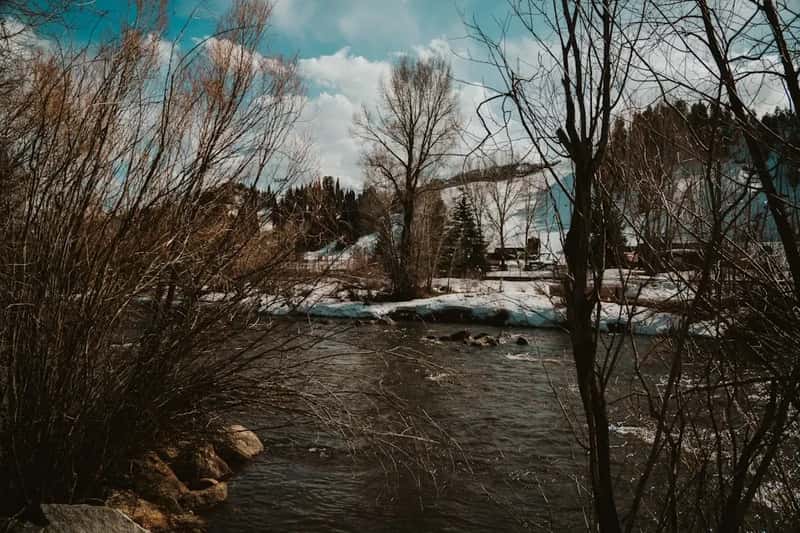
One of the best ski mountain towns that are great alternatives to Aspen in winter is Steamboat Springs, a town that boasts a rich history and a laid-back vibe that feels worlds away from Aspen’s luxury-driven culture. That authentic Western character is a genuine selling point for buyers who have grown tired of Aspen’s more performative glamour. Steamboat operates on a different wavelength – rougher around the edges, friendlier at the bar, and still deeply connected to its ranching and rodeo roots.
With Steamboat Springs MLS records dating back 30 years to 1995, 2025 posted the fifth-highest total dollar volume on record, reaching $1.2 billion. At the ultra-high end, the market has been particularly active. The top three luxury sales in 2025 reached $19.7 million, $17.5 million, and $11 million – figures that tell a clear story about who is buying here. New luxury developments like The Stockman are pushing prices expected to reach $3,500 to $4,000 per square foot, signaling that Steamboat is entering a new era of high-end real estate.
3. Jackson Hole, Wyoming
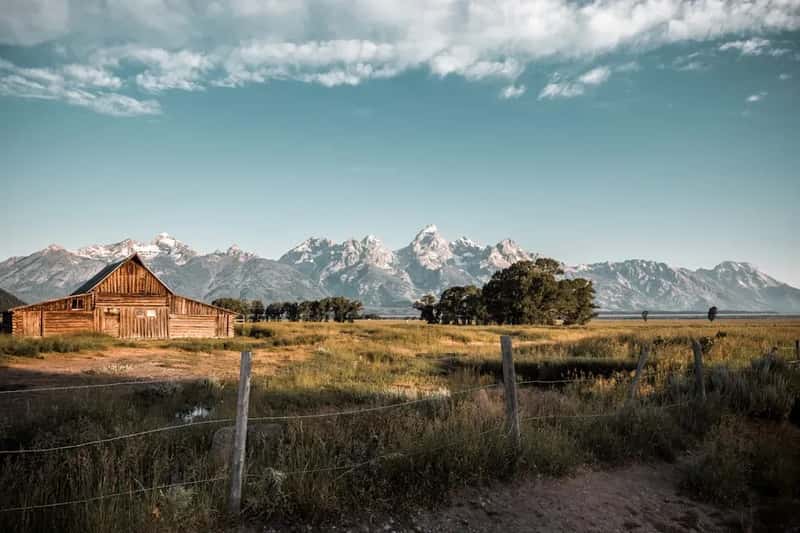
Jackson Hole is only “underrated” relative to Aspen’s dominance of the cultural conversation, because by any objective measure it is a titan in its own right. Beyond the majestic Tetons and elite skiing, Wyoming’s fiscal landscape is a powerful catalyst for the buying frenzy – in Wyoming, there are no state, corporate, estate, inheritance, or real estate taxes. That combination of scenery and fiscal advantage is almost impossible to beat. Buyers are no longer purchasing second homes to visit a few weeks a year; they are restructuring their lives around Wyoming’s 183-day residency rule to legally establish domicile and escape state income taxes in their home states.
Sales of homes priced at $10 million or more in Jackson Hole spiked by 131% over the past year, and in Teton County, the ceiling for the top 1% of listings has reached $41.6 million, positioning the Wyoming enclave as one of the most expensive ZIP codes in the U.S. Because 97% of Teton County can never be developed, at any given time fewer than 100 single-family homes are available across the entire valley, and roughly one-third of those are priced above $10 million. Scarcity this extreme, in a place this beautiful, tends to attract exactly the kind of buyer who has no ceiling.
4. Crested Butte, Colorado
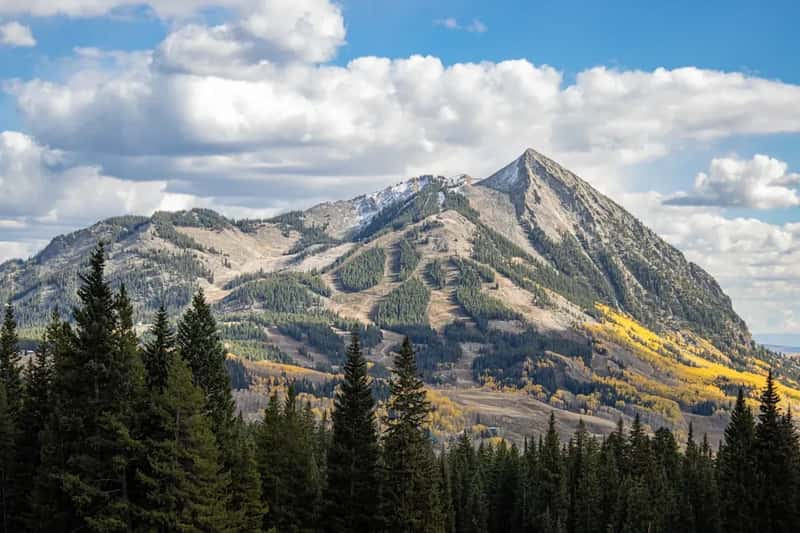
Often called the “Last Great Colorado Ski Town,” Crested Butte is Colorado’s most underrated ski resort, with a rich coal mining history and a charming, historic downtown that draws winter travelers escaping from Aspen’s glitzy atmosphere. It is a town that still feels like a town rather than a brand, and that authenticity is increasingly rare in this corner of the Rocky Mountains. The ski terrain here is genuinely demanding – experts rate it among the best in the state – while the summer wildflower displays are so spectacular that Crested Butte is known as the wildflower capital of Colorado, boasting stunning alpine meadows and a laid-back atmosphere that feels less commercialized than many ski towns.
Crested Butte paints the Rockies with color, from storefronts on Elk Avenue to meadows that glow under evening light, and the historic core feels playful yet grounded, with porches and bikes framing an easygoing, creative pulse. The real estate market here has attracted a quieter wave of buyers – people who want the mountain lifestyle without the pageantry. Other cities experiencing a real-estate boom in Colorado, including Crested Butte, have benefited from world-class skiing, resort lifestyles, restaurants and shopping, plus easy access to Denver. Luxury inventory remains limited, which keeps prices firm and appeal high for long-term buyers.
5. Durango, Colorado
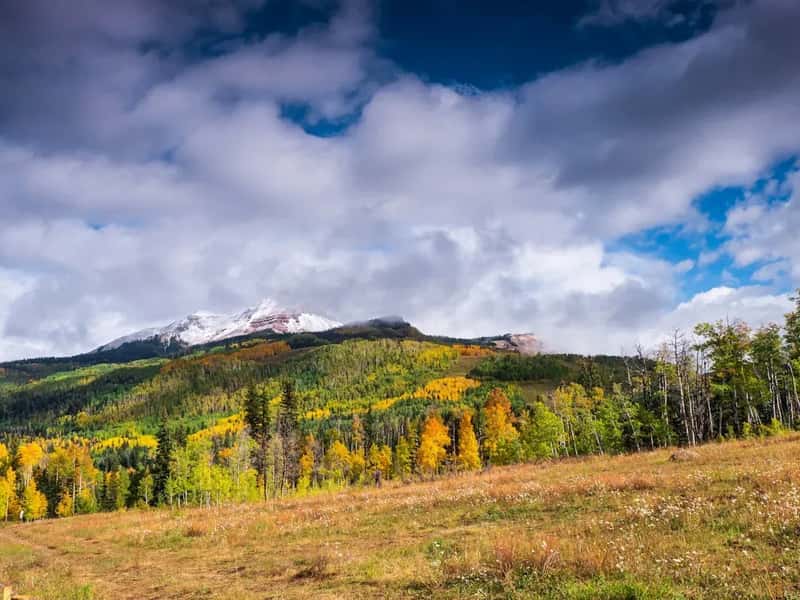
Durango is the perfect mix of Old West charm and outdoor adventure, making it one of the most dynamic small towns in Colorado, and it is also the best place to start if you want to explore nearby Mesa Verde National Park. Situated in the southwestern corner of the state, Durango has always operated in relative isolation from the resort corridor, which has kept its character distinct and its pace more human. Durango, Colorado, is a lively mountain town known for its rich history, vibrant cultural scene, and abundant outdoor adventures, situated along the Animas River and surrounded by the rugged San Juan Mountains, offering a perfect blend of small-town charm and modern amenities.
Durango’s appeal to wealthy buyers is rooted in something more than skiing. The town has a functioning economy, a serious culinary scene, and a strong arts community – all things that matter when you are considering a primary or semi-primary residence rather than a ski vacation. The Durango-La Plata County Airport provides convenient regional air access, and the proximity to multiple wilderness areas and the historic Durango & Silverton Narrow Gauge Railroad makes for a lifestyle that genuinely cannot be replicated elsewhere. Luxury buyers who discover Durango tend to return – and then tend to buy.
6. Pagosa Springs, Colorado
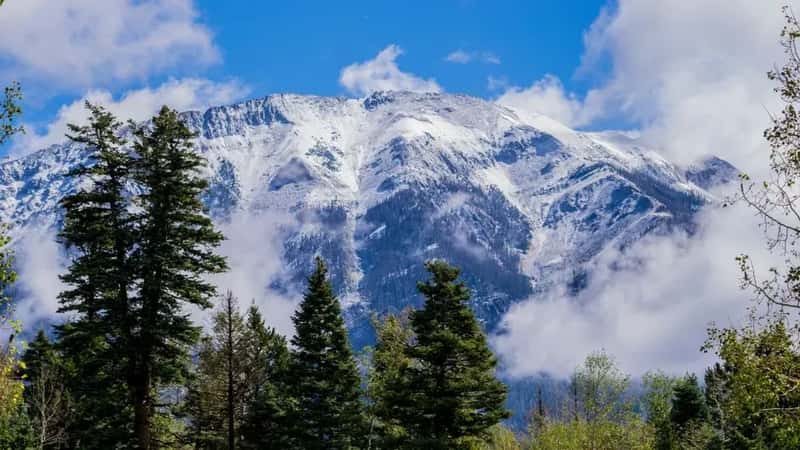
Pagosa Springs, located in the San Juan Mountains, is known for having the world’s deepest geothermal hot spring, and this charming town offers a variety of outdoor activities such as fishing, hiking, and skiing, while also featuring a vibrant downtown area with unique shops, restaurants, and art galleries. It is a town built around the idea of recovery and restorative living – a philosophical antidote to Aspen’s high-energy social circuit. After a day on the slopes or trails, visitors can soak in steamy mineral waters at the Springs Resort and Spa for the ultimate mountain indulgence, with over 20 hot spring pools overlooking the beautiful San Juan River.
Wolf Creek Ski Area, just north of town, consistently receives some of the deepest annual snowfall in Colorado – a fact that powderhounds guard jealously. At the Wolf Creek Ski Area, travelers access over 1,600 acres of skiable terrain with deep powder and uncrowded slopes, making this underrated gem ideal for skiers of all levels, especially those who crave fresh snow. The real estate market here has attracted buyers priced out of Telluride and drawn to the prospect of purchasing significant acreage in a setting that remains genuinely uncrowded. Privacy-focused buyers find Pagosa Springs particularly compelling for exactly that reason.
7. Leadville, Colorado
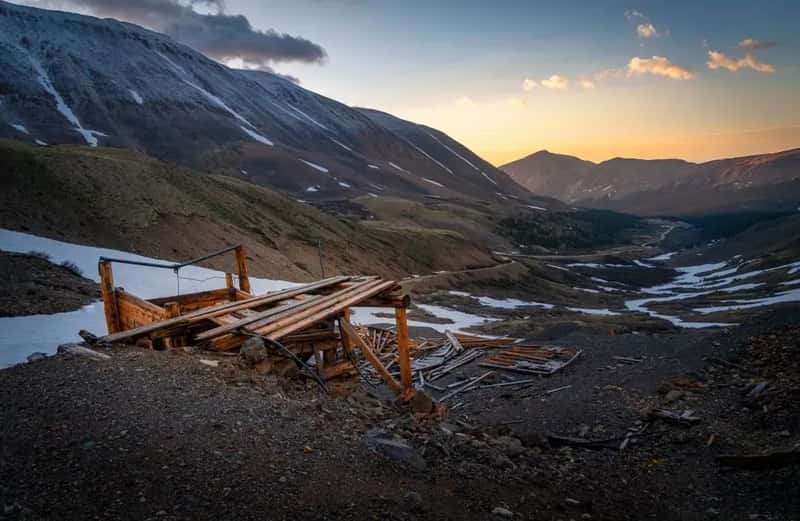
Located between Aspen and Breckenridge sits Leadville, a small and underrated town of about 2,600 people that, at an elevation of 10,152 feet, already has a claim to fame as America’s highest city, and because it has the two highest Fourteeners in the state – Mount Elbert and Mount Massive – right next to it, you will definitely know you are in a mountain town when spending time in Leadville. There is nothing performative about Leadville. It is a genuine mining town with a gritty, beautiful history and landscapes that feel earned rather than curated.
For buyers seeking authenticity and altitude in equal measure, Leadville represents something increasingly rare: a mountain town that has not yet been fully sanitized for luxury consumption. Leadville is the gateway to Twin Lakes, two large nearby glacial lakes now used as reservoirs, where anglers delight in trying to catch rainbow, brown, and cutthroat trout. The proximity to both Aspen’s amenities and Breckenridge’s ski infrastructure makes it a strategically smart location for buyers who want the scenery and the solitude without necessarily sacrificing access. Several ultra-wealthy buyers have quietly assembled significant landholdings in the surrounding Chaffee County area in recent years.
8. Ouray, Colorado
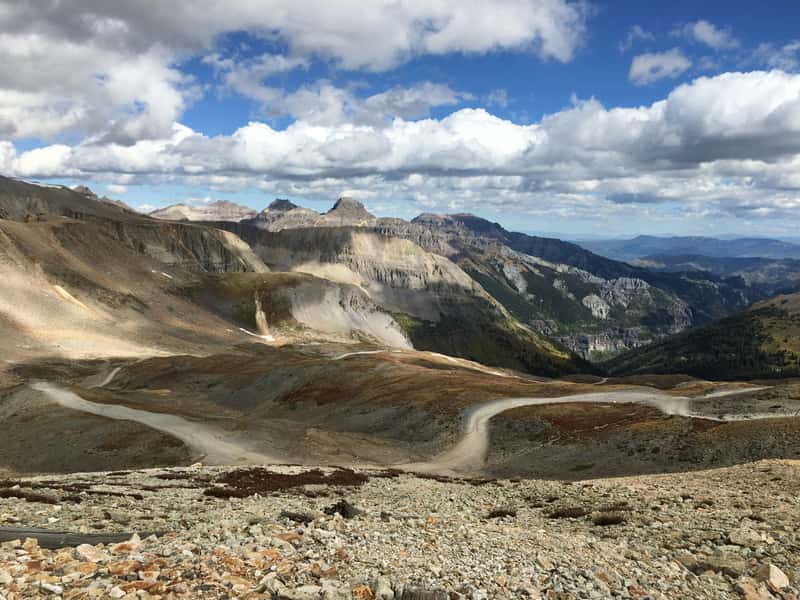
Fittingly known as the “Switzerland of America,” Ouray is surrounded by dramatic peaks and offers a perfect blend of adventure and relaxation. Walking into downtown Ouray for the first time is a genuine surprise – Victorian storefronts framed by canyon walls that rise nearly vertically on all sides, creating a sense of enclosure that feels more European alpine village than American West. The town has always attracted a certain type of traveler, one drawn more to jaw-dropping terrain than to social spectacle. Ouray is home to some of the best ice climbing in the U.S., with the Ouray Ice Park drawing climbers from all over the world, and the town’s hiking trails – considered by many to be the best in Colorado – lead to hidden waterfalls and high alpine lakes, while the Ouray Via Ferrata provides an adventurous climbing experience along the cliffs.
Just 15 minutes north of Ouray, where U.S. 550 and Colorado State Highway 62 meet, Ridgway is an unassuming Colorado town situated on the opposite side of gorgeous Mount Sneffels from Telluride, boasting stunning views of the San Juan Mountains and an array of great hikes in the vicinity. Together, Ouray and Ridgway form a quiet corridor of extraordinary natural beauty that has begun attracting serious investment from buyers who have already purchased in Telluride and are looking for their next mountain foothold. The combination of dramatic scenery, genuine community character, and relative affordability compared to Telluride makes this one of the most compelling emerging luxury pockets in the entire Rocky Mountain West.
What connects all eight of these towns is something money cannot directly manufacture: a sense that the mountains themselves are the point, not the social calendar that surrounds them. As Aspen’s prices and crowds have intensified, a quieter migration has been underway – one led by buyers who have already proven themselves in the traditional prestige markets and no longer need the validation. “Homes in the mountains serve as sanctuaries of privacy and security for newcomers and second homeowners,” as Sotheby’s International Realty has noted, and that observation rings truer than ever in 2026. The wealthiest buyers are not abandoning the mountains – they are simply finding better ones.