The first and only complete shutdown of U.S. airspace took place on September 11, 2001, as air traffic controllers and airline staff worked to ground every commercial flight in the country. That decisive action set in motion a series of security and operational shifts that continue to shape passenger routines at airports nationwide. The changes began immediately and expanded over the following years as new threats emerged. ([1])
From Private Screeners to Federal Oversight
Before the attacks, private companies handled airport security screening under contracts with airlines. Within months, Congress created the Transportation Security Administration to federalize the workforce and standardize procedures across all U.S. airports. Gate areas became restricted to ticketed passengers only, ending the practice of family members meeting travelers at the gate.
The new agency faced evolving risks that prompted further adjustments. A passenger’s attempt to ignite explosives hidden in his shoe led to mandatory shoe removal at checkpoints. A foiled liquid explosives plot produced the 3-1-1 rule limiting carry-on liquids. Another incident involving a device concealed in clothing resulted in full-body scanners and enhanced pat-down options at many airports.
Trusted Programs Ease the Burden
Alongside stricter screening, officials introduced programs to speed passage for low-risk travelers. Global Entry began as a pilot at three airports in 2008 and became permanent under the Department of Homeland Security in 2012. Approved participants receive expedited clearance after international arrivals following a background check.
TSA PreCheck launched at Las Vegas airport in late 2011 and expanded nationwide. The program offers members a less intensive screening process in exchange for an application fee and vetting. Real ID requirements, enacted in 2005 after recommendations from the 9/11 commission, added another layer of standardized identification for domestic flights.
Financial Pressures Drive Consolidation
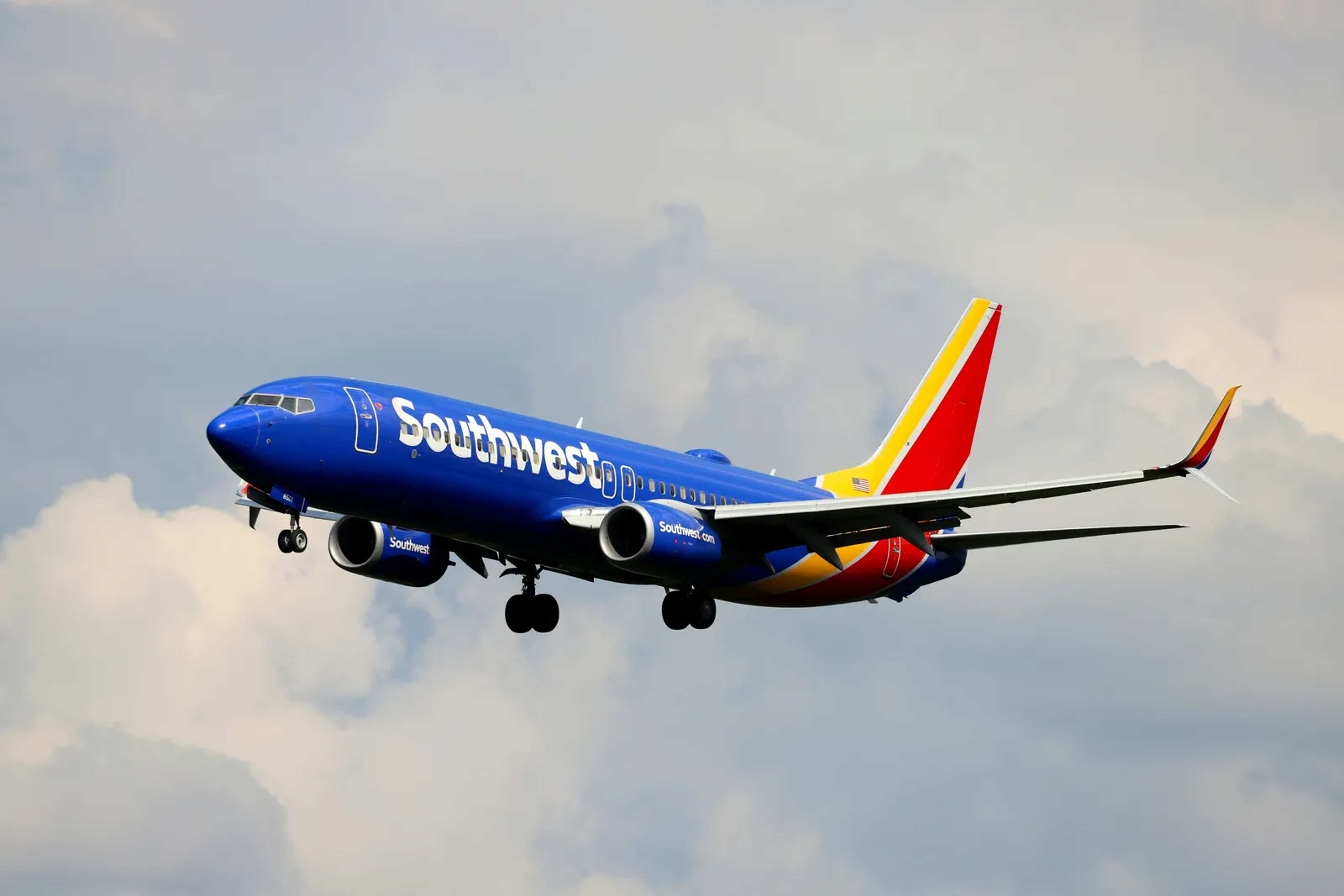
The sudden drop in passenger demand after the attacks delivered a severe blow to airline finances. Federal assistance reached up to $15 billion, yet several carriers still faced bankruptcy. US Airways, heavily reliant on Reagan National Airport which stayed closed for weeks, filed for protection twice before merging with another airline. Midway Airlines ceased operations entirely.
Larger carriers including United, Delta, and Northwest restructured through bankruptcy. A wave of mergers followed, concentrating the market so that four major airlines now control roughly 80 percent of U.S. capacity. Airlines also turned to banks for revenue by selling frequent-flyer miles for co-branded credit cards, a practice that grew after the 2008 financial crisis and now generates substantial income independent of ticket sales.
Human Cost and Lasting Resolve
Nearly 3,000 people died in the attacks, including 246 passengers and crew on the four hijacked flights. Flight attendants relayed information from the aircraft, passengers contacted family, and the 40 individuals on United Flight 93 fought back to prevent further destruction. Those ordinary travelers on routine Tuesday flights became central to the story of resilience.
Twenty-five years later, the procedural changes remain visible in every trip through security, every locked cockpit door, and every identification check. The industry adapted by balancing heightened vigilance with measures that allow travel to continue. The memory of those lost underscores why the routines persist.