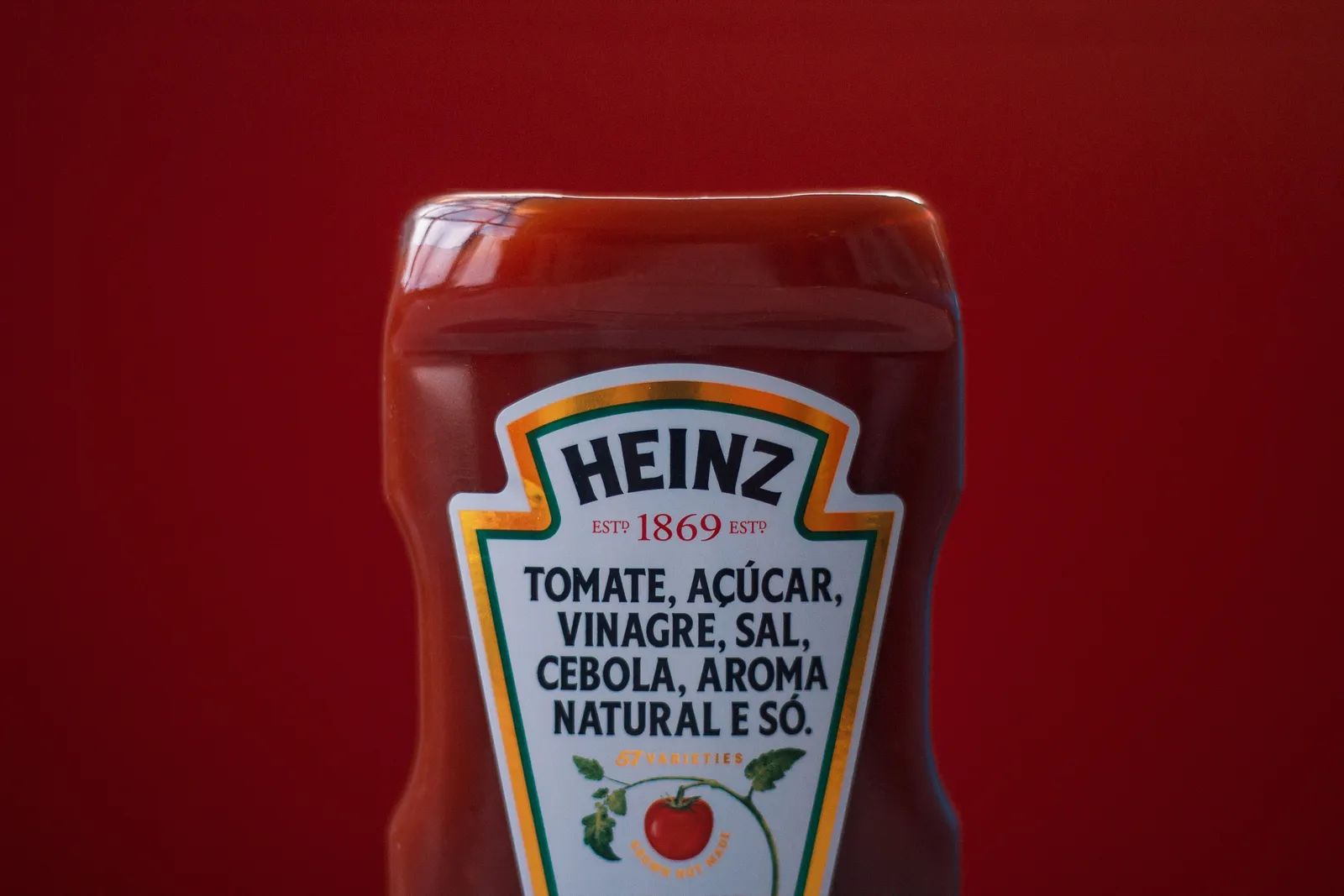
Many households keep a bottle of Heinz 57 tucked away in the pantry long after the last cookout. The sauce often sits untouched for months or even years, prompting questions about whether it remains safe to use. Its tomato-and-vinegar base, combined with specific preservatives, gives it unusual staying power compared with cream-based condiments.
The Ingredients Behind Its Stability
Heinz 57 begins with tomato puree, distilled white vinegar, and malt vinegar, along with salt and a short list of additional components. The formulation also includes sodium benzoate and potassium sorbate, two preservatives that help limit microbial growth. These elements work together with the natural acidity of the tomatoes and vinegars to create an environment where most spoilage organisms struggle to thrive. The malt vinegar contributes barley, which means the classic version contains gluten. This detail matters for anyone following a gluten-free diet, even though the name itself offers no hint of that ingredient. Kraft Heinz applies similar principles across its tomato-based sauces, relying on acidity and preservatives rather than refrigeration alone to maintain quality over extended periods.
How Long an Unopened Bottle Lasts
Retailer data for Kraft Heinz products lists an unopened shelf life of roughly 1,080 days, or about three years, when stored at room temperature. That timeframe aligns with other vinegar-forward steak sauces in the same category. The sauce does not carry an expiration date in the strict sense; instead, gradual changes in color and flavor become the main considerations over time. An unopened bottle kept in a cool, dry spot away from direct heat or sunlight holds up well within that window. Once the seal is broken, the timeline shifts from a fixed calendar to observable quality markers. Many bottles that see only occasional use during grilling season simply mellow rather than spoil outright.
Recognizing Real Spoilage
Visible mold, a sour or fermented odor, and separation into layers that will not recombine signal that the sauce should be discarded. These changes remain uncommon because of the vinegar and preservative content, yet they can appear if the cap is left loose or a contaminated utensil introduces new material. Darkening color, mild settling of solids, and a slightly flatter taste represent normal aging instead. A bottle that has darkened a shade or lost some of its original punch can still be stirred and used without safety concerns. When in doubt, sight and smell provide clearer guidance than any printed date.
Storage Habits That Extend Quality
Tightly resealing the cap after each use limits air exposure and slows flavor decline. Refrigeration after opening helps maintain the original taste profile, though the sauce’s formulation keeps it shelf-stable for far longer than many expect. Using a clean utensil each time reduces the chance of introducing moisture or food particles that could shorten its useful life. A half-full bottle left on the counter for weeks between meals benefits most from these steps. The same practices apply to similar products such as A1 sauce, where the shared tomato-and-vinegar foundation produces comparable results. The practical takeaway is straightforward: an old bottle of Heinz 57 rarely poses a sudden safety issue. With attention to appearance and aroma, most households can decide with confidence whether the sauce still belongs on the table.