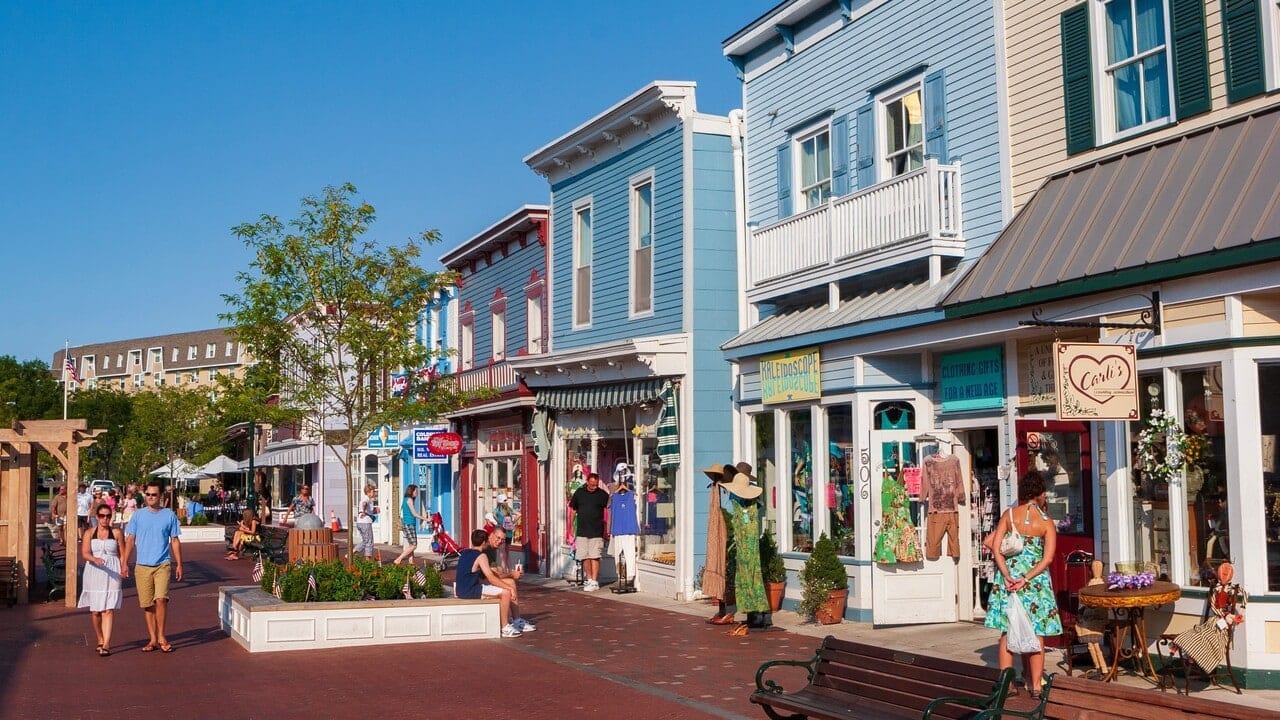
Most trips come with a to-do list and a ticking clock. Yet some American towns still run on a gentler schedule, whether because cars are banned, the ferry only goes so often, or the nearest big city is hours away. Travel writers have been calling this approach slow travel, which favors immersive, unhurried experiences over rushing between tourist highlights[1].
The nine places below aren’t secrets, and a few get busy in peak season. Still, each one offers something structural, like geography, local rules, or sheer distance, that nudges visitors to stop hurrying. I’ve stuck to details that hold up across sources and kept the claims modest where the evidence is thinner.
Mackinac Island, Michigan
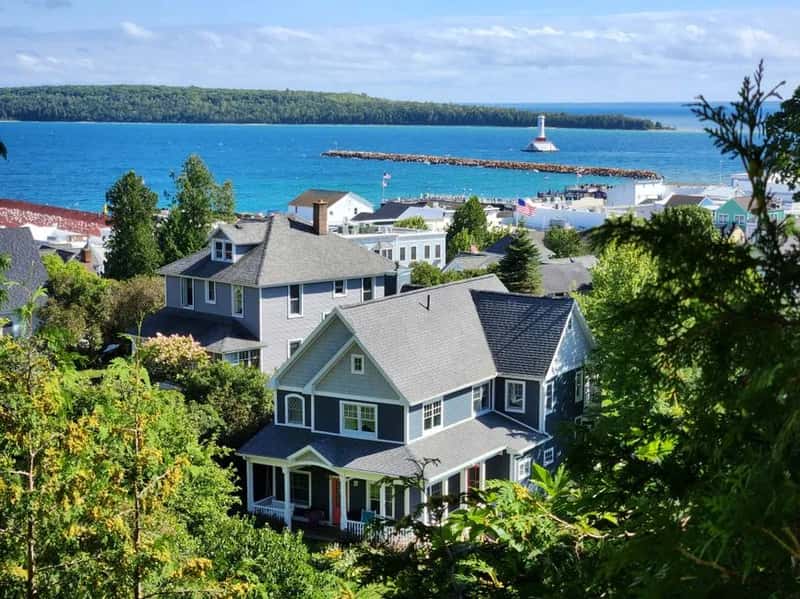
This is the classic case of a town slowed down by law. Island leaders prohibited automobiles on July 6, 1898, after carriage drivers complained that “horseless carriages” were spooking their horses.[2] More than a century later, the ban still holds.[2] Getting there means a ferry from Mackinaw City or St. Ignace, and most rides take between 16 and 25 minutes[3].
Once you step off the boat, movement is by foot, bike, or horse-drawn carriage. The island’s perimeter road, M-185, is a narrow paved road of just over eight miles[4], which makes a full lap an easy half-day ride. About 500 people live here year-round[2], so the quiet after the season ends is real, not staged.
Ocracoke, North Carolina
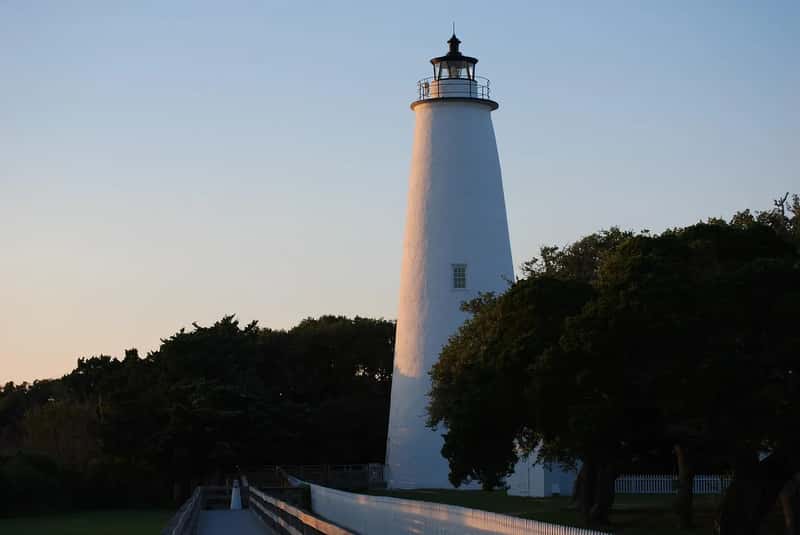
Ocracoke sits on a barrier island in the Outer Banks, and the water does most of the pacing. One travel site notes that access is by private boat, small plane, or state ferry[5]. From the Hatteras ferry terminal, it’s a 12-mile drive to the village[6], and from the mainland side, the Cedar Island terminal links to Ocracoke across Pamlico Sound[7].
That ferry-dependent access acts like a built-in filter on hurry. Inside the village, everything is conveniently located for walking or biking[5], so a car often sits parked for days. Ferry schedules can shift with weather and season, so it’s smart to check the current timetable before you go.
Fish Creek and the Door County Villages, Wisconsin
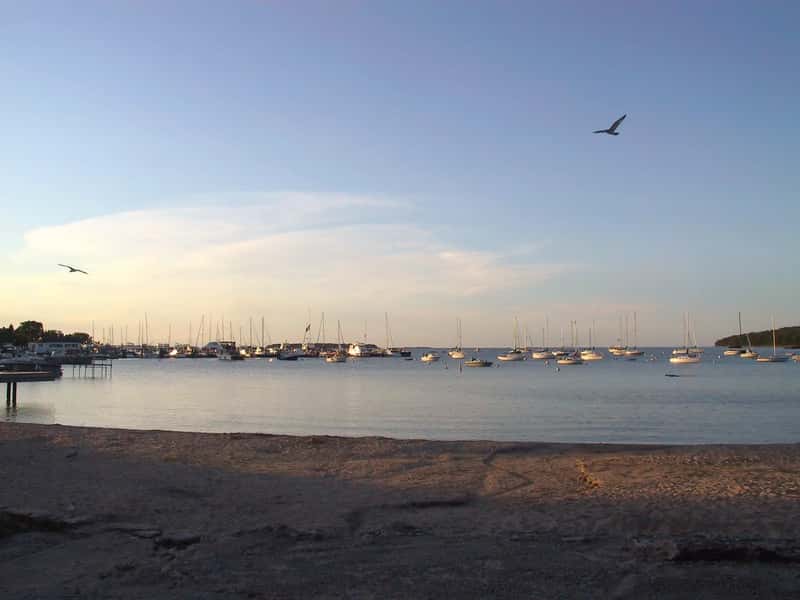
Door County is a long peninsula of small harbor towns, and the best way to enjoy it is to pick one and stay put. U.S. News describes a nearly 500-square-mile peninsula you’ll never see all of in one trip[8], and suggests exploring a single town such as Fish Creek or Ellison Bay. Fish Creek has the added draw of Peninsula State Park next door.
The rhythm here is built around simple pleasures. Travel roundups point to quiet ferry rides, cherry orchards, scenic bike paths, and cozy inns[9]. Expect more of that in the shoulder seasons, when the summer crowds thin out and porches get quieter.
Marfa, Texas
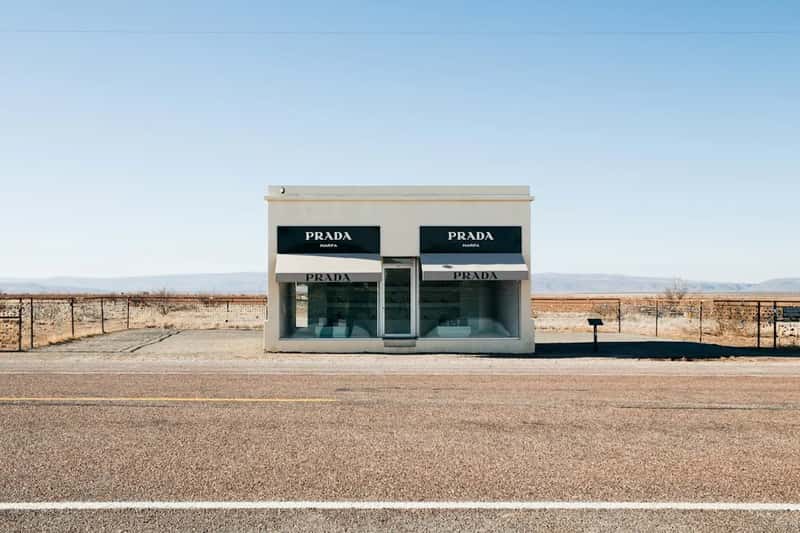
Marfa earns its slow reputation through distance. It’s a remote small city in the high desert of the Trans-Pecos in far West Texas, between the Davis Mountains and Big Bend National Park[5]. Nobody ends up here by accident, and that tends to shape the mood.
The town is also known for its art scene, including the Chinati Foundation, and for the Marfa Lights viewing area just outside town. Days here revolve around galleries, long lunches, and big skies rather than packed itineraries. Opening hours can be limited, so plan around them instead of fighting them.
Cape May, New Jersey
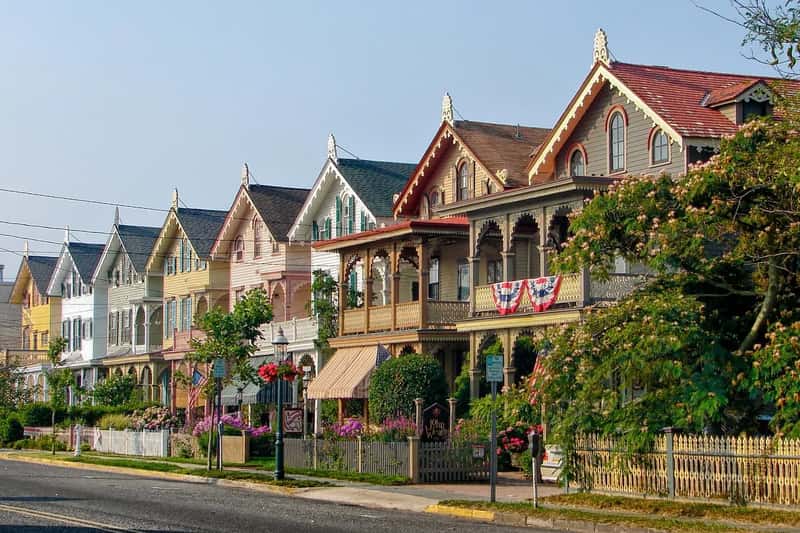
Cape May sits at the southern tip of New Jersey and is famous for its Victorian architecture, much of it protected as part of a National Historic Landmark district. Parade’s slow travel list says it’s the kind of place you can visit for a weekend and end up staying a week[1]. That feels about right for a town built for porch sitting.
The streets are flat and walkable, and the beach is a short stroll from most inns. Summer is lively, so the slowest stretch is usually spring and fall. Bring a bike, skip the schedule, and let the afternoons drift.
Carmel-by-the-Sea, California
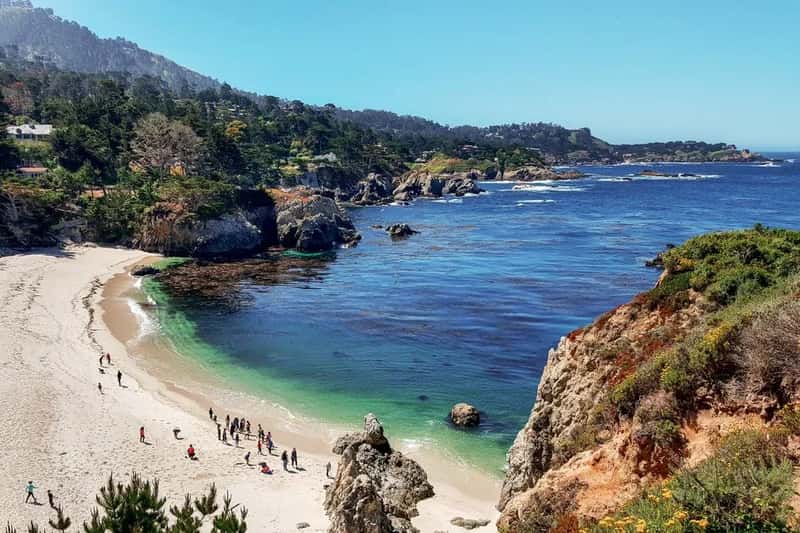
U.S. News calls Carmel an upscale town on California’s central coast that looks like a page from a storybook[8]. It’s compact enough to cover on foot, and many of its cottage-style homes are known for lacking conventional street numbers. That quirk is part of why the town feels like it’s operating by its own clock.
Slow travel guides suggest long beach walks at sunset, local wine, and gallery visits at a gentle pace[9]. Prices run high, so the slowness comes with a cost. Even so, a single unhurried day of wandering courtyards and the shoreline can be enough to reset your pace.
Block Island, Rhode Island
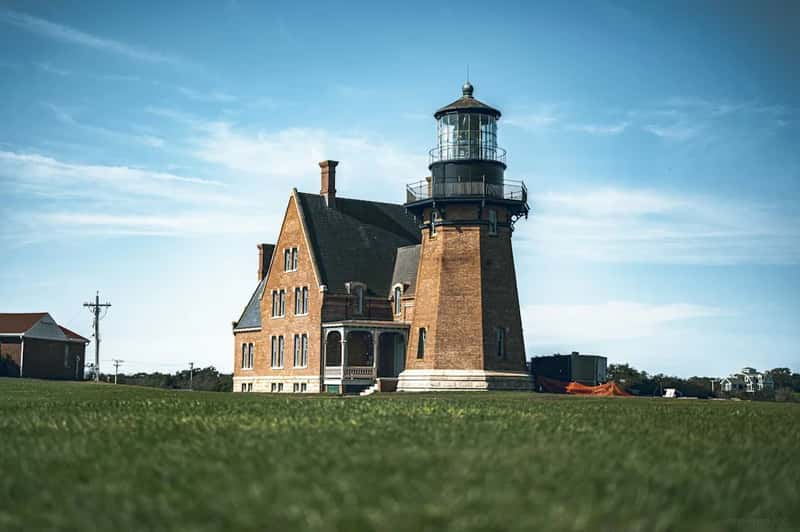
Block Island is a small island off the Rhode Island coast, reached mainly by ferry or a short flight. U.S. News places it in its “Best for Solitude and Serenity”[8] category, alongside a handful of other islands. That fits its reputation for bluffs, beaches, and open space.
It’s also a good place to travel without a car. One guide describes both Mackinac and Block Island as especially bike-friendly, with rentals available[10]. Summer weekends can be busy, so a midweek or off-peak stay gives you the quieter version.
Cape Charles, Virginia
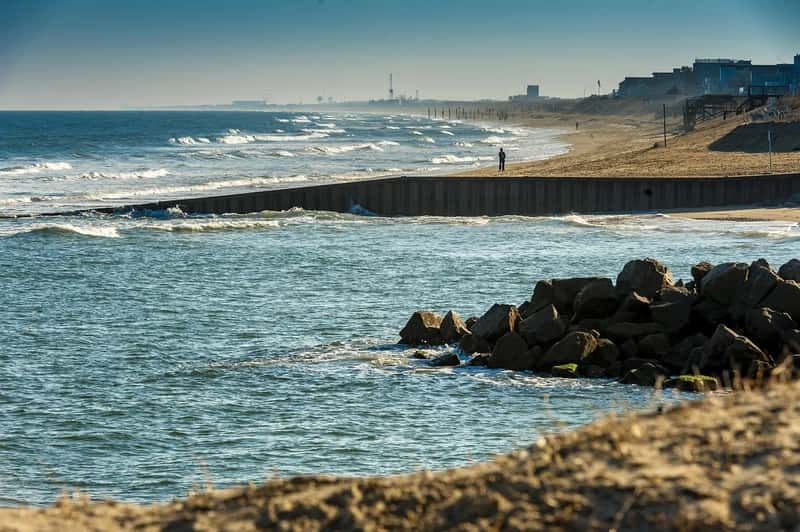
Cape Charles sits on Virginia’s Eastern Shore, a narrow peninsula that feels removed from the bustle of the mainland. One East Coast slow travel guide named it among its picks for best beach town[11], and described the region as a place where time forgot to rush. The writing is promotional, but the small-town scale supports the idea.
Visitors come for the calm bayside beach, a walkable downtown, and the surrounding farmland and marshes. It’s easy to spend a day on a bike or a boat, then another doing nothing in particular. For a slow trip, that’s exactly the point.
Kennebunkport, Maine
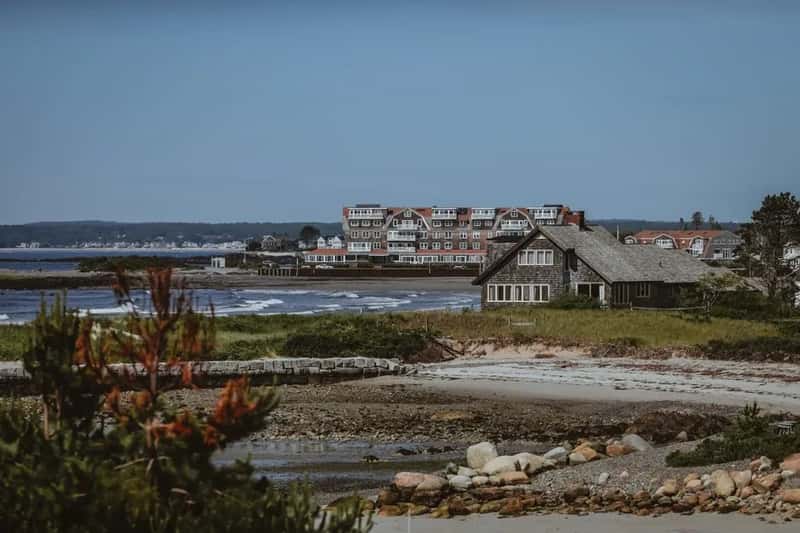
Kennebunkport made U.S. News’s list of relaxing getaways, in the category “Best for Slow Travel and Old-World Charm”[8]. The town combines a working harbor, historic homes, and rocky shoreline, all within an easy walk or short drive. Mid-summer brings crowds to the main square, but the edges stay calm.
The slow approach here is to head for the coast early or in the off-season. Walk the shoreline, watch the boats, and eat where the locals do. Fall tends to offer the most space and the softest light.
None of these towns is untouched by tourism, and some get crowded at the busiest times. What they share is a structure, such as a car ban, a ferry, a long road, or a compact walkable center, that makes hurrying feel pointless. Pick the one that suits your season, travel off-peak if you can, and leave a few hours with no plan at all.
Slow travel isn’t about going somewhere remote. It’s about arriving somewhere and letting the place set the pace.