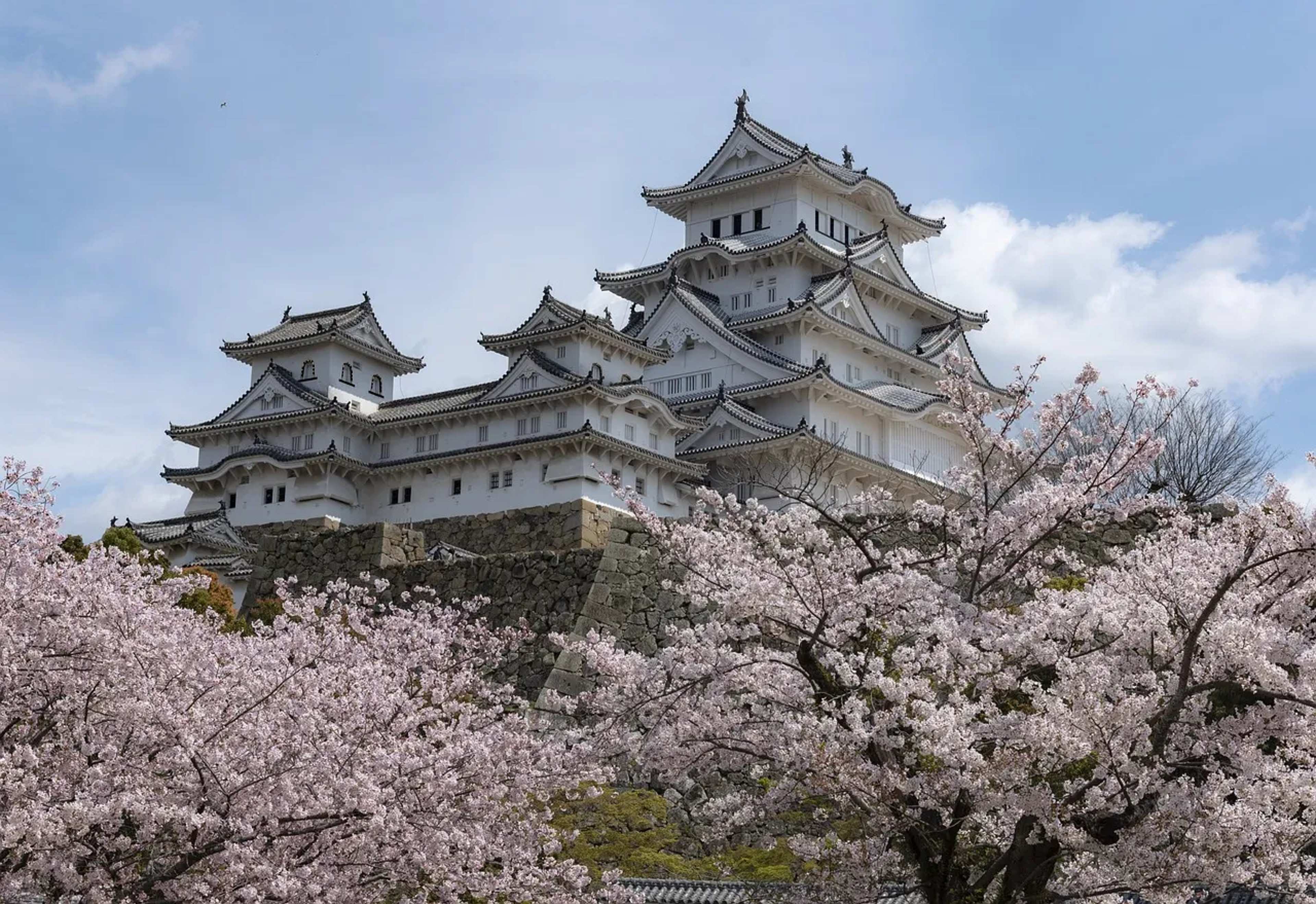
Every summer the same story repeats itself along different coastlines. A quiet fishing village or a modest beach town gets discovered, word spreads on social media, and within a few seasons the sand that once fit a handful of families is packed shoulder to shoulder with visitors. Residents in these places aren’t just grumbling for the sake of it. They’re watching rents spike, water systems strain, and the character of towns they grew up in shift into something built almost entirely for tourists.
What follows isn’t a list of places to avoid entirely, since most of these towns still have plenty to offer. It’s more of a heads up, based on what locals themselves have been saying in 2025 and 2026, about which beach destinations are hitting a breaking point and why.
1. Gulf Shores, Alabama
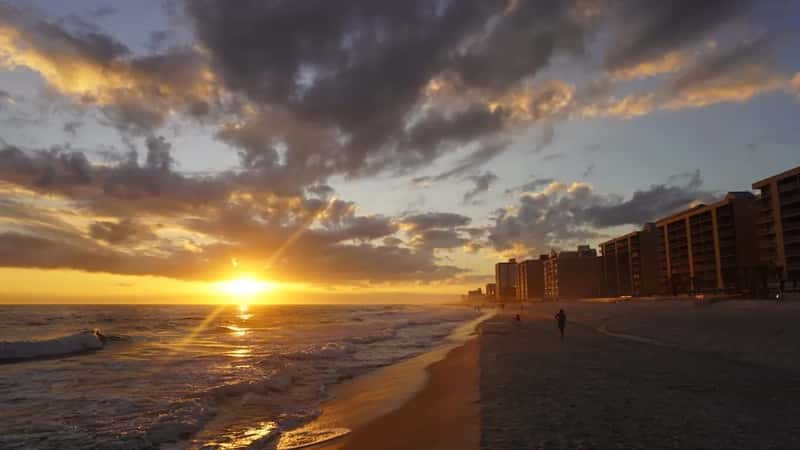
Gulf Shores has spent the last couple of years wrestling with a very specific kind of overcrowding problem tied to spring break season. City officials there have used seasonal beach rules to curb spring break behavior after past years brought fights, public intoxication, and injuries. For Spring Break 2026, the response got firmer still, as the city council approved a ban that makes it unlawful to possess or consume alcohol on the sand of public beach project areas during that stretch.
The crowding problem isn’t limited to the beach itself. A resident permit parking program began implementation in April 2025 for key downtown streets near beach access, restricting overnight parking on parts of Brighton Avenue and Wharf Road to permitted vehicles only. Locals have described it plainly: unmanaged day trips turned public streets into a free campground, and the new rules reset boundaries.
2. Tulum, Mexico
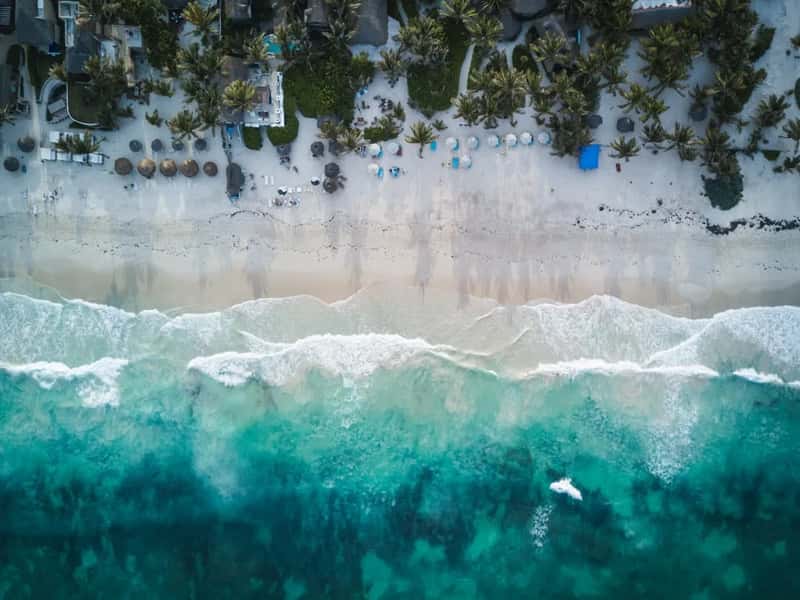
Tulum’s reputation as a laid-back boho escape has taken a real hit, and long-time visitors notice it immediately. One returning traveler put it simply, saying Tulum used to be a much more quiet and laidback place. It wasn’t as crowded as it has become, and everywhere wasn’t being developed like it is now. The worry among people who’ve watched the town grow is that it’s following the same path as Cancún before it.
New beach access fees have added fuel to the frustration. International visitors now pay around $22 to enter the beaches, while locals are charged $14, and the fees prompted protests and widespread criticism. Meanwhile, infrastructure hasn’t kept pace with the growth, since infrastructure has struggled to keep pace with the town’s rapid growth, with water rationing affecting several neighborhoods and public services remaining inconsistent.
3. Tenerife and the Canary Islands, Spain
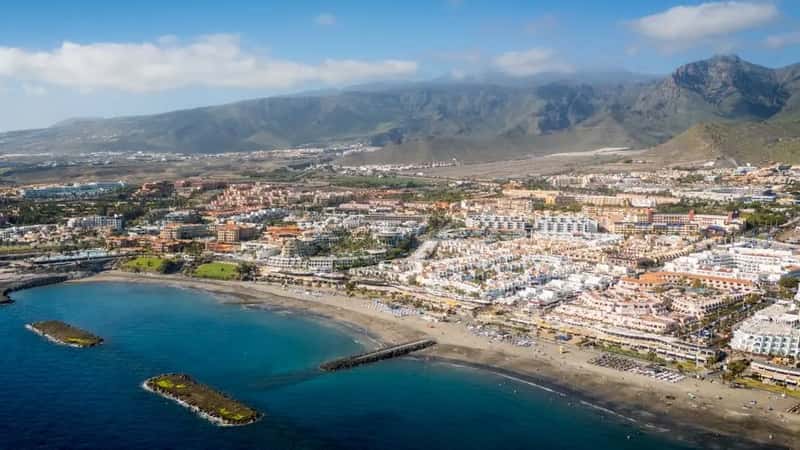
The Canary Islands keep setting new visitor records, and that’s exactly the problem residents point to. Canary Islands Tourism reports that these seven islands welcomed 1.23 million visitors in August 2025, 6% higher than last August and the highest number ever in any month. Over the first half of that same year, ten million foreigners visited the Canaries, most of them from the UK.
Locals have taken that frustration to the streets more than once. There have been multiple protests against overtourism on the Canary Islands in recent years, with thousands of people taking to the streets with signs that read things like “Canaries have a limit.” Beyond the crowds themselves, residents also point to strain on water supply and waste systems, resources that were never built for the current scale of tourism.
4. Mallorca and the Balearic Islands, Spain
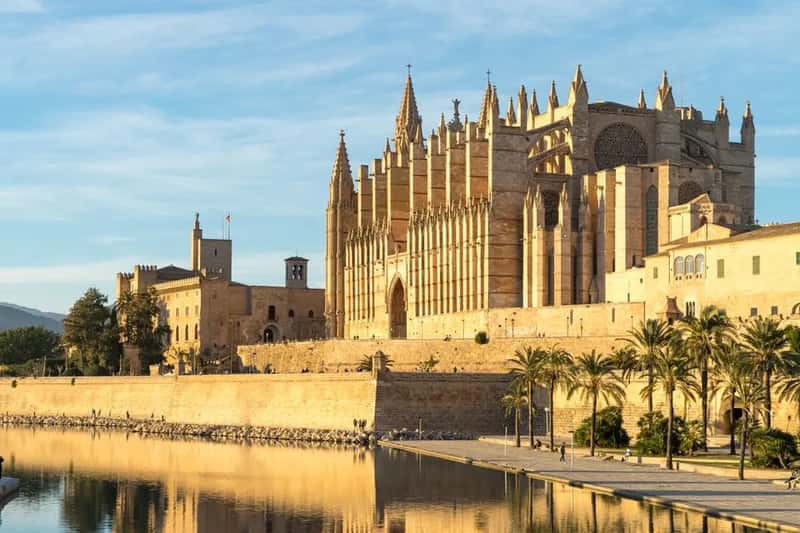
Mallorca has become something of a flashpoint in Spain’s broader overtourism debate, particularly around housing. After locals took to the streets in Barcelona to protest rocketing housing costs, the city’s mayor aimed to ban all short-term rentals by 2028, planning to strip licences from over 10,000 Airbnb-style apartments to rescue a housing market where rents have spiked by 68 percent. The same pressures that hit Barcelona have rippled out to beach towns across the Balearics.
Spain’s government has taken broader action too, and the numbers show why. The Spanish government took action by removing 65,000 Airbnb listings and introducing a tax on foreign buyers. For everyday residents trying to reach their own coastline, the math has gotten uncomfortable, with local tourism falling in Spain by 800,000 people while foreign tourism increased by 1.94 million visitors, according to Associated Press reporting.
5. Mombasa, Kenya
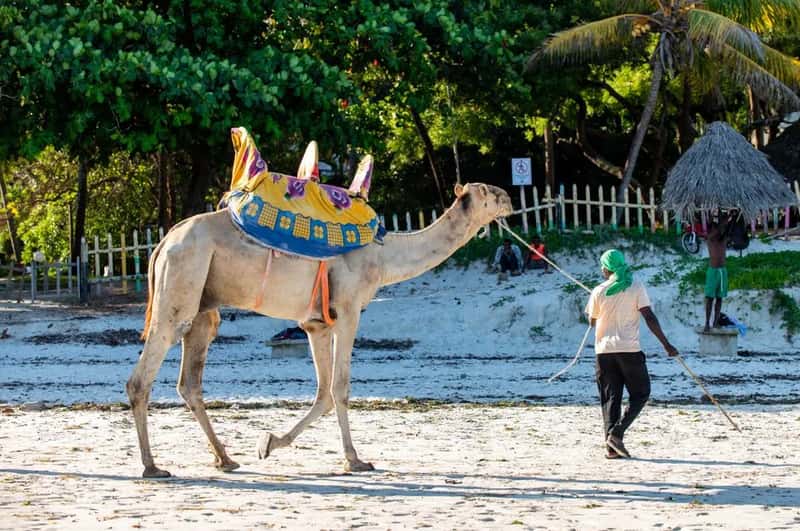
Mombasa’s beaches have become a case study in how quickly cruise tourism can overwhelm a coastal city. Reports note that Kenya’s second-largest city exceeded 2 million tourist arrivals in 2024, leading to overwhelmed public services and infrastructure failure. Fodor’s travel guide flagged the city specifically for beach related strain, describing congested roads, overcrowding, and littered beaches as visible signs of the pressure.
Since Mombasa handles the overwhelming majority of Kenya’s coastal tourism traffic, the strain concentrates in one place rather than spreading out. Post-pandemic, Mombasa, which receives 70% of all coastal visitors, is struggling with congestion, polluted beaches, overstretched infrastructure, and encroachment along its shoreline. Local tourism officials have acknowledged the problem publicly and say management measures are in development, though residents are still waiting to see meaningful change on the ground.
6. Bournemouth, England
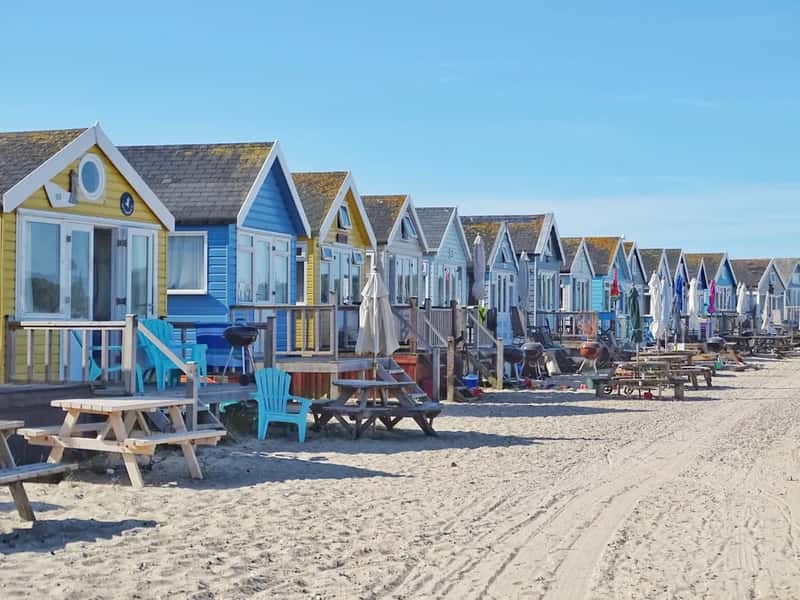
Not every overcrowding complaint comes from a sun-soaked Mediterranean island. Bournemouth, on England’s south coast, has earned an unexpected distinction as Europe’s most complained about stretch of sand, according to a report based on TripAdvisor reviews. That’s a notable label for a town that’s long marketed itself as a classic British seaside escape.
The complaints tend to center on the sheer density of people during warm weekends, when the beach fills up faster than parking or transport links can handle. Local councils have periodically discussed capacity measures for peak days, though nothing as formal as continental crowd caps has taken hold yet. For residents, the frustration is less about tourism itself and more about a town that occasionally feels like it’s bursting at the seams for a few chaotic weekends each summer.
7. Isola Sacra, Fiumicino, Italy
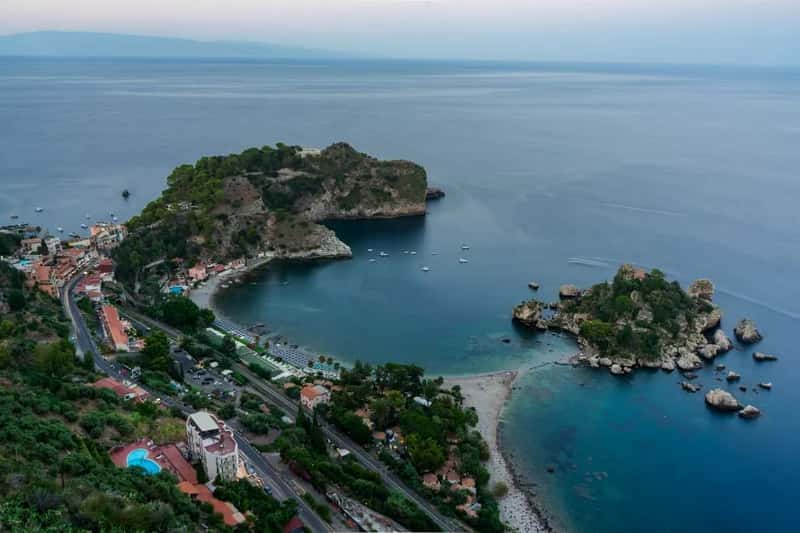
Just twenty miles from Rome sits a coastal district most travelers had never heard of until recently, and that’s exactly the issue now. Fodor’s described Isola Sacra as a quiet coastal district in the town of Fiumicino, just 20 miles from Rome, that’s now absorbing overflow from the capital’s own tourism crush. It made the guide’s 2026 “No List” alongside far more famous names.
The overflow effect is a real and documented pattern in Italian tourism right now. Even smaller settlements like Isola Sacra in Italy are feeling the “overflow effect” from neighboring Rome, and the influx has reportedly degraded local natural resources while pushing up living costs for people who actually live there year round. It’s a reminder that overtourism doesn’t stay contained to famous landmarks. It spreads outward into the quieter places nearby.
8. Comino Island, Malta
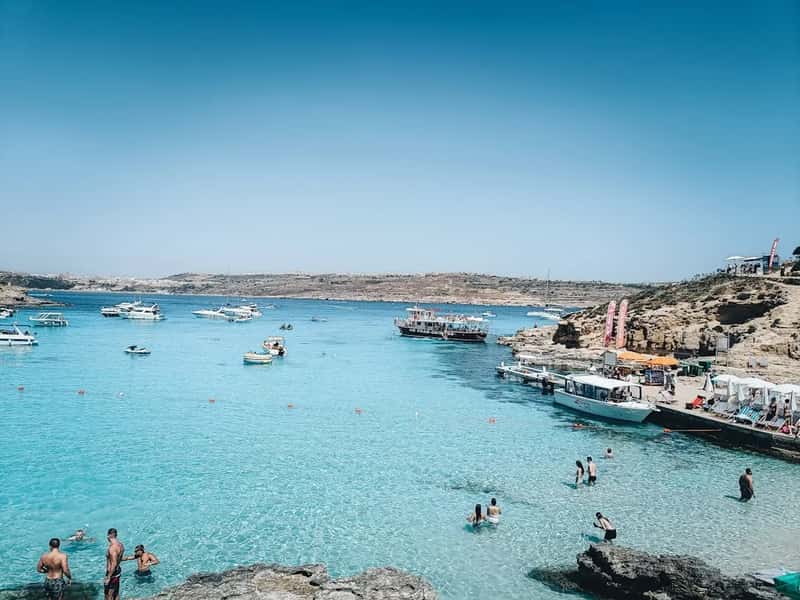
The Blue Lagoon on Comino Island became so overrun that Maltese authorities had to intervene directly. Before the fix, it was a nightmare of shoulder-to-shoulder selfie sticks, according to Time Out’s reporting on the situation. The scale of the crowding was genuinely extreme for such a small stretch of water.
Malta’s solution involved a booking system that visitors now have to use. To fix the beach overcrowding, Malta introduced an online booking system, requiring visitors to snag a morning, afternoon or evening slot, capping crowds at 4,000 at any one time. The results were dramatic, since peak crowd numbers instantly plummeted from a suffocating 12,000 down to a breezy 3,830. It stands as one of the clearer examples of a beach destination actually solving its crowding problem rather than just talking about it.
9. Santorini, Greece
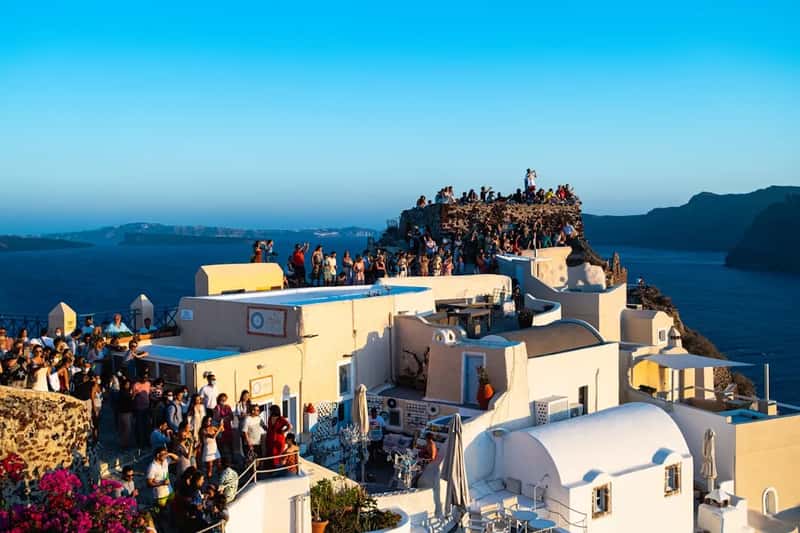
Santorini’s beaches and caldera views have long been an Instagram staple, but the island has now reached what officials themselves are calling a breaking point. Greece introduced a Special Spatial Framework classifying Santorini as a “saturated zone” in May 2026, with new hotel construction facing strict capacity caps. Some of the island’s beaches have also gained new legal protection, since several Santorini beaches now fall under Greece’s “Untrodden Beaches” protection, meaning no sunbeds, no commercial activities, no structures.
Cruise arrivals tell the rest of the story. Santorini enforces a daily limit of 8,000 cruise passengers, a figure that sounds generous until you consider that day-visitor surges reached 11,000 to 17,000 on some days before the policy came in. For an island of roughly fifteen thousand residents, that kind of daily influx explains exactly why locals started pushing back.
These nine towns don’t share a single cause for their crowding troubles. Some are dealing with cruise ships, others with short-term rentals eating up housing stock, and others simply with more people discovering a place at once than the infrastructure was ever built to handle. What connects them is a familiar tension between the economic upside of tourism and the daily reality of living somewhere that’s stopped feeling like home for the people who actually live there. Whether the fixes being tried, from booking caps to rental bans to seasonal alcohol restrictions, actually hold up over the next few summers is still an open question.