A ticket price rarely tells the whole story anymore. That’s true for every traveler, but it hits differently for older adults who may book by phone, travel with more medical gear, or simply expect a fare to work the way it did a decade ago.
The airline industry has quietly rebuilt its pricing model around add-on charges, and 2026 has been an especially active year for fee hikes. Below are six charges that tend to catch older travelers off guard, often because the habits that once worked just fine no longer line up with how airlines price things today.
1. Checked baggage fees that jumped again this year
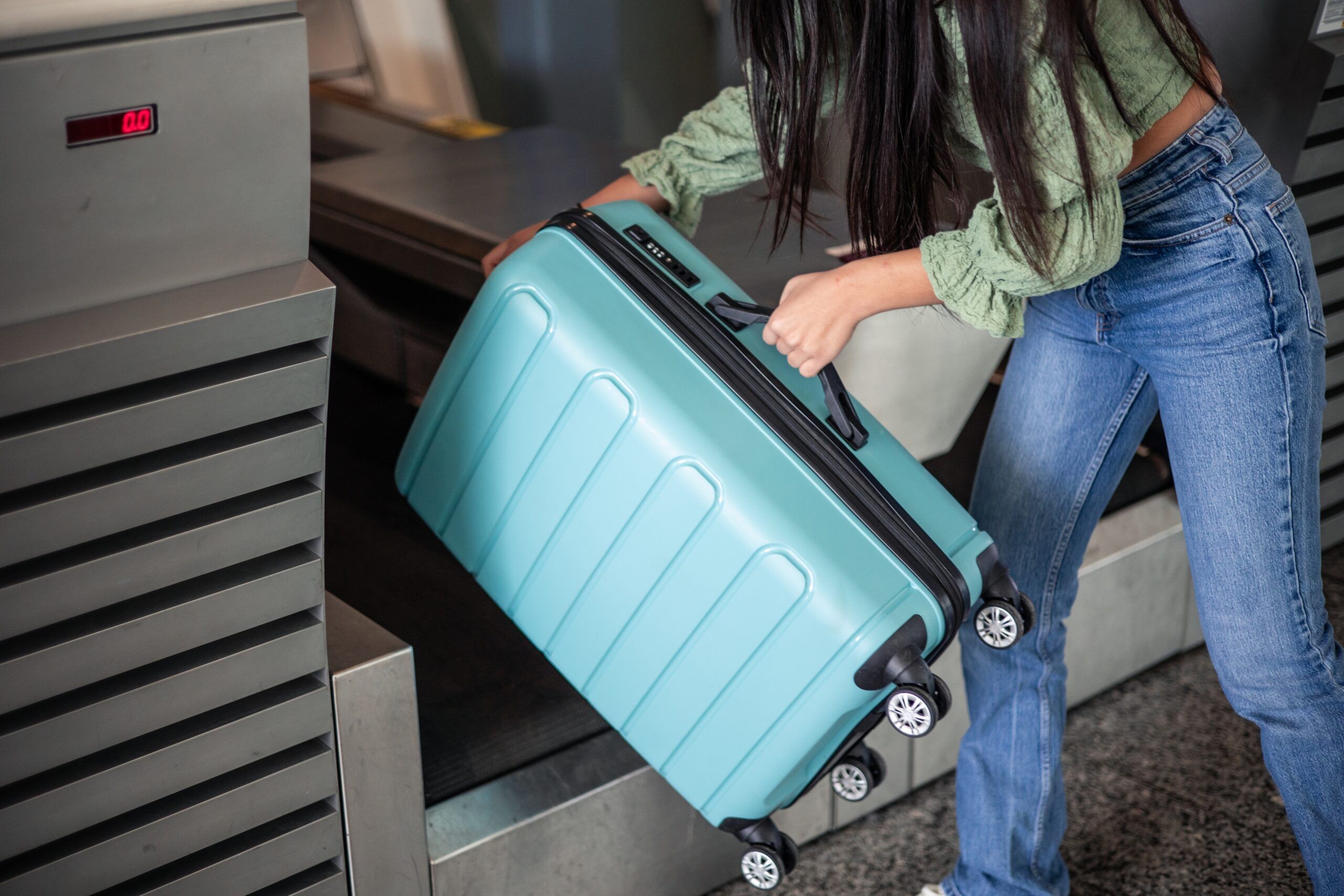
Checked bag fees have climbed sharply in 2026, and the timing was almost synchronized across the industry. Every major US airline raised checked baggage fees in the same week, between April 3 and April 9, 2026, with Delta, United, Southwest, American Airlines, and JetBlue all increasing what travelers pay to check a bag.[1] Airlines pointed to a specific cause rather than routine inflation.
The trigger was a wartime fuel crisis, as jet fuel prices more than doubled since February 2026 following US and Israeli military strikes on Iran, disrupting the Strait of Hormuz, through which roughly one fifth of the world’s oil passes.[1] The practical result is that the typical fee for a first checked bag is now about $45[2], up from the $35 many travelers had grown used to. For someone who checked a bag for years without thinking twice about the cost, that’s a real jump worth budgeting for before booking.
2. Seat selection fees on fares that used to include a seat
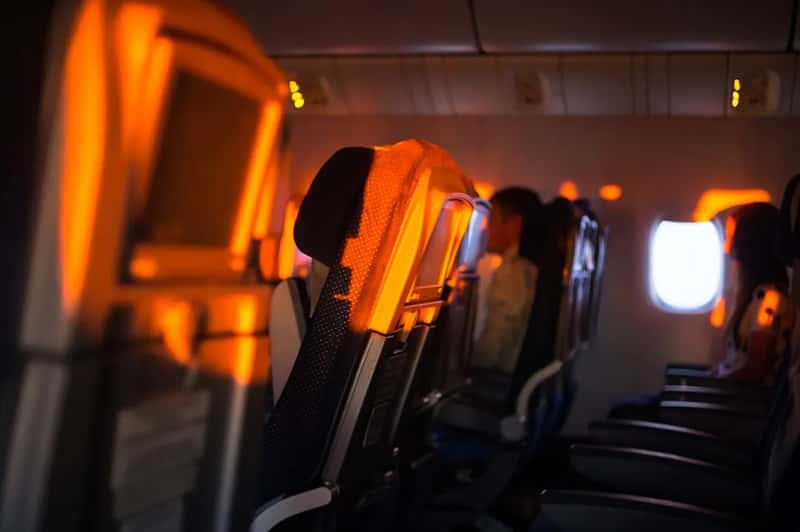
Choosing where you sit on a plane increasingly comes with a price tag, especially for anyone flying on a discount fare. Basic economy is where these fees concentrate, and American, Delta, United, JetBlue, Alaska, and Southwest all restrict or charge for advance seat selection on their lowest fare.[3] That matters for older travelers who often prioritize an aisle seat or proximity to the restroom.
Southwest’s long-standing open-seating model, something many loyal older flyers relied on for decades, is gone. Southwest ended open seating on January 27, 2026, and its Basic fare now gets a Standard seat assigned at check-in, with paid selection available for a better location.[3] On other carriers, United charges from $15 per flight to pick a basic-economy seat and from $24 for a preferred seat, as of August 2026.[3] Skipping the fee usually just means a random assignment, sometimes a middle seat, at check-in.
3. Phone booking fees that penalize travelers who avoid apps

Booking by phone instead of through an app or website has long been the more comfortable option for many older travelers, but it is becoming the more expensive one too. Alaska Airlines made that shift explicit in 2026. Anyone who calls Alaska’s reservation line to make a new booking is charged $30 per person, up from the previous $15.[4]
The airline frames it as a program update, but the effect lands unevenly. The airline describes it as a routine update to its rewards program, though it effectively functions as a penalty on travelers who do not, or cannot, use the app.[4] Other carriers already charge a comparable fee for phone bookings, so it’s worth checking a specific airline’s phone reservation policy before dialing customer service out of habit.
4. Airport counter surcharges instead of prepaid online rates
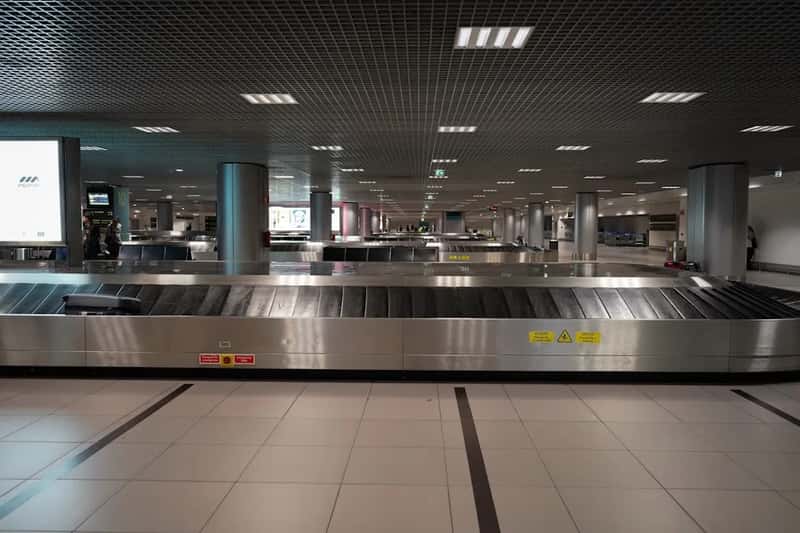
Paying for a bag at the airport counter instead of online ahead of time is one of the most common ways travelers overpay without realizing it. The gap between the two prices has widened along with this year’s fee increases. For most passengers on United, the first checked bag is now $50 when paid at the airport versus $45 prepaid, and the second checked bag is $60 at the airport versus $55 prepaid.[5]
That five to ten dollar difference per bag, per direction, adds up quickly on a round trip with two bags. Paying for a bag online at least 24 hours before departure typically brings a discount of $5 to $10 over airport pricing, and cobranded airline credit cards often waive the first bag fee entirely.[6] For travelers who are used to sorting out logistics at the counter in person, that habit alone can quietly cost real money over a year of travel.
5. Basic economy change and cancellation penalties
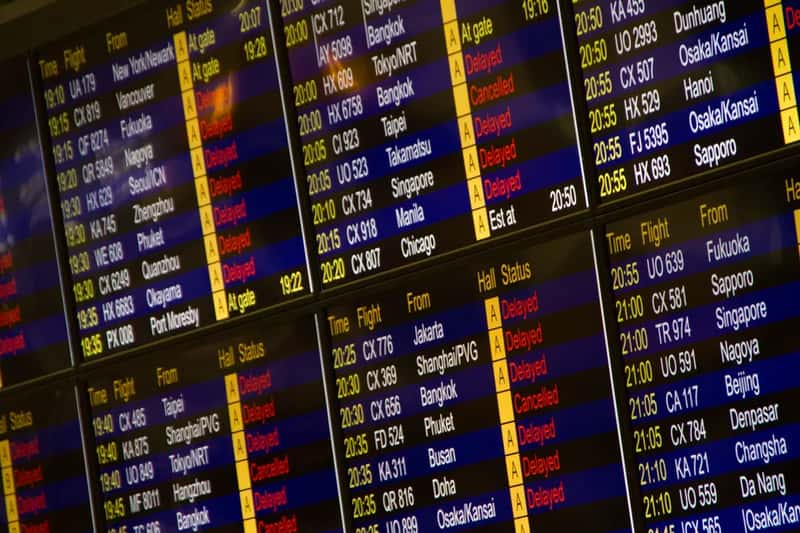
Health issues, weather, and family emergencies do not respect a fare class, but airlines mostly still do. Basic economy tickets remain the least forgiving fare type across the industry. Basic economy is non-changeable on United, Delta, American, and Alaska Saver, so a price drop cannot be repriced on those tickets.[7]
Cancelling instead of changing doesn’t necessarily solve the problem either, and it rarely returns cash. Cancelling a United basic economy fare after the 24-hour window results in a partial travel credit worth the original fare minus a cancellation fee, reported at $49.50 one-way and $99 round-trip on domestic itineraries.[7]
6. Overweight and oversized baggage fees for extra gear
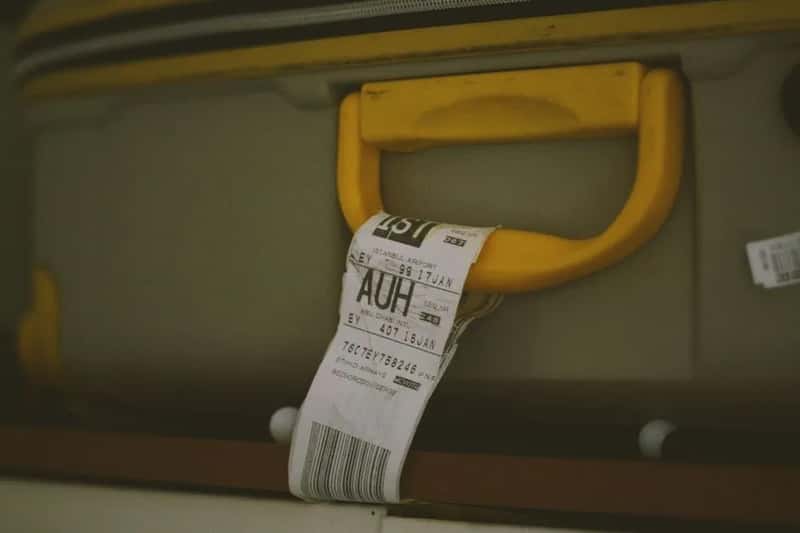
Older travelers often pack differently than younger ones, whether that means extra medication supplies, a CPAP machine, mobility aids, or simply a bit more clothing for comfort. When a bag creeps over the standard weight or size limit, the penalty is steep. Overweight baggage fees generally range from $100 to $200 depending on the airline and bag weight.[2]
The math gets worse with a third bag on the trip. On domestic flights, travelers pay $200 each way for a third checked bag, a $50 increase from before.[8] It’s worth weighing a bag at home before heading to the airport, since most airlines allow checked bags up to 50 pounds and 62 linear inches in total dimensions[2], and going even slightly over that limit triggers the full overweight charge rather than a prorated one.
None of these fees are secret exactly, but they’re scattered across fine print, fare rules, and airline announcements that most travelers never read closely. Checking the specific policy for checked bags, seat selection, phone bookings, and change rules before booking, rather than after arriving at the airport, is still the simplest way to avoid an unpleasant surprise at the counter.