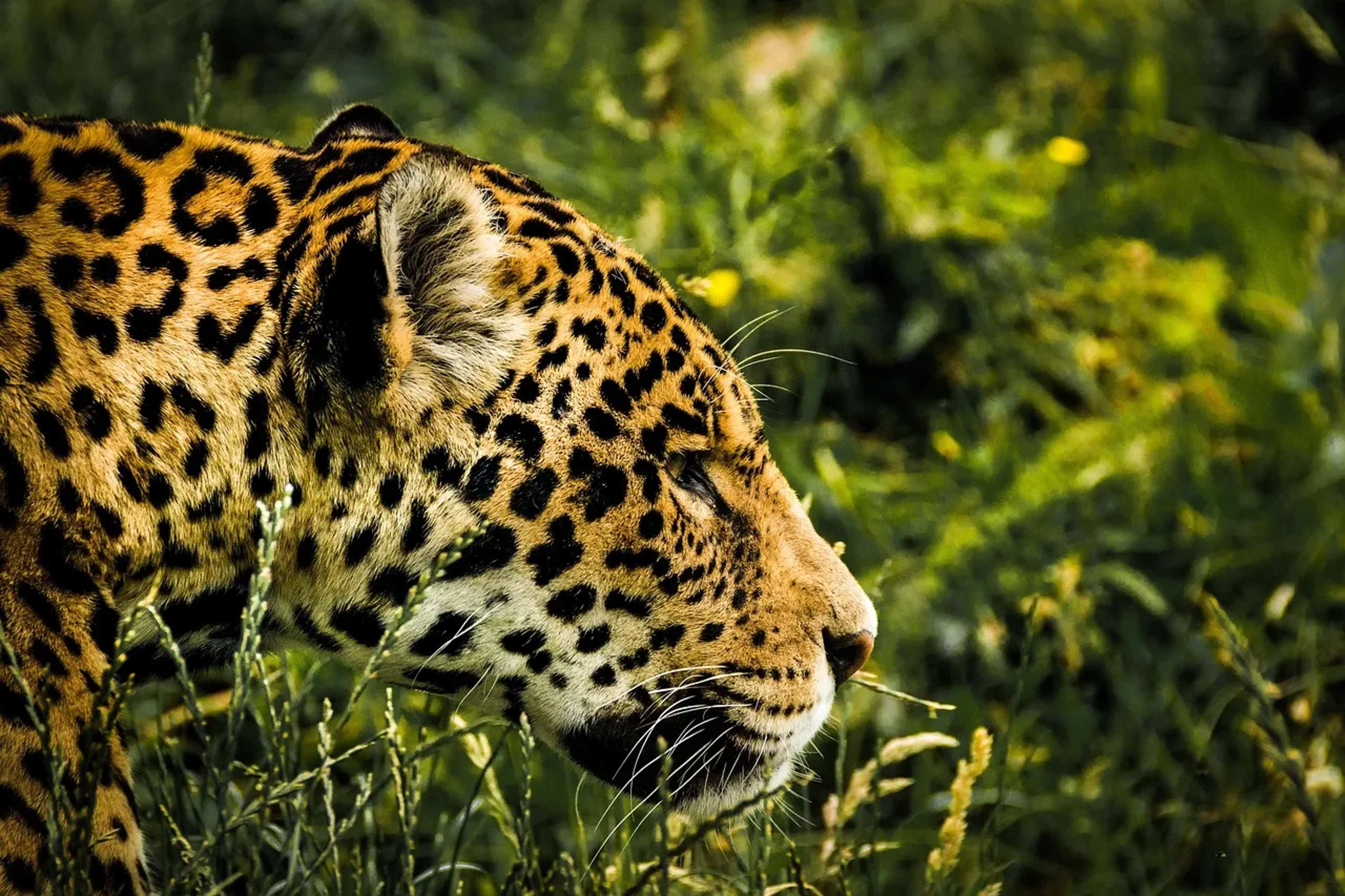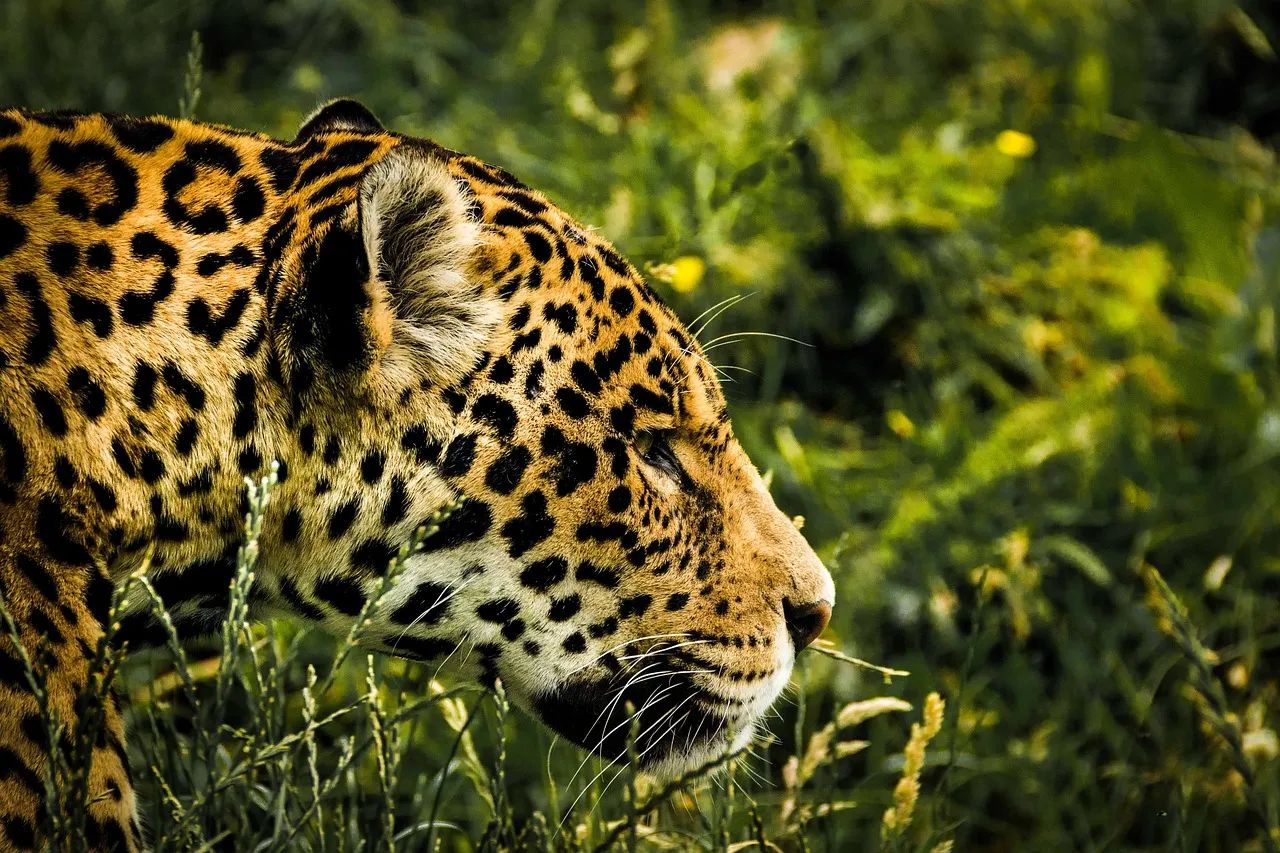
For tourists on a boat tour through Brazil’s Pantanal, a jaguar sighting is nearly guaranteed. The region is the world’s largest wetland and has the highest jaguar population density on Earth. A new study there suggests the big cats are far more social than their reputation as lone hunters would predict. ([1])
A Reputation Built on Limited Views
Jaguars have long been considered solitary animals that tolerate other cats mainly during mating or while raising cubs. That picture has shaped how scientists and conservationists think about the species, and it has rarely been challenged with much data.
Much of what researchers previously learned came from camera traps and genetic testing. Valeria Boron, the study’s lead author and a senior program adviser for Latin America at WWF UK, has said these methods cannot fully capture the range of jaguar interactions. In other words, the methods could miss the everyday encounters that reveal how the animals actually behave.
Thirteen Years of Daily Observation
The research draws on the Jaguar ID project, which has conducted daily surveys during the Pantanal’s dry season, from June to October, since 2013. Scientists collect photos and videos and identify individual cats by their distinctive rosette patterns. So far, the project has identified 459 individual jaguars.
Citizen scientist data adds to that record. Boron described the combined images as a treasure of information about the species and its social interactions. The team analyzed 13 years of material, which allowed it to examine patterns that shorter studies would likely miss.
What the Encounters Revealed
Across 167 recorded instances of jaguar pairs interacting, the researchers found clear differences based on sex. The breakdown is summarized below.
| Pair type | Share of recorded interactions |
|---|---|
| Two males | Nearly half |
| Male and female | 31% |
| Two females | 17% |
The interactions were not all friendly. Roughly a quarter were aggressive, while 36.5% were neutral, with individuals resting or hunting independently. The remaining share falls outside what the published excerpt describes, so the full picture depends on the complete study.
Open Questions for Researchers and Visitors
The findings challenge a long-standing assumption, but they also leave gaps. The available material does not explain why the cats pair up or whether these encounters reflect lasting bonds. It also does not establish how the social behavior affects survival or breeding.
For wildlife travelers, the study adds depth to a familiar experience. A jaguar glimpsed from a tour boat may be part of a wider social network that scientists are only beginning to map. Future research could show whether these patterns hold across other jaguar habitats, and how the animals’ behavior may shift as their wetland home changes.