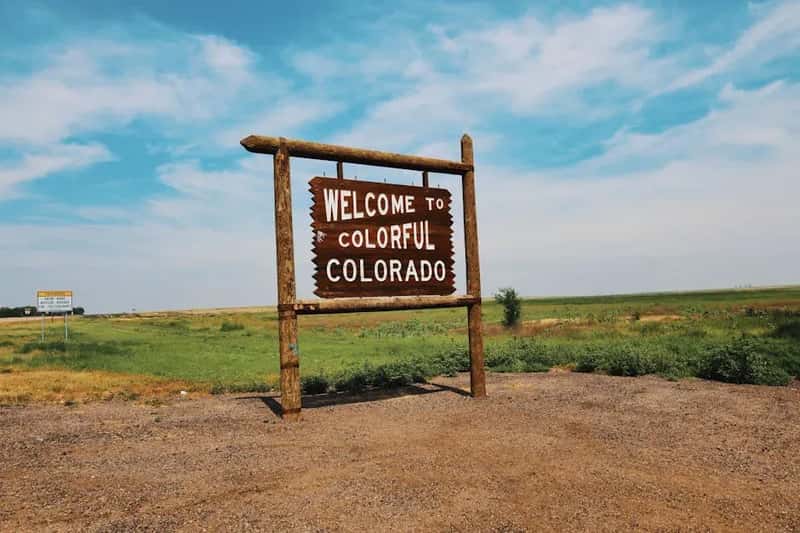
Colorado is genuinely one of the most breathtaking places in America to spend your retirement years. Mountains everywhere, crisp air, a culture that practically begs you to stay active, and a social scene built around hiking boots and craft beer rather than traffic jams. Honestly, the appeal is hard to argue with. The problem? WalletHub ranks Colorado as the third-best state to retire overall, but since it ranks at number 15 for affordability, it simply remains out of reach for many retirees on a fixed income.
Here’s the thing though – that mountain lifestyle you’re craving doesn’t have to cost you a fortune. There are places scattered across the American West, the South, and even the Northern Rockies that deliver nearly everything Colorado promises: jaw-dropping scenery, outdoor adventure, walkable small-town character, and a community that feels genuinely alive. You just have to know where to look. Let’s dive in.
1. Pueblo, Colorado – The Affordable Colorado That Actually Exists
Let’s start with the obvious secret hiding in plain sight. Pueblo, located just 42 miles south of Colorado Springs, proves you don’t have to choose between mountain living and affordable costs, boasting over 250 sunny days each year and living costs far below most Colorado cities. It often gets overshadowed by its flashier neighbors, but that’s exactly what keeps it affordable. Pueblo gets a BestPlaces Cost of Living score of 90.3, meaning the total cost of housing, food, transportation, healthcare, and other necessities runs about nearly ten percent lower than the U.S. average and more than a quarter below the Colorado state average.
The city offers extensive recreation including the Pueblo Riverwalk for downtown waterfront access, Lake Pueblo State Park for boating and fishing, multiple golf courses, and lifelong learning opportunities at Pueblo Community College. Pueblo’s overall cost of living measured below the U.S. average in 2024, with housing costs approximately sixteen percent below national levels, and robust healthcare through Parkview Medical Center and St. Mary-Corwin Medical Center. I think this one is criminally underrated.
2. Rapid City, South Dakota – Black Hills Beauty on a Budget
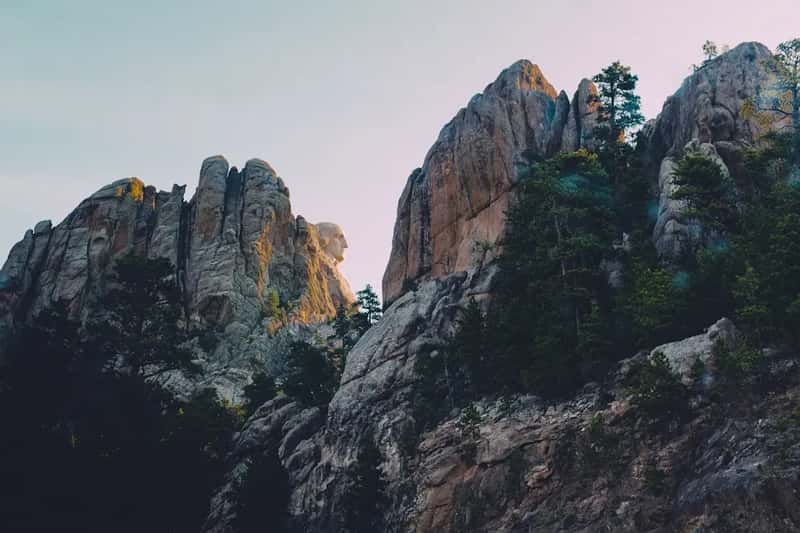
Rapid City has Black Hills views, proximity to Mount Rushmore, and a low-key vibe similar to Colorado’s smaller towns – and it’s known as the “Gateway to the Black Hills,” making it an adventurer’s dream. The landscape here genuinely rivals anything you’d find near Colorado Springs, with granite formations, pine forests, and wide-open skies that make you feel like you’re breathing differently. Housing in Rapid City runs roughly eighteen percent cheaper than the U.S. average, while utilities come in about eleven percent lower as well.
South Dakota carries one of the most retiree-friendly tax structures in the entire country, with no state income tax – which means your Social Security check and pension go further from day one. The region sits close enough to the Rocky Mountain ecosystem that wildlife sightings are common, and the sense of wide western space never really leaves you. It’s a surprisingly easy switch for anyone who loves Colorado’s outdoor culture.
3. Flagstaff, Arizona – High Altitude Living at a Lower Price
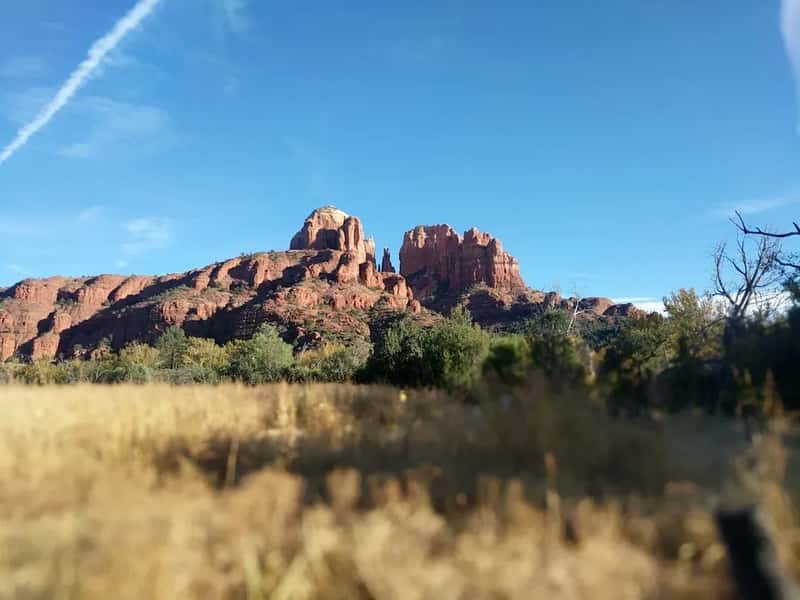
Surrounded by mountains, desert, and pine forests, Flagstaff will make you forget you’re not in Colorado – its nearly 7,000-foot elevation means you’ll enjoy those crisp, cool nights just like in the Rockies. This is not your average Arizona retirement story. There’s no blazing desert flatness here. Located 7,000 feet above sea level, Flagstaff isn’t far from the highest peaks in the entire state, making it a magnet for outdoor enthusiasts, skiers, snowboarders, and even elite runners and bikers.
Arizona is considered relatively tax-friendly for retirees – the state does not tax Social Security benefits and exempts up to $2,500 of certain other retirement income, and it does not tax U.S. military benefits, annuities, or pensions. More than 200 restaurants offer diverse dining options, and the award-winning Flagstaff Medical Center provides peace of mind when it comes to healthcare access. The four-season climate is a genuine surprise for most people who picture Arizona as relentlessly hot.
4. Taos, New Mexico – Art, Mountains, and a Soul Colorado Can’t Match
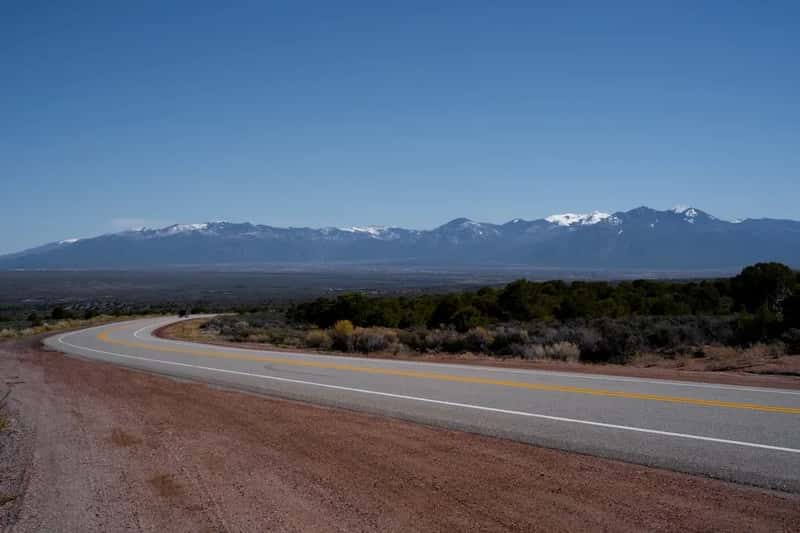
The calming desert beauty of Taos, coupled with stunning views of the Sangre de Cristo Mountains, gives this town some serious Colorado vibes. It’s the kind of place that pulls you in and doesn’t let go. Artists have been coming here for over a century for good reason. Located in northern New Mexico, Taos is a small town known for its unique culture and stunning natural beauty, with easy access to outdoor activities like skiing, hiking, and fishing, as well as a vibrant art scene.
Located near the Sangre de Cristo Mountains, Taos was named one of the best places to retire by SmartAsset, and the town has a small population of around 6,458 with a median rent of around $953. Taos Ski Valley attracts both mountain bikers and hikers in summer, while the nearby Río Grande del Norte National Monument delivers recreational opportunities such as fishing, camping, and whitewater rafting. It’s hard to say for sure whether any town in the Southwest captures the Colorado spirit more completely.
5. Asheville, North Carolina – Blue Ridge Mountains with an Artsy Twist
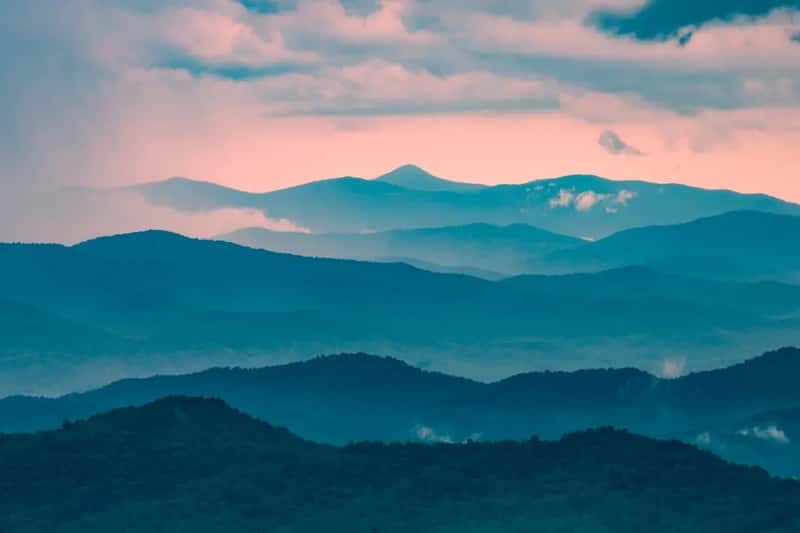
Love Colorado’s outdoors paired with a touch of culture? Asheville is your answer – with stunning mountain ranges, artsy vibes, and a craft beer scene to rival Boulder’s, having even been named Beer City USA. The Blue Ridge Parkway basically wraps around the city like a gift. It feels familiar to any Colorado lover instantly. Asheville’s housing runs about four percent cheaper than the U.S. average, while groceries are roughly two percent below national costs as well.
Set in the Blue Ridge Mountains, Boone – Asheville’s close neighbor – features four seasons, endless outdoor activities, and a walkable downtown, with the Greenway Trail offering easy but scenic hikes for older seniors, while Grandfather Mountain provides more rigorous hiking. The entire western North Carolina region operates at a pace that feels intentional rather than rushed. The fall foliage alone is worth the move. North Carolina also offers meaningful tax advantages for retirees compared to many other states.
6. Craig, Colorado – The Real Colorado Without the Tourism Premium
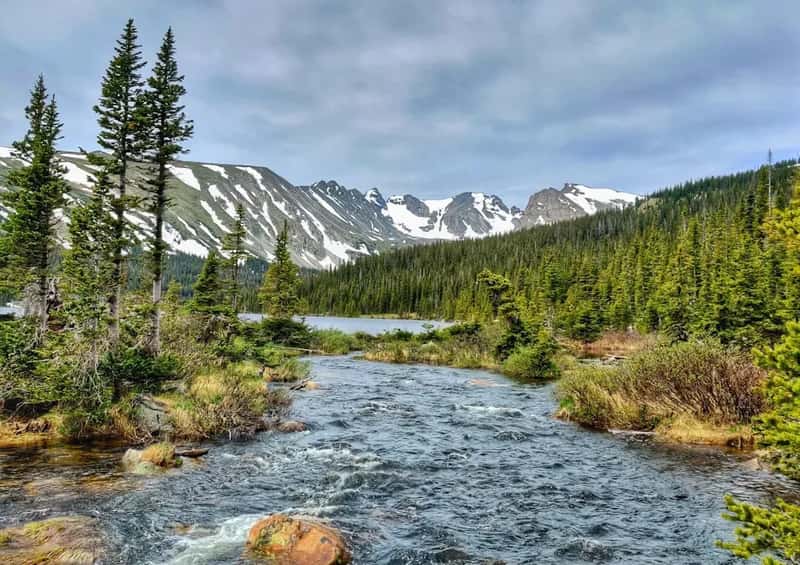
Wait, another Colorado town? Yes. Because Colorado is big, and most people only think of Vail, Aspen, or Denver. Craig is a small town nestled among beautiful mountain landscapes that offers a welcoming atmosphere perfect for retirees, and while the average Colorado home is priced around $585K, Craig makes it easier for retirees to stretch their dollars with a median home price of around $365K. That’s a massive difference. Craig is famously known as the Elk Hunting Capital of the World, offering plenty of opportunities to explore nature via hiking trails and scenic paths, with year-round adventures at nearby Cedar Mountain just a fifteen-minute drive away.
There are no ski resort crowds here, no boutique hotel lines, and no $18 avocado toast. Just real mountain life, real neighbors, and real quiet. History lovers can visit the Wyman Living History Museum, a reconstructed homestead barn where you can learn more about the area’s past and traditional ways of life. It’s worth considering if your dream was always Colorado specifically but your budget kept saying no.
7. Boone, North Carolina – A University Mountain Town That Punches Above Its Weight
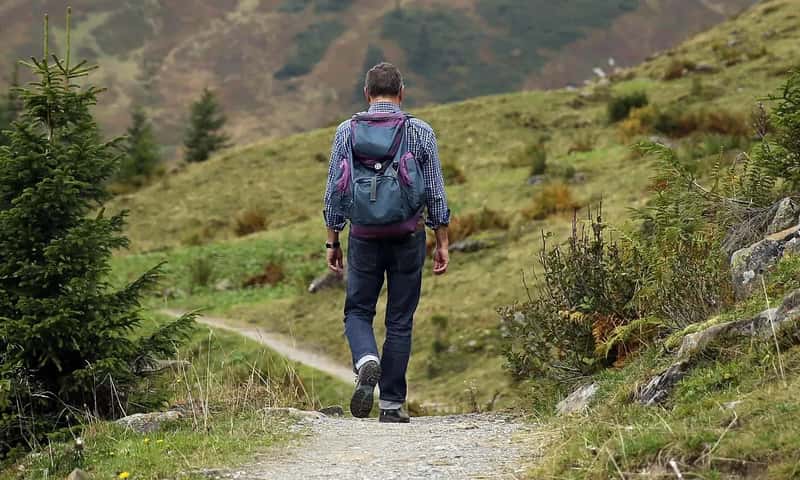
Boone deserves its own spotlight separate from Asheville. It’s smaller, quieter, and honestly feels more like a Colorado mountain town than Asheville does in some ways. Set in the Blue Ridge Mountains, Boone features four seasons, endless outdoor activities, and a walkable downtown. It sits at an elevation of around 3,300 feet, and it actually gets real winter – something most retirees from the Rockies actually miss when they move somewhere warm. The fall and winter seasons here feel properly mountainous.
The presence of Appalachian State University gives the town a cultural energy and intellectual liveliness that punches well above its population size. You get gallery openings, live music, and a food scene that keeps improving year over year. The Greenway Trail offers easy but scenic hikes for older seniors, while Grandfather Mountain provides more rigorous terrain for those who still want a genuine challenge. Home prices here remain meaningfully below national mountain resort averages, making it a genuine value play in 2026.
8. Westcliffe, Colorado – Stargazing, Sangres, and Stunning Affordability
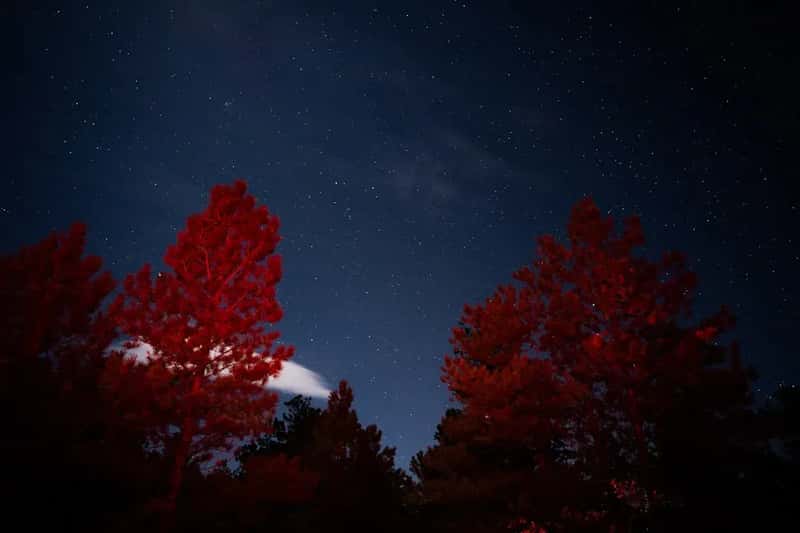
If you want the soul of Colorado without paying Denver or Aspen prices, Westcliffe might be the most underrated answer on this entire list. Westcliffe is a quiet community surrounded by the Sangre de Cristo Mountains and filled with wide-open skies, and unlike pricier mountain towns, it keeps housing costs near the Colorado state average, making it an attractive option for retirees who want to enjoy mountain beauty. The scenery is legitimately stunning – like something out of a landscape painting you’d pay good money to own. Westcliffe is recognized as an International Dark Sky Community, meaning its starlit nights are some of the clearest you’ll find anywhere in the Rockies, and the Smokey Jack Observatory takes full advantage of those skies, offering community stargazing events that bring neighbors together.
Outdoor lovers find endless opportunities for scenic drives and gentle hikes in the San Isabel National Forest, which borders the town. While it’s a smaller community, basic healthcare is available locally, and larger hospitals in Pueblo or Cañon City are within driving distance. Think of Westcliffe as Colorado on its own terms, uncrowded, authentic, and genuinely proud of it. For the retiree who wants the real thing without the resort markup, this is where to look.
The dream of mountain living doesn’t come with a single price tag. From the surprising affordability of Pueblo and Westcliffe within Colorado itself, to the rugged cowboy character of Buffalo, Wyoming, and the soulful adobe warmth of Taos, there is a version of that Colorado lifestyle waiting at almost every budget level. The key is being willing to look just a little beyond the obvious. What do you think – did any of these surprise you? Drop your thoughts in the comments below.