Most passengers assume the cabin they book is the cabin they’re stuck with until the ship docks again. That’s rarely the full picture. Behind the scenes, cruise lines run a handful of systems, some automated, some human, that quietly move guests into better rooms without much fanfare.
None of this is secret exactly, but it isn’t shouted about at booking either. Crew members, revenue managers, and the algorithms running loyalty programs all have their own quiet levers to pull, and knowing which ones exist can change how you plan a cruise from the very first click.
1. Guarantee cabin placements that land higher than expected
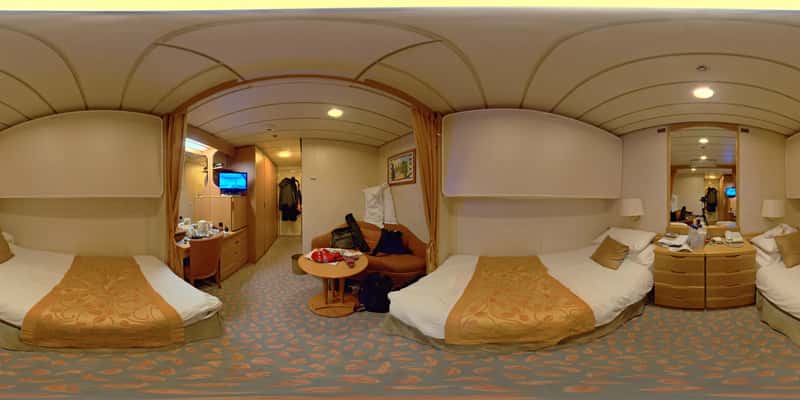
A guarantee cabin means you’re locked into a category, like an oceanview or balcony, but the ship assigns the specific room shortly before departure. A guarantee cabin means you’re assured a cabin in the category you requested, but are not assigned a specific cabin until a short time before departure, usually a week, give or take.[1] When that category fills up faster than expected, the cruise line has to put you somewhere.
If you book a guarantee cabin in a certain category and it’s full, you might well be upgraded for free.[1] It’s not guaranteed to work in your favor every time, since someone else, perhaps a member of the cruise line’s loyalty program with higher status, might nab the upgrade instead.[1] Still, for travelers comfortable giving up some control over exact deck location, it remains one of the more reliable paths to a complimentary bump.
2. Bidding programs that quietly move unsold suites
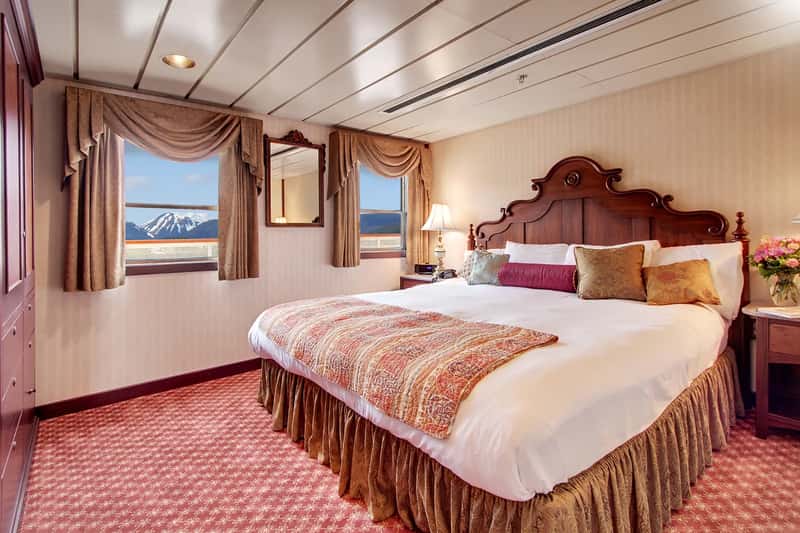
Most major lines now run a formal bidding system for upgrades, and the mechanics are strikingly similar across brands. Plusgrade is a third-party software company that powers the cruise cabin upgrade bidding programs for most major cruise lines, including Royal Caribbean, Celebrity Cruises, Norwegian Cruise Line, Carnival Cruise Line, Princess Cruises, MSC Cruises, and Holland America Line.[2] Royal Caribbean’s version is called RoyalUp, Celebrity’s is MoveUp, and Princess runs its own Princess Upgrade program built on the same underlying technology.
The auctions are structured to work in the cruise line’s favor, but savvy bidders can still come out ahead. All Plusgrade auctions are blind, meaning bidders cannot see competing bids, which is designed to encourage bidders to bid above real market value.[2] Timing matters too. Bids can often be adjusted right up until close to departure, and prices sometimes soften as the ship finalizes its inventory in the final days before sailing.
3. Loyalty tier status that unlocks automatic consideration
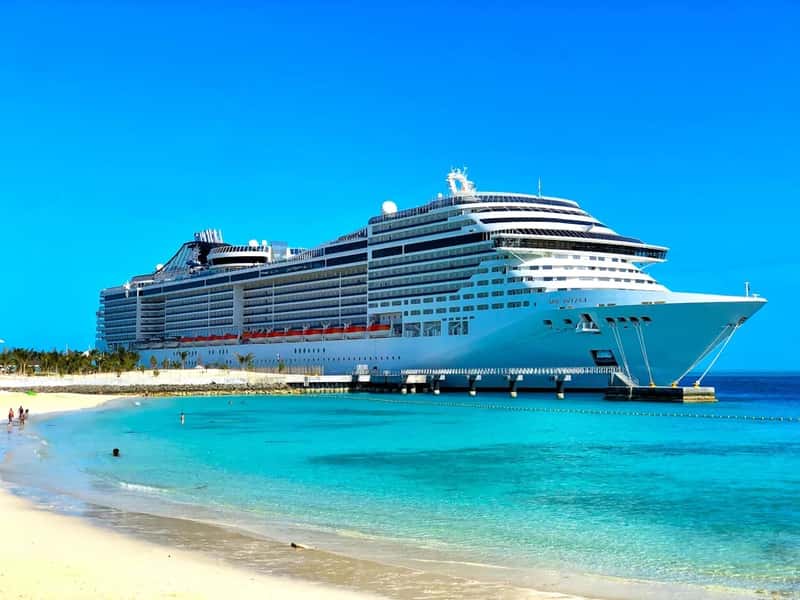
Frequent cruisers rarely need to ask twice, because the system already knows who they are. Frequent cruisers are more likely to get complimentary or discounted upgrades, because loyalty perks favor higher-status members.[1] Some brands go further than simple consideration and build in near-automatic placement for top-tier members.
Reaching the highest loyalty rungs can pay off directly at check-in. If you reach the top Diamond status with Carnival Cruise Line’s Very Important Fun Person loyalty program, you get a one-time free cabin upgrade.[3] On other lines, elite members traveling on shorter or repositioning sailings sometimes see suite-category upgrades applied with little more than a status check by the front desk.
4. Waiting past embarkation day to ask guest services
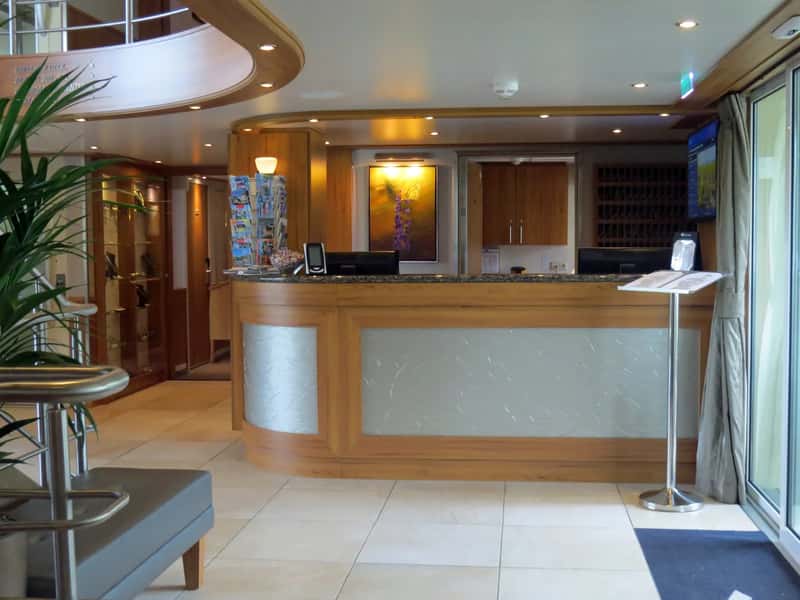
Timing a request matters almost as much as making one. Don’t make your move on embarkation day, when the Guest Services desk is swamped and everyone else is asking for a free upgrade.[4] The desk staff are dealing with lost luggage, dining reservations, and a hundred other first-day questions, which makes it the worst moment to ask for a favor.
A better window opens once the ship has actually sailed. Wait until after the first port of call, since by then the ship staff will know which passengers were no-shows or left the ship early and it’s too late for anyone to book the cabin.[4] At that point, the cruise line can’t make money on the empty room and no one else is bothering them about it, so managers may just let you have it.[4]
5. Travel agents calling in a quiet favor

A good travel agent has relationships that individual travelers simply don’t. Travel agents, especially those who do a lot of business with a particular cruise line, have a certain amount of pull, and your agent might be able to snag you an upgrade by contacting the cruise line and asking for a favor.[3] This isn’t a formal program with published rules; it’s closer to a relationship being cashed in.
Sometimes the upgrade shows up without warning. You might not know you have been upgraded until you get to the ship.[3] Agents who book heavy volume with a specific line tend to have the most success here, since the cruise line has a clear incentive to keep that agent, and by extension their clients, happy.
6. Opting into auto-upgrade at the time of booking
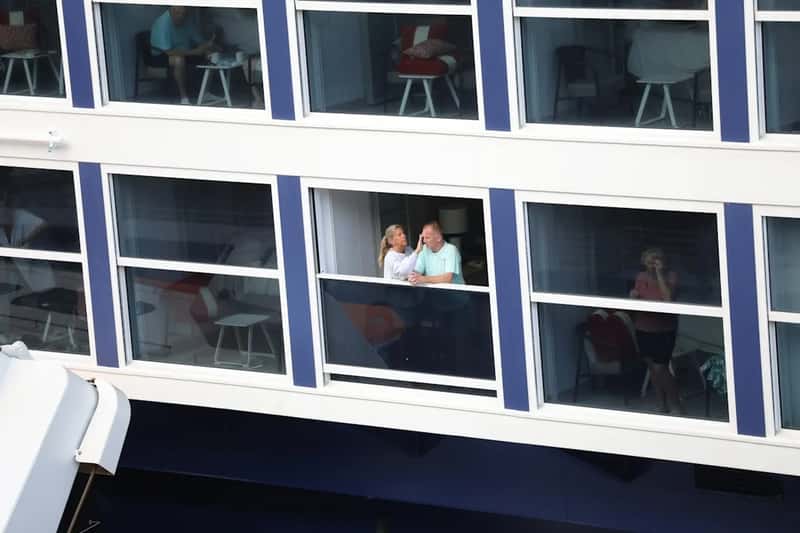
Many booking flows include a checkbox that’s easy to miss, and it can matter more than people realize. When booking a cruise, travelers have the option of accepting an auto upgrade, and if the line has empty cabins, they often move people who have said they will accept auto-upgrades up one or two cabin grades.[5] The logic makes sense from the cruise line’s side: this frees up lower-grade cabins, which are easier to sell and fill than higher-grade cabins.[5]
There’s a tradeoff worth knowing about before checking that box. Travelers who accept auto-upgrades typically have no say in the specific cabin they get moved to.[5] For anyone with strong preferences about deck location or proximity to elevators, it’s worth weighing that loss of control against the potential gain in cabin category.
7. Special-occasion notes attached to a reservation
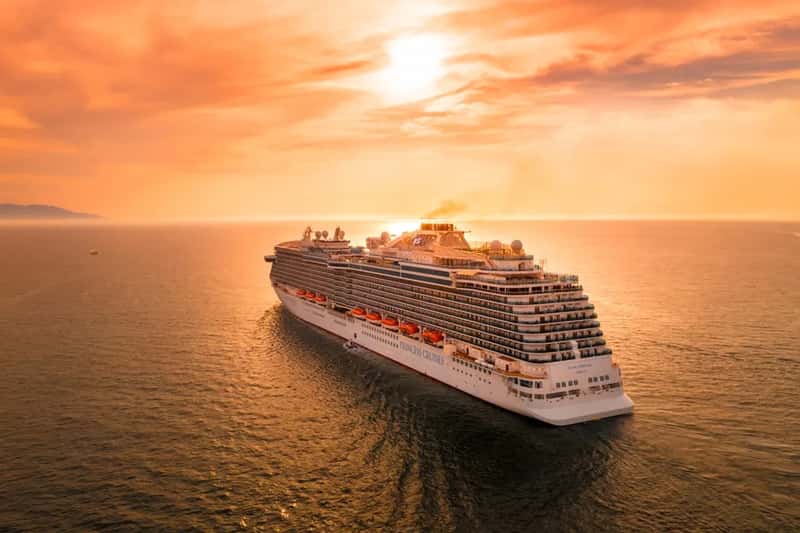
Anniversaries, honeymoons, and milestone birthdays flagged on a booking sometimes catch a sympathetic staff member’s attention. If a passenger is celebrating a special occasion and the crew member happens to be in good spirits, an upgrade can happen.[4] It’s not a formal policy anywhere, and it shouldn’t be treated as a guarantee, but it does show up often enough in traveler accounts to be worth mentioning on a reservation or at check-in.
Even when a free upgrade doesn’t materialize, the ask itself rarely backfires if it’s handled politely. Guests can politely inquire at Guest Services about any available balcony cabins or mini-suites, with the worst case being a no, or an offer to move if the guest pays the difference in fare, assuming space exists.[4] Politeness and low expectations tend to go a long way here, while pushing too hard tends to close doors rather than open them.
8. Lower-demand sailings with softer occupancy
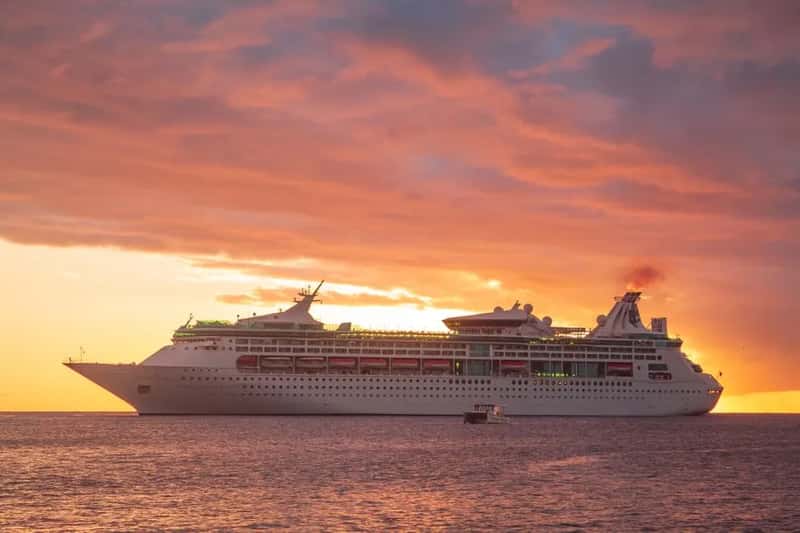
Not every week of the year sails full, and that gap between capacity and demand is exactly where complimentary upgrades tend to surface. Shoulder-season itineraries, repositioning cruises, and less popular departure dates all carry higher odds of empty premium cabins that the line would rather fill than leave vacant. Elite-tier loyalty members have reported being bumped from a standard balcony to a Junior Suite at no cost on shorter sailings when occupancy ran soft.[6]
This pattern lines up with how yield management actually works onboard. A cabin sitting empty earns the cruise line nothing, so moving a paying guest into it at no extra charge costs the line little while keeping inventory looking fuller on paper. Sailings during off-peak months or unusual routing tend to produce these situations more often than a packed summer Caribbean run.
9. Booking the cheapest cabin in a preferred deck section
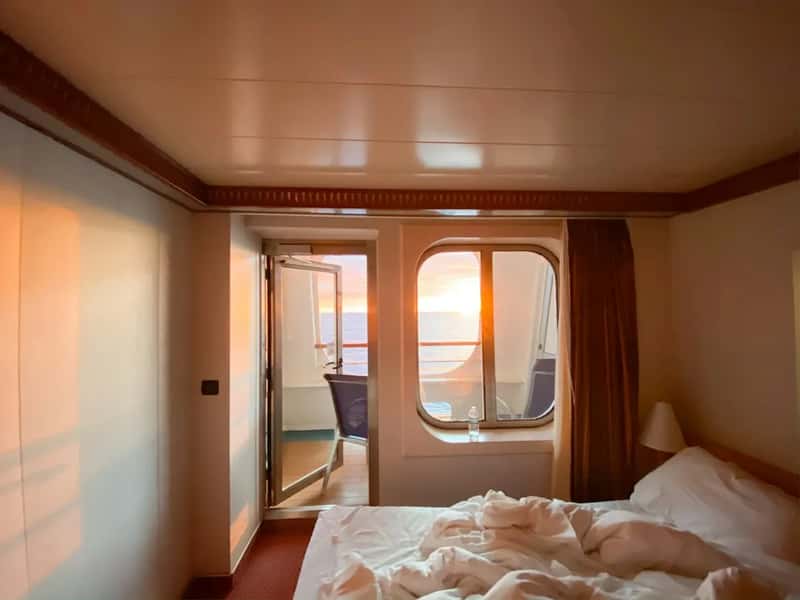
A quieter strategy involves choosing the lowest-priced cabin within a section of the ship a traveler actually wants, rather than the cheapest cabin overall. One trick frequent cruisers use is booking the cheapest cabin in their preferred deck section.[6] This keeps the fare low while still placing the booking in a location that’s easier to justify upgrading within, since staff and systems often shuffle cabins by neighborhood before shuffling them across the whole ship.
It’s a modest edge rather than a guaranteed trick, but it stacks reasonably well with other strategies on this list. Pairing it with an accepted auto-upgrade, a loyalty account in good standing, or a well-timed guest services visit gives a traveler several quiet chances at a better room instead of relying on just one.
None of these approaches promise a leap from an inside cabin to an owner’s suite. Cruise lines have gotten very good at selling their remaining higher-category cabins through upgrade offers and bidding programs, so fewer cabins are simply being given away than there once were.[7] A realistic goal is a one or two category bump, achieved through some mix of timing, loyalty status, and a polite ask at the right moment rather than any single guaranteed trick.