
Most hotel stays go fine. J.D. Power’s 2025 North America Hotel Guest Satisfaction Index Study, which drew on responses from 39,219 guests, found that only 12% of stays involved a problem such as an odd odor, a housekeeping issue, excessive noise or a check-in dispute[1]. That works out to roughly one guest in eight.
Still, those problems matter a great deal. When something goes wrong during a stay, satisfaction scores drop 217 points, from 677 to 460[1]. The front desk is where most of that frustration lands, and the same handful of complaints tends to come up again and again.
The Room Isn’t Ready When You Arrive
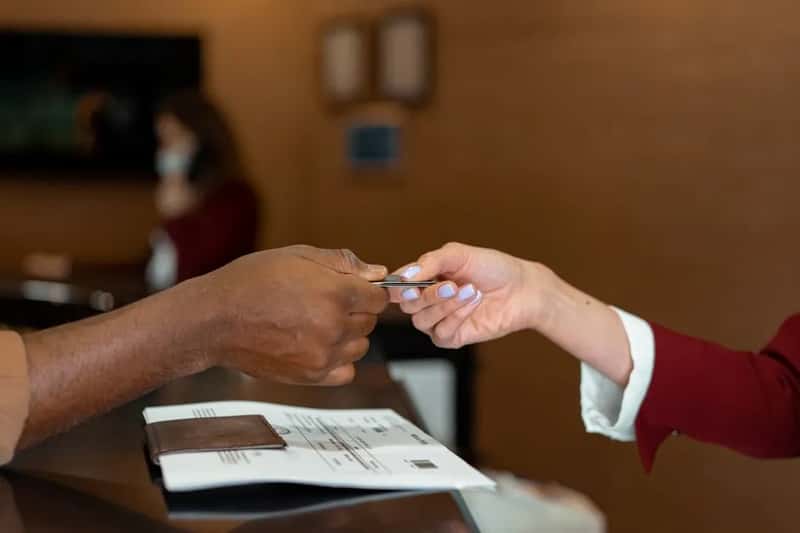
Arriving at two in the afternoon and being told to come back later is a classic. Guests often assume a reserved room means a ready room, but housekeeping has to turn over the previous stay first. Check in delays show up consistently on lists of common hotel complaints, including the one compiled by the hospitality software company Mews[2].
The delay itself is rarely the real issue. What bothers people is the lack of a clear estimate. J.D. Power measures check in and check out as one of seven core dimensions[3] of satisfaction, so hotels know how much this moment shapes the whole stay.
Noise From the Hallway, the Street, or the Room Next Door

Noise is close to universal. A CNN report from September 2026 notes that after cleanliness, it’s the top concern of hotel guests, according to ProStay[4], a software and consulting firm that serves hotels. Sources range from a loud neighbor to traffic outside, and that variety is part of what makes it hard to solve.
Front desk staff can act faster on some kinds than others. For internal noise, one industry guide suggests contacting the responsible room directly and offering a room change if it isn’t resolved within ten minutes[5]. Outside noise is trickier, since a hotel can’t move a construction site.
One more wrinkle: guests rarely notify the front desk in real time and instead vent in post stay reviews[6], according to Alertify, a noise monitoring company. So the calls that do come in are likely just the tip of it.
The Room Doesn’t Feel Clean Enough

Cleanliness sits at or near the top of nearly every complaint list. Guests describe unclean bathrooms, hair in beds, leftover items from previous guests and poorly restocked amenities[7]. These aren’t small gripes, because they touch on health as much as comfort.
The good news is that this one is usually fixable on the spot. Prostay’s guidance is to offer to have the room re-cleaned immediately, ideally with the guest present[7]. J.D. Power’s 2025 findings also point to encouraging progress, with higher satisfaction with guest room condition and cleanliness[1] helping lift perceptions of value across segments.
Surprise Resort Fees and Extra Charges

Few things sour a guest faster than a bill higher than the rate they booked. Since 2025, U.S. rules have tried to address this. The FTC’s fee rule went into effect May 12, 2025[8], and it requires businesses selling short term lodging to disclose all mandatory fees clearly and conspicuously[9].
The rule has limits, though. According to the FTC, it doesn’t prohibit any type or amount of fee[10], so resort fees still exist and guests still ask about them at the desk. There’s also a question about enforcement, since cuts to the FTC and the Consumer Financial Protection Bureau could hinder enforcement of the rule[11], according to one law professor quoted by CNBC.
WiFi That Is Slow, Spotty, or Confusing to Join

Connectivity has moved from perk to expectation. Prostay describes it as a must have that has become one of the most frequent complaints across hotels[7]. Guests report slow speeds, dropped connections, complicated logins and weak coverage.
Sometimes the desk can help. An older eHotelier piece points out that many guests simply need help getting connected when they first arrive[12], and that hard to read passwords or confusing login pages are often the culprit. Actual bandwidth problems are harder to fix at the counter.
A Room That’s Too Hot or Too Cold
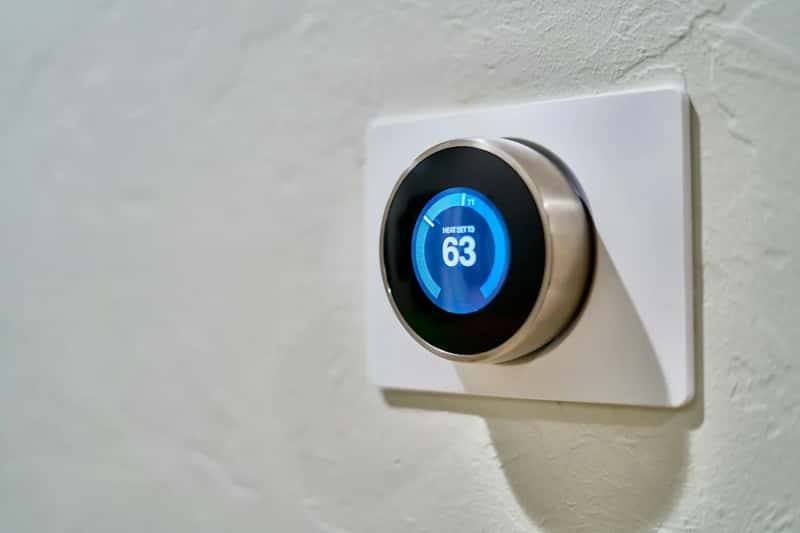
Temperature complaints turn up on Mews’ list of common issues, right next to noise and WiFi. Prostay names air conditioning problems among the facility failures[7] that commonly trigger complaints. In summer heat or a winter cold snap, a room that won’t cool or warm properly can feel like a deal breaker.
Often it’s a matter of the thermostat, which can be confusing. One guest resource recommends offering clear instructions for thermostat use[13]. When the equipment is actually broken, the usual fix is a maintenance visit or a room move.
Bills That Don’t Match What Was Expected
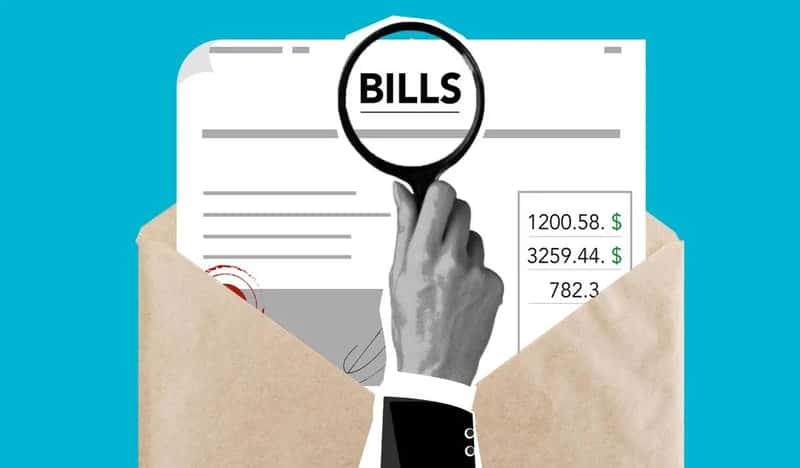
Billing questions are a steady presence at checkout. Common examples include overcharges, inaccurate billing, unexpected fees such as resort or parking charges, and mistakes on the final invoice[14]. Those are the disputes that tend to land at the front desk, often in a hurry.
This is a separate issue from fee disclosure at booking. Here the guest thinks a charge is wrong, or that a promised rate wasn’t applied. Guests who review their folio before departure, rather than at the counter with a line behind them, usually get quicker answers.
The Room Isn’t What Was Booked or Pictured
Mismatched expectations are a frequent source of friction. Mews lists inaccurate reservations[2] as a common complaint, and another industry roundup lists misleading advertising, where promotional material paints a picture that doesn’t match reality[14]. Wrong bed type, a view that isn’t there, or a room category that differs from the reservation all fall into this bucket.
Overbooking belongs here too. Prostay includes overbooking situations[7] among the frequent complaints. It’s rarer, but when it happens the front desk has to deliver bad news and find a solution at once.
Parking Costs and Hassles
Parking is the complaint that surprises people who don’t travel by car often. Reported problems include a lack of available parking, high parking fees, and distant parking areas[14]. In busy city hotels, overnight parking can add a noticeable amount to the total cost of a stay.
Mews also lists parking fees among its common complaints. Since these charges are often separate from the room rate, guests sometimes only learn the price when they arrive. Checking the parking policy before booking is a small step that spares an awkward conversation at the counter.