Ever wondered why some dream destinations turn into expat nightmares? You’re scrolling through sun-soaked Instagram posts from friends who’ve “made the leap” abroad. Their lives look perfect. The beaches are pristine. The cost of living seems laughable compared to back home. Yet here’s the thing nobody tells you until they’ve already signed a lease or bought property: those same countries that top every expat happiness survey often hide frustrations that’ll have you questioning your choices at 2 a.m. while battling bureaucracy or wondering why your bank account just got frozen.
I’ve watched countless people pack their lives into suitcases, chasing the promise of affordable healthcare, endless sunshine, and a better quality of life. Some thrive. Others return home within a year, shell-shocked and broke. This isn’t about crushing dreams. It’s about showing you the reality behind the rankings. So let’s dive in.
Portugal: The European Darling With a Housing Headache

Spain ranks at No. 9 after sitting at No. 4 in 2024, but Portugal still captures hearts with its golden coastlines and laid-back lifestyle. Portugal continues to attract thousands of expats, retirees, and remote professionals each year, remaining one of the most affordable countries in Western Europe while offering a high quality of life, excellent healthcare, and a relaxed pace of living. Updated estimates from December 2024 suggest Portugal is still approximately 13% below the EU average in 2025, whereas certain EU nations cost over 50% above that average, highlighting Portugal’s advantageous position for relocation.
Here’s where the dream wobbles. Affordability has become more nuanced in recent years, with housing prices in urban centers like Lisbon and Porto rising steadily due to strong demand and limited supply. In January 2024, rents in Lisbon were up 18% year-over-year, following a 35% increase in December 2022. Some expat tax benefits, like reduced pension taxes, have been rolled back, affecting retirees relying on foreign income. Honestly, when locals are being priced out of their own cities, the welcome mat starts feeling a bit threadbare.
Spain: Sunshine, Bureaucracy, and New Immigration Rules

Mexico regularly ranks highly among countries offering satisfaction for expats, but Spain’s also been a popular retirement destination attracting families and the digital nomad set, with Mexico City’s population of 22 million making it North America’s biggest city especially hot as of late. Wait, that’s Mexico. Let me refocus. Spain offers incredible culture, amazing food, and a lifestyle that values family time. Spain is the only country in Europe to rank within the top 10, down to No. 9 after being at No. 4 in 2024.
The catch? On May 20, 2025, Spain rolled out a big update to its immigration laws, officially known as Royal Decree 1155/2024, and this reform actually makes things simpler for most expats and international residents. Still, you’ll need to hire an attorney to help navigate legal processes, and be prepared for Italy’s infamously glacial government bureaucracy. Actually, that quote refers to Italy, but Spain shares similar bureaucratic challenges. To renew your Non-Lucrative Visa, you now need to spend at least 183 days a year physically in Spain, and this ‘183-day rule’ is now clearly written into immigration policy. If you value flexibility to travel, this might feel restrictive.
Mexico: Affordable Living With Rising Gentrification Tensions
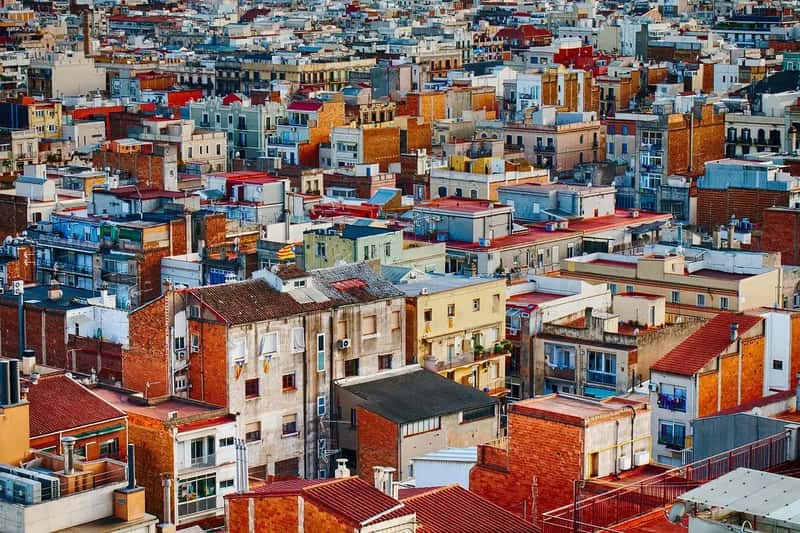
Over 1.5 million Americans call Mexico home, making it the most popular destination for Americans moving abroad. In 2022 Mexico was reported as the top destination for expats to live, with 91% of expats saying they are happy with their life there, offering a vibrant culture, diverse landscape, and friendly people. Mexico is one of the most popular countries for Americans moving abroad, thanks to its proximity to the U.S., affordable cost of living, strong healthcare system, and large expat communities, with many Americans finding it easy to integrate.
Let’s be real though. Mexico has a high crime rate and corrupt, misogynistic government. Many countries can feel more affordable than the U.S., but living abroad is probably not as cheap as you think, with house prices in the EU going up 57.9% between 2010 and the first quarter of 2025. While that statistic refers to Europe, Mexico’s popular expat zones face similar pressures. Local resentment can bubble up when foreign money drives up rents, displacing families who’ve lived there for generations. Your dream retirement might inadvertently contribute to someone else’s displacement.
Thailand: Visa Crackdowns and Banking Nightmares
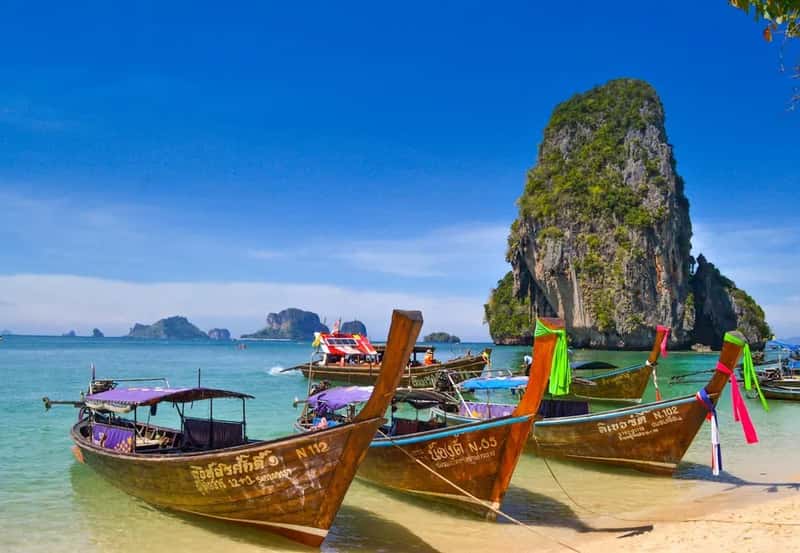
Thailand is popular with Americans seeking affordability, vibrant culture, and established expat communities, serving as a common choice for remote workers and early retirees. The beaches are stunning. The food is incredible. Street massages cost less than a coffee back home. Sounds perfect, right?
Immigration authorities have become stricter in 2025, with immigration raids throughout Thailand becoming more frequent and targeted, focusing on major tourist destinations such as Phuket, Koh Samui, and Pattaya. In late 2025, the Immigration Bureau introduced coordinated nationwide enforcement to stop abuse of the visa-exempt system, with the legal framework for the Thailand visa exemption significantly changing how it’s applied at airports, land borders, and local immigration offices. Thai Banks, led initially by Bangkok Bank, are currently implementing a crackdown on foreign account holders, with opening a bank account as a foreigner now requiring a valid non-immigrant visa, proof of Thai residence, and sometimes a work permit. Imagine arriving to find you can’t even open a bank account without jumping through hoops that weren’t there six months ago.
Panama: Retiree Paradise With Infrastructure Gaps
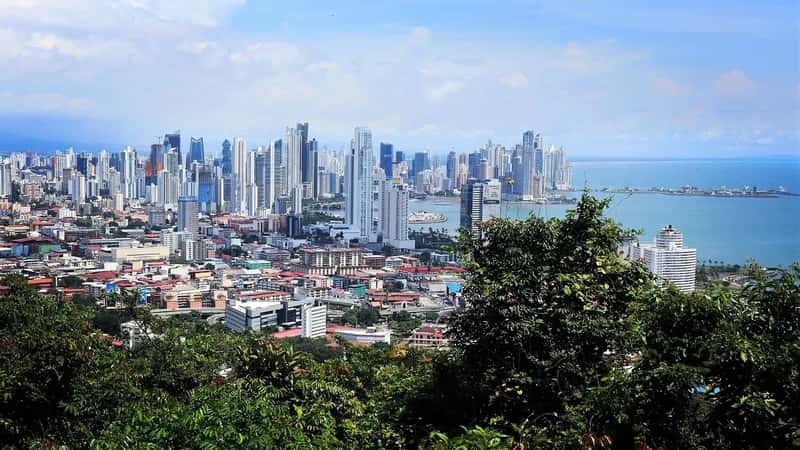
Panama held the #1 position in the 2024 rankings, combining exceptional financial satisfaction with streamlined visa processes and an enviable work-life balance, with 82% of expats happy with their life in the country. The overall cost of living in Panama for a single person is 36.3% lower than in the U.S., with Panama offering expats several different visa options. For retirees especially, Panama checks many boxes with its Pensionado program and dollarized economy.
Here’s what they don’t advertise in the glossy brochures. While Panama City is modern, much of the country struggles with spotty infrastructure. Internet can be unreliable outside major areas. Healthcare quality varies dramatically depending on location. Transport outside cities is often limited, and access to healthcare and other services in rural areas can be challenging. That quote actually refers to Portugal, but Panama faces similar challenges. The rainy season is intense, and if you’re not prepared for the humidity and tropical storms, your sunny paradise can feel pretty miserable for months at a time.
Colombia: Safety Concerns Behind the Affordability

Colombia is now more popular than ever, especially for the financial benefits, with 81 percent of expats satisfied with their financial situation versus 54 percent globally, and 92 percent saying their disposable household income is enough to lead a comfortable life. Climbing from fifth place in 2024 to No. 2 in 2025, Colombia ranked as the second-best country for expats, with the survey finding that 81% of respondents are satisfied with their financial situation and 92% stating their disposable household income is sufficient.
The elephant in the room? Safety. While major cities have improved dramatically over the past two decades, certain areas remain dangerous. Petty theft is common. Kidnapping, though rarer than it once was, still happens. You’ll need to be street-smart in ways you might not be accustomed to. Many expats love Colombia deeply, but they’ll also tell you about the time they got mugged or the neighborhood they learned to avoid after dark. It’s not a dealbreaker for everyone, but it’s something to consider seriously.
United Arab Emirates: High Salaries, Higher Social Costs
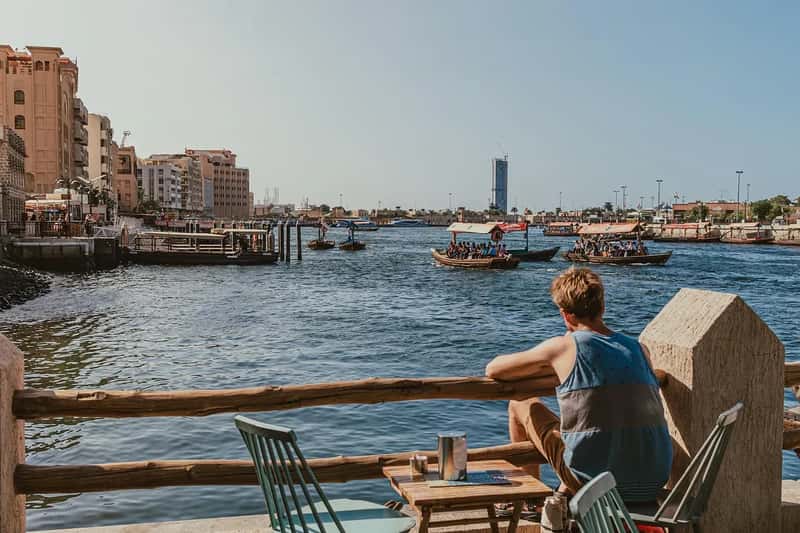
The United Arab Emirates ranked at No. 7, due to impressive ratings on quality of life, great leisure options, ease of settling in, expat essentials, and quality, accessible health care despite the high cost of living. Dubai and Abu Dhabi gleam with modern infrastructure, tax-free salaries, and a cosmopolitan expat community. For career-focused professionals, the UAE can be a goldmine.
Yet beneath the glittering surface lies a different reality. The cost of living in cities like Dubai is astronomical. Social freedoms are limited compared to Western countries. Alcohol is restricted. Public displays of affection can land you in legal trouble. According to the OECD, Americans work the ninth most hours in the world and far longer hours compared to workers in almost all European countries, with the pursuit of the ‘American Dream’ often coming at the expense of personal well-being and family time. In the UAE, work culture can be even more intense. The heat in summer is genuinely oppressive. And if you lose your job, your visa gets cancelled, giving you mere days to leave the country. That instability weighs heavy.
Germany: Bureaucratic Maze and Housing Crisis
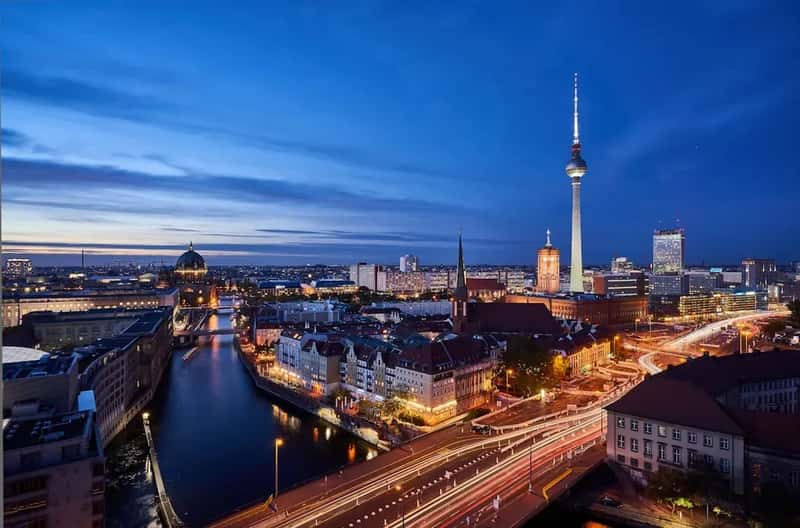
Germany is known for its strong economy, rich cultural heritage, and high quality of life, making it a popular destination for Americans looking to move, with manageable cost of living varying across cities. The healthcare is excellent. Public transport is efficient. The country is safe and stable. On paper, Germany looks ideal.
Germany doesn’t have some of the same conveniences to which many Americans are accustomed, such as 24-hour grocery stores or drive-through pharmacies, with most stores closed on Sundays, and the country’s bureaucracy can be maddening, with many government processes relying on official paperwork delivered through the mail, plus Germany’s growing popularity has contributed to a housing pinch in major cities, especially Berlin. Everything requires forms. In triplicate. Sent by post. Meanwhile, finding an apartment in Berlin or Munich feels like winning the lottery. Landlords demand mountains of paperwork, and competition is fierce. Learning German is essential, and integration can be slow and frustrating.
Italy: La Dolce Vita With Employment Woes
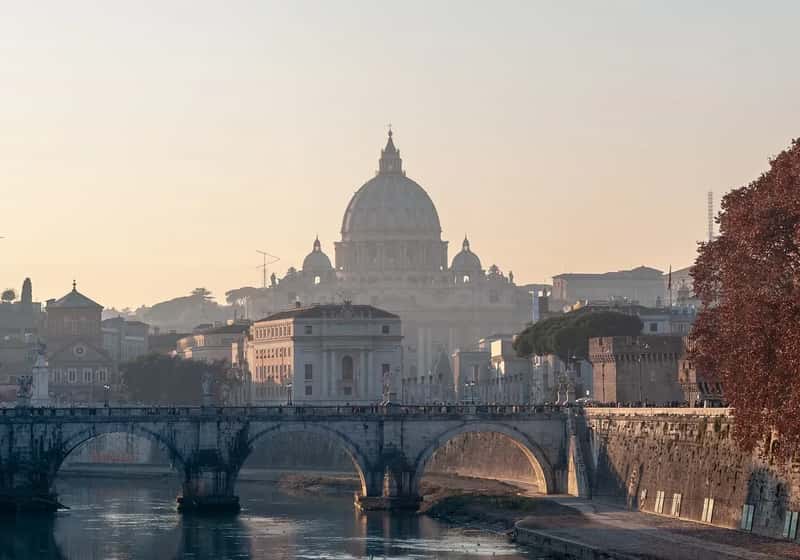
It’s hard to imagine a country that boasts a more universally romantic notion of living abroad, with access to some of the world’s most popular tourist cities, picturesque countryside, and immersion in a culture that values family, food and wine, plus Italy’s health-care system is good and many expats give a big thumbs-up to the overall friendliness of Italians. Those one-euro homes you’ve seen headlines about? They’re real. Tuscany’s rolling hills are as beautiful as the photos promise.
Prospects for employment in Italy aren’t as abundant as in other European countries, beyond major cities English generally isn’t widely spoken, and you’ll likely need to hire an attorney to help navigate legal processes such as purchasing a home, plus be prepared for Italy’s infamously glacial government bureaucracy. The economy has struggled for years. Youth unemployment is high. Unless you’re retired or working remotely for a foreign company, earning a living can be challenging. Tourist seasons bring heavy crowds and price hikes, with peaceful living disrupted in coastal or popular towns. That charming village becomes unbearable in summer when tour buses clog the streets.
So what do you think about this? The countries that dominate “best places to live” lists aren’t lying exactly. They do offer incredible advantages. Yet every paradise has its price, whether that’s bureaucratic frustration, rising costs, visa uncertainty, or cultural challenges that weren’t obvious from your vacation. The dream of living abroad is beautiful and achievable. Just make sure you’re walking into it with eyes wide open, not just Instagram filters. Did you expect that reality check?