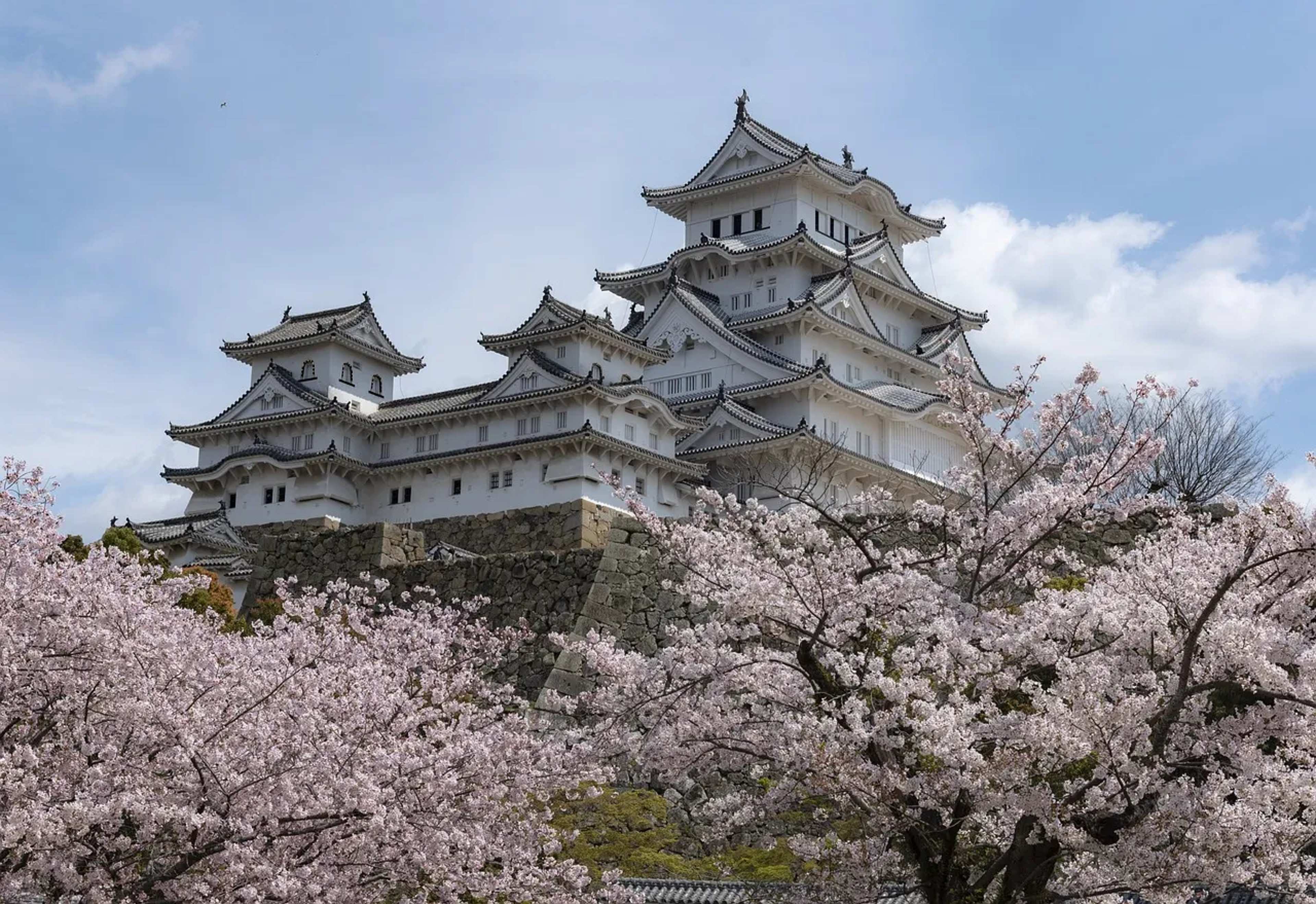
Traveling with only English in your back pocket works surprisingly well in a lot of the world these days. Hotel staff in Amsterdam banter in near perfect English, and even random strangers in Scandinavia can debate grammar rules better than some native speakers. But that global fluency isn’t evenly spread, and a handful of countries still operate almost entirely outside the English bubble.
Some of these places are massive tourist draws, others are simply large countries where English never became a practical second language for most people. Either way, knowing which nine countries fall into this category can save you a lot of confused pointing and frantic translation apps.
1. Japan

Japan might be one of the most visited countries in Asia, yet it consistently ranks near the bottom for adult English skills among non native speaking nations. Japan ranked ninety-sixth among 123 non-English speaking countries in the 2025 EF English Proficiency Index, falling into the fifth level out of five set by the company.[1] That puts it firmly in the “very low proficiency” band, a category most people wouldn’t expect for a country with such a heavy tourist presence.
The slide isn’t a one time dip either. In the newest edition of the report, released late last month, Japan has fallen to its lowest ranking ever since the EF EPI was introduced in 2011.[2] Outside major train stations and hotel chains in Tokyo or Osaka, expect a lot of gesturing, translation apps, and polite bowing your way through misunderstandings.
2. Thailand
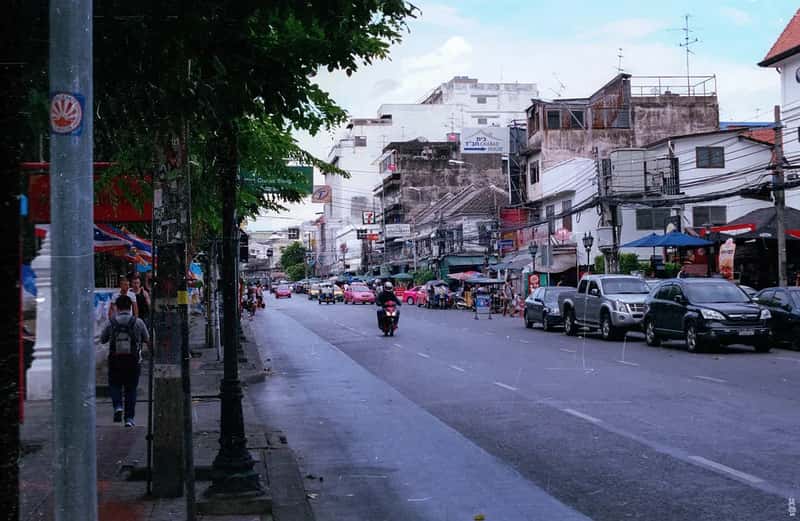
Thailand draws enormous numbers of English speaking tourists every year, particularly to Bangkok and the southern islands, yet the local population’s English skills tell a different story. Thailand tied for 116th place in the 2025 EF English Proficiency Index.[3] That ranking places it deep in the very low proficiency tier alongside several other nations.
Tourist zones like Phuket or Chiang Mai’s old town do fine, with menus and signage often translated. Step outside those pockets though, into rural provinces or even quieter Bangkok neighborhoods, and English conversations become far harder to come by, even with younger locals.
3. Saudi Arabia
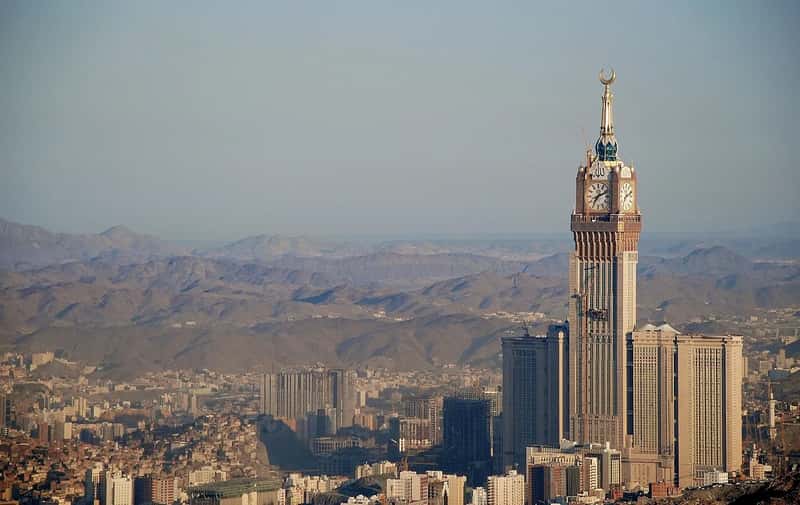
Saudi Arabia has opened up significantly to international visitors in recent years, especially with tourism initiatives tied to giga projects and religious tourism around Mecca and Medina. Still, everyday English fluency hasn’t caught up with that shift. Saudi Arabia ranked #115 out of 123 countries and regions in the 2025 EF EPI, placing it in the very low proficiency band and twelfth of thirteen in the Middle East.[4]
Business hubs like Riyadh and Jeddah have pockets of fluent English speakers, particularly among younger professionals and in international hotel chains. Outside those circles, Arabic dominates almost entirely, and having a translation app or a few Arabic phrases memorized makes daily life considerably smoother.
4. Cambodia
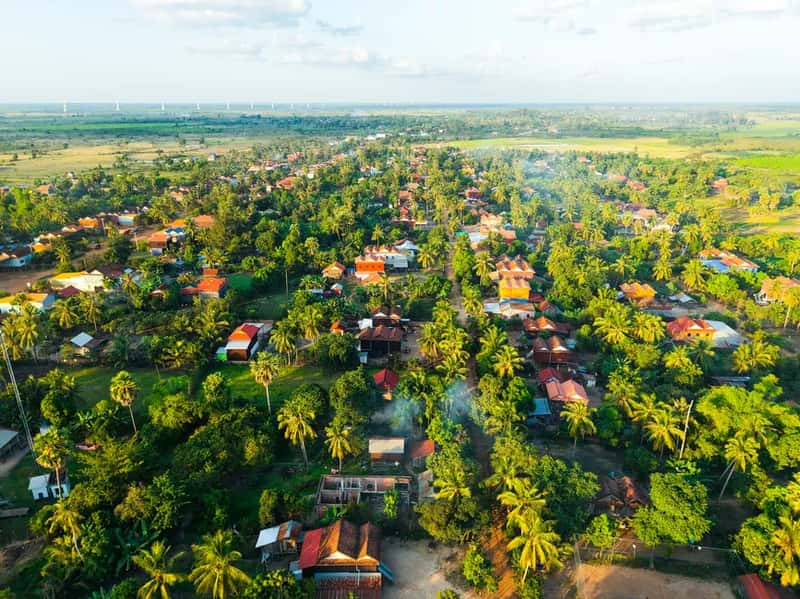
Cambodia sits at the very bottom of the global rankings for English proficiency, a fact that surprises many travelers given how popular Siem Reap and the Angkor temples are with international visitors. Cambodia ranked 123rd, the lowest position among all countries and regions measured in the 2025 EF English Proficiency Index.[3]
Guesthouses and guides near the major temple complexes typically manage basic English for booking and tours. Beyond that tourist corridor, though, Khmer is the language of daily life, and English speakers are genuinely rare, particularly in rural areas and smaller provincial towns.
5. Democratic Republic of the Congo
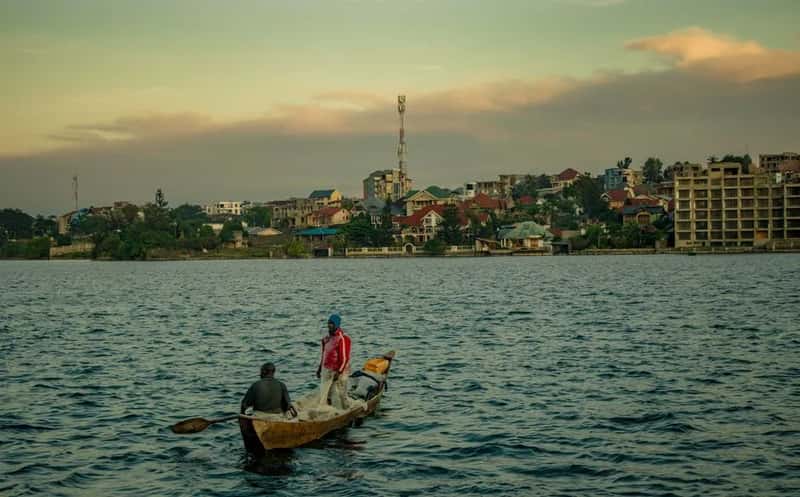
The Democratic Republic of the Congo is a country most travelers approach with a translator or a local guide already arranged, and the language data backs up why. The Democratic Republic of Congo ranked 118th in the 2025 EF English Proficiency Index, firmly within the very low proficiency category.[3]
French, along with numerous local languages like Lingala and Swahili, dominates communication across the country. English is largely confined to certain NGO circles, international business meetings, and a small segment of the educated urban population in Kinshasa, making it a poor default for casual travel or daily errands.
6. Libya
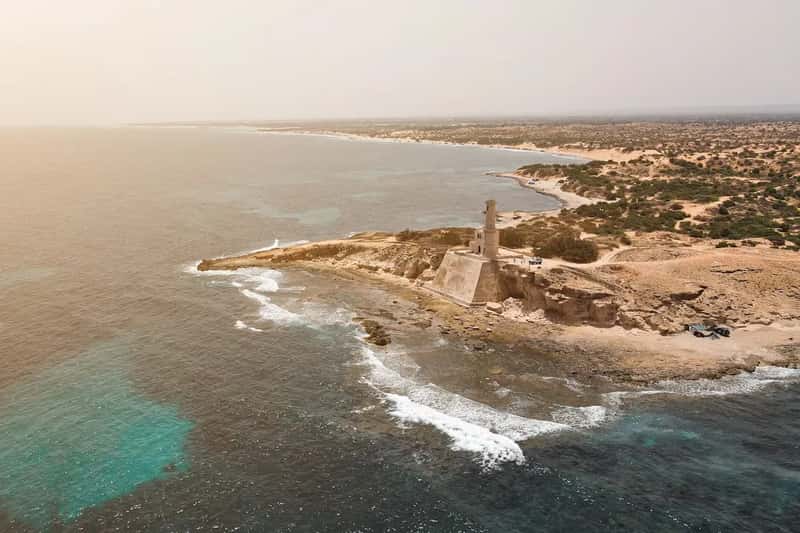
Libya’s ongoing instability has kept it largely off mainstream tourist itineraries, but for anyone with reason to visit, English isn’t a reliable fallback. Libya ranked 122nd in the 2025 EF English Proficiency Index, placing it near the very bottom of all measured countries.[3]
Arabic is the near universal language across the country, and decades of political turmoil haven’t left much room for widespread foreign language education to take root. Anyone traveling there for work or research purposes typically relies on local fixers, translators, or Arabic language skills rather than English.
7. Laos

Laos is one of Southeast Asia’s quieter destinations, appealing to travelers looking for something less crowded than neighboring Thailand or Vietnam. That relative isolation extends to language too. Laos is a small nation in Southeast Asia where English speakers have a hard time finding locals who can communicate with them, and it ranks among the lowest English proficiency countries in the world according to the EF English Proficiency Index.[5]
Vientiane and Luang Prabang, the two most visited cities, have a modest tourism infrastructure with some English signage and staff. Once you leave those two spots though, Lao becomes the only practical language, and even simple transactions can require patience, hand gestures, or a translation app.
8. Morocco
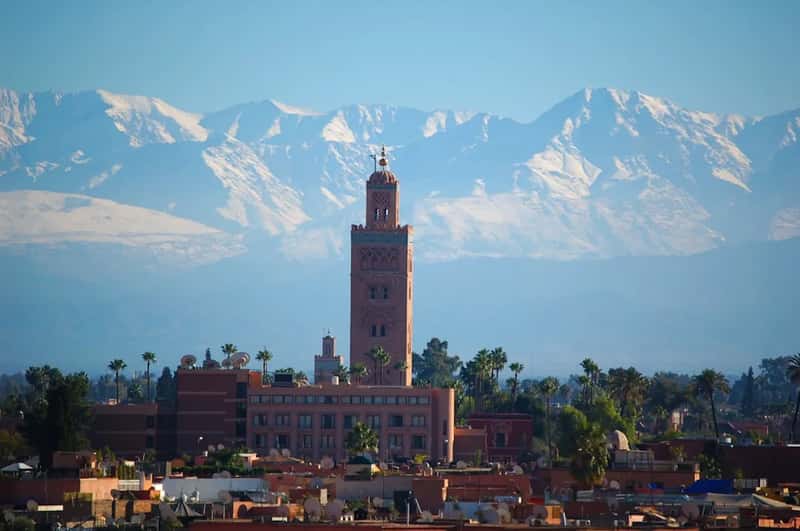
Morocco’s popularity with European and American tourists might suggest English fluency is common, but the reality on the ground leans toward other languages entirely. Most Moroccans speak Arabic, which doesn’t use the Latin alphabet, and while French and Spanish are frequently heard, English is not as commonly used in the country.[5]
Marrakech’s medina and Casablanca’s business districts have adapted somewhat, with vendors and hotel staff often picking up functional English for tourism purposes. Away from those hotspots, French remains the practical second language thanks to Morocco’s colonial history, making it far more useful than English for anyone traveling independently.
9. Russia
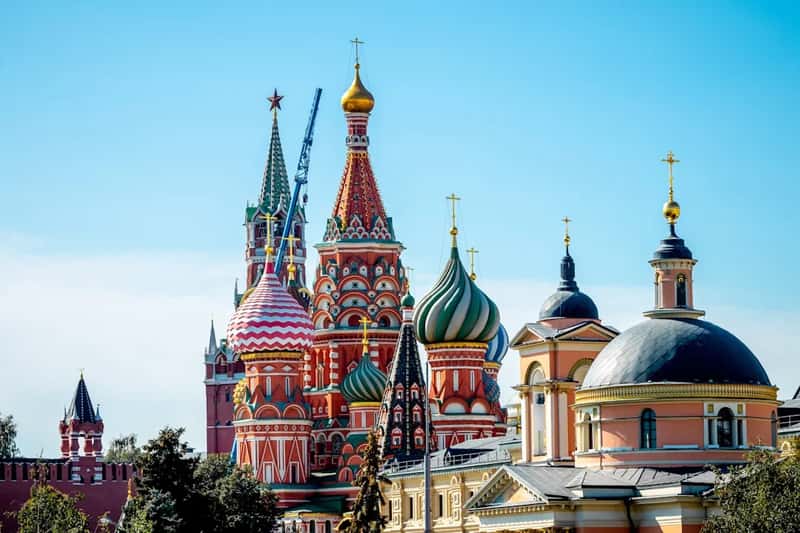
Russia’s sheer size and cultural depth make it a fascinating destination, but English fluency has never been widespread among the general population, even in major cities. Although many Russians study English in school, it isn’t widely spoken, and while some restaurants and tourist sites use it, the average person doesn’t speak English, making a phrasebook a helpful tool for navigating the language barrier.[5]
Moscow and St. Petersburg have more English signage and younger, urban populations tend to have stronger skills than older generations. Beyond those two cities, Russian is essentially mandatory, and Cyrillic script alone can make basic tasks like reading a menu or street sign genuinely difficult without preparation.
Traveling through any of these nine countries doesn’t require abandoning English altogether. It just means treating it as a backup rather than a guarantee. A translation app, a phrasebook, or a handful of memorized local phrases go a long way in places where the assumption of universal English simply doesn’t hold up.