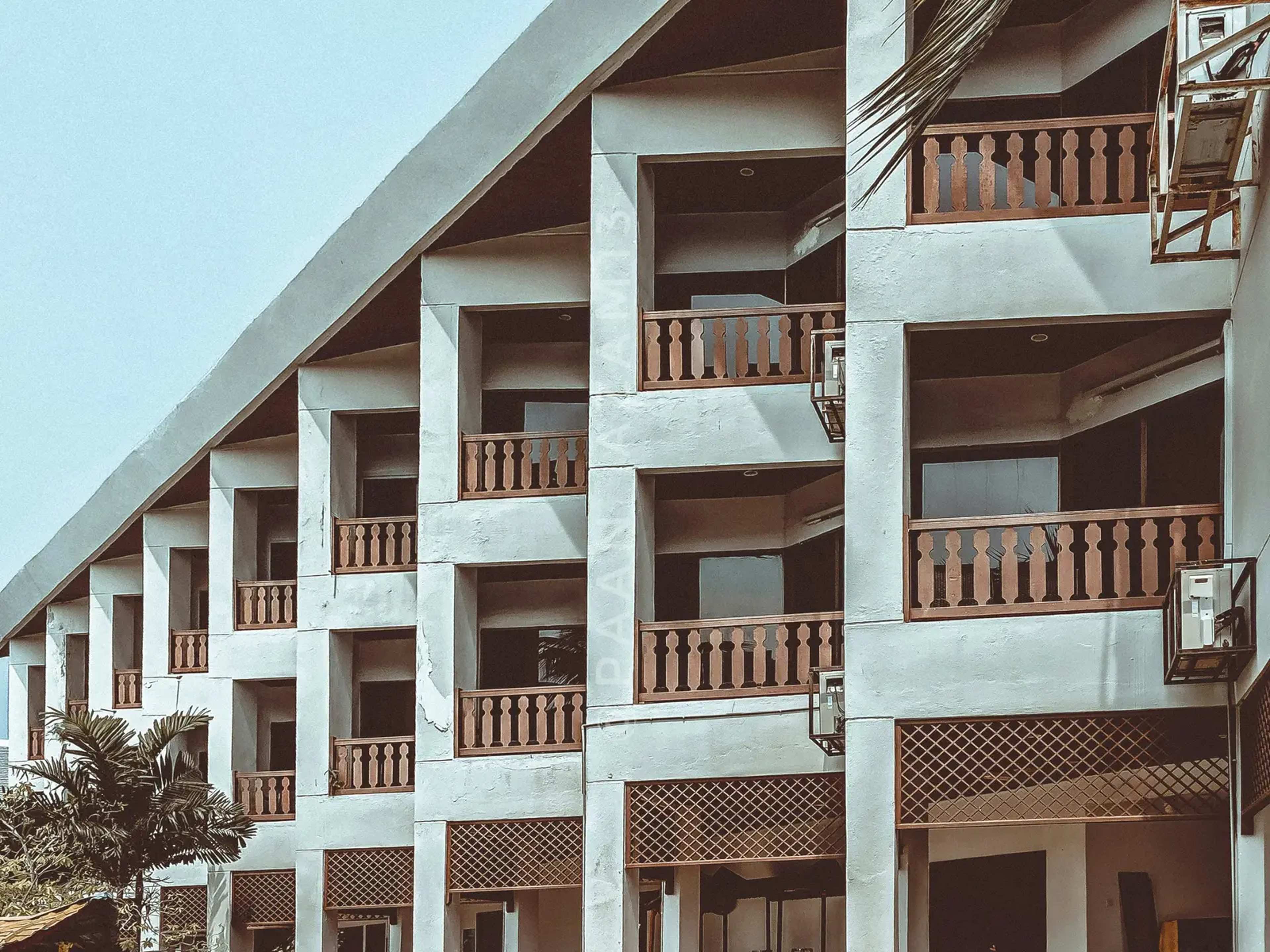
Buying a home abroad still sounds like something reserved for the ultra-wealthy or the extremely patient, the kind of process tangled in permits, local partners, and years of paperwork. In reality, a good number of countries have kept their property markets remarkably open to outsiders, sometimes more open than people expect. The nine destinations below stand out because foreigners can purchase real estate there without jumping through the hoops that trip up buyers elsewhere.
1. Portugal
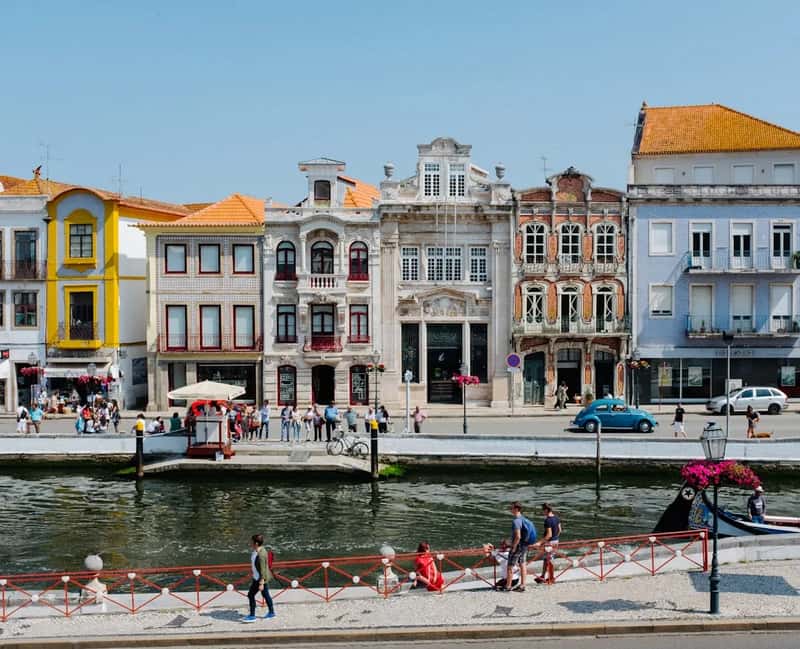
Portugal has built a reputation as one of the most accessible property markets in Europe, and the numbers back it up. The process is generally straightforward, and there are no foreign property ownership regulations in Portugal, meaning buyers don’t need permanent residence status or Portuguese citizenship. There’s no minimum purchase price and no cap on how many properties a foreign buyer can own.
That said, the market has shifted in recent years. Prices in Lisbon and Porto have risen considerably, and the Golden Visa route for qualifying real estate was restructured in 2023. Buyers still need a Portuguese tax number and typically work with a fiscal representative, but the underlying legal openness toward foreign ownership hasn’t changed.
2. Mexico

Mexico draws a steady stream of North American buyers, and for good reason. Away from the coast and border zones, buying property beyond the restricted zone is straightforward, with no limit on the number of properties owned and no specific visa requirement, including for land. That covers huge swaths of the country, from colonial cities to inland towns.
Even in the restricted zones near beaches and borders, ownership isn’t off the table. Foreigners can buy in coastal and border areas through a fideicomiso, a bank trust that costs between 500 and 1,500 dollars to set up, while retaining full ownership rights including sale, rental, and inheritance. It’s an extra step rather than a barrier.
3. Panama

Panama has long attracted retirees and remote workers, partly because its property rules place foreign buyers on nearly equal footing with citizens. There are no restrictions on foreign property ownership, and buyers get full legal rights, which is part of why the country remains popular among retirees drawn to its tax incentives and low cost of living. Panama City condos and beach properties in areas like Coronado are common entry points for first time buyers.
Closing costs also work in a buyer’s favor compared with much of the region. Closing costs in Panama fall under three percent, among the lowest anywhere, alongside Qatar and Croatia. Combined with a dollarized economy, that makes budgeting for a purchase relatively predictable.
4. Georgia

Georgia, the country in the Caucasus rather than the U.S. state, might be the most overlooked entry on this list. Foreigners can buy, register, and sell residential or commercial real estate in Georgia without restrictions. There’s no requirement for a local partner, no restrictive visa tied to the purchase, and the paperwork moves fast.
The tax situation is another draw. Foreigners who purchase property for personal use, rather than rental income, do not pay annual property tax, since Georgian law separates passive ownership from income-generating use. Transfers also close quickly. From contract to title registration, most property transfers are finalized in one to two business days.
5. Colombia
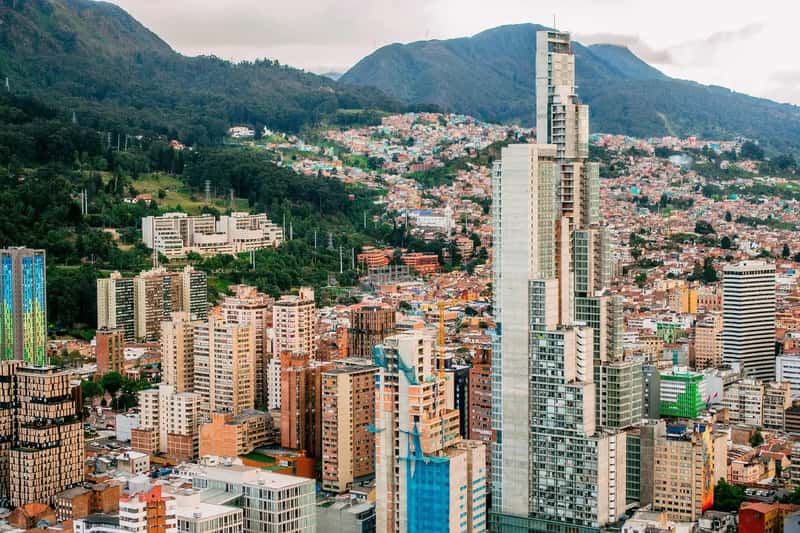
Colombia’s constitution treats foreign buyers almost identically to citizens when it comes to owning real estate. Colombia’s Constitution grants foreigners the same civil rights as locals, meaning there are no nationality-based barriers to buying a standard urban apartment in Bogota or Medellin. No local sponsor or company structure is needed for a typical residential purchase.
The restrictions that do exist have nothing to do with a buyer’s passport. The restricted zones foreigners hear about are actually off-limits to everyone, including Colombians, because they involve indigenous territories or national parks with inalienable status. A tourist visa is enough to sign the paperwork, since buyers don’t need residency or a special permit and can legally purchase real estate while on a standard 90-day tourist visa.
6. Spain

Spain remains one of the more welcoming markets in Western Europe, with essentially no nationality-based limits on ownership. Spain has zero restrictions on foreign property purchases, putting it in the same category as Portugal, France, and Panama. Buyers from outside the EU can purchase apartments, villas, and land just as easily as residents.
The one significant change involves residency perks rather than ownership itself. Spain confirmed it would close its investor visa program, one of the most popular residency routes for real estate investors, as of April 3, 2025. Buying is still simple; it just no longer comes bundled with an automatic path to a residence permit.
7. Greece
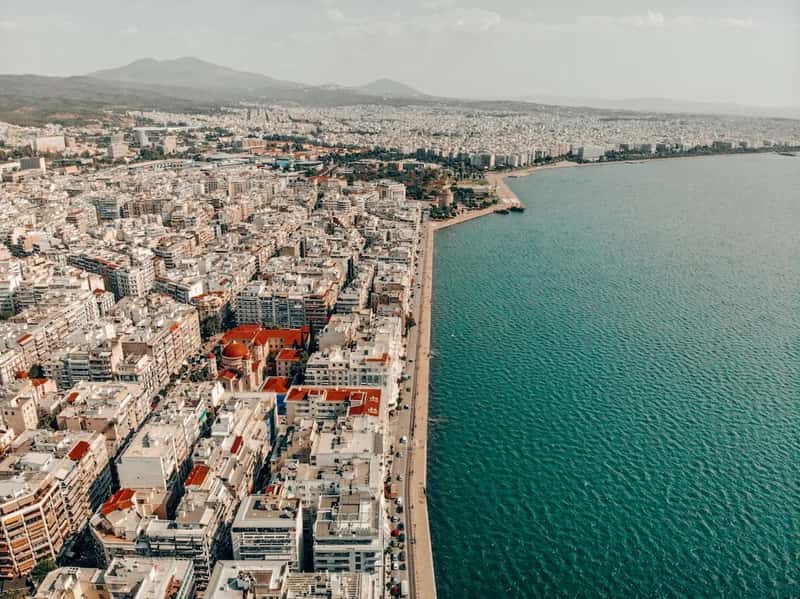
Greece keeps its property market largely open to outside buyers, with only modest regional caveats. Foreigners can buy most property without national restrictions, though certain tax and zoning rules apply. Islands and border regions sometimes require an extra administrative clearance, but this rarely blocks a purchase outright.
Greece’s Golden Visa program, tied to real estate investment, has also kept the country on the radar for buyers seeking a European foothold. Even with rising interest in Athens and the islands, the core legal framework for foreign ownership has stayed consistent, making Greece one of the more predictable Mediterranean markets to navigate.
8. Germany
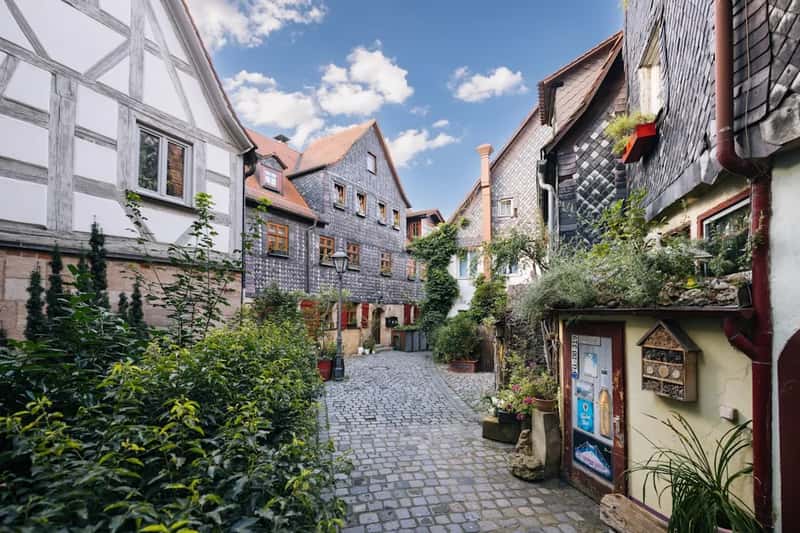
Germany doesn’t get talked about as often in this context, but its rules are genuinely simple. Germany has an open real estate market, allowing foreigners to purchase any property, including land, houses, apartments, and condos. There’s no residency requirement and no special visa tied to the transaction.
What buyers do need to plan for is the notary process, which is mandatory for every property sale in Germany regardless of nationality, and a real estate transfer tax that varies by state. Neither of these is a foreigner-specific hurdle; they’re simply part of how German property law works for everyone, locals included.
9. United States

The U.S. market is enormous and, at the federal level, largely indifferent to a buyer’s passport. The U.S. allows foreigners to freely buy, own, and sell nearly all types of property, including residential homes, commercial buildings, and agricultural land, with the same legal rights as citizens. No visa or residency status is required to close on a home.
State-level rules are where things get more complicated. More than half the states, 26 and counting, have imposed new restrictions on land purchases by foreign nationals, with 15 states adding new rules in just the last year. Most of these target buyers connected to specific foreign governments rather than foreign buyers broadly, so the average international purchaser in most states still faces few practical barriers.
The common thread running through these nine markets is that legal openness doesn’t mean zero homework. Currency shifts, local tax rules, and closing costs still vary widely, and golden visa programs tied to property have been shrinking rather than growing over the past two years. For buyers willing to do the groundwork, though, these countries remain some of the most straightforward places in the world to hold property as an outsider.