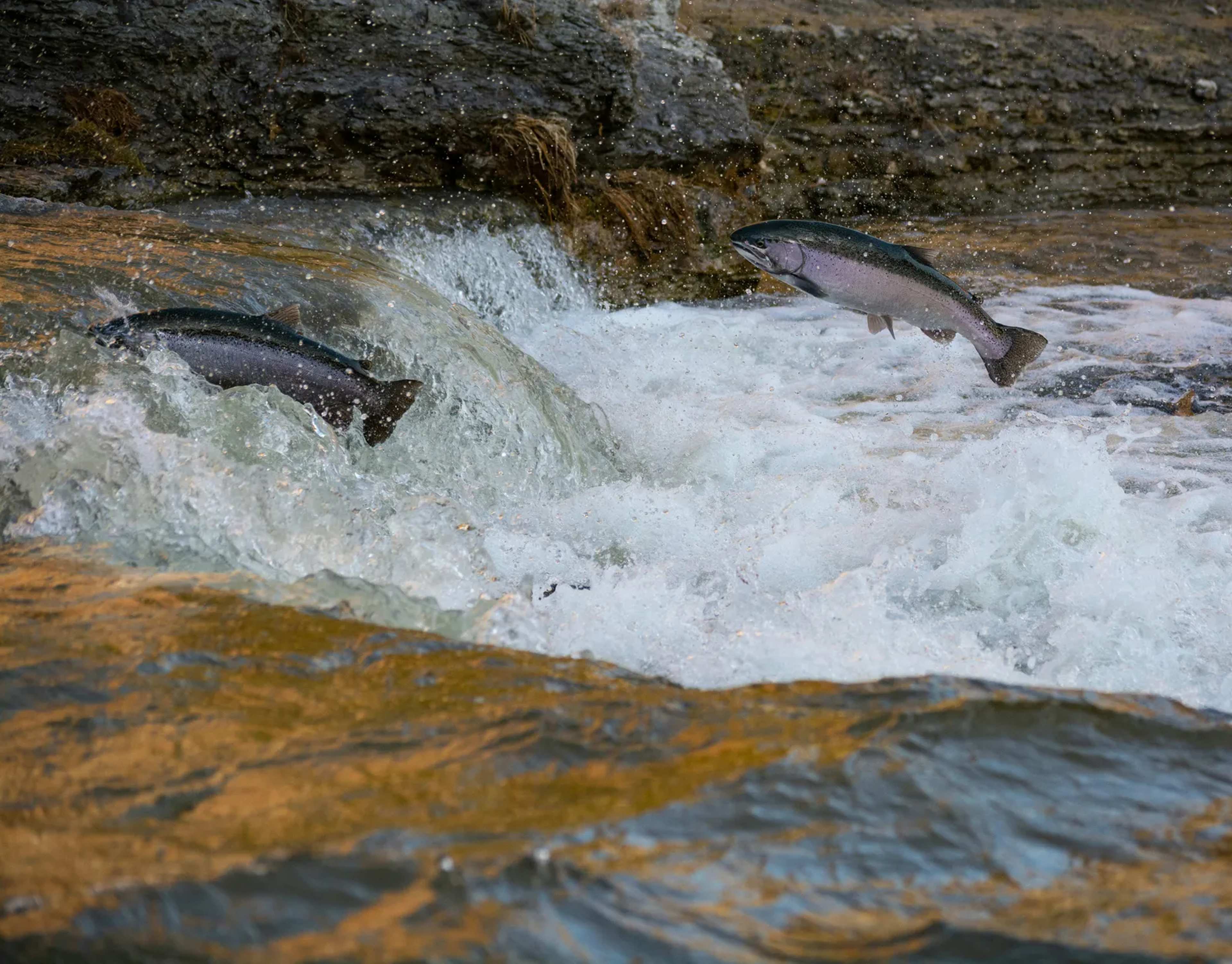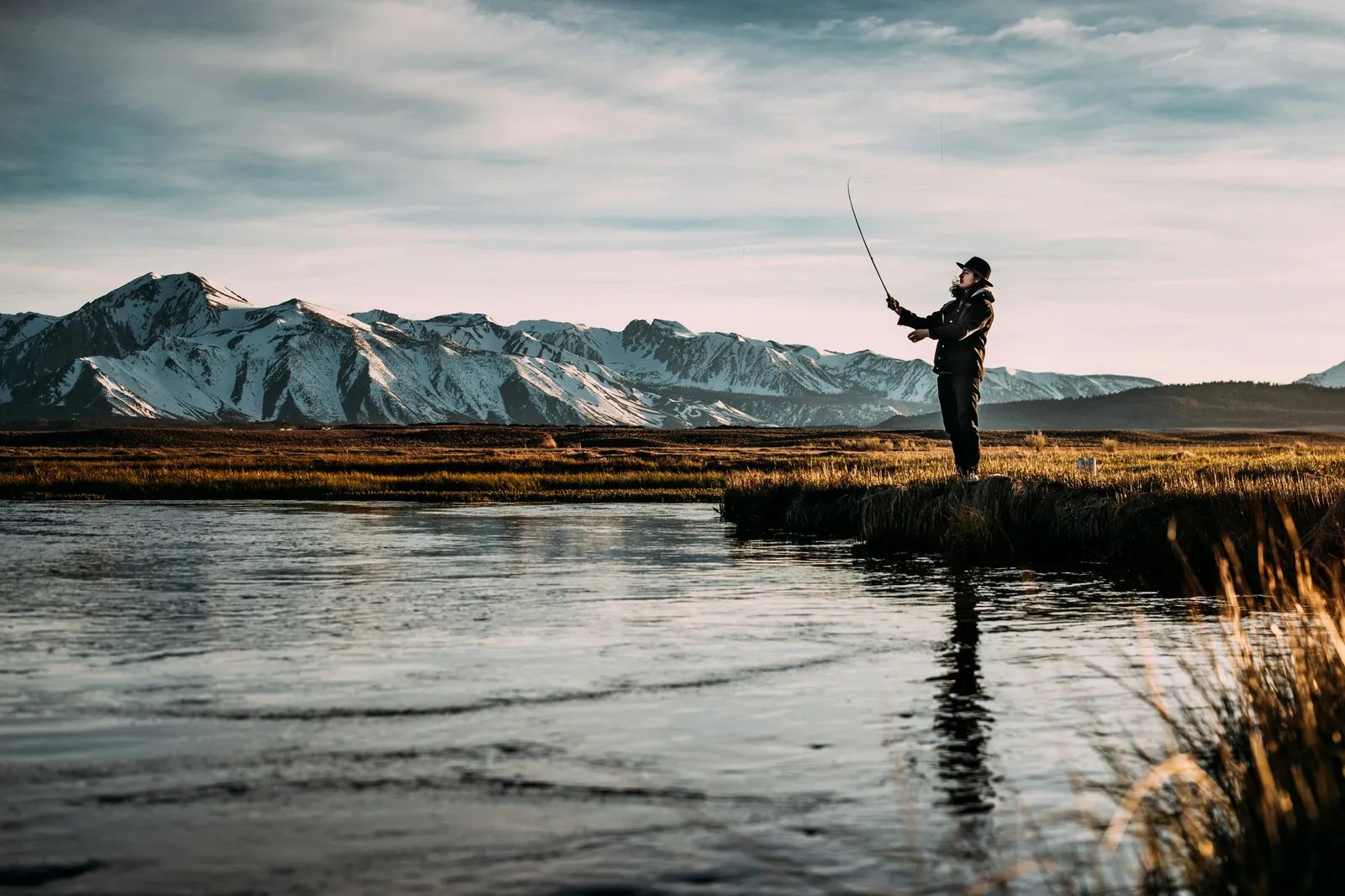
Colorado stands at a crossroads over how it manages its abundant public lands and wildlife resources. Amendment 83, a proposed constitutional change, would add the state to the list of two dozen others that explicitly protect the right to hunt and fish. The measure arrives after years of repeated attempts to restrict or ban those activities through ballot initiatives, agency rules, and legislation. The National Wildlife Federation, which traces its origins to 1936 and the efforts of hunters and anglers concerned about habitat loss, has endorsed the proposal. ([1])The organization points to the long record of sportsmen and sportswomen funding conservation through license fees and excise taxes on equipment.
Roots in Conservation History
Hunters and anglers helped shape modern wildlife policy long before Amendment 83 entered the picture. Their support for the 1937 Pittman-Robertson Act created an excise tax on firearms, ammunition, and archery gear that still channels money to state agencies for habitat work and species management. A parallel program for fishing equipment followed in 1950 under the Dingell-Johnson Act. Together the two measures have directed more than $40 billion into fish and wildlife programs nationwide. Those same groups continue to volunteer for habitat projects, cleanups, and access improvements on both public and private land. The National Wildlife Federation notes that this involvement remains central to its mission and to the broader conservation community.
Funding Realities for State Agencies
Most state wildlife departments rely heavily on hunting and fishing revenue rather than general tax dollars. Colorado Parks and Wildlife receives roughly 68 percent of its budget from license sales and another 16 percent from the federal excise taxes tied to equipment purchases. The agency operates as an enterprise fund and has received little or no allocation from the state general fund in recent years. Without those dedicated streams, budgets in many states would drop by 60 percent or more, according to analyses cited by supporters. Proponents argue that Amendment 83 would help safeguard the revenue base that supports wildlife management, trail maintenance, and enforcement across Colorado’s public lands.
Addressing Opposition Concerns
Critics have claimed the measure could reopen the use of leghold traps, which Colorado voters banned through a separate constitutional amendment in 1996. Supporters counter that Amendment 83 would not alter that existing ban or any other current statute. Changing the trap prohibition would still require its own ballot initiative and at least 55 percent voter approval. The amendment also seeks to keep wildlife policy decisions with the professional agency rather than shifting them to repeated ballot fights. Similar efforts to limit or prohibit hunting and fishing have surfaced in other states, including a failed Oregon initiative that would have banned the practices outright along with certain livestock operations.
Implications for Outdoor Visitors
Hikers, campers, anglers, and hunters all share the same trailheads, campgrounds, and waterways that benefit from active wildlife management. Stable funding helps maintain the habitats that draw millions of visitors each year and supports the enforcement that keeps those areas safe and accessible. Without traditional revenue sources, agencies would face difficult choices about staffing, habitat restoration, and public access programs. Amendment 83 would not create new restrictions or expand any activity; it would simply place the existing right to hunt and fish on equal constitutional footing with other protected interests. The measure reflects a broader recognition that science-based management and public participation in outdoor traditions have sustained Colorado’s landscapes for generations. Its outcome will help determine how those traditions and the resources they support continue to evolve.