Retirement age is one of those numbers that quietly shapes an entire life. It decides when decades of work finally give way to something else, whether that means grandchildren, gardening, or simply slower mornings. Yet that number varies wildly depending on where a person happens to live, and the gap between the earliest and latest exits from the workforce is far bigger than most people assume.
Some countries let workers step away in their late fifties or early sixties, often because life expectancy is shorter or pension systems were built decades ago under different assumptions. Others, facing aging populations and shrinking workforces, are pushing retirement well past 65, sometimes into the seventies. Below is a look at nine places where the retirement age sits at the lower end of the global scale, followed by four where people are working considerably longer.
1. Turkey

According to OECD data, the normal retirement ages in OECD countries ranged from 62 years in Colombia, Greece, Luxembourg and Slovenia to 67 years in Australia, Denmark, Iceland, the Netherlands, Norway and Israel, with Turkey as an outlier with a normal retirement age of 52 years. That figure makes Turkey the clear statistical anomaly among developed economies. Türkiye had the lowest retirement age at 52 according to Statista’s most recent comparison of OECD countries.
The low figure largely reflects a pension system built around years of contributions rather than a fixed age threshold, letting some workers exit the labor force remarkably early if they started working young. That said, change is already underway. Turkey’s retirement age is 60 for men and 58 for women, though the long-term target is to raise this to 65. Officials have signaled that today’s younger workers will face a very different reality than their parents did.
2. Sri Lanka

Sri Lanka currently holds the title for the lowest statutory retirement age tracked in global datasets. Global retirement age data covering approximately 100 countries shows a 14-year gap between the world’s lowest (Sri Lanka, 55) and highest (Denmark, 69). That places Sri Lanka at the very bottom of the global scale, well below even most of its regional neighbors.
A retirement age of 55 might sound appealing on paper, but it also means pensions have to stretch over a longer period without the higher wages typical of economies with later retirement ages. It is a pattern seen across much of South Asia, where formal pension systems were designed decades ago and have been slow to adjust to rising life expectancy. For now, though, Sri Lankan workers can plan on retiring earlier than almost anyone else on the planet.
3. Indonesia
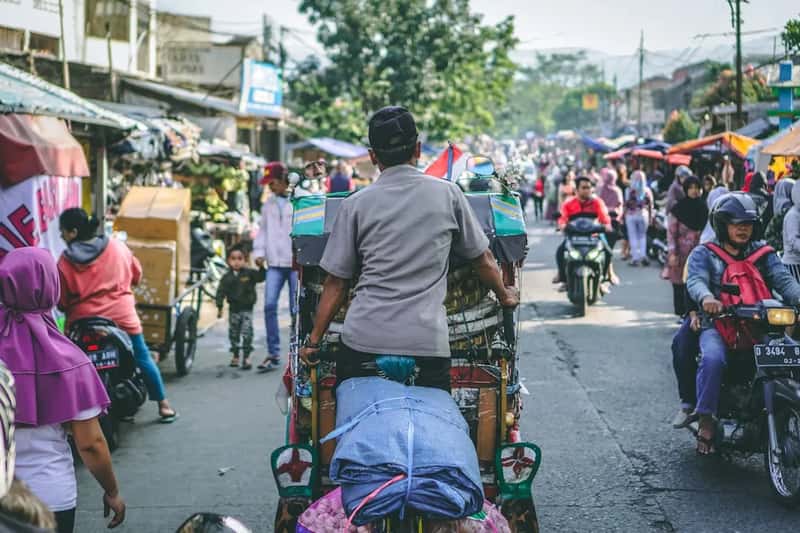
Indonesia is frequently cited as having the world’s lowest retirement age alongside Bangladesh. Indonesia has the lowest retirement age, at 59 years for both men and women, according to Trading Economics. That figure applies equally regardless of gender, which is not always the case elsewhere.
The country is not standing still on the issue, however. As the country with the youngest retirement age, Indonesia will increase its age by one year for every three years, until it reaches 65 in 2043. It is a slow, deliberate climb designed to avoid the kind of public backlash seen in other nations that have moved faster.
4. Bangladesh

Bangladesh shares the distinction of having one of the lowest retirement ages anywhere. It shares this title with Bangladesh, which also has a retirement age of 59 for both men and women. The parity between men and women here is notable, since several other countries on this list maintain a gap between the sexes.
Like many developing economies, Bangladesh’s pension coverage is limited mostly to formal-sector workers, meaning the retirement age figure does not tell the whole story for the millions employed informally. Still, for those covered by the system, 59 remains the benchmark. It is a number unlikely to move quickly given the country’s demographic profile, which still skews relatively young compared to aging Western economies.
5. South Korea

South Korea presents a somewhat unusual case, since two different figures circulate depending on the source. South Korea has a retirement age of 60 for both men and women, one of the lowest among major developed economies. That statutory age governs when many companies require employees to step down from their positions.
National pension eligibility, however, is a separate matter and tends to kick in a bit later, creating a gap that workers often have to bridge with savings or part-time work. South Korea sets the pension age at 62, rising to 65 by 2033. The mismatch between mandatory retirement from a job and eligibility for a pension has become a genuine policy headache in Seoul.
6. Ukraine

Ukraine keeps its official retirement age relatively low, though qualifying for it is not simply a matter of reaching a certain birthday. In Ukraine, the retirement age is still 60, but you must have at least 33 years of service banked before you can hang up your boots. That contribution requirement effectively pushes the real retirement age higher for anyone who entered the workforce later than usual.
The country’s pension system has faced enormous strain in recent years, compounded by the broader economic disruption tied to the ongoing war. For now, though, 60 remains the headline figure, making Ukraine one of the lower entries on this list even with its contribution caveats. Whether that age holds steady in the years ahead will likely depend heavily on the country’s broader economic recovery.
7. Colombia

Among OECD member countries, Colombia sits at the lower end of the retirement age spectrum. The normal retirement ages in OECD countries ranged from 62 years in Colombia, Greece, Luxembourg and Slovenia to 67 years in Australia, Denmark, Iceland, the Netherlands, Norway and Israel. That places Colombia in a small cluster of countries tied for the lowest OECD figure outside of Turkey’s outlier status.
Colombia’s pension landscape includes both public and private components, and the 62-year benchmark applies to the standard track most workers follow. It is a modest but meaningful gap compared to countries just a few years further along the scale, like the United States or Canada. For Colombian workers, that difference can translate into several extra years of active working life saved.
8. Greece

Greece also lands in that lower OECD tier, though its position depends somewhat on which dataset is being consulted. When Turkey is excluded, Greece, Luxembourg, and Slovenia have the lowest retirement age for men in the list – and in the EU – at 62. Women in these countries also retire at 62. That makes Greece one of the more balanced examples on this list, with no meaningful gender gap in the standard age.
Greece’s pension system underwent significant reform following its debt crisis over a decade ago, and the country has generally moved toward stricter eligibility rules even as the headline age stayed comparatively low. Looking further out, the picture shifts. In fourteen countries, the future retirement age is 65 for men, although it remains lower for women in some of these countries, a trend Greece is expected to follow as EU-wide reforms continue.
9. Slovenia

Slovenia rounds out this list as one of the EU’s lowest retirement age countries alongside Luxembourg and Greece. Slovenia and Luxembourg will have the lowest retirement age for men at 62 among those entering the labour market in 2022, while Poland will have the lowest for women at 60. That places Slovenia firmly among the more generous systems still standing in Western and Central Europe.
Whether that generosity survives the coming decades is another question entirely. Europe-wide, pension reform pressure is intensifying as populations age and workforces shrink, and Slovenia has not been immune to those conversations. For now, though, it remains one of the more comfortable places in the EU to plan an earlier exit from working life.
10. Libya
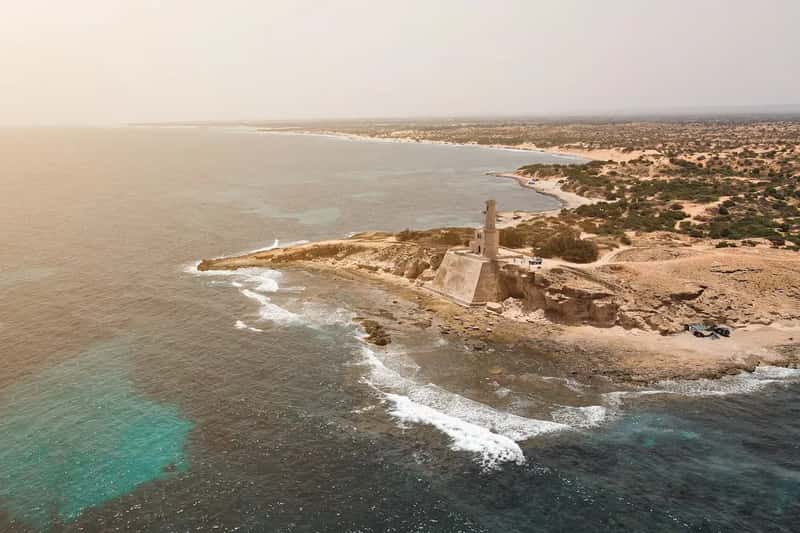
At the opposite extreme sits Libya, which holds the distinction of the world’s highest retirement age. In Libya, people retire later than anywhere else in the world, with the retirement age set at 70 for both men and women, meaning many Libyans continue working well into their golden years, contributing their skills and experience to the economy. That figure applies equally across genders, unlike many countries with lower retirement ages.
The gap between working life and life expectancy makes this figure particularly striking. In Libya, where the average life expectancy is around 73 years, retiring at 70 leaves just a few years for rest and relaxation, making it a decision that sparks plenty of debate. It is a stark contrast to countries where retirement can stretch on for two decades or more.
11. Denmark

Denmark currently holds the record for the highest retirement age among wealthy, developed nations, and the trajectory only points upward. Global retirement age data shows Denmark’s 69-year-old statutory retirement age for both men and women is the highest in the dataset. That already puts Denmark ahead of most of its Nordic and European peers.
What makes Denmark especially notable is not just where it stands today, but where it is headed. In Denmark, which is already on the top end of retirement ages in the OECD, a man starting in a full-time career at 22 in 2024 may only be able to retire aged 74. That projection reflects Denmark’s practice of linking its retirement age directly to life expectancy, a mechanism few other countries have adopted so aggressively.
12. Sweden
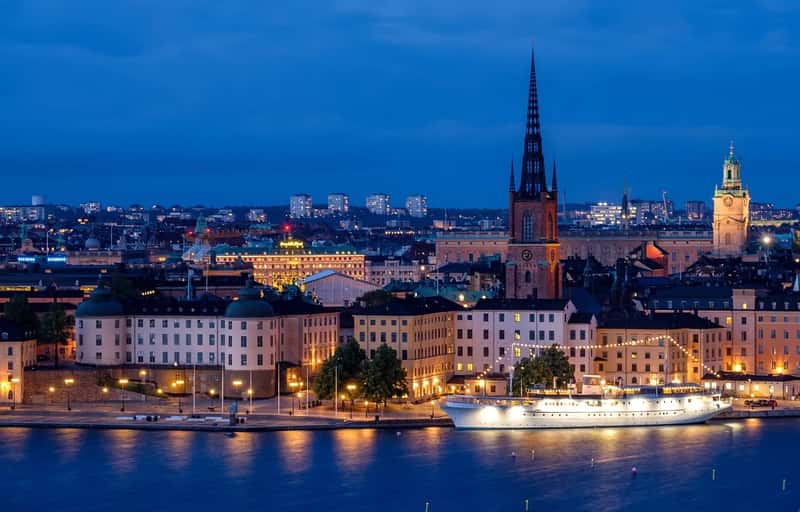
Sweden recently overtook most of the developed world by raising its retirement threshold well past the traditional 65-year benchmark. Sweden has raised its retirement age to 68, higher than the age of 65 or 67 that most countries require before people can retire and collect a pension, putting it among the highest ages in the world, with only Denmark higher, at 69. That single change moved Sweden past several countries long considered the standard for late retirement.
The shift puts Sweden ahead of several nations often assumed to have stricter retirement rules. The United States, the United Kingdom, and Australia all sit at 67, a level Sweden has now passed. It is a reminder that the countries pushing retirement ages higher are not always the ones people expect.
13. Netherlands

The Netherlands sits in the tier just below Denmark and Sweden, though still well above the global average. In the Netherlands, the retirement age is 67 for both men and women, linked to life expectancy trends to ensure the sustainability of the country’s pension system. That link to life expectancy means the figure is not fixed forever, and further increases are plausible as Dutch life spans continue to lengthen.
The Netherlands shares this 67-year mark with several other high-income countries. Denmark, Israel, Iceland, the Netherlands, and Norway had the highest current retirement ages of OECD countries at 67 years. Dutch retirees typically pair the state pension with occupational plans, softening the impact of working a few extra years compared to countries with weaker private pension infrastructure.
Taken together, these thirteen countries show just how differently the world treats the question of when work should end. Some of that variation comes down to demographics and life expectancy, some to the age of the underlying pension system, and some to political choices that governments have been forced to revisit as populations gray. The gap between a 52-year-old benchmark in Turkey and a 74-year-old projection in Denmark is not just a statistic. It represents two fundamentally different visions of what a working life, and the years that follow it, are supposed to look like.