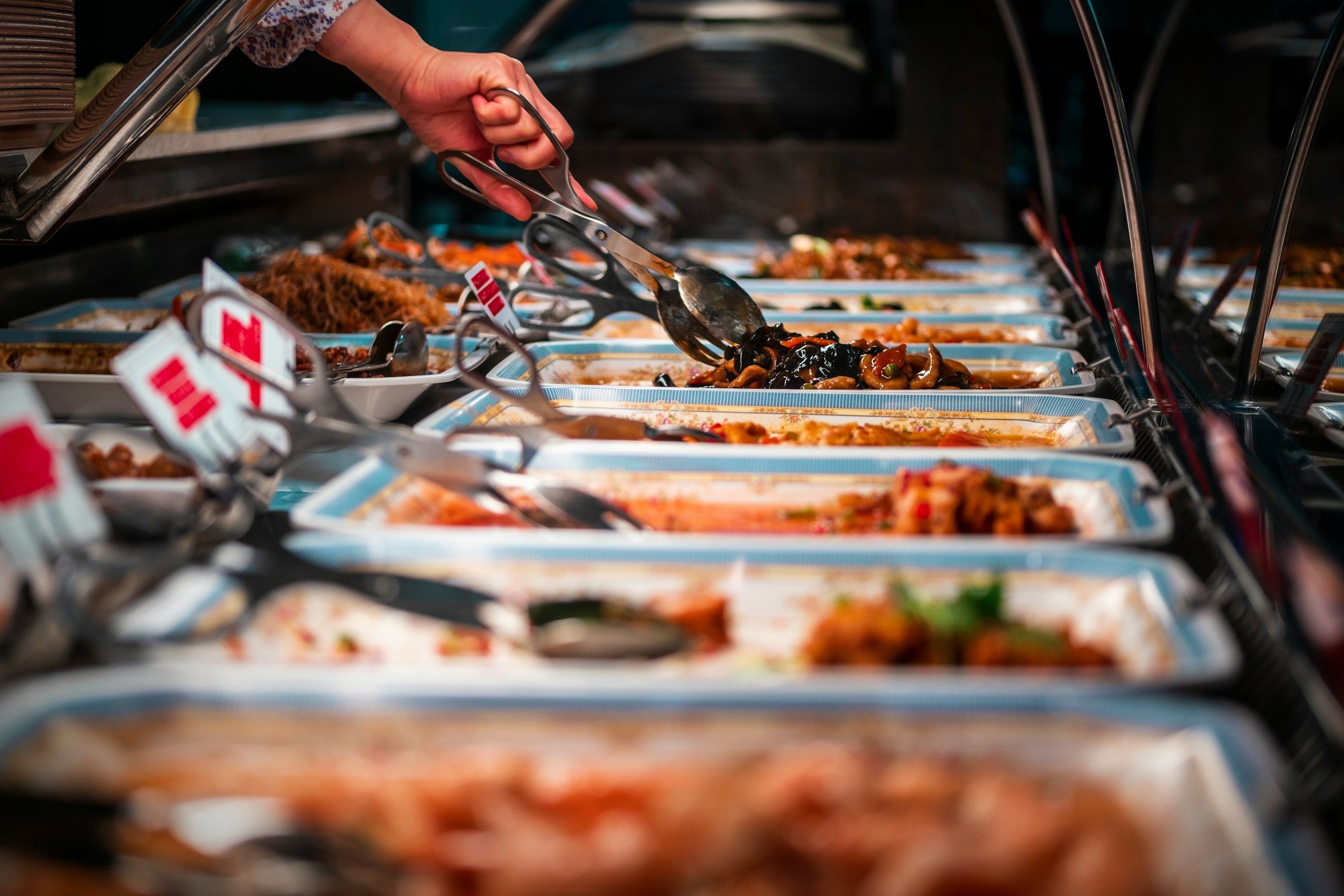
Walk into any main dining room on the second night of a cruise and you can usually spot the veterans without asking. They’re not the ones fumbling with a folded card trying to find their table number. They move with a kind of quiet familiarity, the sort that only comes from having done this dozens of times before.
None of it is complicated or secret, really. It’s more a collection of small, practical habits that make the evening smoother, the service warmer, and the whole experience feel less like a stop on a checklist and more like an actual meal worth looking forward to. Here are nine of them.
1. They confirm their table assignment on day one
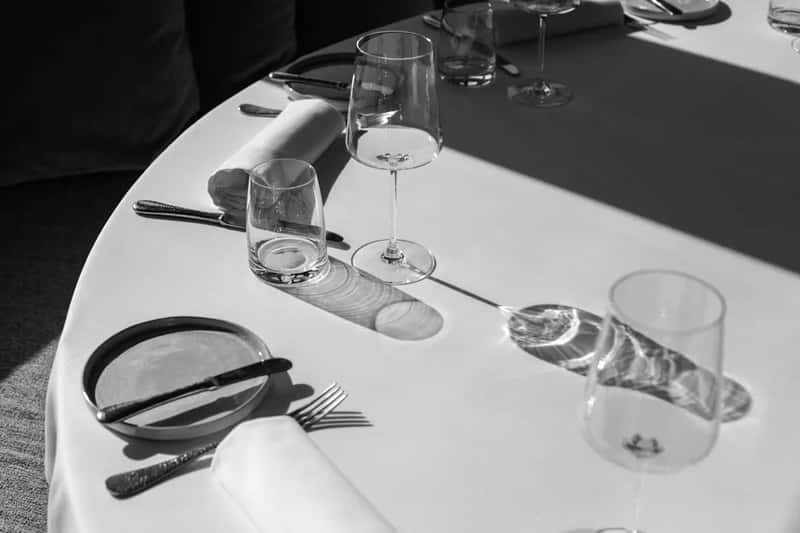
Experienced cruisers rarely wait until the first dinner to find out where they’re sitting. Instead, they swing by the dining room earlier in the day, often right after boarding, to check the details and make any tweaks before the evening rush sets in. Visiting the main dining room early on the first day helps confirm the table and make any necessary changes before the evening rush begins.[1]
This small errand solves a lot of headaches later. If the assigned table turns out to be wedged awkwardly near a service station, or the party size doesn’t match what was requested, there’s still time to fix it calmly rather than during a busy dinner service.
2. They talk to the maître d’ during quiet hours, not peak dinner

Anyone who’s cruised more than once knows that the maître d’ is far more approachable in the calm stretch of the afternoon than in the chaos of a Tuesday night rush. Dining assignments can usually be modified once onboard by speaking with the maître d’ during afternoon hours when they’re less busy.[1] That timing matters more than most first-timers realize.
Seasoned travelers use this window to request specific seating, whether that’s a table for two, a spot near a window, or a switch away from traditional dining altogether. Guests who prefer dining with just their travel companion can specifically request a table for two, and window tables are highly sought after for their ocean views, worth asking for when confirming a dining assignment on embarkation day.[1]
3. They learn their waiter’s name, and use it
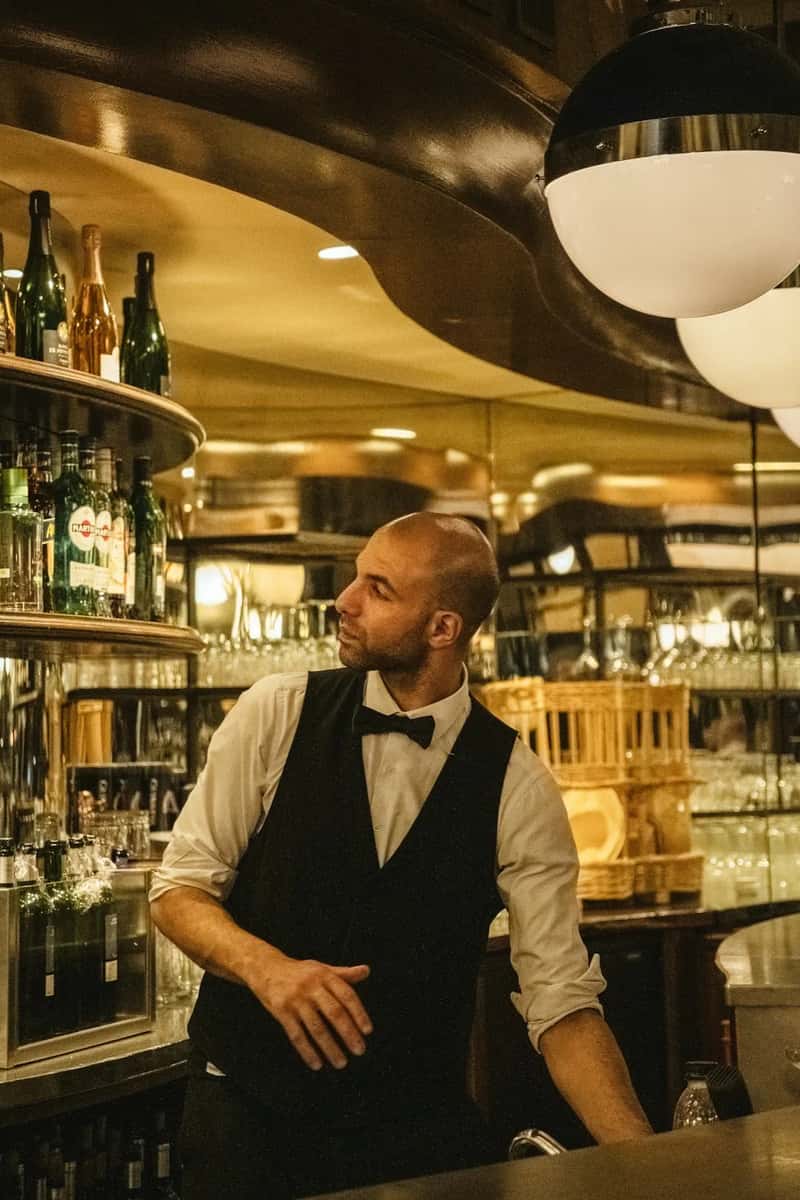
It sounds like a small courtesy, but it changes the entire tone of the week. On ships with traditional dining, the same waiter and assistant waiter serve the same table every night, and remembering their names tends to open the door to better recommendations, quicker service, and a friendlier rapport overall.
Cruisers who’ve done this a few times understand that consistency is the whole point of picking a fixed dining time in the first place. One Royal Caribbean regular put it simply, describing how having the same wait staff who get to know your preferences is exactly what draws people back to the main dining room night after night, as having the same wait staff that gets to know a guest and what they like brings people back because of the pomp and circumstance at dinner.[2]
4. They show up on time, especially for fixed seatings
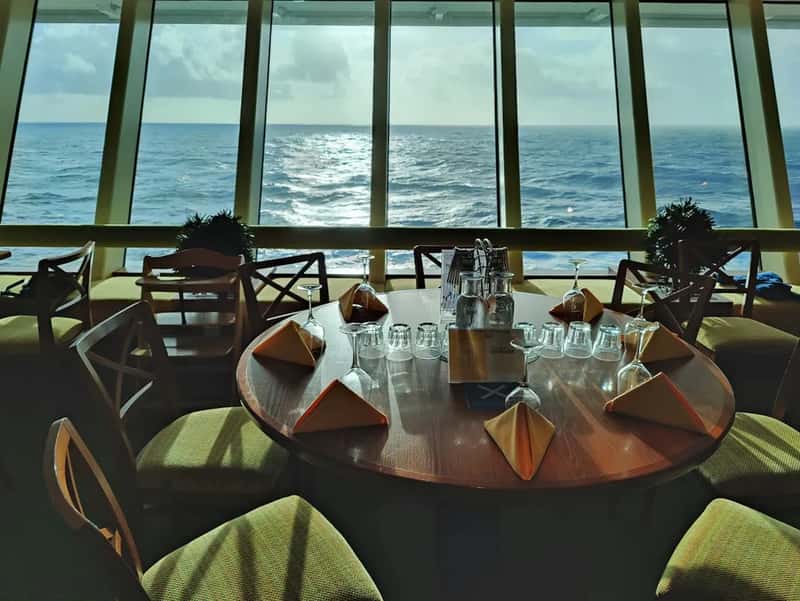
Punctuality in the main dining room isn’t just good manners, it’s practically a logistical necessity. For traditional early or late seating, showing up on time matters because these dinners run on a set schedule that allows waiters to serve guests within a specific window.[3]
Being late doesn’t just inconvenience the kitchen either. Being on time also matters for anyone seated with other passengers, since tablemates will otherwise be left waiting to start and be served.[3] Seasoned cruisers tend to treat their dinner reservation the way they’d treat any restaurant booking on land: something to actually keep.
- Early (traditional) seating: generally begins anywhere between 5:45 and 6:30 p.m.
- Late (traditional) seating: usually starts around 7:45 to 8:30 p.m.
- Flexible/anytime dining: open for arrival anytime during designated hours, typically 5:30 to 9 p.m., though a short wait for a table is possible
5. They check the nightly dress code instead of guessing

Formal night panic is almost always a first-timer problem. Regular cruisers know to glance at the app or the daily planner rather than relying on outdated assumptions about tuxedos and ball gowns.
The reality tends to be far more relaxed than people expect. Each night of the cruise has a theme and suggested dress code for the main dining room, listed in the cruise line’s app and printed compass, though even formal night is rarely as fancy as newcomers imagine, with no need for a tuxedo or ball gown unless someone genuinely wants to wear one.[2] Knowing that in advance saves a lot of unnecessary suitcase stress.
- Royal Caribbean: formal nights are billed as a night out in a best black-tie look, with 1-3 “Dress Your Best” evenings per sailing
- Carnival: most 7-night cruises include two formal nights
- MSC: typically runs 1-2 gala nights per week
- Norwegian & Virgin Voyages: have effectively removed mandatory formal nights, and Virgin Voyages doesn’t do them at all
6. They handle the basics of table etiquette without overthinking it

Little habits, repeated night after night, become second nature for regular cruisers. Placing a napkin on the lap right after sitting down, using it throughout the meal, and leaving it neatly on the chair when stepping away are small gestures that seasoned diners do almost automatically.[4]
The same goes for cutlery. When a course is finished, placing the knife and fork together on the plate with the handles pointing toward the center signals to the server that it’s time for the next dish.[4] It’s a quiet, efficient way to keep the meal moving without ever needing to flag anyone down.
7. They order freely, since it’s already included
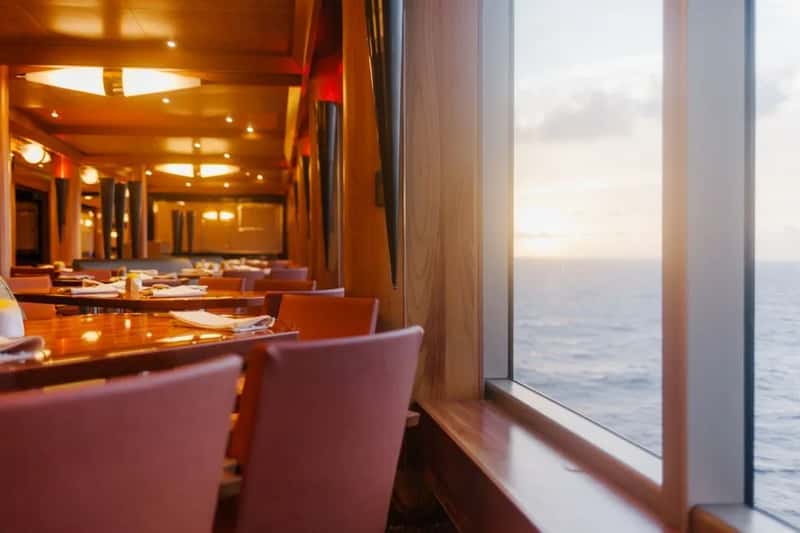
One habit that separates cautious first-timers from relaxed veterans is a willingness to try more than one thing. Because the main dining room is part of the fare, there’s no real financial penalty for asking for two appetizers or swapping out an entrée that didn’t sound quite right once it arrived.
Many longtime cruisers actually build entire nightly rituals around this, treating the menu as an invitation to sample dishes they’d never order at a regular restaurant back home. The main dining room food is included in the fare, and while most people use it for dinner, it’s usually open for breakfast and lunch as well.[5] That flexibility tends to make the whole week feel a bit more indulgent, without ever feeling wasteful.
8. They keep their phones off the table

It’s a small thing, but it stands out. Frequent cruisers tend to treat dinner as a genuine pause from screens, saving the photo of the plated dessert for a quick, discreet shot rather than scrolling between courses.
The reasoning is fairly simple. Putting the phone away during meals, except for the occasional discreet photo of the food, keeps the focus on dining companions and the atmosphere around the table.[4] After a day of excursions or pool time, most regulars say that hour at dinner is one of the few stretches of the day worth being fully present for.
9. They know when it’s time to wrap up
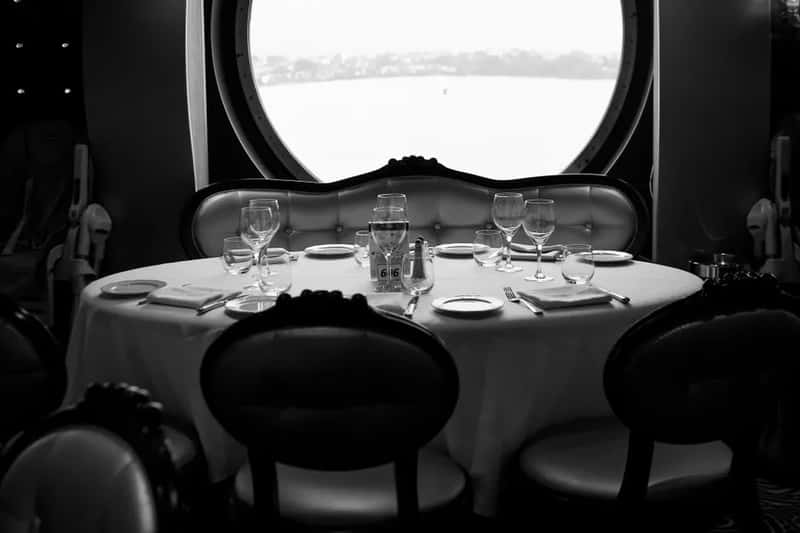
Lingering over coffee has its place, but seasoned cruisers tend to read the room before overstaying. A leisurely dinner is one of the nicer parts of the day, but there’s a point where lingering over coffee after everyone else has left the dining room means it’s probably time to go.[6]
This isn’t about rushing a good meal. It’s about being mindful of the staff, who often have another seating to prepare for. Waiters typically need to clean up the table in time for the late seating or the next morning’s breakfast service[6], and regulars tend to keep that quiet deadline in mind without needing to be told.
None of these habits require insider knowledge or years of cruising to pick up. They’re really just small adjustments, the kind that turn a good dinner into a genuinely enjoyable one, night after night, for the rest of the sailing.