
Europe has a reputation for postcard views and easy charm, but tucked behind the cafes and coastlines are some rules that catch visitors completely off guard. Local governments, especially in tourist heavy regions, have quietly tightened enforcement over the past couple of years as overtourism strains historic streets and fragile beaches. Some of these regulations sound like jokes lifted from a sitcom, yet the fines attached to them are very real and, in a few cases, have already emptied a few vacationers’ wallets.
Building a sandcastle on the wrong Italian beach

In the seaside town of Eraclea, near Venice, something as innocent as a sandcastle can turn into a legal headache. The beach of Eraclea near Venice prohibits the favorite seaside pastime of building sandcastles, with the local council claiming they “obstructed the passage.” The rule has been on the books since 2008 and covers more than towers with little flags on top.
Since 2008, building sandcastles on the beach in Eraclea can result in fines ranging from €25 to €250. The reasoning is less about spoiling fun and more about keeping walkways clear for other beachgoers and lifeguards during peak season. It is a strange thing to imagine a uniformed official measuring a child’s sand tower, but the ordinance is still active and occasionally enforced.
Using the wrong towel on a Sardinian beach
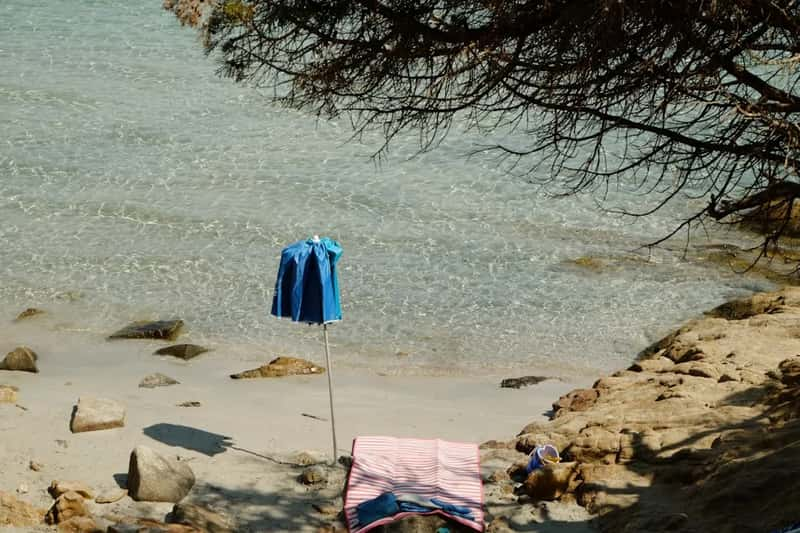
La Pelosa Beach in Sardinia looks like something out of a travel brochure, with pale sand and turquoise water that draws crowds every summer. What many visitors do not realize is that the sand itself is protected property in a very literal sense. Tourists are now fined €100 for using fabric towels because they “steal” sand, and must use rigid straw mats instead.
The penalties get steeper if someone tries to take sand or shells home as a souvenir. Fines for serious beach use violations can range from around €100 to €1,500, while environmental offenses such as removing protected sand or shells in Italy can reach €3,000. Using a towel directly on the sand remains a guaranteed way to get a €100 fine in 2026. It sounds absurd until you remember how much foot traffic that stretch of coastline handles every single day.
Picnicking on the wrong stone in Venice
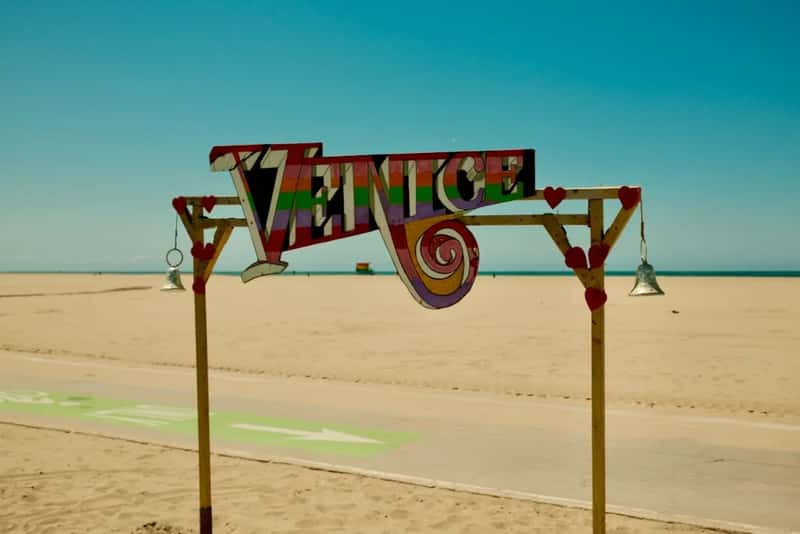
Venice has spent years trying to protect its centuries old stonework from the wear and tear of mass tourism, and one rule that trips people up involves where they choose to eat lunch. Settling onto a bridge step, a church stoop, or a historic well cover for a quick meal feels harmless enough, but the city disagrees. Settling down on a canal side, church steps, or even a historic monument for a quick al fresco lunch is banned in Venice.
This is not a theoretical threat either. Four German visitors were recently hit with fines of €1,050 each for using an 18th century wellhead as a picnic table. The city argues that constant use erodes stone that has survived for hundreds of years, and officials have shown they are willing to issue citations rather than just warnings.
Running out of fuel on the German Autobahn

The Autobahn is famous for stretches without a speed limit, which makes it easy to assume the rules there are looser than elsewhere. In reality, drivers are expected to plan their fuel stops with real precision. Running out of petrol on the highway in Germany is considered an administrative offence, punished similarly to an unauthorized stop on the Autobahn.
The fine structure is oddly specific about timing. A stop on the motorway for less than three minutes can result in a fine of €35, while anything over three minutes is treated as parking on the highway and results in a fine of €70. The logic makes sense once you consider the speeds involved. A stalled car among traffic moving well over 100 kilometers per hour is a genuine hazard, not just an inconvenience.
Doing loud chores on a Swiss Sunday

Switzerland’s reputation for order extends into how quiet a neighborhood is expected to be on any given Sunday. Noise ordinances there are taken seriously enough that mowing the lawn, washing the car, or running heavy machinery on the day of rest can draw complaints and, eventually, fines. In cities like Zurich, periods of quiet time include 10 p.m. to 7 a.m., the midday lunch hour, and all day long on Sundays.
These are not just polite suggestions written into a landlord’s welcome packet. House rules of this kind can be enforced by local authorities if a situation escalates. Anyone used to running errands or doing yard work on a Sunday afternoon back home might want to check the local rules first, since a neighbor’s complaint can trigger an actual visit from the police rather than just an awkward conversation.
Handling salmon under suspicious circumstances in England

Among the oddest sounding statutes still active in English law is a rule about fish that has become something of a legal curiosity. The Salmon Act of 1986 makes it an offence to handle salmon in suspicious circumstances, a phrase vague enough to sound invented for a comedy sketch. Handling salmon in suspicious circumstances in England is genuinely illegal under current statute.
The law was actually written to combat poaching and the trafficking of illegally caught fish, closing a loophole where someone caught with stolen salmon could claim they simply did not know its origin. It remains part of English law today, even though prosecutions are rare and the wording itself has become something of an inside joke among legal commentators. Anyone buying salmon from an unlicensed stranger by the roadside, however, is technically flirting with this odd but real offence.
Wearing heels at Greece’s ancient sites

The Acropolis and other archaeological landmarks in Greece have a footwear policy that surprises a lot of first time visitors. Authorities put the ban in place in 2009 because sharp soled shoes add to the wear and tear of national treasures, with officials stating that visitors must wear shoes that do not wound the monuments.
The financial consequences are not symbolic. Fines for violations can reach up to €900. Guests are likely to be stopped at the entrance, where guards may ask them to remove their heels or simply turn them away entirely. Given that much of the marble at these sites is already slippery from centuries of foot traffic, the rule doubles as a basic safety measure as much as a preservation one.
Wearing a bikini on the street in Spain

Spain’s coastal cities have grown increasingly strict about where beachwear belongs, and the answer, according to local law, is strictly the beach. In Barcelona, this rule has been in place since 2011, and anyone caught wearing swimwear away from the beach can be fined up to €300.
Other destinations have gone even further with their penalties. Majorca imposes fines reaching €600, while in Sorrento, Italy, the fine for wearing swimwear outside designated beach areas can climb to €500. The goal is largely about maintaining a certain standard of dress in commercial and residential streets, though it does mean packing a cover up is no longer optional advice, it is a genuine legal safeguard against an unexpected ticket.
Wearing flip flops on Italy’s Cinque Terre trails
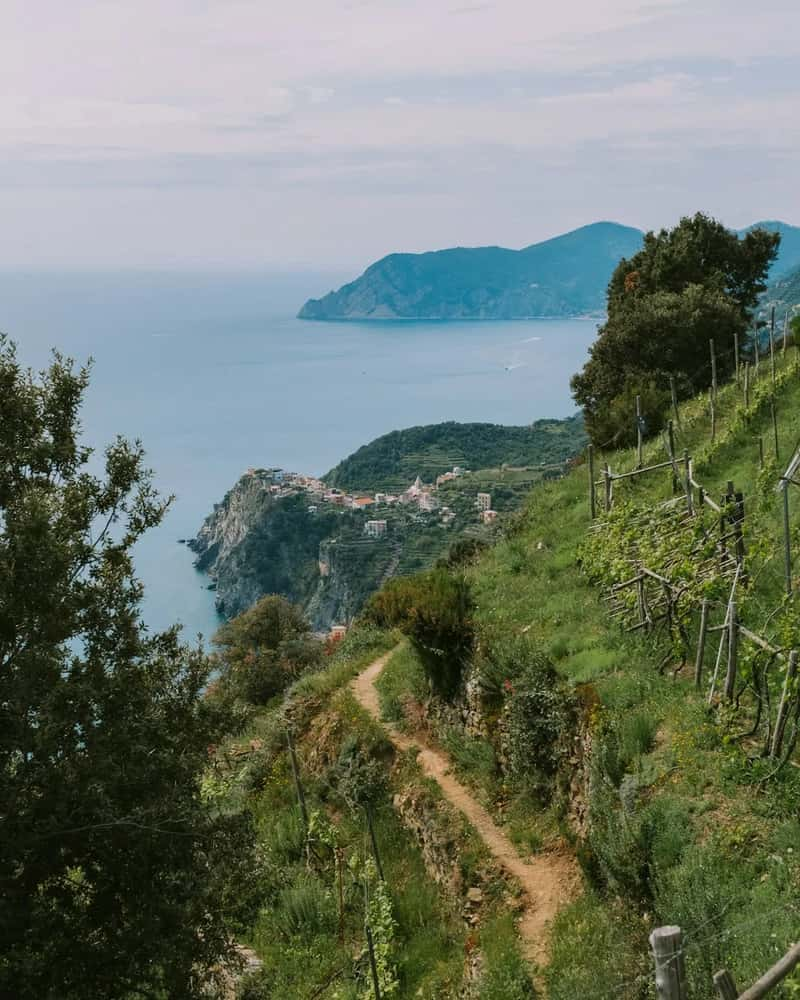
The five coastal villages that make up Cinque Terre are connected by scenic hiking paths that look easy enough for casual footwear, but local park authorities disagree. Rangers patrol these routes and have the authority to stop hikers wearing flip flops, sandals, or other unsuitable shoes before they even start walking. The paths involve steep, uneven terrain with loose rock, and rescues involving injured tourists in beach sandals became common enough that officials decided to intervene.
Fines for ignoring the footwear requirement have been reported in the range of several hundred euros, occasionally reaching well over a thousand for repeat refusals to comply. Trail wardens generally give a warning first, directing hikers back toward town for proper shoes, but persistent noncompliance is what triggers the financial penalty. It is one of the few rules on this list born entirely out of practical safety rather than preservation or noise control.
Taken together, these rules are less about catching tourists off guard for sport and more about protecting fragile coastlines, ancient stone, and quiet neighborhoods from the wear of millions of visitors every year. A little research before packing a suitcase, particularly around footwear, beachwear, and where exactly it is acceptable to sit down for lunch, can spare travelers an unpleasant surprise on an otherwise good trip.