You can spot certain travelers before they even open their mouths. It’s not always the sneakers or the baseball cap, though those help. It’s the small, almost automatic behaviors that get baked in over a lifetime at home and suddenly stand out the moment you cross an ocean.
None of this is about shame or trying to blend in perfectly. It’s more about noticing the quiet cultural reflexes that give people away, sometimes charmingly, sometimes not. Here are nine of the most common tells.
1. Talking louder than everyone else in the room

Walk into a quiet trattoria in Rome or a tea house in Kyoto, and the American table is often the one you hear before you see. It’s not rudeness exactly, more a difference in what counts as a normal indoor voice. American public spaces, from diners to malls, tend to run louder, so the volume habit just travels along with the person.
Locals in many countries keep conversations at a noticeably lower register in shared spaces like trains, cafes, and restaurants. When an American group doesn’t adjust, heads turn, and not always in a friendly way. It’s one of the fastest ways to be identified from across a piazza without a single word being understood.
2. Expecting free water, free refills, and ice in everything

Asking for a glass of water and getting a small, unrefilled, room-temperature glass throws a lot of American travelers off guard. In the United States, free tap water and endless soda refills are practically a birthright at any diner. In much of Europe, Asia, and Latin America, water is a paid item, refills aren’t a thing, and ice is often served sparingly if at all.
The instinctive follow-up request, more ice please, or can I get a refill, tends to confuse servers who simply don’t operate that way. It’s a small moment, but it repeats itself at nearly every meal, which makes it one of the more reliable giveaways. Even ordering a soda and expecting a bucket of ice cubes can raise an eyebrow in places where a drink typically comes with two or three cubes at most.
3. Tipping on everything, including where it isn’t expected
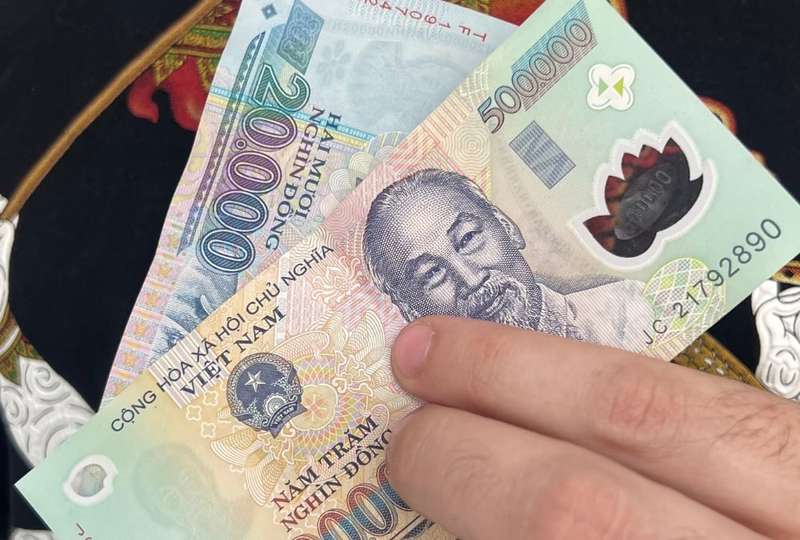
American tipping culture is famously generous and famously confusing to export. Reaching for eighteen to twenty percent at a cafe counter in Paris or trying to tip a taxi driver in Tokyo often gets a polite but puzzled reaction. In many countries, service is already included in the price, or a small rounding-up gesture is the norm rather than a percentage-based calculation.
This habit isn’t just noticeable, it can actually cause minor social friction. In Japan, for example, tipping can be seen as slightly awkward or even mildly insulting, since the standard is that good service doesn’t require extra payment. Sticking to the ingrained percentage math, rather than reading the local custom, is one of the quicker ways to flag oneself as visiting from the States.
4. Wearing athletic shoes and gym clothes as everyday travel wear

Comfort tends to win out in American travel wardrobes, and that usually means white sneakers, sweatpants, or leggings paired with a backpack. In cities like Milan, Paris, or Seoul, everyday street style leans more structured, with closed shoes, tailored pants, and fewer visible logos. The contrast isn’t about looking wealthy, it’s about a different baseline for what counts as put-together in public.
This isn’t a hard rule, since plenty of Europeans wear sneakers too, especially younger crowds. Still, the specific combination, bright white running shoes, a branded hoodie, and a large logo-covered daypack, remains a fairly consistent pattern among American visitors. Locals in fashion-conscious cities have gotten used to spotting it almost on sight.
5. Smiling at strangers on the street or in the metro

In much of the United States, a quick smile at a stranger passing by is a normal, almost automatic social gesture. In many parts of Northern and Eastern Europe, that same smile can come across as odd or even suspicious, since eye contact with strangers isn’t typically met with an open expression. Parisians, Muscovites, and many others tend to reserve smiles for people they actually know.
This cultural mismatch shows up constantly on public transit and sidewalks. An American tourist beaming at fellow subway passengers usually gets a blank or startled look in return, which can feel a little deflating at first. It’s a small habit, but it’s consistent enough that transit workers and shopkeepers in tourist-heavy cities often mention it as one of the clearest nationality tells.
6. Asking for substitutions and customizing the menu order
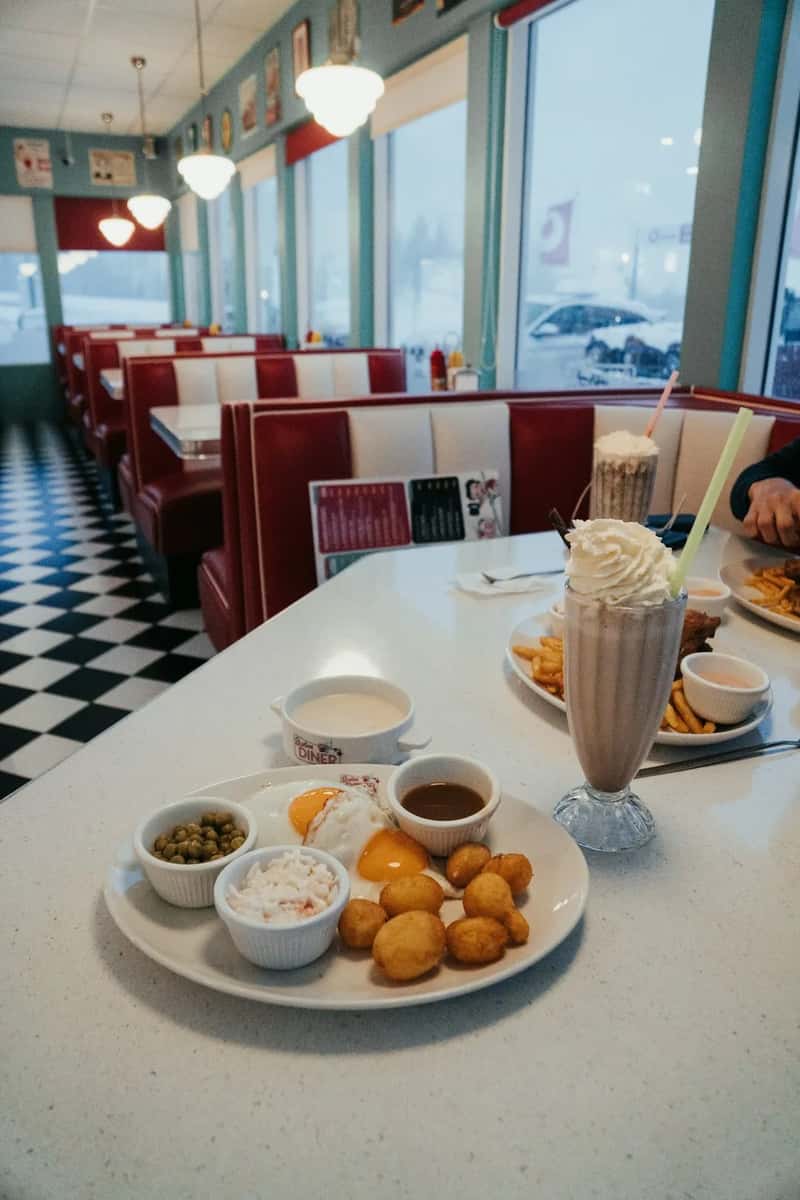
American dining culture is built around customization, from hold the onions to dressing on the side to swapping fries for a salad. Many restaurants abroad, especially smaller family-run spots in Italy, France, or Spain, simply don’t offer that kind of flexibility. The dish is made a certain way because that’s the recipe, and asking for changes can be met with a polite but firm no.
This isn’t universal, since larger cities and tourist-focused restaurants have adapted somewhat. Still, the instinct to ask, could I get the sauce on the side, or is there a substitute for the cheese, remains a strong signal. Chefs and servers in more traditional establishments often recognize the request pattern before they even hear the accent.
7. Filling every silence with small talk

Striking up a conversation with a cashier, a fellow elevator rider, or a stranger at a bus stop feels completely normal in the United States. In countries like Finland, Japan, or Germany, silence in these situations isn’t awkward, it’s simply expected and comfortable. Comments about the weather or a friendly how’s your day going can land as unusual rather than warm.
This habit tends to surprise American travelers themselves once they notice locals aren’t reciprocating the way they expect. It’s not coldness on the other end, it’s a different comfort level with quiet, shared space. Persisting with cheerful small talk anyway, out of habit more than anything, is one of the more consistent behavioral markers abroad.
8. Expecting air conditioning and ice-cold drinks everywhere
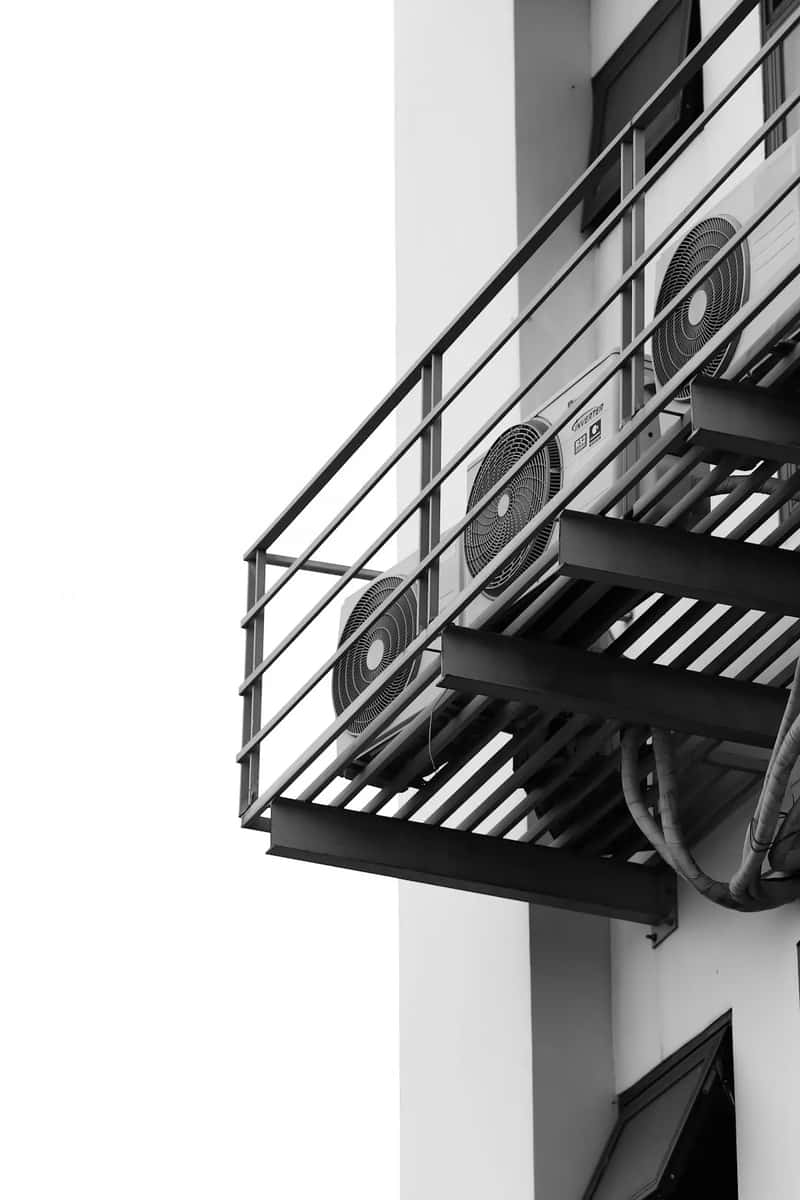
Central air conditioning is standard in most American homes, offices, and stores, so its absence abroad can come as a genuine surprise. Many older buildings in Europe, particularly in places like the United Kingdom, France, and Italy, were constructed long before air conditioning existed and simply weren’t designed to accommodate it easily. Visible frustration or repeated comments about the heat tend to stand out quickly.
The same goes for drink temperature. Requesting extra-cold beverages or commenting on room-temperature soda is a small but telling habit, since many cultures don’t chill drinks nearly as aggressively as American restaurants and homes do. Hotel staff in warmer European cities often mention this as one of the more predictable complaints they hear from American guests during summer travel.
9. Over-relying on credit cards and expecting contactless everywhere

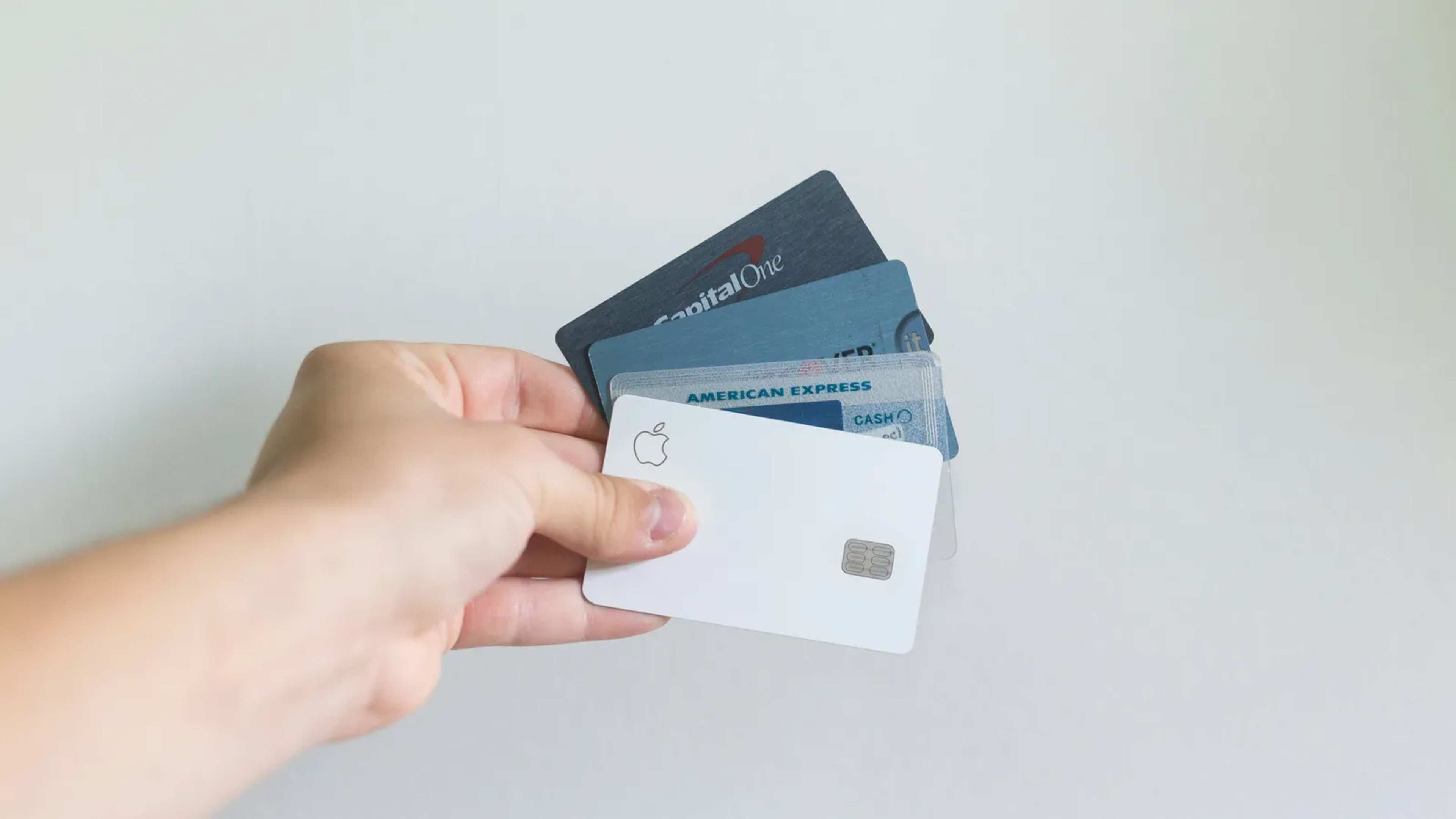
American travelers are used to tapping a card or phone for nearly any purchase, from a coffee to a taxi fare. While contactless payment has expanded significantly across Europe and Asia in recent years, plenty of smaller vendors, local markets, and rural areas still operate primarily on cash. Being caught without local currency, or visibly confused when a card machine isn’t available, is a fast tell.
This habit has become slightly less pronounced since the pandemic accelerated digital payment adoption worldwide. Still, the assumption that a card will always work, paired with minimal cash on hand, remains a distinctly American travel pattern in many smaller towns and markets. Shop owners in less touristy regions often notice the slight pause and search through pockets before a traveler even says a word.
None of these habits are dealbreakers, and most locals find them more amusing than offensive. They’re simply the small cultural fingerprints that travel along whether or not a passport ever comes out of the bag.