A hotel stay looks simple on paper. You pick a room, you pay the rate, you show up. In practice, a surprising number of ordinary habits quietly add extra dollars to the bill, and most travelers never notice until the final folio lands in their inbox. Some of these habits are things guests do without thinking twice, like touching a snack tray or handing over a room key for valet. Others are decisions made weeks earlier, back when the booking screen first popped up. Either way, the money adds up faster than people expect.
Booking a room without checking the full price first

Plenty of travelers still book based on the headline room rate, then get hit with extra charges once they reach checkout or arrive at the property. The average US resort fee runs around $42 a night, with most properties landing between $15 and $50 and luxury spots in Las Vegas, Miami, and New York charging $50 or more.[1] Over a week, that quietly adds a few hundred dollars to a “cheaper” rate.[1]
There is some relief here, at least on the transparency side. The FTC’s rule on unfair or deceptive fees took effect on May 12, 2025, and it requires hotels, resorts, and booking platforms to show the all-in total price upfront, resort fees included, before you check out.[1] That does not mean the fees disappear, it just means you can see them before you commit. On top of that, local lodging taxes are climbing in several markets this year, so the sticker price and the real price can still drift apart even after checkout.
Treating the minibar like a free snack shelf
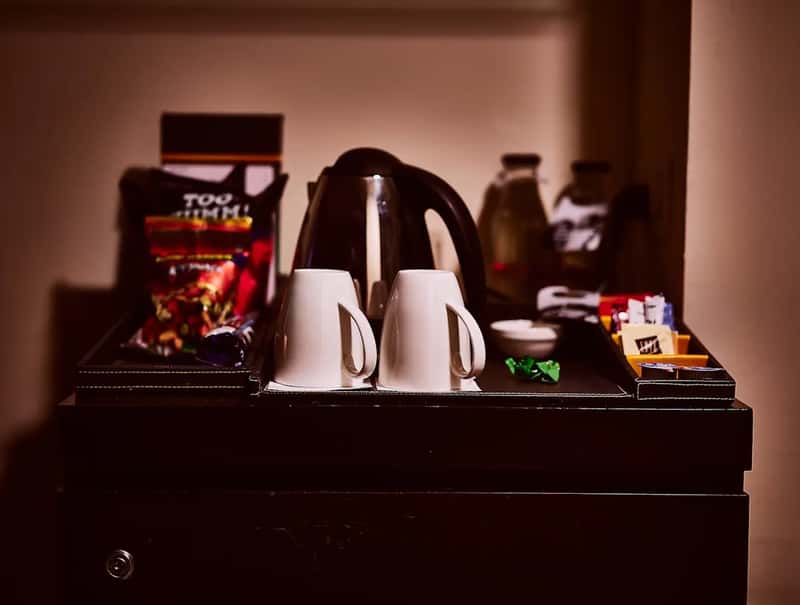
Most guests know a minibar drink comes with a charge. Fewer realize that simply picking up an item to check the label can trigger a bill. Items typically cost 300 to 400 percent more than retail, and hotels use sensors to automatically charge your room the moment you lift a bottle.[2]
These systems are far from perfect. A manager at Milwaukee’s Ambassador Hotel estimates that as many as 90% of automatic charges for the minibar turn out to be in error.[3] A wider survey of hotel guests backs this up in spirit. A whopping 91.5% of respondents indicated that they have dealt with errors on a hotel bill at checkout, ranging from minor problems like a soda from the sundry shop to major concerns.[4] If you are not planning to buy anything, the safest move is often to leave the tray untouched or ask the front desk to remove the key entirely.
Defaulting to valet parking without comparing options

Valet feels like the obvious choice when you pull up tired after a long drive, but it rarely comes cheap. Valet parking is convenient, but it typically costs $10 to $20 more per night than self-parking at the same hotel, and in major cities the gap can be wider.[5] One Denver hotel charged $40 for self-parking and $49 for valet, while a nearby public garage cost just $12 per night.[5]
Tourist hotspots tend to push these numbers even higher. In Miami Beach, the average valet rate runs $39 per day, with the highest rate reaching $60 per day at one luxury property.[6] Before you hand over your keys automatically, it is worth a quick look at self-parking rates or a nearby municipal garage, since the savings over a multi-night stay can be substantial.
Saying yes to “pay in your home currency” abroad

When a hotel abroad offers to charge your card in your home currency instead of the local one, it feels like a courtesy. It usually is not. If you accept the merchant’s currency conversion offer, they will charge you an expensive currency conversion fee, up to 7% higher than the going conversion rate.[7]
Some properties push the markup even further. In one common scenario, a 12 percent DCC fee means you pay an extra 12 euros on top of what the bill should have been.[8] Opting for that convenience means you get a worse conversion rate and you pay a service fee on top of it.[9] The fix is simple: whenever a payment terminal or hotel folio asks, choose the local currency, not your own.
Skipping the final bill review at checkout

Many guests settle up and move on without actually reading the folio line by line. That is a habit worth breaking, since errors show up more often than people assume. A whopping 91.5% of respondents indicated that they have dealt with errors on a hotel bill at checkout, ranging from minor problems to major concerns like being charged full price on an award stay.[4]
Parking charges are one of the most common culprits, especially for guests who never brought a car. If you did not bring a car, review your folio carefully at checkout and dispute any parking charges.[5] Hotels will often remove the fee when asked, but they rarely volunteer the correction on their own.[5] A five-minute read of the bill before you sign can save real money.
Booking through third-party sites instead of the hotel directly

Third-party booking apps can be handy for comparing prices at a glance, but they come with tradeoffs that rarely show up in the search results. Reservations made through outside platforms often will not earn loyalty points, will not qualify for member rates, and can be harder to modify or cancel once something changes. If a problem comes up during the stay, the hotel sometimes has less flexibility to fix it because the booking sits with a third party rather than in their own system.
Calling the property directly or booking on its own website tends to open the door to small perks that add up: a room upgrade if one is available, a waived fee, or a friendlier response if something goes wrong. It is not a guarantee, but hotels generally have more room to work with guests they booked directly. For anyone loyal to a particular chain, this habit alone can be worth more over a year than chasing a slightly lower rate on an aggregator site.
Using the in-room phone instead of your own device

It sounds almost old-fashioned, but plenty of travelers still pick up the hotel room phone to make a quick call, especially internationally. That habit tends to be expensive. Hotels charge outrageous mark-ups on phone calls, so it is nearly always cheaper to use your own mobile even when the roaming rates seem steep.[10]
The same logic applies to other in-room conveniences billed at hotel rates, from long-distance dialing to certain paid entertainment options bundled into the room’s phone or television system. A cheap prepaid SIM, an international plan, or a messaging app over WiFi will almost always beat the hotel’s line item. It is a small habit to break, but one that quietly saves money on every trip that involves a call home.
Never joining the hotel’s loyalty program
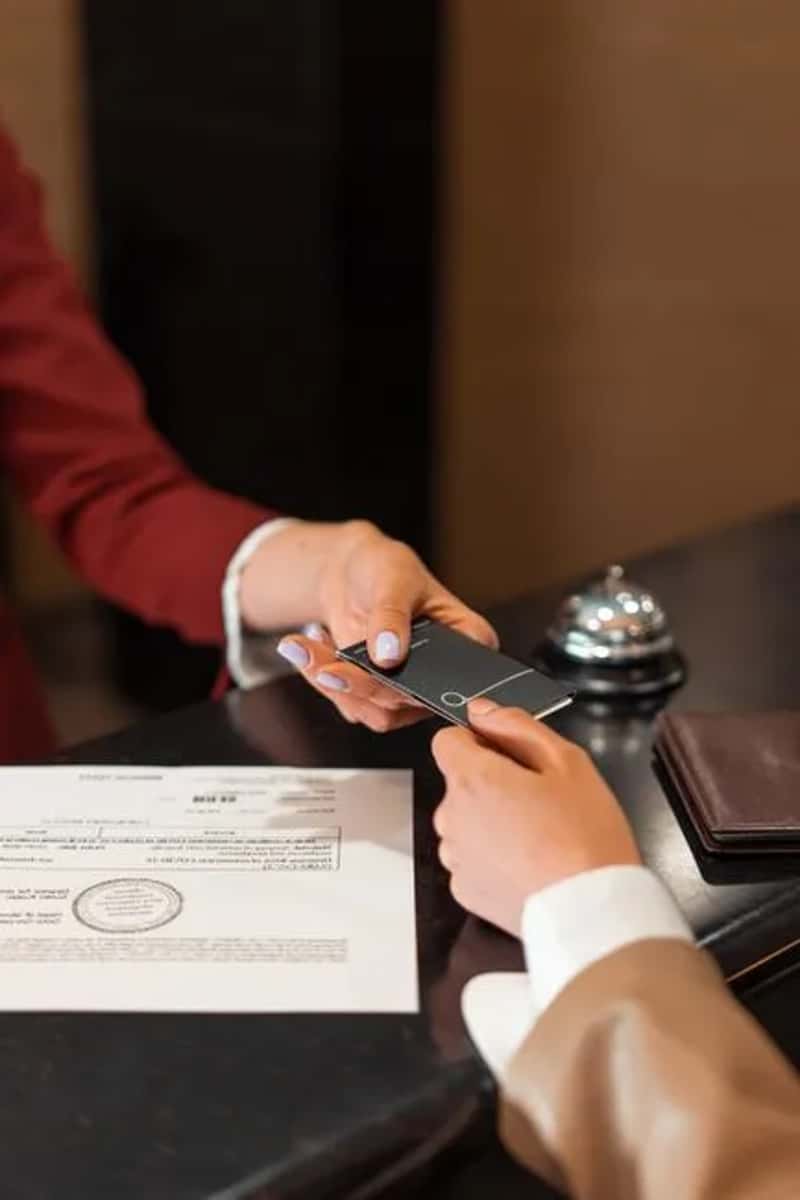
Skipping loyalty sign-up feels harmless when you are just booking one night, but it can cost more than people think, especially with fees. Membership tiers sometimes come with waived resort fees, free parking, or complimentary breakfast that would otherwise show up as a separate charge. The benefits vary a lot by chain, so it pays to know which ones apply where you are staying.
Booking with points at Hyatt properties often waives resort fees, while Marriott and Hilton typically do not waive those fees on award stays.[11] Signing up costs nothing and takes a couple of minutes at check-in or online beforehand. For frequent travelers, even a mid-tier loyalty status can offset enough fees over a year to make the habit worth adopting.
Locking into a non-refundable rate without checking price movement

Non-refundable rates are marketed as the “smart saver” option, and sometimes they are. Other times the discount is small enough that it is not worth giving up flexibility, especially since hotel prices fluctuate right up until the stay date based on demand. Locking in early on a non-refundable rate can mean missing a lower price that appears closer to the trip, with no way to rebook without losing the original payment.
A flexible or fully refundable rate usually costs a little more upfront, but it gives you room to cancel and rebook if the price drops or your plans shift. For travelers booking months ahead, that flexibility often pays for itself, particularly in markets where rates swing with local events, conventions, or seasonal demand. Checking the cancellation terms before hitting confirm is a small habit that can prevent a much bigger loss later.
Small habits like these rarely feel significant in the moment, a touched snack, a valet key handed over out of convenience, a currency choice made without thinking. Add them up across a single trip, though, and they can turn a reasonably priced stay into a far more expensive one. Paying attention to these nine areas costs nothing extra and, in most cases, takes only a minute or two of checking before you commit.