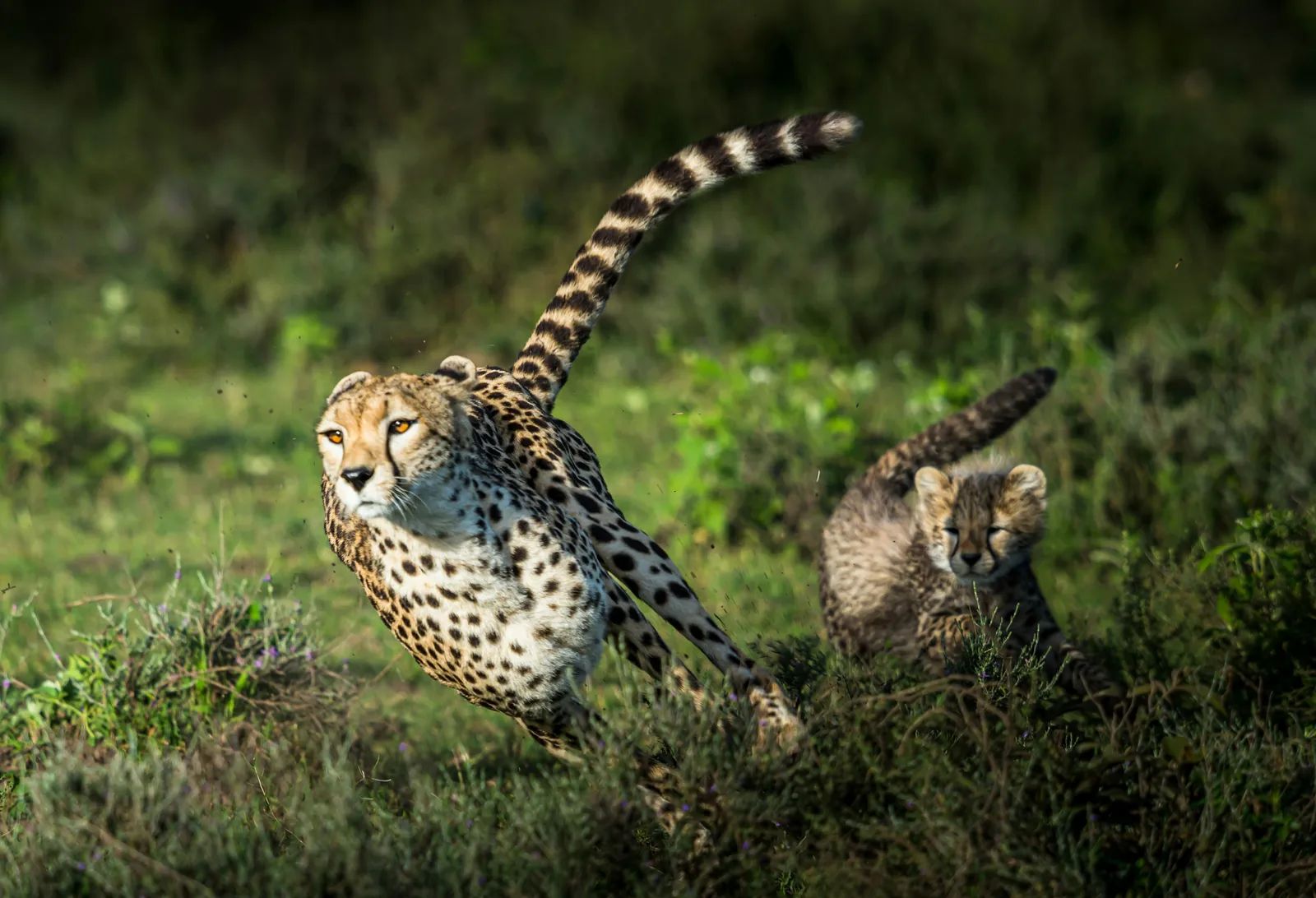
Prague – Five cheetah cubs born at the Prague Zoo in June have weathered an unusually difficult start that included intense summer storms and a bout of illness in their mother, yet they appear healthy and active as of the latest update. The zoo announced the positive assessment on Friday, noting that the animals continue to show vitality despite the early setbacks. Every successful birth carries added weight for a species facing steep population declines in the wild. ([1])
Birth Under Stormy Conditions
The quintuplets, four males and one female, arrived on June 18 in an outdoor enclosure chosen by their first-time mother, Daenerys. Strong storms swept through Prague shortly afterward, bringing heavy rains that posed immediate risks to the newborns. In the wild, cheetah cubs already contend with high rates of predation and disease, factors that make early survival precarious even under ideal circumstances. Daenerys demonstrated attentive care by shielding the litter and repeatedly licking rainwater from their fur to help keep them dry. Zoo staff described her response as exemplary given her lack of prior experience. The combination of outdoor exposure and sudden weather created a demanding environment from the outset.
Mother’s Health Challenge and Recovery
In August the mother developed an intestinal infection that added further strain to the situation. Staff monitored the family closely while providing necessary veterinary support. Despite the added complication, the cubs remained protected and continued to develop. The episode underscored the vulnerabilities that can affect even well-managed zoo populations. Cheetahs in captivity still require careful oversight during the first months, when respiratory issues and other illnesses can quickly become serious. The zoo’s intervention helped stabilize the group during this period.
Current Outlook and Remaining Uncertainties
Curator Pavel Brandl stated that the five cubs looked lively and healthy at the time of the Friday update. “At this moment, everything seems fine, but it’s still a long run,” he said. He noted that it could take up to a year to determine whether the animals have cleared the most critical early phase. Scientists emphasize that each surviving cub contributes meaningfully to conservation efforts for a species estimated at fewer than 7,000 individuals worldwide. Cheetahs remain the fastest land mammals, capable of reaching speeds between 70 and 75 miles per hour, yet habitat loss and other pressures continue to limit their numbers in the wild.
What matters now
- Continued monitoring of the Prague litter through the coming months
- Support for broader cheetah conservation programs that address both captive breeding and wild protection
- Public awareness of the species’ vulnerability and the role zoos play in research and breeding
Why These Births Matter for Conservation
Zoos maintain carefully managed populations that can serve as genetic reservoirs while researchers study health, behavior, and reproduction. Successful rearing of multiple cubs from a single litter provides valuable data on maternal care and early development under controlled conditions. Such information can inform strategies used both in captivity and in reintroduction or support programs elsewhere. The Prague case illustrates the incremental nature of progress in cheetah conservation. While the immediate news is encouraging, long-term outcomes depend on sustained attention to health, genetics, and environmental factors. Observers will continue to track the quintuplets as they grow, adding one more data point to ongoing efforts to stabilize the species.