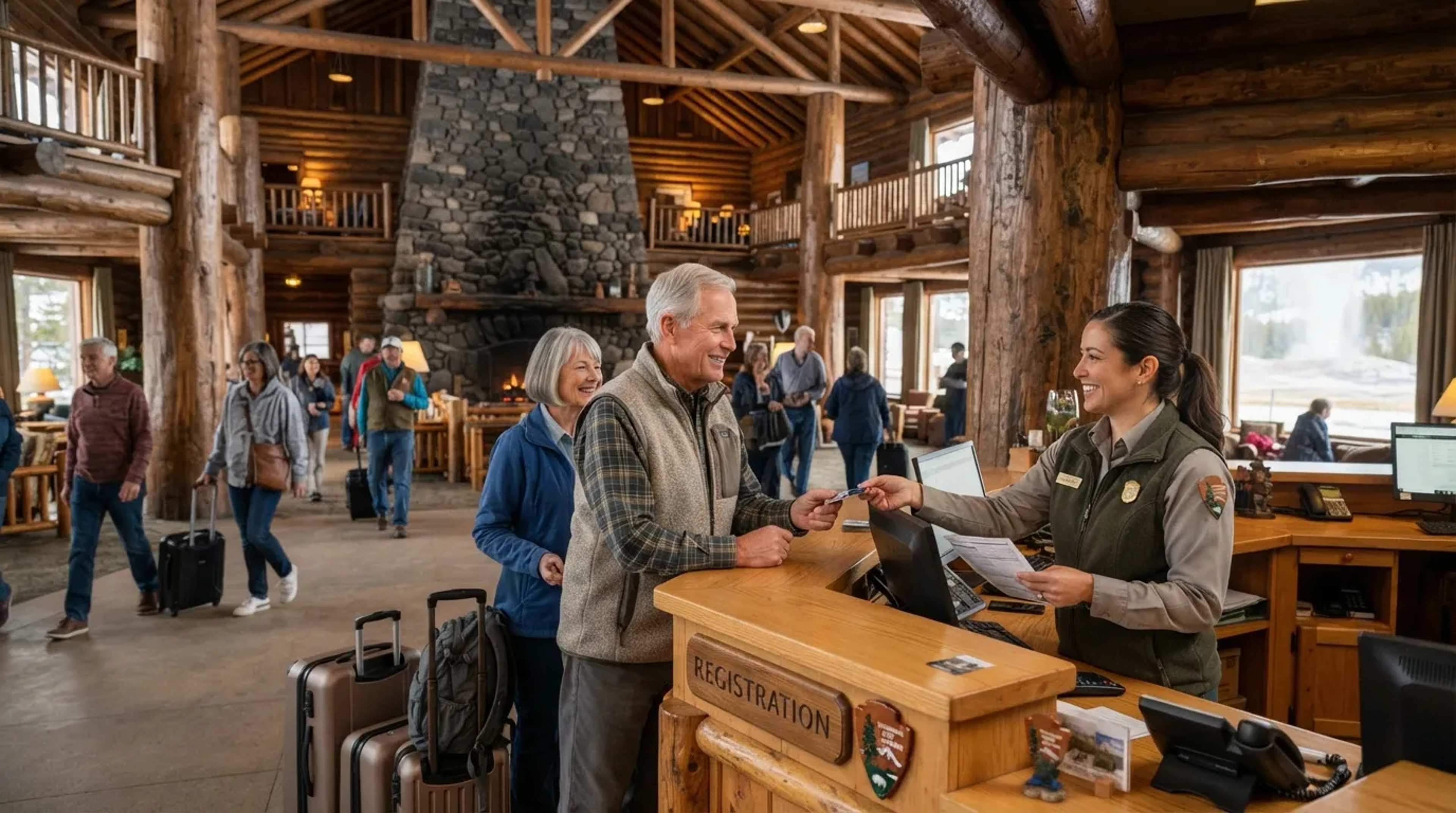
You step off a long flight, drag your suitcase through the lobby, and smile at the front desk agent who greets you warmly. You give your name. They tap a few keys. Then comes a phrase that sounds perfectly polite, perfectly professional, and yet somehow leaves you standing there with your luggage and no room key.
Hotel front desk staff are trained to communicate with grace under pressure. Honestly, it’s impressive. The phrases they use are carefully crafted to manage guest expectations while keeping the operation running smoothly behind the scenes. You just need to know what those phrases actually mean. Let’s dive in.
“Your Room Is Being Prepared Right Now”
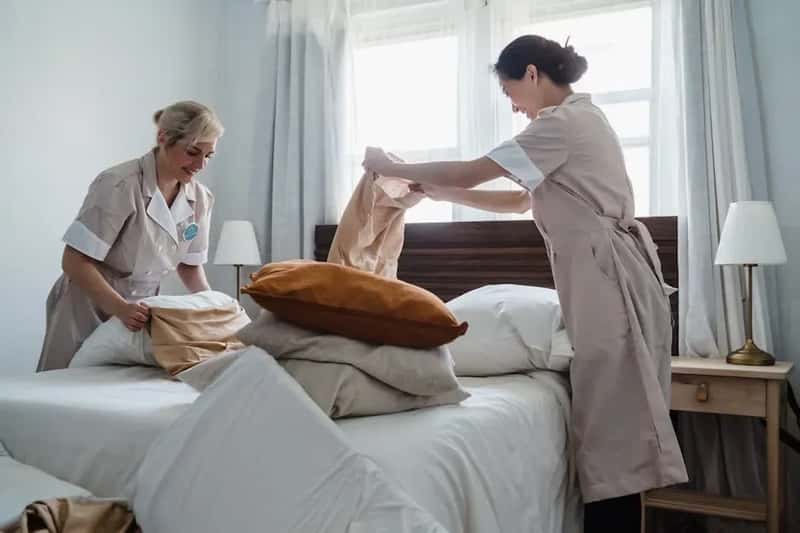
This one sounds reassuring, almost like the room is moments away from being yours. In reality, it’s one of the most common ways staff signal that housekeeping hasn’t finished yet. Housekeeping requires several hours after the official check-out time to clean, sanitize, and inspect rooms, ensuring they meet brand standards before the next guest arrives. So when a front desk agent says your room is “being prepared,” they often mean it just entered the cleaning queue.
It takes roughly 30 to 45 minutes to clean a standard room, meaning even a moderately sized property can take several hours to prepare all occupied rooms from the previous night. Think of it like a factory line. One delay early in the morning can ripple through the entire day’s schedule. The phrase sounds active and immediate, but the reality might be a wait of anywhere from 20 minutes to two hours.
“We’re Just Doing a Final Inspection”
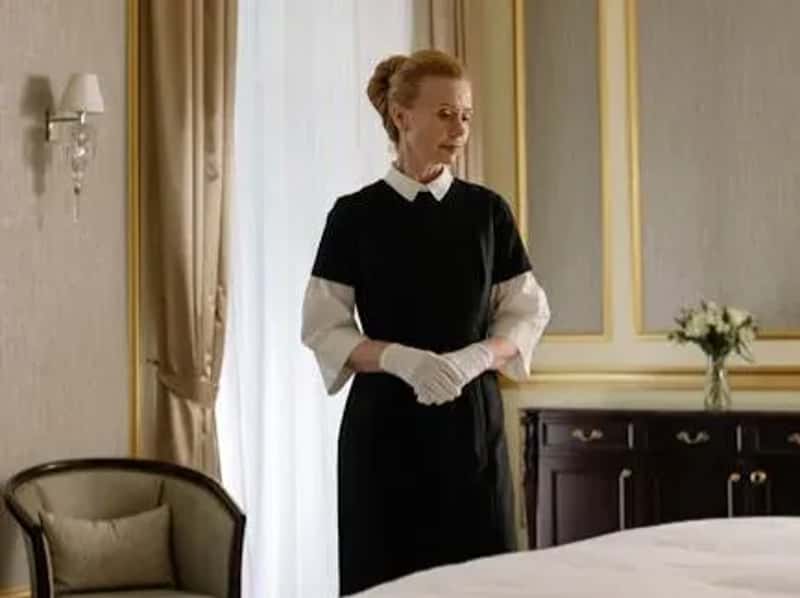
Here’s the thing. “Final inspection” sounds like the room is basically done. Towels folded, beds crisp, all good. But in hotel operations, the inspection stage is a formal step that comes after cleaning and before the room is officially released. Room readiness is more than just housekeeping efficiency. A clean, well-prepared room communicates reliability, attention to detail, and respect for the guest’s time. So they’re not cutting corners. They genuinely mean it.
The inspection itself can take additional time if a supervisor spots something that needs correcting. Hotels relying on outdated housekeeping methods face real challenges, including manual scheduling that wastes management time, communication delays, and no real-time visibility into which rooms are clean, dirty, or inspected. When you hear “final inspection,” the room could still be a full 30 minutes away.
“We’ll Have You Checked In As Soon As Possible”
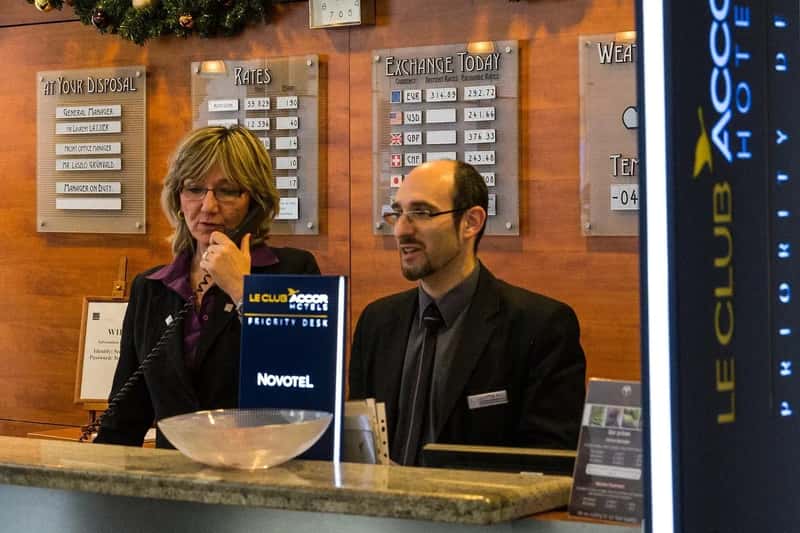
Vague. Deliberately vague. I think this is the phrase that frustrates travelers the most, because “as soon as possible” could mean five minutes or five hours and the front desk agent technically isn’t lying either way. Many hotels continue to maintain the traditional 3 PM check-in and 11 AM checkout structure, citing the need for room preparation as justification, and industry experts argue that such rigid practices are becoming outdated and may negatively impact customer satisfaction.
A survey of 5,000 frequent travelers revealed that nearly two thirds would choose a hotel offering flexible check-in and check-out times over a competitor with similar amenities and pricing. That stat tells you everything. Guests are desperate for flexibility, and this phrase is essentially the hotel’s way of buying time while they figure out logistics. It’s polite, it’s professional, and it’s almost certainly a sign your room isn’t ready.
“You’re Welcome to Enjoy Our Lobby Amenities in the Meantime”
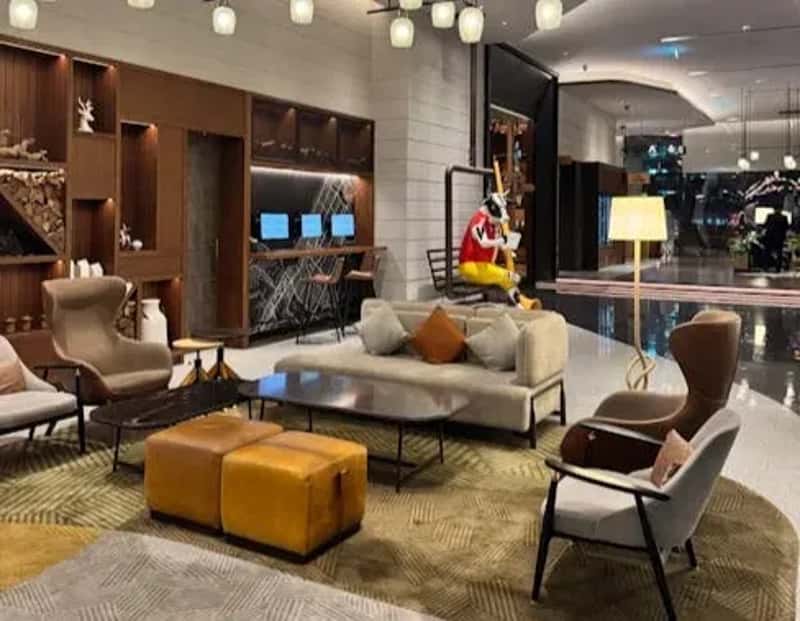
Translation: go sit somewhere and wait. Now, to be fair, some hotels genuinely have beautiful lobbies with great coffee bars and comfortable seating. Most hotels offer complimentary luggage storage at the front desk when rooms aren’t available, allowing guests to explore without carrying bags, and many hotels also allow early arrivals to access common facilities immediately. So this phrase isn’t purely a brush-off, but it is a polite redirection away from the front desk.
The underlying message is clear: your room simply isn’t ready, and they’d rather you experience something pleasant while you wait than stand awkwardly at the counter. Imagine a guest who’s just arrived after a long journey, tired and eager to relax, and the front desk informs them that their room isn’t ready yet. Even a 15-minute delay immediately affects their perception of the hotel. Hotels know this. The lobby redirect is damage control with free Wi-Fi.
“We’re Currently Experiencing High Occupancy Today”
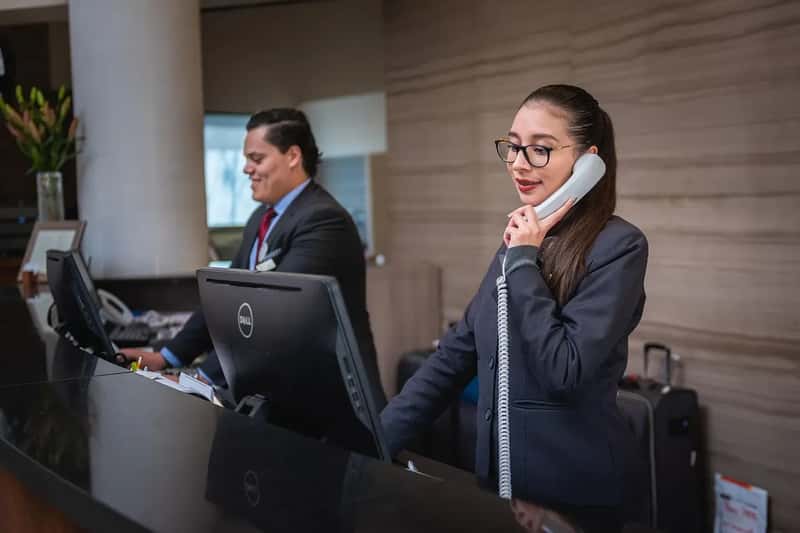
This one is code. It tells you the hotel is slammed, housekeeping is stretched thin, and room turnover is behind schedule. Sometimes hotels may be short-staffed on housekeepers, so on a day with a lot of departures and arrivals, they may struggle to get all rooms cleaned in time. It’s a systemic problem, not a personal one, and the phrase is the hotel’s way of preemptively managing your frustration before it boils over.
A study by Revfine revealed that housekeepers are assigned an average of nearly 22 rooms per day, significantly exceeding the industry standard of 12 to 15 rooms. Overburdening staff can lead to errors, reduced motivation, and increased guest complaints. When a hotel tells you occupancy is high, they’re telling you their housekeeping team is likely running above capacity. It’s real, it’s common, and it means your room is still in a queue somewhere.
“We’re Just Waiting on Housekeeping Confirmation”

Let’s be real. This phrase is very specific, and that specificity is actually reassuring in a way. It means your room has been cleaned but the supervisor hasn’t signed off yet. In most hotels, the front desk is the communication hub but often also the bottleneck. Without visibility into housekeeping progress, front-desk agents constantly call or message for updates, which wastes time and leads to miscommunication.
A standard checkout room takes 25 to 45 minutes to turn over, but this varies dramatically based on property type and room condition. Budget hotels average 20 to 30 minutes per room, full-service properties run 30 to 40 minutes, and luxury hotels or suites can require 45 to 60 minutes. So “waiting on confirmation” puts you somewhere at the tail end of that window. Close but not quite there.
“We’ll Send You a Text Message When It’s Ready”
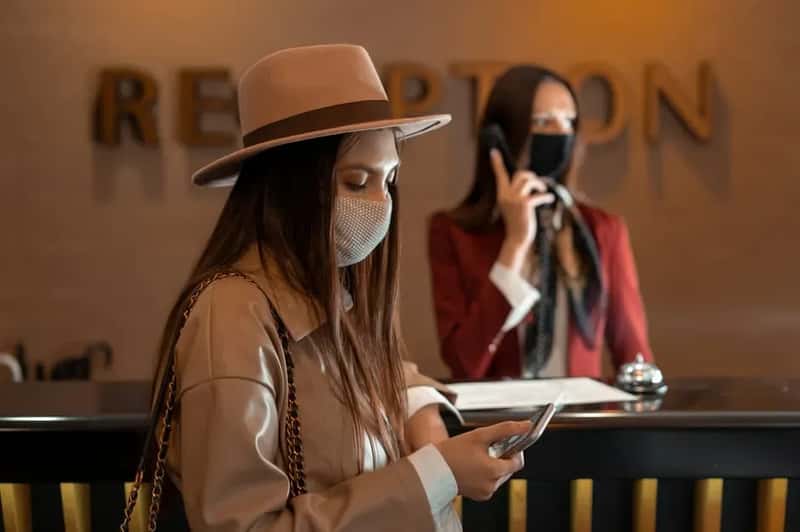
This phrase sounds like a promise and a solution rolled into one. In 2024 and 2025, more hotels have adopted mobile check-in systems and digital notifications. The rise of mobile check-in apps has facilitated a roughly quarter increase in early check-in requests, as guests can now easily select and pay for this option in advance. So the technology exists, and the intention is genuine.
However, the follow-through isn’t always perfect. The phrase “we’ll text you when your room’s ready” is one of the most common commitments hotels make but rarely fully deliver on, and these small failures steal your time. When you get this phrase, you should store your bags with the concierge, grab lunch nearby, and genuinely not expect anything sooner than 60 to 90 minutes. Set your own reminder. It’s safer.
“There’s Been a Slight Delay With Your Room Category”
This is a very particular phrase that often signals something slightly more complicated than a routine cleaning delay. Your specific room type, whether it’s a suite, a king with a view, or a high-floor room, simply hasn’t been vacated or hasn’t been prepped yet. Some guests have guaranteed late checkout options, which poses a major issue because if someone uses that, the hotel can’t have the room be ready by check-in time. This includes top-tier loyalty members at major hotel chains.
It’s hard to say for sure, but this phrase can also be a polite setup for an offer. Hotels may offer a temporary room until your specific room is ready, or alternatively offer a further upgrade to allow for an on-time check-in. If you hear “delay with your room category,” stay calm, ask politely about alternatives, and see if an upgrade surfaces. Sometimes a delay is actually an opportunity in disguise.
“We Appreciate Your Patience and Will Have You Settled Shortly”
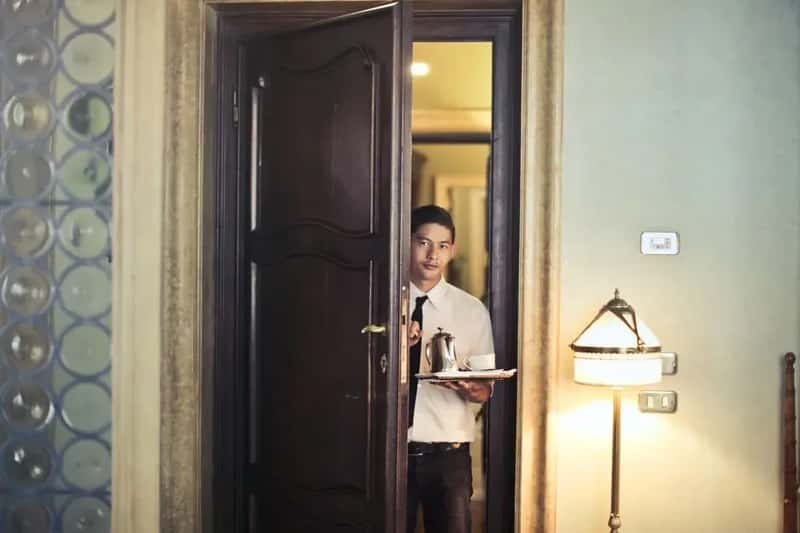
“Shortly” is doing an enormous amount of work in that sentence. This phrase is one of the warmest-sounding ways to tell a guest that nothing is ready. Hotels should communicate as transparently as possible in these situations, and guests would much rather have honest information to manage their expectations than be strung along without a realistic sense of how long it’ll take. This phrase is essentially the soft version of stringing you along, even if it’s delivered with a genuine smile.
A survey of 10,000 travelers revealed that the vast majority would be willing to pay a premium for guaranteed early check-in or late check-out options. That stat reflects just how much this particular pain point matters to modern travelers. Delays, missing amenities, or overlooked cleaning spots tell guests that operations are disorganized or understaffed. With rising guest expectations and online reviews influencing bookings, even small operational delays can have lasting consequences. In short, “shortly” isn’t always short. Bring a book.
What Can You Actually Do About It?
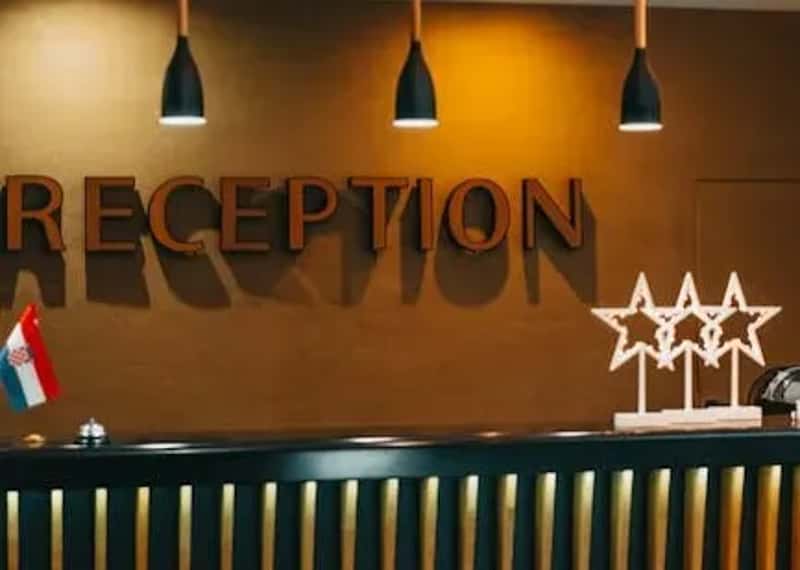
Knowing these phrases is half the battle. The other half is responding strategically rather than with frustration. Frequent guests with elite loyalty status often receive priority room assignment and early access, and front desk agents are more likely to assist guests who understand the process and remain courteous. Politeness genuinely works here. These agents aren’t the cause of the delay, and treating them well often results in faster solutions.
Loyalty program members accounted for more than half of all occupied rooms in 2024, with membership surging nearly fifteen percent that year, far outpacing overall demand growth. If you’re enrolled in a hotel loyalty program, mentioning your membership number at check-in can quietly bump your room up the priority list. Some hotels offer early check-in options for an additional fee or prioritize guests based on loyalty status or room availability, and it’s essential to communicate early arrival times with the hotel in advance to ensure smooth check-in expectations. A proactive call or message before arrival can work wonders.
Next time a front desk agent delivers one of these polished phrases with a warm smile, you’ll know exactly what’s happening behind the scenes. The language of hospitality is designed to comfort, redirect, and buy time. That’s not malicious, it’s just the system working as intended. What would you have done differently knowing all this before your last hotel check-in?