Flying is statistically one of the safest ways to travel, yet the cabin soundtrack rarely gets the memo. A quiet clunk under the floor or a sudden drop in engine noise can send a calm passenger’s pulse racing in seconds, even though nothing unusual is actually happening.
Most of these moments trace back to routine mechanical operations that pilots and engineers hear thousands of times a year without a second thought. Understanding what’s actually making the noise tends to take the edge off, so here’s a look at nine common in flight sounds that often get mistaken for something going wrong.
1. The engine “going quiet” right after takeoff
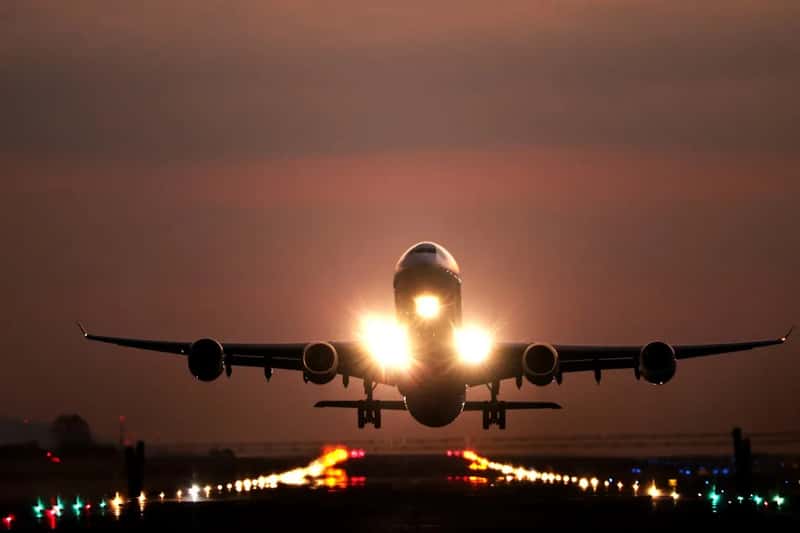
Shortly after the wheels leave the ground, many passengers notice the engines suddenly sound calmer, almost like they’ve powered down. This is a deliberate step called thrust reduction, where the engines are not shutting down, and what passengers are hearing is a normal thrust reduction from takeoff power to climb power, since takeoff requires maximum thrust for a short period[1].
Once the aircraft has climbed to a safe altitude, pilots reduce thrust to a lower setting that is still plenty for climbing but reduces engine wear, saves fuel, and decreases noise over residential areas near the airport[1]. Aviation writers who’ve covered this exact moment note that this one terrifies new flyers, since usually around 1,000-1,500 feet altitude the engine noise noticeably decreases, feeling and sounding like the engines are shutting down, which sometimes leads passengers to grab armrests or look around in panic[1].
2. Landing gear retracting into the wheel wells
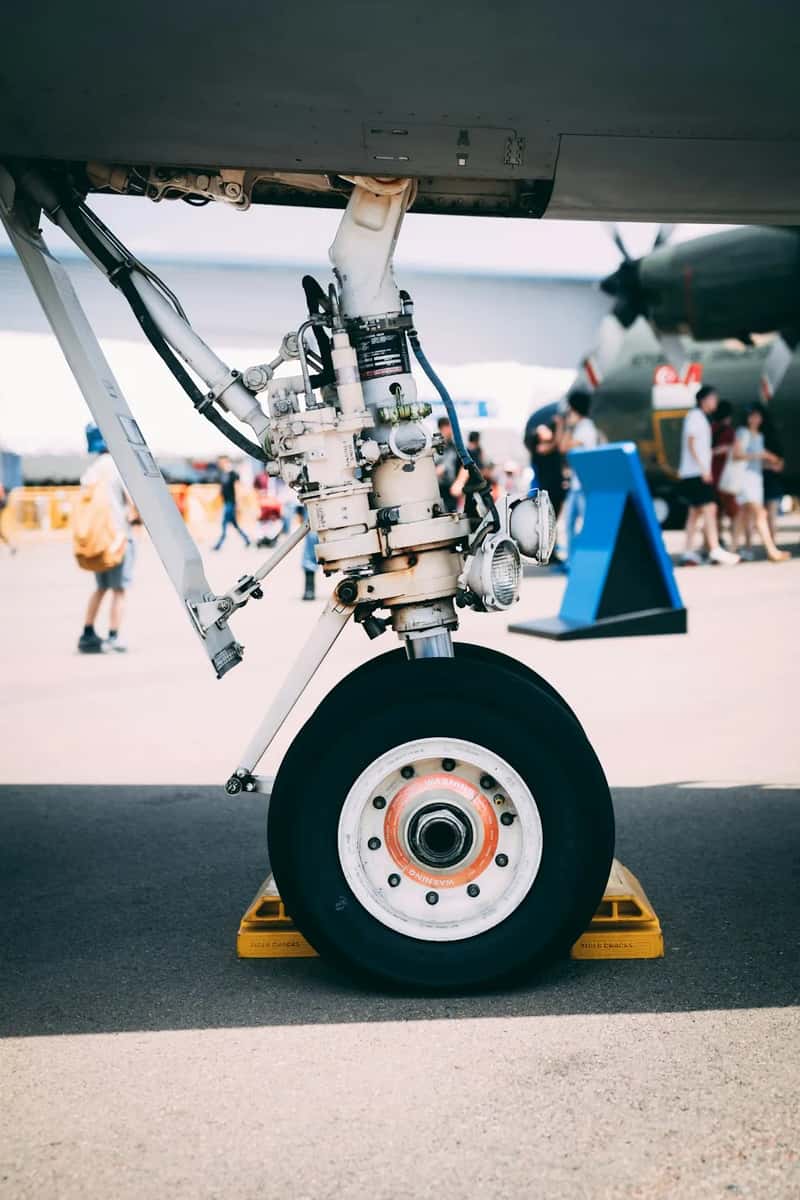
Almost immediately after that thrust change, there’s often a distinct thunk that travels through the floor. This is the retraction sequence, and approximately five to fifteen seconds after the aircraft lifts off, the pilot commands the landing gear to retract, producing first a mechanical thunk-thunk as the gear doors open and the gear folds upward, then a second softer thump as the gear locks into place and the doors close, sometimes with a brief vibration through the floor[1].
It’s worth noting just how routine this really is. As one aviation explainer puts it, this is the single most anxiety-inducing sound for nervous flyers, and it is the most routine operation imaginable, happening on every single flight that has ever taken off[1]. There’s no version of a normal departure where this sound doesn’t occur.
3. Flaps and slats whirring during climb and descent
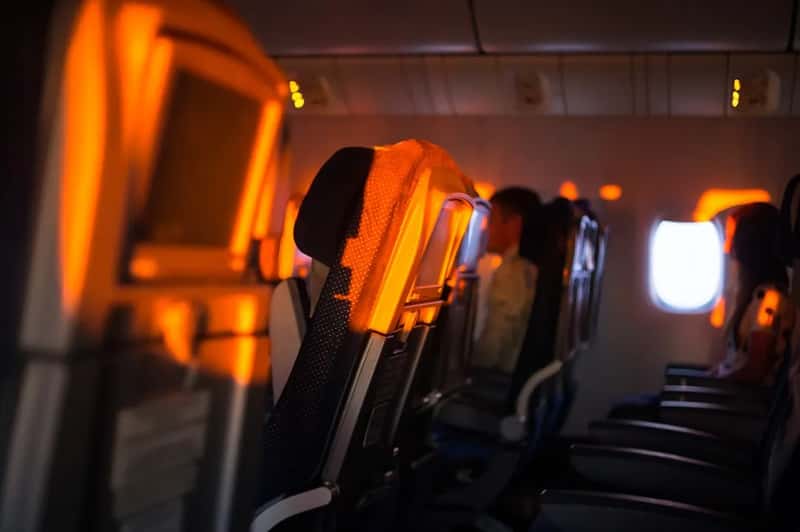
A mechanical whirring or grinding noise from the wings tends to show up a few minutes into climb, and again during descent. That’s because planes use extending sections of wing called flaps and slats to change the amount of lift they generate, since these extend during takeoff and landing and are retracted once the plane is at its cruising height[2].
The sound is subtle on the way up but harder to miss on the way down. According to one guide, passengers might not notice these retracting bit by bit during takeoff, but they’re more noticeable during landing since there’s a bit of a rumble when they extend[2]. A pilot quoted in a widely shared explainer added that flap retraction often lines up with the altitude where the engines have already quieted down, so passengers may hear a mechanical whirring noise and feel a very slight sinking feeling at the same time[3].
4. The “barking dog” hydraulic noise on Airbus jets
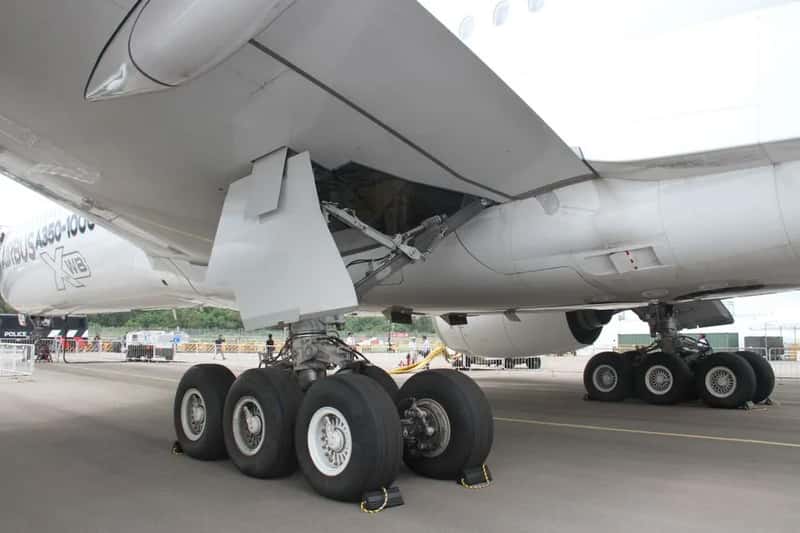
Passengers on certain Airbus models sometimes hear a rhythmic, almost animal-like thumping while taxiing or during the initial climb. This odd sound has earned an unofficial nickname among frequent flyers, and it comes from a piece of equipment called the Power Transfer Unit, or PTU, which transfers hydraulic pressure between systems if only one engine is running on the ground, and while it’s loud and rhythmic, it’s completely normal[4].
It isn’t limited to ground operations either. One long time flyer’s account of the sound explains that the really loud sawing noise in some aircraft is the hydraulic system equalising its pressures after finishing moving the flaps, and this happens only on Airbus aircraft, which run it while taxiing out and during climb out as well[5]. Once you know the source, the barking pattern becomes far less unsettling.
5. Rumbling and vibration as speedbrakes deploy
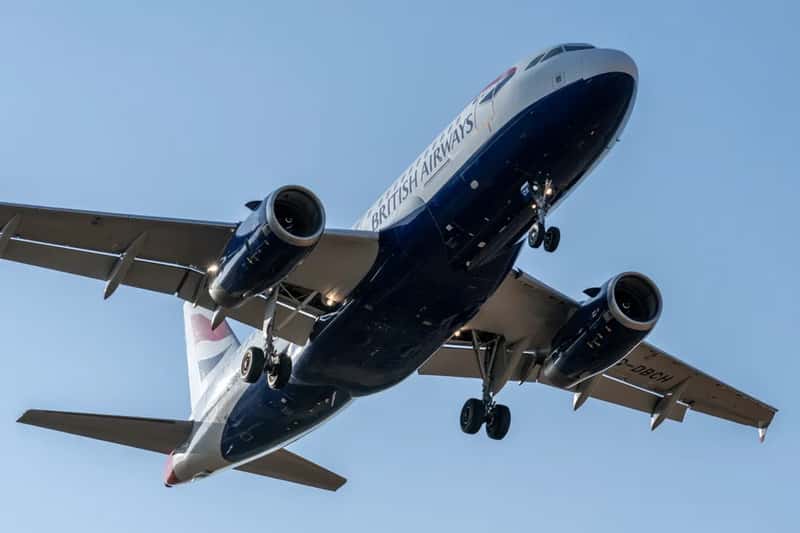
During descent, a low rumble sometimes builds up along with a faint shudder through the cabin. This is typically the speedbrakes, also called spoilers, doing their job on top of the wing, since as one explainer describes it, passengers might hear an air buffeting noise or feel a subtle deceleration and light bumps during descent, which is the speedbrakes or spoilers deploying to reduce speed and increase drag[4].
Another source frames it in sequence with everything else happening on approach. It notes that pilots may add a low rumble if the pilots use speedbrakes to manage the descent[6], part of a broader set of mechanical cues that occur in a fairly predictable order on the way down. None of it signals a problem with the aircraft’s structure or systems.
6. Landing gear extending and locking before touchdown
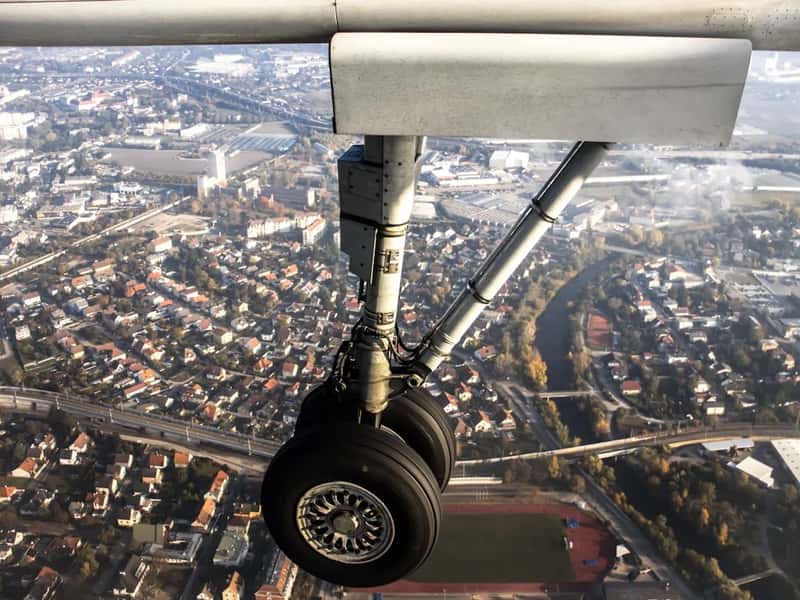
A second round of thunks and groans arrives a few minutes before landing, this time as the wheels come down rather than up. One flight guide describes it plainly: this will be followed by a passage of groaning and some banging, hinting that the compartment doors for the wheels are opening and the wheels are coming down to lock into place[7].
For anyone sitting near the wings or nose, the sound can carry extra weight, quite literally. On some wide body aircraft, the mechanism is substantial enough that the aircraft has about thirty tons of wheels that drop down under gravity, and the latches make a really loud bang when they let go before landing[5]. It’s dramatic to hear up close, but it’s the gear doing exactly what it’s built to do.
7. The roar of thrust reversers right after landing
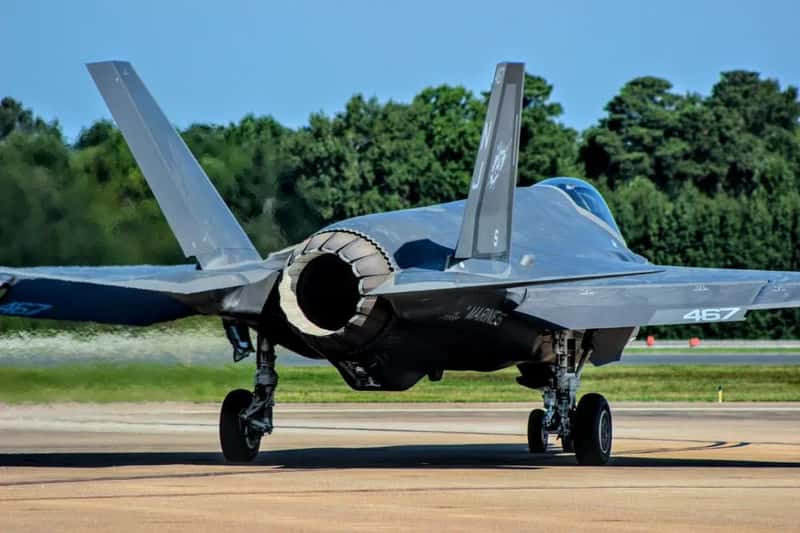
The moment the wheels touch the runway, many passengers brace for a sudden surge of engine noise that can feel like the plane is accelerating rather than stopping. That roar is the thrust reversers kicking in, and one aviation writer sums up the landing sequence by noting that after touchdown, a sudden roar as the thrust reversers and ground spoilers help slow the aircraft is followed by the vibration of the wheel brakes[6].
A separate breakdown of common landing sounds lists this explicitly as routine, describing a loud engine roar after touchdown as thrust reversers deploying to slow the aircraft, and confirming this is normal[1]. It’s counterintuitive that a louder engine means the plane is slowing down, but that’s exactly what’s happening.
8. Cabin chimes and seatbelt sign dings
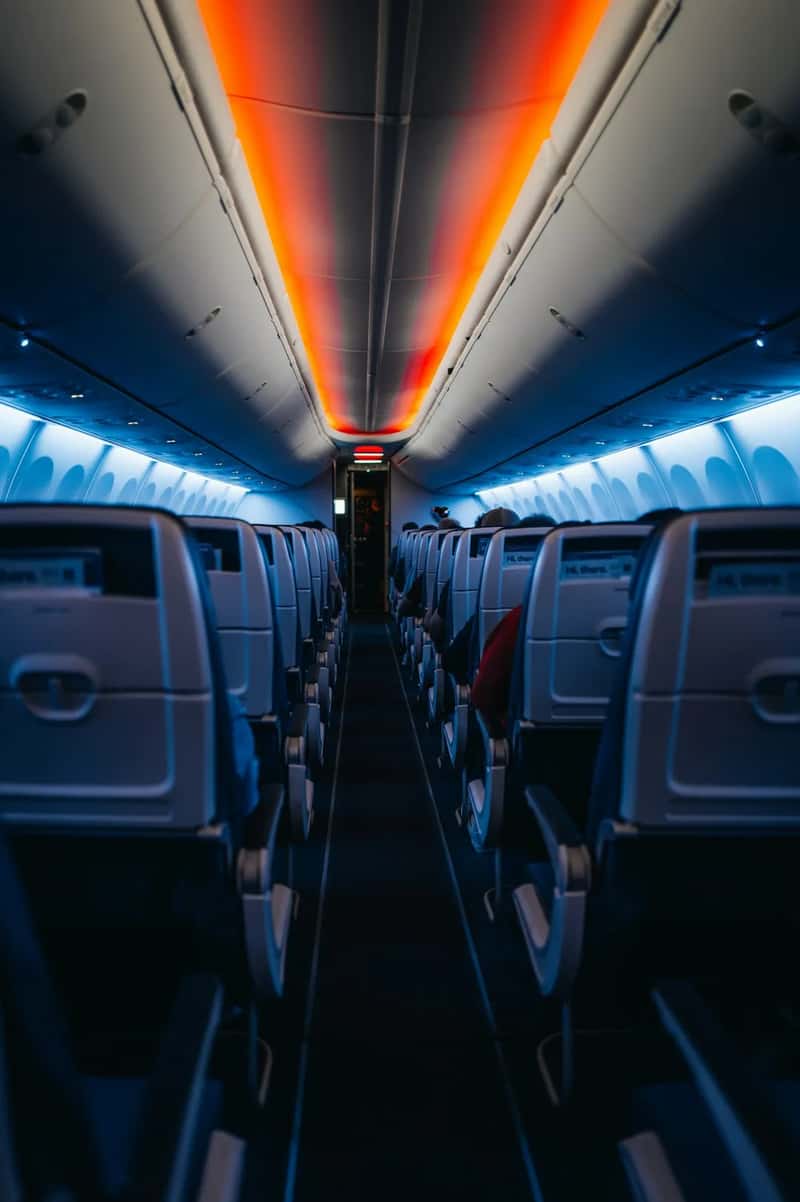
A sudden ding or double chime can jolt anyone who associates airplane bells with emergencies, but the reality is far less dramatic. Most of these tones are simply cabin chimes such as a single, double, or high-low tone, which are part of the crew’s internal communication system and not an emergency alert[1].
The seatbelt sign itself has its own distinct sound too. According to one crew member’s explanation, when the seatbelt sign is switched on or off, there’s a loud ding across the cabin, and a double ding in quick succession is used by some airlines as a discreet way for pilots to signal the cabin crew about takeoff[4]. These chimes are essentially internal scheduling cues, nothing more.
9. Creaking, rattling, and shifting sounds during turbulence
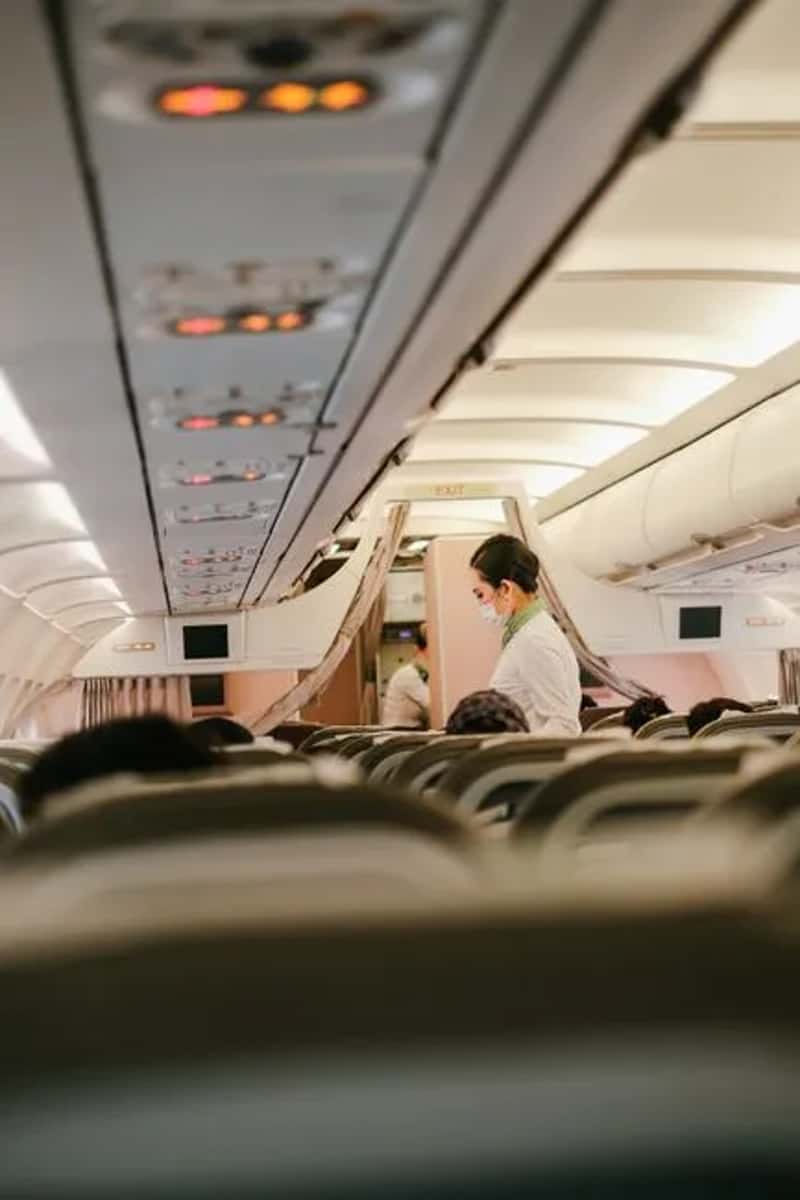
Few sounds unsettle passengers faster than a fuselage that creaks or overhead bins that rattle when the ride gets bumpy. Yet these noises are simply the aircraft’s structure and systems responding to changing air, since during turbulence, passengers may hear rattling overhead bins, creaking fuselage, and changes in engine sound as the autothrottle compensates for speed variations, all of which reflect the aircraft’s structure and systems responding normally to the turbulent air[1].
Modern jets are engineered with generous safety margins specifically for moments like these. As one industry explainer puts it, modern aircraft are built to handle forces far beyond anything you will feel as a passenger[6], which is a useful thing to remember the next time the seatbelt sign flicks on and the cabin starts to sway.
Taken together, these nine sounds share a common thread. Nearly all of them come from systems working exactly as designed, whether it’s hydraulics shifting pressure, flaps changing shape, or engines adjusting power for efficiency and noise control. Recognizing the pattern doesn’t erase a fear of flying overnight, but it does turn a string of unfamiliar noises into something closer to a routine checklist, one thunk, whir, and ding at a time.