For years, Costa Rica had a reputation as the easy button of Latin American relocation. Show up, rent a place near the beach, maybe do a visa run every few months, and call it paradise. That version of the story still circulates in Facebook groups and glossy blog posts, but it doesn’t match what’s actually happening on the ground in 2026.
The country hasn’t closed its doors. It’s still welcoming, still safe by regional standards, and still full of the natural beauty that put it on the map. What’s changed is the fine print: enforcement, paperwork, prices, and the sheer number of people trying to do the same thing you are. Here’s what anyone considering the move should understand before packing a bag.
1. Tourist visa runs are no longer a reliable long-term strategy
For a long time, plenty of foreigners simply lived in Costa Rica on repeated 90 day tourist stamps, hopping across the Nicaraguan or Panamanian border every few months and coming right back. It wasn’t technically legal residency, but enforcement was loose enough that people got away with it for years at a stretch. That casual approach has become a much riskier bet.
While some people do periodic exits to renew tourist status, repeated border runs are increasingly scrutinized and not a reliable long-term strategy. Overstaying a tourist visa without a pending residency application also comes with real consequences, and overstay fines and matching re-entry bans have been actively enforced. Immigration officials are simply paying closer attention than they used to, which means the old workaround now carries a real chance of getting flagged, fined, or barred from coming back.
2. Getting legal residency status takes real time and planning
Costa Rica offers several official residency categories, from Pensionado for retirees to Rentista and Inversionista for those with independent income or investment capital. The problem isn’t that the categories don’t exist. It’s that navigating them correctly, the first time, without wasted months, has gotten harder as the system has grown more complex.
There isn’t one single path, and there are several types of residency, with the right one depending on whether you’re retired, working remotely, investing, or marrying into the country. Immigration processes here move on their own timeline, and understanding the type of residency that fits you before you start saves months of frustration later. Even under favorable conditions, applicants should expect a streamlined path to obtaining resident status to still take somewhere between 9 and 12 months.
3. Legal status doesn’t automatically come with the right to work
One detail that surprises a lot of newcomers is that holding a residency card doesn’t necessarily mean you can take a local job. Temporary residency categories were designed around income that originates outside Costa Rica, not employment inside it. That restriction has real consequences for anyone hoping to simply relocate and find work locally.
People who have obtained residency visas are not allowed to work in Costa Rica, and they can only do so after they have become permanent residents. Permanent status generally requires several years of continuous temporary residency first, so anyone counting on picking up local employment right away needs to rethink the timeline. Most temporary residents cannot work for a local employer without separate authorization, which adds an extra bureaucratic layer most people don’t anticipate.
4. The digital nomad visa comes with stricter income verification than people expect
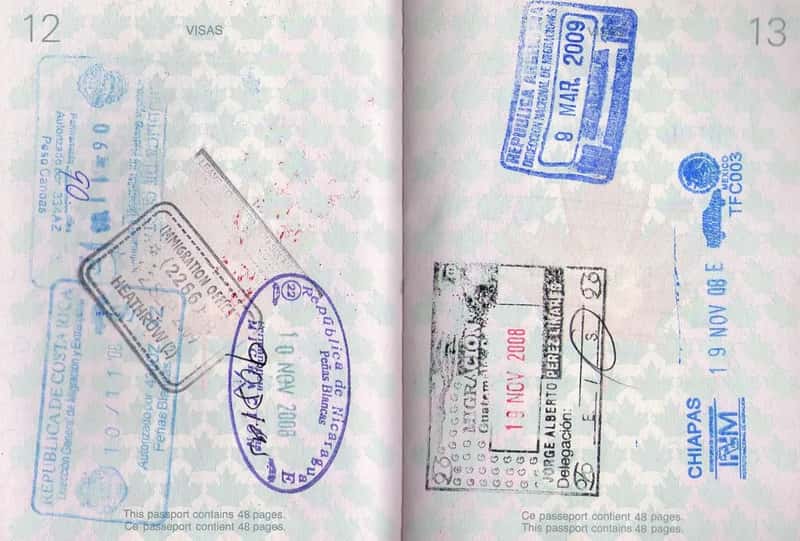
Costa Rica’s digital nomad visa gets a lot of positive press, and for good reason. It lets remote workers live in the country legally for up to a year, renewable, while keeping their foreign income exempt from local tax. But the paperwork behind that convenience has become notably more demanding.
Applicants must demonstrate a minimum monthly income of $3,000 for individuals or $4,000 for families, consistently confirmed in the 2026 official guidance. The government requires 12 months of bank statements showing consistent deposits of at least $3,000 a month from foreign sources, which trips up freelancers with irregular income or anyone who recently changed jobs. On top of that, travel insurance is not accepted, since the visa requires long-term residency health coverage instead, another cost and logistical hurdle applicants often overlook until late in the process.
5. A stronger colón means your dollars don’t stretch nearly as far
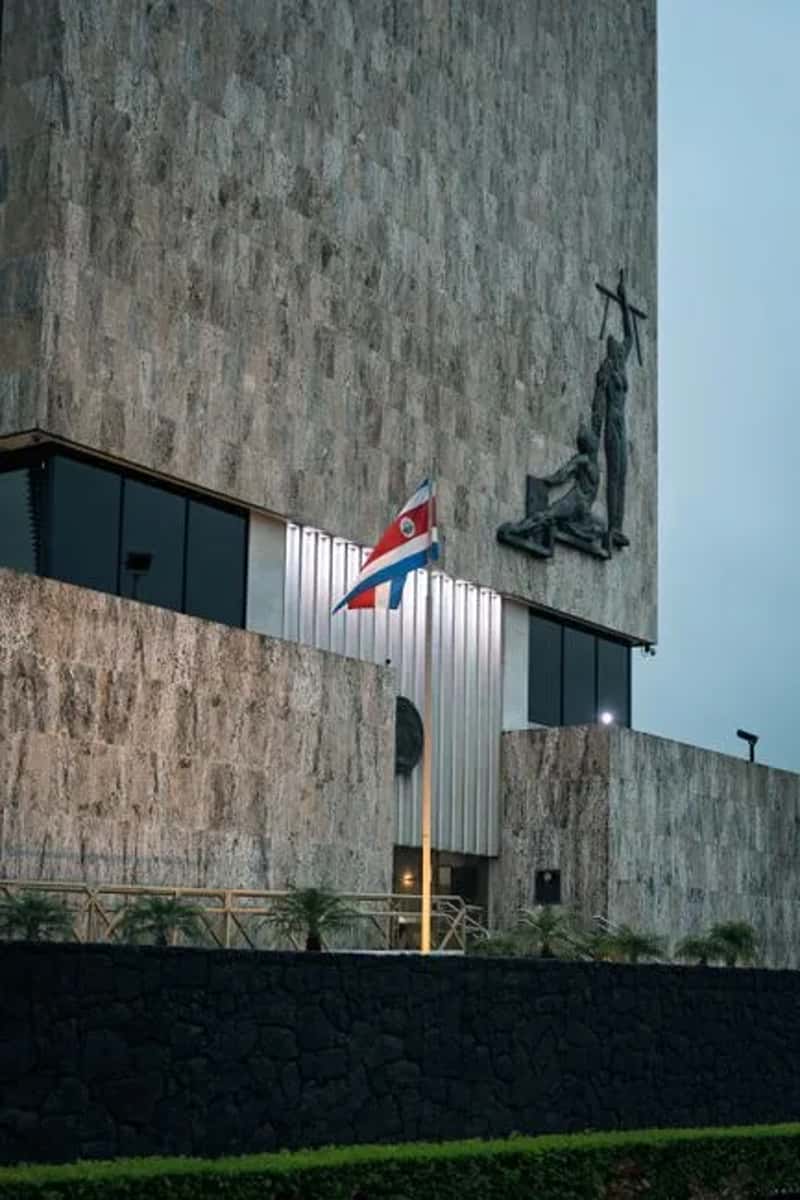
This is the one almost nobody talks about, and it might matter more than any visa rule. For years, a weak Costa Rican colón made everyday life feel cheap for anyone earning or saving in dollars. That dynamic has flipped.
In late 2025 the exchange rate sat around 500 colones per US dollar, a significantly stronger colón than in previous years, when the dollar often bought 550 to 580 colones and briefly approached 700 during parts of 2022. Today your dollar simply doesn’t stretch as far, and even though prices in colones haven’t risen dramatically, the strong colón makes rent, groceries, electricity, and services feel more costly in dollar terms. It’s a quiet shift, but anyone budgeting off outdated cost of living guides is going to feel the gap.
6. Real estate prices keep climbing, especially where everyone wants to live

If your plan involves buying rather than renting, timing matters more than it used to. The coastal towns that dominate Instagram feeds and relocation blogs are exactly where competition, and prices, have intensified the most.
Nosara property prices are up roughly 15 to 20 percent year on year, Playa Flamingo and Potrero are up about 14 to 18 percent, and Tamarindo and Langosta are up around 12 to 16 percent. Property prices across the country as a whole jumped by about 7 percent in 2025 alone. Home prices in the most liquid and international areas are now roughly 10 to 20 percent above the 2016 to 2019 affordability norm in prime zones, meaning the bargain era that older relocation guides describe has largely passed in the country’s most desirable pockets.
7. Popular expat towns now carry a real cost premium
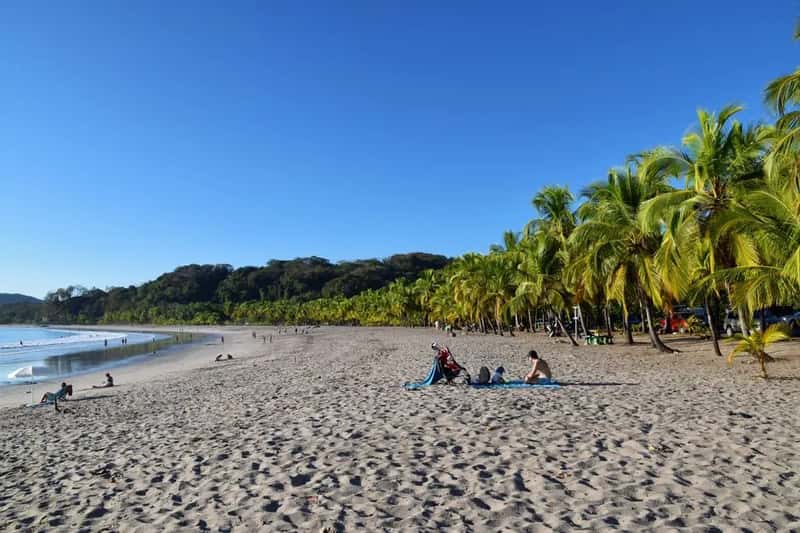
Central Valley suburbs like Escazú and Santa Ana built their reputations on convenience and infrastructure, drawing large numbers of American and European transplants. That popularity has pushed local prices well above the national average, undercutting the old narrative that Costa Rica is simply cheap across the board.
Escazú’s cost of living runs about 15 to 16 percent higher than the Costa Rica average, with property prices and rents among the highest in the country. Beach communities and upscale neighborhoods such as Escazú often cost about 25 to 40 percent more than rural areas. Someone comparing today’s numbers to a five year old blog post is likely working from figures that no longer reflect reality on the ground.
8. Mandatory healthcare contributions add an ongoing, non negotiable expense

This tag does not indicate the copyright status of the attached work. A normal copyright tag is still required. See Commons:Licensing.
العربية ∙ বাংলা ∙
Bahasa Indonesia ∙
Bahaso Jambi ∙
Deutsch ∙ Deutsch (Sie-Form) ∙ English ∙ español ∙ euskara ∙ فارسی ∙ français ∙ italiano ∙ 日本語 ∙ 한국어 ∙ македонски ∙ മലയാളം ∙ Plattdüütsch ∙ Nederlands ∙ polski ∙ پښتو ∙ português ∙ русский ∙ slovenščina ∙ svenska ∙ Türkçe ∙ українська ∙ 简体中文 ∙ 繁體中文 ∙ +/−, Public domain)
Costa Rica’s public healthcare system, known locally as the Caja, is genuinely a point of pride, offering broad coverage that includes pre existing conditions and dependents. The catch is that enrollment isn’t optional for most residents, and the monthly cost is tied directly to declared income rather than being a flat, predictable fee.
The percentage you pay depends on your total reported monthly income, ranging between 7 and 11 percent for foreigners, and also depends on your official status in Costa Rica. The Caja is mandatory for long-term residents, and registration happens at the local office closest to your place of residence. Many residents layer private insurance on top for faster access to specialists, which means healthcare in Costa Rica isn’t the low, single line item some relocation guides suggest.
9. Growth and popularity are straining infrastructure in the towns foreigners love most
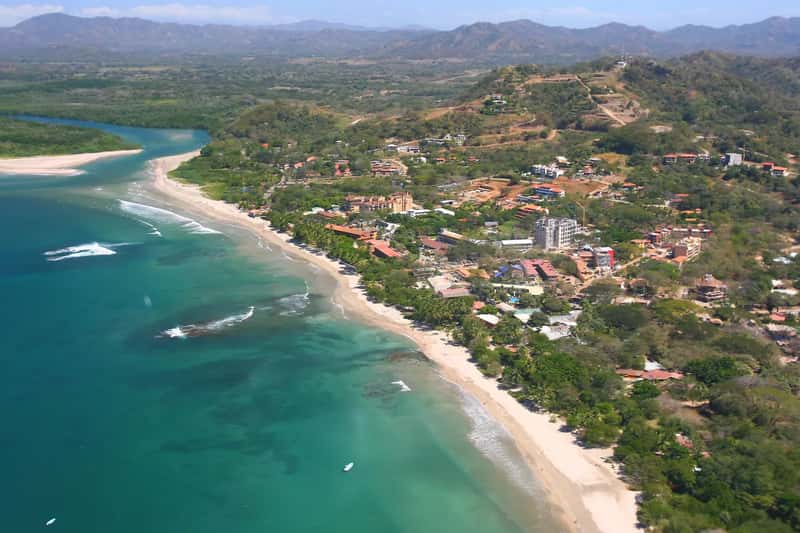
Part of what makes Costa Rica appealing, its laid back beach towns and jungle adjacent communities, is now under pressure from its own success. More arrivals mean more strain on roads, water systems, and housing stock that weren’t built for this level of demand.
As of 2026, one of the biggest risks for Costa Rica property prices is infrastructure pressure, because roads, water, sewage, and local services in places like Nosara and Santa Teresa are being tested by growth. Meanwhile, the average days on market for a normal residential resale property now runs about 360 to 420 days, though well priced homes in areas like Tamarindo and Playas del Coco can still sell faster. That combination, slower transactions in some markets and strained services in others, makes the practical experience of settling in far less turnkey than the marketing suggests.
None of this means Costa Rica has stopped being a genuinely appealing place to build a life. The beaches are still there, the healthcare system still functions well by regional standards, and the residency categories, while more demanding, remain achievable for people who plan properly. What’s changed is the margin for error. A move that once tolerated a casual, figure it out as you go approach now rewards people who do their homework on exchange rates, paperwork timelines, and neighborhood specific costs before they book a one way ticket.