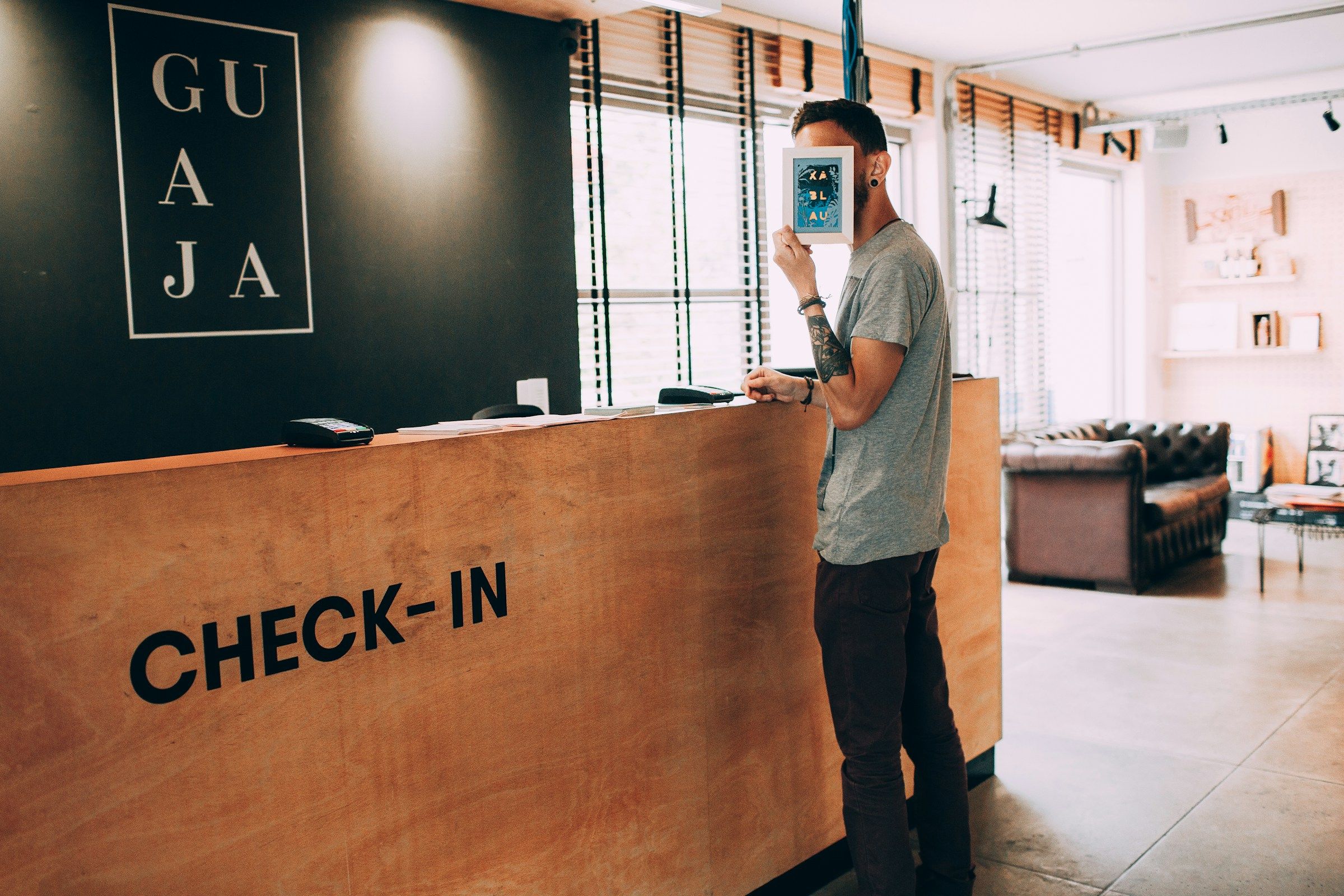
You booked the room. You got the confirmation email. You even checked the cancellation policy twice, just to be safe. Yet every year, thousands of travelers show up at a hotel front desk only to hear that their reservation, despite being confirmed, no longer has a room attached to it.
This isn’t a glitch, and it’s rarely as random as it feels in the moment. Hotels use predictable systems to decide who keeps their room and who gets sent elsewhere, and understanding those systems can help you avoid becoming the guest who gets “walked.”
1. The hotel intentionally overbooked
Overbooking is not an accident in most cases. It’s a calculated revenue strategy that hotels use the same way airlines do, betting that a certain percentage of guests won’t show up. Research published in the International Journal of Hospitality Management in 2025 found that hotels using systematic overbooking practices outperform non-overbooking hotels on RevPAR, and around 90% of major hotel chains worldwide use overbooking as a standard practice.[1]
The math is straightforward from the hotel’s side. An unsold room night is worth nothing the moment the night passes, so if a hotel sells exactly its room count and eight guests do not arrive, those eight nights are gone permanently, along with the revenue.[2] That risk calculation, done months before you ever pack a bag, is often the real reason your room disappears.
2. You checked in later than expected
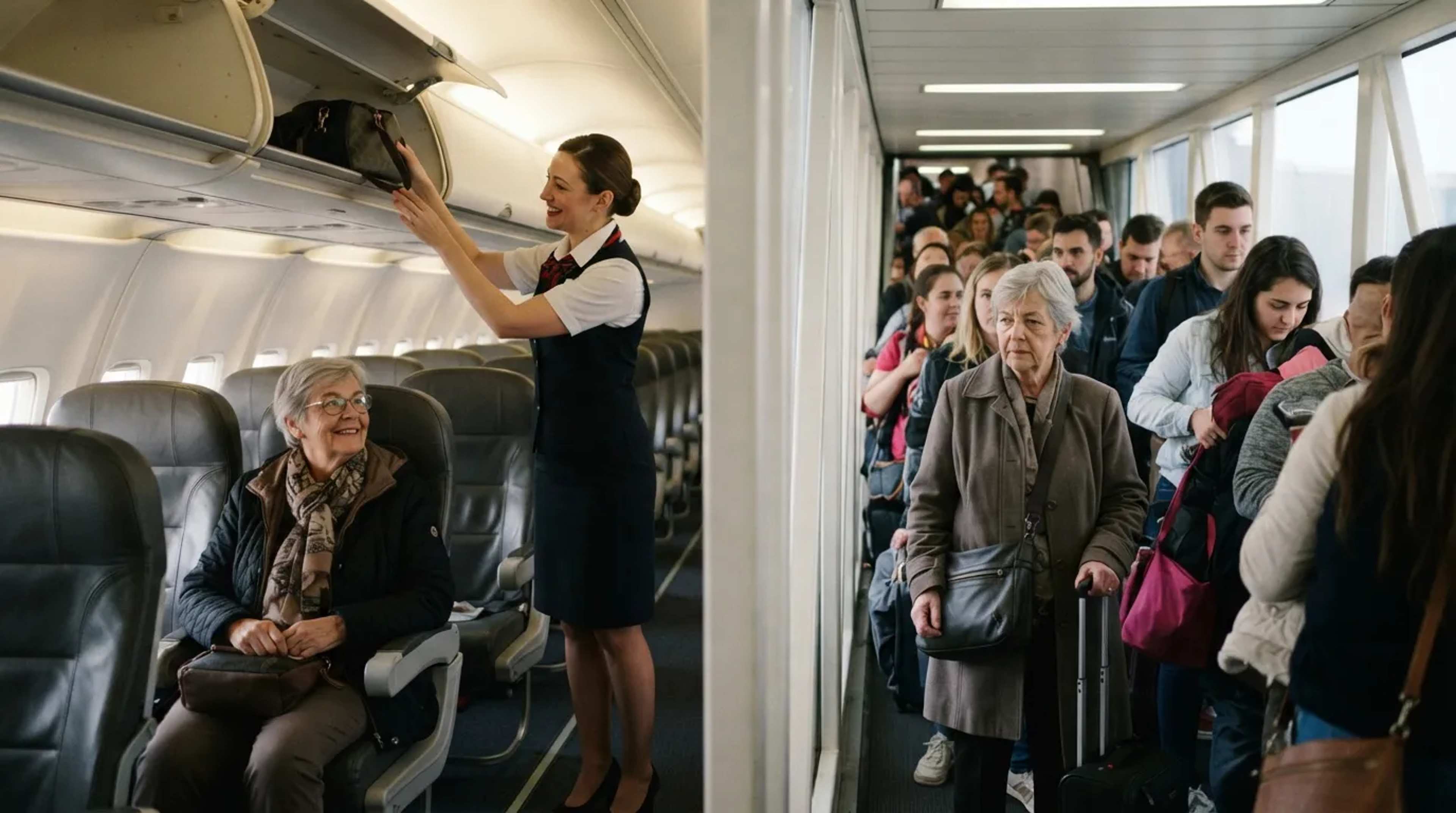
Arrival time matters more than most travelers realize. Late check-ins are also at risk for being walked, as the later you arrive, the more likely it is that the overbooked hotel is already full.[3] This hits business travelers especially hard, since checking in late is common for business travelers who fly in the evening hours.[3]
Some industry sources put a rough number on this pattern. Late-night arrivals on heavily booked nights, particularly checking in after 9 p.m. on a sold-out night, statistically make you more likely to be the guest who gets walked.[4] By the time you show up, the front desk has already filled every available room with guests who arrived first.
3. You’re not part of the hotel’s loyalty program

Loyalty status functions almost like an insurance policy against getting walked. Almost every hotel guest who gets walked is not a member of that hotel’s loyalty club, and while most large chains offer some kind of program for frequent travelers that rewards points and other perks, this membership often prioritizes your reservation as well, meaning your room will be less likely to be given away if there’s an overbooking emergency.[5]
Hotels build this preference directly into their walking policies. First-time guests who are part of a chain’s loyalty program should have priority as they are more likely to return.[6] If you’ve never signed up for a hotel’s free rewards program, you’re statistically closer to the front of the line when rooms run short.
4. You booked through a third-party website
Where you book matters just as much as when you arrive. Booking directly through the hotel’s website boosts the chances of your room being ready, since third-party websites may offer better deals on occasion, but sometimes that reservation fails to make it to the actual location where you hope to rest your head for the night.[5]
Hotels also have a built-in incentive to protect direct bookers over OTA customers. Guests who reserved via the hotel’s own website are kept in-house because they’re more likely to become loyal to the property or brand.[6] A reservation made through a discount travel site simply carries less weight when the hotel starts deciding who to relocate.
5. You booked only a single night

Length of stay plays into the walking decision more than most guests expect. Hotels typically protect guests with longer bookings first, since a multi-night stay represents more guaranteed revenue and less administrative hassle than a one-night reservation. High-paying and long-stay guests, along with those who booked a special package, tend to be prioritized to stay in-house.[6]
A single-night booking, especially at a discounted rate, is the easiest reservation for a hotel to sacrifice. It affects one night of revenue rather than several, and the guest relationship being risked is shorter and less established than that of someone staying a full week.
6. Maintenance or facility problems took rooms offline

Sometimes the issue has nothing to do with overselling and everything to do with a building problem. If the air conditioning isn’t working on one floor or another floor doesn’t have any running water, the hotel may have no choice but to block rooms off until the problem is resolved.[3]
This kind of unexpected room loss forces a hotel that wasn’t technically overbooked into a walking situation anyway. Hotels will often sell more rooms than they physically have, or, due to maintenance issues, certain rooms become unavailable for use.[7] A burst pipe or broken elevator can turn a perfectly balanced reservation sheet into a scramble within hours.
7. You didn’t confirm your arrival ahead of time
Hotels increasingly reach out before check-in to gauge who’s actually coming, and how you respond can decide your fate. A hotel that’s clearly overbooked will look for guests who haven’t checked in yet, to identify any that might not be coming, in order to know how many guests they’d need to walk.[8]
This has led to some uncomfortable moments for travelers who don’t answer quickly enough. In one widely shared example, a guest described being contacted “not even an hour after check-in (4 pm) to see if I was still coming or they’d give my room away.”[8] Confirming your arrival online or by phone, even briefly, removes you from the pool of guests a hotel considers “possibly not showing up.”
8. You booked at a heavily discounted or promotional rate

The rate code attached to your reservation carries more influence than most travelers assume. The typical priority order protects loyalty program members last, sends one-night guests first, then guests on discounted or OTA rates, with late arrivals as the easiest targets.[1]
This isn’t personal, it’s simply how revenue management ranks reservations by value. A guest paying a steeply discounted promotional rate represents less revenue than someone who booked a standard or premium rate, which makes that discounted booking an easier one to bump when the numbers don’t add up on a sold-out night.
9. The hotel’s forecasting model got the numbers wrong
Even sophisticated systems occasionally miscalculate. Hotels lean on historical data to predict cancellations and no-shows, and research published in the Journal of Applied Sciences concluded that on an average night, hotels experience a no-show rate of between five and 15 percent, so a hotel might overbook its rooms by up to 15 percent to protect against empty rooms.[9]
When fewer guests cancel than the model predicted, the hotel ends up with more confirmed arrivals than physical rooms. When it goes wrong, when fewer people cancel than expected, someone gets walked.[1] It’s a numbers game that occasionally lands on the wrong side of the ledger, and unfortunately, that guest is the one standing at the front desk with a valid confirmation number and nowhere to sleep.
If you do get walked, you’re not entirely without recourse. Most major chains have specific compensation policies, even though few travelers ask about them. Marriott’s published policy for its luxury brands includes $200 cash plus 90,000 Bonvoy points for displaced elite members, while Hyatt offers a comparable hotel stay, free transportation, and a complimentary phone call. Hilton’s policy exists but isn’t publicly posted, which means guests often need to ask directly to receive fair treatment.
Federal law in the United States offers little protection here, unlike the rules governing bumped airline passengers. A small number of states, including Florida and New Jersey, have specific laws requiring hotels to provide alternative accommodations or face fines, but most of the country relies entirely on individual brand policy. Knowing these nine factors in advance, and taking simple steps like booking direct, joining a loyalty program, and confirming your arrival, gives you a real edge in keeping the room you actually reserved.