Front desk agents see hundreds of guests a month, and most check-ins are forgettable in the best way: quick, polite, uneventful. But every clerk who has worked a front desk for more than a few months develops a mental checklist, a set of small cues that make them pause before handing over a key.
None of these signals mean a guest is automatically a criminal or a scammer. Still, hotel staff are trained to notice patterns, because fraud, theft, and other problems at hotels almost always show early warning signs before anything goes wrong.
1. A name on the ID that doesn’t quite match the reservation
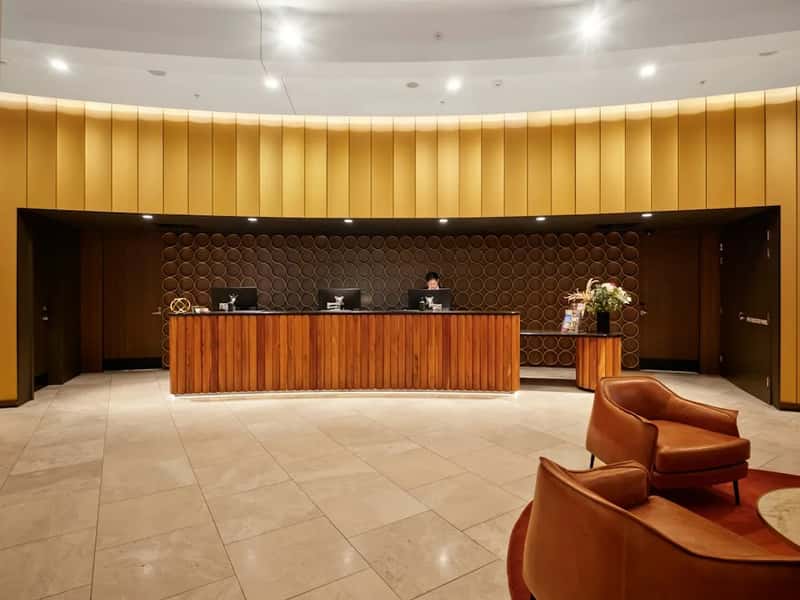
One of the fastest things a front desk agent checks is whether the name on a government ID lines up with the name on the booking and the credit card being used. Inconsistencies in the reservation, like mismatched names on the booking and credit card, or requests for third-party billing without clear documentation, are among the first things staff are trained to notice.[1] It sounds like a small detail, but it’s often the very first thing that tells a clerk something needs a closer look.
This isn’t about assuming the worst. Sometimes a booking was made by a spouse, a company travel agent, or a friend, and there’s a perfectly innocent explanation. Even so, hotels that use digital verification tools are increasingly built to flag this exact mismatch automatically, because automating card verification at key points like booking and pre-arrival helps hotels catch red flags early and reduce fraud chargebacks.[1]
2. Identification that looks damaged, altered, or oddly worn
A clerk doesn’t need forensic training to notice when a driver’s license looks off. Peeling laminate, mismatched fonts, or a photo that seems slightly misaligned are enough to slow the process down. A guest presenting damaged, altered, or suspicious identification documents is treated as a red flag for potential fraud or criminal activity.[2]
Most of the time, a worn ID is just a worn ID. People carry the same license for years, and wallets are not gentle on plastic. Still, staff are taught to look twice rather than wave it through, since a compromised or fake ID is one of the easiest ways for someone to check in under a false identity.
3. Insisting on paying with cash only, especially for a longer stay

Most travelers today book online and pay by card before they ever reach the counter, so a guest who shows up wanting to pay several nights in cash stands out immediately. Guests who insist on paying only in cash, especially for extended stays, may be trying to avoid leaving a traceable financial record.[2] It’s not proof of anything shady, but it’s unusual enough that most clerks quietly note it.
Hotels generally still require a credit card on file for incidentals even when cash covers the room rate, which adds another layer of identity confirmation. That single step, tying a name to a working card, is often enough to put a clerk’s mind at ease even after a cash-heavy transaction.
4. Requesting a room that’s isolated, away from cameras or other guests

Most guests care about noise, floor level, or a nice view. A smaller number ask specifically for a room far from elevators, near a back stairwell, or away from anywhere staff might regularly pass by. Guests specifically requesting rooms far from others, such as near emergency exits or in less visible areas, could be trying to avoid surveillance or planning illicit activities.[2]
Again, there are ordinary reasons someone might want a quiet corner of the building, light sleepers exist, and so do people who just dislike elevator noise. Clerks weigh the request against everything else about the check-in rather than reacting to it alone, but it does tend to register.
5. Visible nervousness, vague answers, or avoided eye contact

Behavior at the counter matters just as much as paperwork. Guests who appear overly nervous, avoid eye contact, or provide inconsistent or vague information during the check-in process may be hiding something suspicious.[2] A clerk who asks a simple follow-up question, like how long the stay will be or where the guest is traveling from, is partly just being friendly and partly gauging whether the answers hold together.
Plenty of people are naturally anxious around any kind of counter interaction, whether it’s a hotel, a border checkpoint, or a bank. Experienced staff know this and try not to over-read a single nervous guest. What actually raises concern is when nervousness shows up alongside other odd details rather than standing alone.
6. Excessive, unusual, or oddly heavy luggage for a short stay
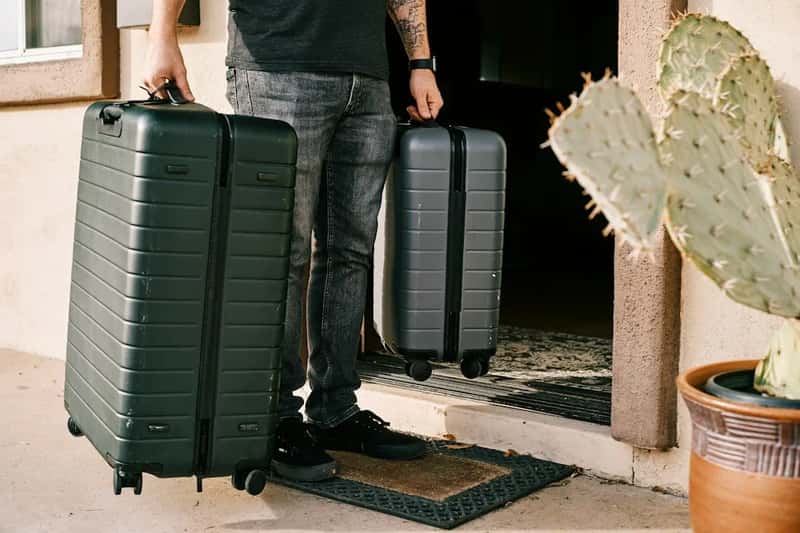
A guest checking in for one night with four oversized cases, or bags that seem unusually heavy for their size, tends to draw a second glance. A guest bringing excessive or unusual luggage, such as large cases with no clear explanation, could be smuggling illegal items or storing stolen goods.[2] It’s a small logistical detail, but front desk staff notice luggage volume almost automatically because they help guests with it constantly.
Business travelers with sample cases, musicians with equipment, or families packing for a long trip can all look unusual without being a problem. The context matters more than the bags themselves, and most clerks factor in the stated purpose of the trip before drawing any conclusions.
7. A rush to change payment details or a call about “system issues”

This has become one of the more serious red flags in the past couple of years, tied to a scam that spread across hotels nationwide. In this scheme, criminals call hotel switchboards and ask to be connected to random rooms, then make up stories about urgent payment issues while offering fake deals and even spoofing the hotel’s real phone number on caller ID.[3] Front desk staff know their own hotel doesn’t operate this way, which is exactly why the pattern stands out to them.
Since hotels already have credit cards on file, any request for new payment details should raise red flags, because front desk employees rarely call guests about billing issues, and security experts advise hanging up immediately on these calls.[3] Clerks who are aware of this scam pay close attention when a guest mentions receiving a strange payment call, since it usually means someone outside the hotel targeted that specific room.
8. A steady stream of visitors, especially at odd hours
Hotels expect some visitor traffic. Family members drop by, friends stop in, business contacts meet in the lobby. What stands out is a pattern rather than a one-off visit. Frequent visitors to a guest’s room, particularly at odd hours, can be a sign of illegal activities such as drug dealing.[2]
Front desk staff and security teams who work overnight shifts are especially tuned into this, since legitimate visits rarely cluster at two or three in the morning. A single late visitor means little. A repeated pattern night after night is what tends to get logged and monitored.
9. Persistent “Do Not Disturb” signs paired with refusal of housekeeping
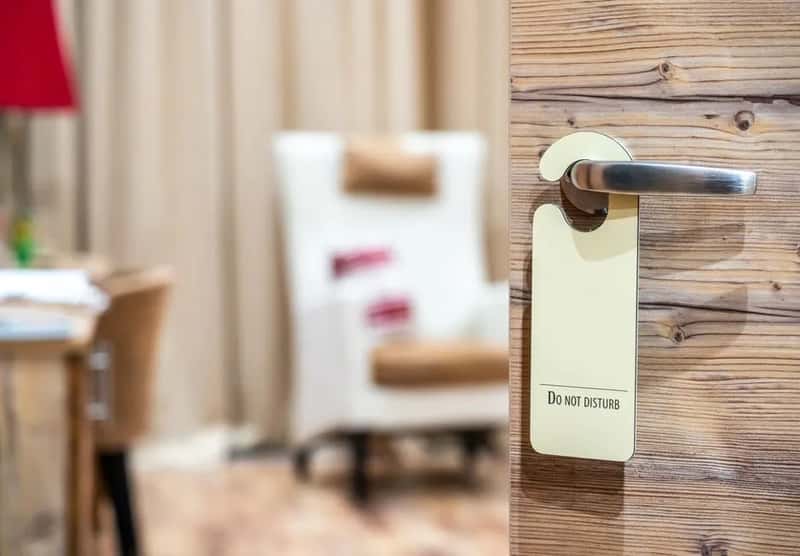
Every guest is entitled to privacy, and plenty of people hang the sign for an entire stay without anything being wrong. The distinction clerks and housekeeping supervisors watch for is duration combined with resistance. A guest who consistently uses the Do Not Disturb sign for extended periods may be trying to prevent housekeeping from entering and discovering illegal activities.[2]
Hotels generally have a policy requiring a welfare check after a certain number of days without room access, both for safety reasons and to protect the property. When a guest declines every offer to service the room over several days, especially combined with other signals on this list, it tends to move from a privacy preference to something staff feel they need to document.
Individually, almost none of these behaviors mean much. Nervous travelers exist, cash payers exist, people who like quiet rooms exist, and none of that adds up to wrongdoing on its own. What actually shifts a front desk agent’s attention is when two or three of these signals show up together during the same check-in.
Hotel staff aren’t trained to be suspicious of guests by default. They’re trained to notice patterns, ask a few clarifying questions, and apply the same verification steps consistently so that ordinary travelers aren’t inconvenienced while genuine problems get caught early. That balance, treating every guest fairly while still paying attention, is really the whole job.