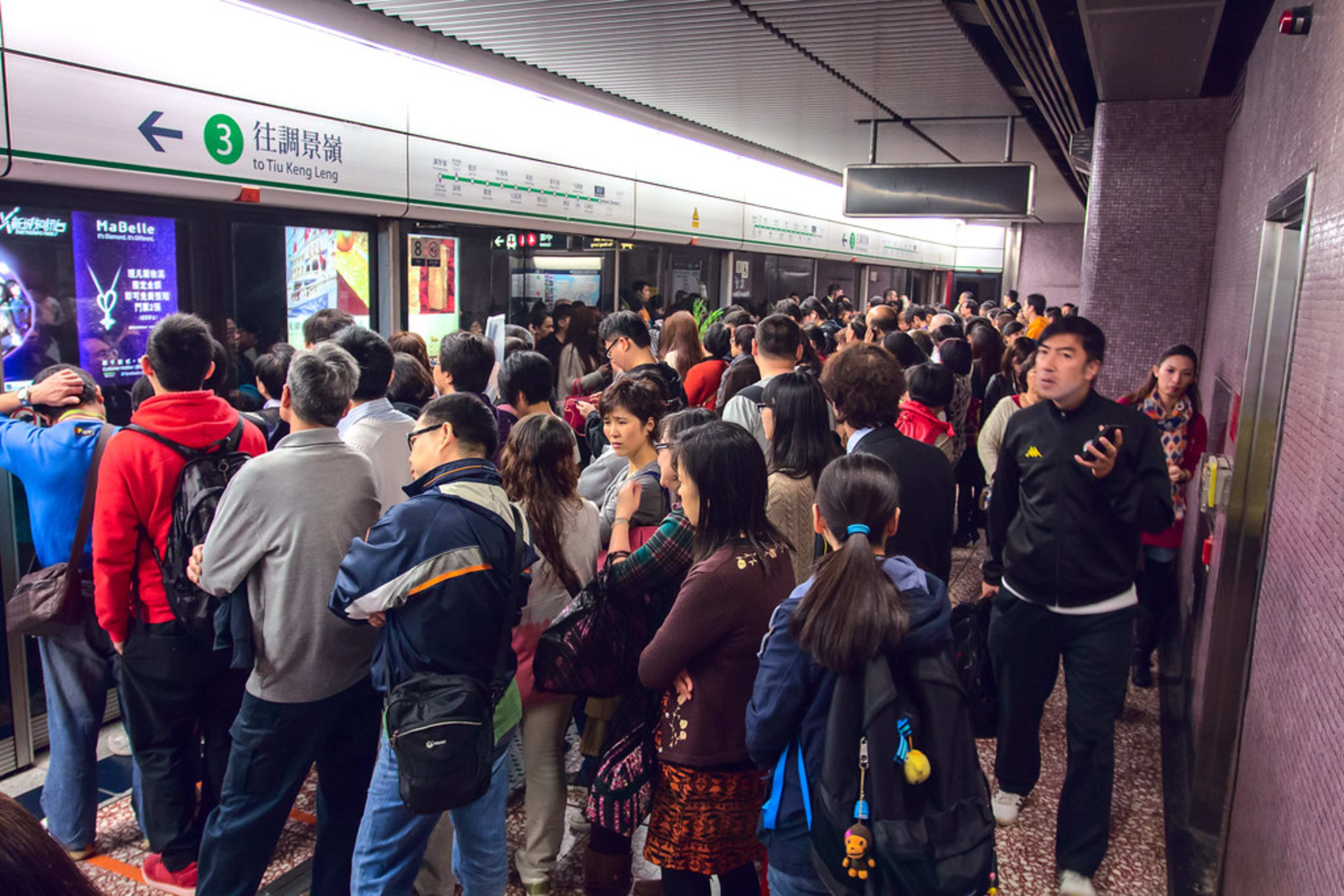
Most visitors to a big city never run into anything worse than a slow subway or an overpriced coffee. Still, police departments in places like New York, Barcelona and Paris keep repeating the same handful of reminders. They repeat them because the crimes that touch tourists are usually small, fast and opportunistic.
That pattern shows up in recent reporting from 2025 and 2026. Theft, not violence, is the risk most travelers actually face in popular European destinations. The habits below are the ones that come up again and again in police guidance and current travel safety coverage.
Keep Your Wallet Out of the Back Pocket
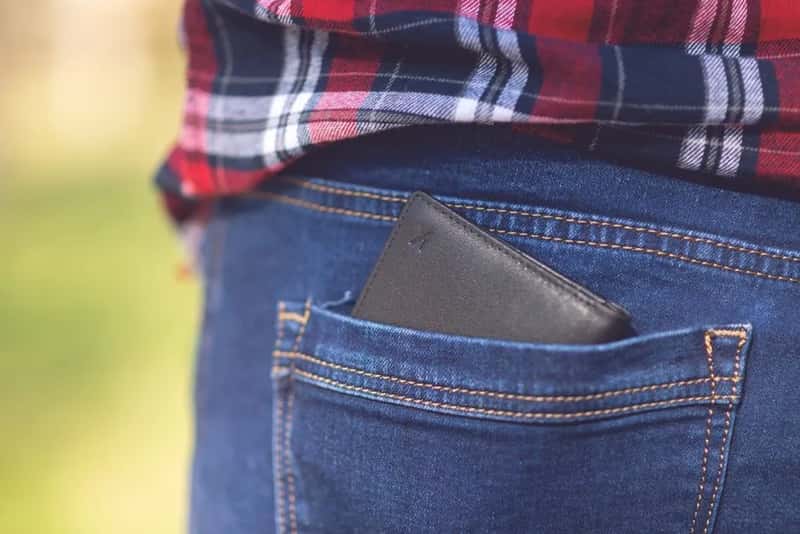
It’s the oldest tip going, and it still holds. NYPD guidance for visitors says to carry a wallet in an inside jacket pocket or a side trouser pocket, never the rear pocket.[1] A back pocket is simply the easiest place for a thief to reach without you noticing.
The same guidance suggests carrying credit cards and cash in your pockets[1] instead of scattered through a bag. It’s a small change to how you pack for the day. Front pockets and zipped inner pockets take almost no effort once you’ve set them up.
Wear Your Bag in Front on Transit
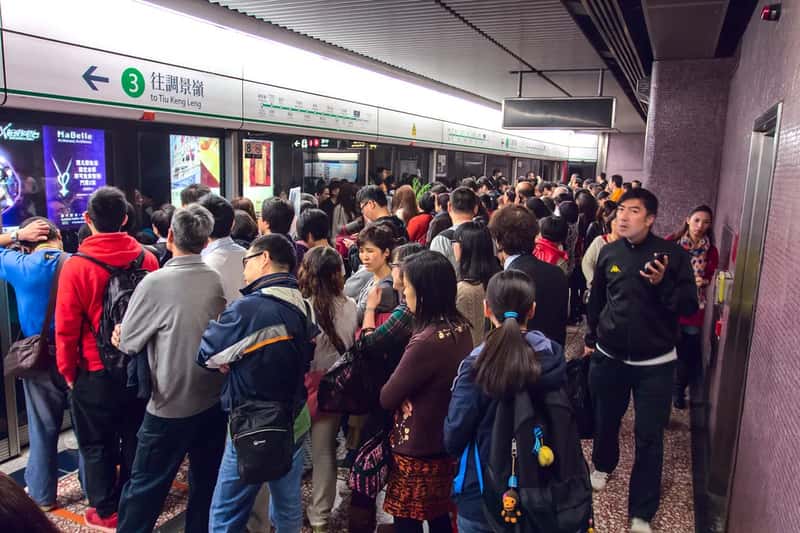
Metro cars and platforms are where crowding and distraction meet. Recent European travel safety advice says that in Paris and Barcelona you should keep bags zipped and held in front of your body when boarding metro carriages.[2] The same source notes that phone snatchers often strike just as train doors prepare to close.[2]
A backpack worn on your back is out of sight, and that’s the problem. Swinging it around to your chest, or holding it in your arms, keeps your belongings where you can feel them. NYPD tips make a similar point about handbags, advising you to carry them in the bend of your elbow, close to your body, and wrap any long strap around the bag.[1]
Never Hang a Bag on a Chair

Cafés and restaurants near landmarks are a favorite spot for opportunistic theft. NYPD tips say to keep pocketbooks on your lap when dining out, not dangling over the back of a chair.[1] Travel guidance for Barcelona repeats the point, recommending you avoid hanging bags on chairs in restaurants.[3]
Tables are risky too. Phones left face up beside a plate are easy to swipe. Put your phone in a pocket or bag, or keep a strap looped around your leg or the chair leg.
Be Wary of Sudden Distractions
Pickpockets often work in teams, and the first move is usually meant to pull your attention away. Travel insurers note that thieves use distractions like arguments, staged accidents, or someone accidentally spilling something on you.[4] If something odd happens, one hand should go to your belongings before you deal with the commotion.
Street scams follow the same logic. Guidance for Barcelona lists flower sellers, the pigeon mess trick, clipboard scams and fake police[3] among the common ones. A polite refusal and a steady walking pace work better than stopping to explain yourself.
Manage Your Phone Use in Public

Visitors are easy to spot when they’re staring at a screen. One 2026 travel guide notes that in some cities, motorbike snatches target a phone held loosely at the curbside.[5] Checking a map at the edge of the pavement, with the phone in one loose hand, is exactly that setup.
A simple routine helps. Step into a doorway or away from the curb before you pull the phone out, and put it away once you’ve got your bearings. Screens also make you less aware of who’s standing next to you, which is the whole reason crowds are risky.
Carry Less and Spread It Out
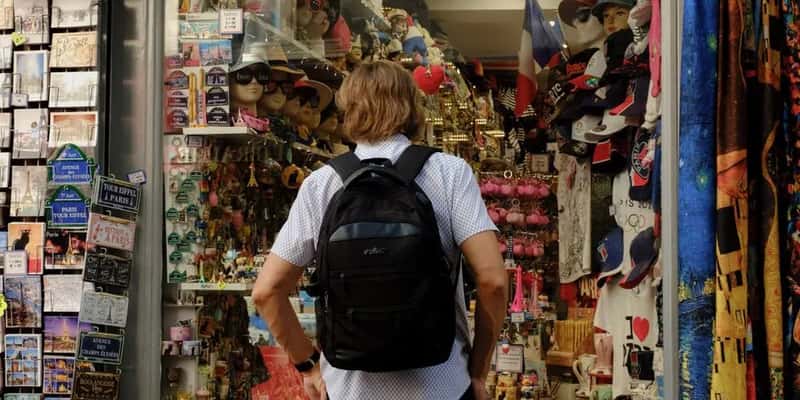
Locals tend to move around with very little. One July 2026 travel article observes that many won’t have a backpack or more than a small purse, and walking around without extras helps you blend in.[6] Carrying fewer things also means fewer things to lose.
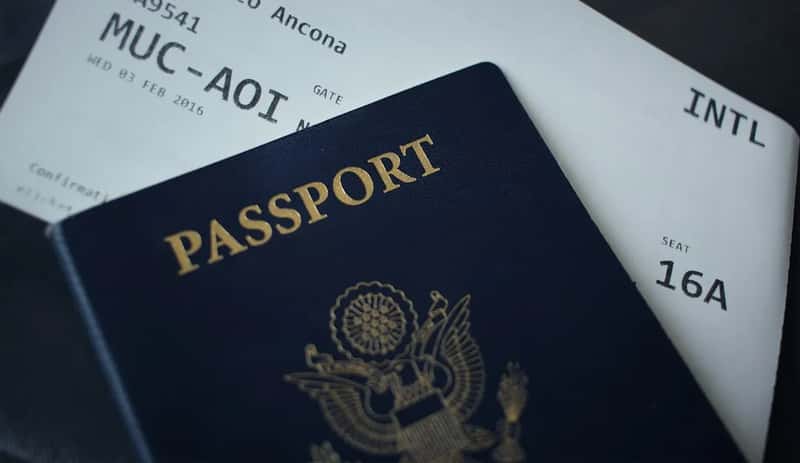
Leave your passport in the hotel safe when you can, and take a copy instead. Split cash and cards between pockets, so a single theft doesn’t wipe you out. Digital copies of your documents also help you recover quickly[7] if something does go missing.
Know the Hotspots and Adjust Your Timing
Theft clusters in predictable places. In Barcelona, the city council recorded 100,944 pickpocketing incidents in 2023, and theft made up nearly half of all crime in the city.[8] Visitors most often complain about the lower stretch of La Rambla near the port, the Gothic Quarter and metro Lines 1 and 3.[8]
Enforcement is trying to catch up. According to the Mossos d’Esquadra, 85 repeat offenders with criminal records were detained between January and June 2026, four times the figure from the same period in 2025.[8] Elsewhere, advice for Brussels says its main stations require high alertness, particularly after dark.[2] Visiting popular sites at quieter hours, or traveling outside rush hour, lowers your exposure.
Trust Your Instincts and Move Toward People
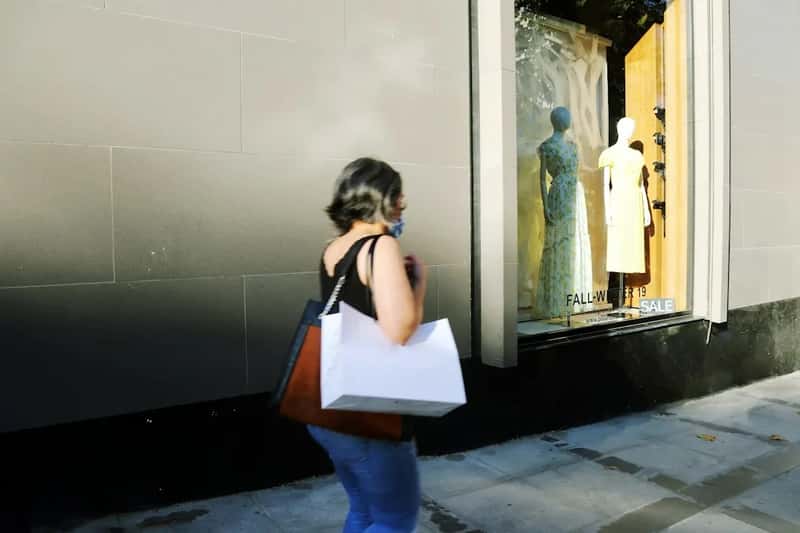
If a situation feels wrong, leaving is a perfectly reasonable response. Safety advice for New York says to remove yourself right away from anyone who makes you uncomfortable, and walk into a busy store, restaurant or hotel lobby.[9] Worrying about seeming rude is not a good reason to stay.
If you think someone is following you, avoid heading straight to your accommodation. The recommendation is to head toward populated areas, well lit businesses, or a police station.[9] Officers in tourist areas are generally used to visitors asking for help, so approaching one is fine.
Know Who to Call and What to Do After a Theft

Before you need it, learn the local emergency number. In New York, 911 covers any police, fire or medical emergency, while 311 handles nonurgent city information and issues.[10] Save the numbers in your phone, along with your bank’s card cancellation line.
If you are a victim, the order matters. Guidance for travelers says to file a police report as soon as possible, since it’s required for most insurance claims, and contact your bank to cancel stolen cards.[4] If your passport is taken, you’ll also need your embassy or consulate.