There’s a particular kind of irony in traveling less confidently at 60 than you did at 25, even though you’ve had decades more practice doing it. Plenty of older travelers notice this shift and can’t quite explain it: the same person who once backpacked alone through unfamiliar cities suddenly hesitates over a routine layover. It turns out this isn’t just personal quirkiness. Psychologists and researchers who study aging and anxiety have identified real patterns behind why certain travel worries intensify, rather than fade, as the years go by.
1. Fear of flying, even for seasoned flyers
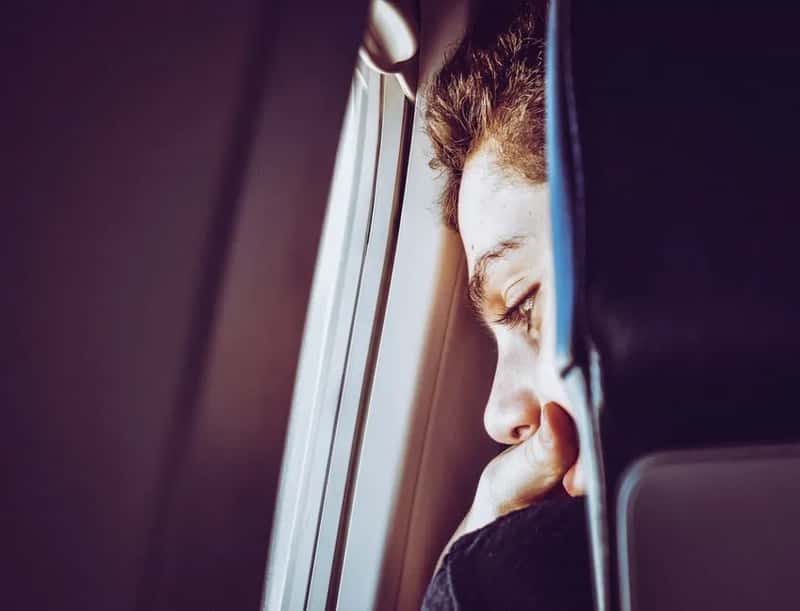
It sounds backwards, but a fear of flying often gets stronger with age rather than weaker. Approximately 25 million Americans report a fear of flying, according to the Cleveland Clinic, and may experience panic attacks during a flight.[1] Therapists who work with anxious travelers point out that younger flyers simply don’t dwell on worst case scenarios the way older adults do. Teens and 20-year-olds don’t think about the possibility of their plane crashing, according to one Los Angeles therapist who works with anxious adults.[1]
Part of this comes down to a growing awareness of mortality and a shrinking sense of control once the cabin door closes. A common denominator across travel anxieties is a feeling of lack of control, which can be heightened by aging concerns.[1] Turbulence that once felt like a minor inconvenience can start to feel like proof that something is fundamentally wrong, even when it isn’t.
2. Fear of falling seriously ill far from home
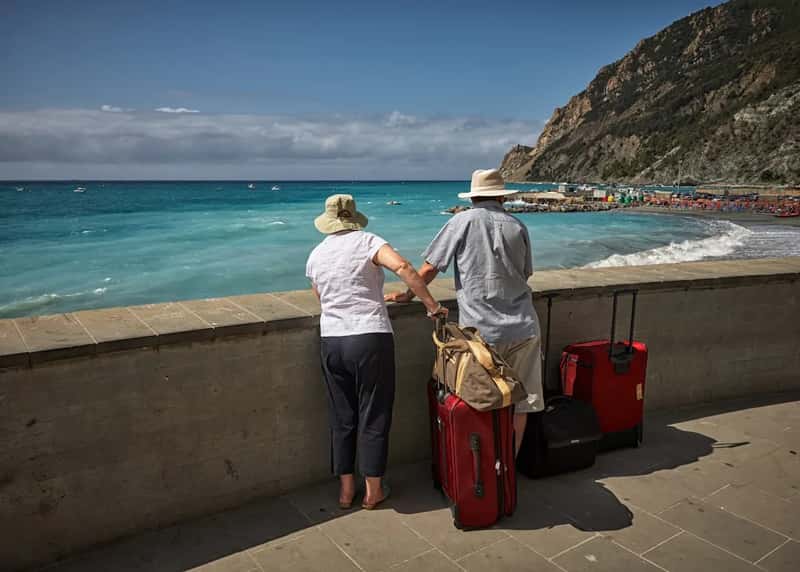
Getting sick on a trip stops being a mild inconvenience once chronic conditions or slower recovery times enter the picture. Research into older travelers backs this up directly. The travel-related morbidity of older travellers differs from that of younger travellers due to physiological, medical and behavioural differences, and altered homeostasis can mean older persons suffer more from exposure to extreme climate, along with greater susceptibility to infections due to impaired immune responses and waning immunity.[2]
That’s not a hypothetical worry, it’s a documented physical reality that shapes decisions about where and how to travel. Polypharmacy and chronic disorders like cardiovascular disease and diabetes are more prevalent among older persons, posing a risk of decreased physical functioning and drug related side effects during travel.[2] Many older travelers respond by picking gentler itineraries rather than avoiding travel altogether, which researchers note is a reasonable adaptation rather than pure avoidance.
3. Fear of getting lost or disoriented

Unfamiliar streets, confusing transit signage, and airports the size of small towns can turn a simple wrong turn into genuine distress. This fear becomes sharper with age partly because the margin for error feels smaller. Studies focused on air travel among people with cognitive changes found that difficulty understanding announcements and signage, along with getting lost or separated, ranked among the primary travel concerns reported by both travelers and their companions.[3]
Even without any diagnosed cognitive condition, plenty of older travelers describe a heightened unease about navigating somewhere new alone. It isn’t about capability so much as consequence. Getting briefly lost at 25 is a story to tell later; getting lost at 70 in an unfamiliar city can feel like a much bigger deal, and that shift in perceived stakes is enough to change behavior.
4. Fear of losing documents, cards, or a passport
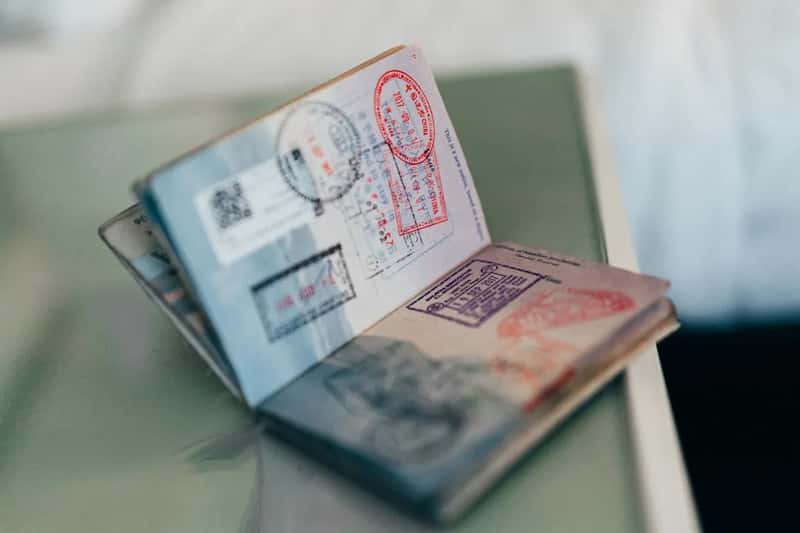
Misplacing a passport or wallet is stressful at any age, but the fear of it happening seems to grow louder the older people get. Part of the explanation ties back to a broader pattern researchers have identified: older adults become more attuned to what can go wrong. People become more susceptible to catching an illness as they age, and they may be struggling with a chronic condition or mobility issue that creates anxiety, while also becoming more aware of risks and the things that can go wrong with travel.[1]
That heightened awareness extends naturally to logistics and paperwork, not just health. Losing a passport at 30 might mean an annoying trip to an embassy. Losing one later in life, especially while also managing unfamiliar surroundings or a language barrier, can feel like the start of a genuine crisis, and that anticipation alone is often enough to cause pre trip anxiety.
5. Fear of technology failing at the worst moment
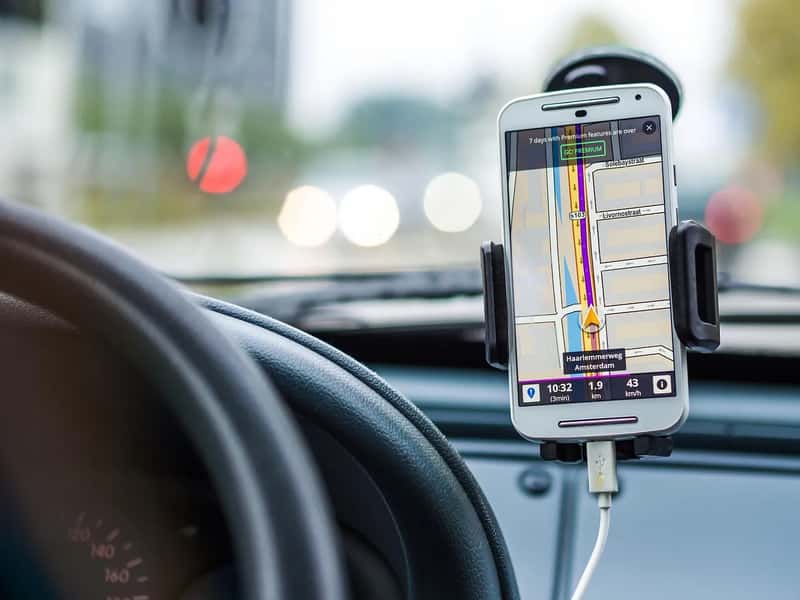
Mobile boarding passes, airport check in kiosks, and app based hotel keys have quietly replaced the paper based systems many older travelers grew up trusting. That shift has created a distinctly modern travel fear. Travel today doesn’t look like it did decades ago, and travelers now have to be technologically savvy to make reservations online, check in for flights, and download boarding passes.[1]
For someone who spent most of their traveling life dealing with human agents and printed tickets, that transition can feel less like convenience and more like a hidden trapdoor. What happens if the app crashes at the gate? What if the QR code won’t scan? These aren’t irrational questions, they reflect a genuine generational gap in how travel infrastructure has evolved.
6. Fear of falling or physical injury while away

Fear of falling is one of the more well documented anxieties tied to aging, and it follows people directly into their travel plans. Uneven cobblestones, unfamiliar staircases, and crowded platforms all become more mentally taxing to navigate. Anxiety disorders are prevalent amongst older adults and negatively impact their quality of life, and are more prevalent than depression in later life, disrupting health and leading to functional impairments and decreased overall well being.[4]
Transit research backs this up with real world detail. A study of older travelers in Stockholm found that most critical incidents were encountered in the physical environment on board vehicles and at stations or stops, and more personal assistance along with swift maintenance of elevators and escalators were identified as key facilitators that would improve older travelers’ sense of security.[5] That’s a fear rooted in genuine physical vulnerability, not exaggerated caution.
7. Fear of being isolated if something goes wrong

There’s a particular kind of dread tied to imagining a problem arising with no one nearby to help. This fear intensifies with age partly because solo resilience starts to feel less guaranteed than it once did. It shows up in everyday conversations among older travelers, who often describe elaborate backup plans that younger companions find almost comical, until something actually goes wrong and the backup plan turns out to matter.
This isn’t limited to solo travelers either. Even those traveling with a partner or group sometimes worry about becoming separated in a crowd, a train station, or an unfamiliar city center. The underlying fear isn’t really about being alone in a literal sense, it’s about losing quick access to help during a moment of physical or logistical vulnerability.
8. Fear of running out of money or falling for a scam

Financial vulnerability while traveling becomes a bigger psychological weight later in life, especially for those living on fixed incomes or retirement savings. The fear isn’t usually about spending too much on a nice dinner, it’s about the possibility of a costly mistake with fewer years left to recover financially. Combined with well documented rises in travel related scams targeting tourists, this fear has a rational basis rather than being purely emotional.
Illness anxiety research offers a useful parallel here. While death anxiety tends to decrease with age due to increased exposure to death, the association between illness anxiety and fear of death strengthens with age, and many anxiety disorders are often explained by an intolerance for uncertainty.[6] Financial fear during travel works similarly, uncertainty about an unfamiliar currency, payment system, or local scam tactic becomes harder to simply shrug off.
9. Fear of tight connections and rushed itineraries
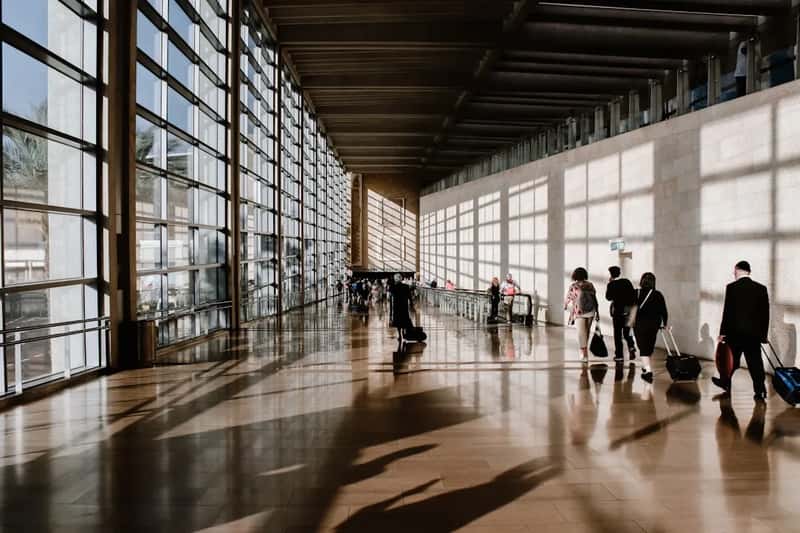
Sprinting through an airport to catch a connecting flight might have once felt like an adventure. Later in life, that same scenario often triggers genuine dread rather than adrenaline. Slower physical pace combined with a stronger awareness of what can go wrong turns tight layovers into one of the most quietly stressful parts of modern travel for older adults.
This fear also connects to a broader psychological pattern researchers have noted among people 45 and older. A majority of people age 45 and older ignore or downplay their stress, which can make travel and flight anxiety worse because they end up layering avoidance on top of existing stress.[7] Rather than acknowledging pre trip nerves about a rushed itinerary, many travelers push through silently, which often makes the anxiety more intense rather than less.
None of this means older travelers should expect fewer trips or smaller horizons. If anything, understanding where these fears come from tends to make them easier to plan around rather than avoid entirely. A little extra buffer time, a backup document or two, and honest acknowledgment of what’s actually causing the unease usually does more good than pretending the worry isn’t there at all.