Airport gates are strange little theaters. Everyone is waiting for the same thing, yet the way people wait tells you almost everything about how much time they’ve spent in terminals. Some pace, some panic, some barely glance up from a book, and that contrast is rarely about personality. It’s about mileage.
There’s a quiet language at the gate, made up of small habits and tiny decisions, that separates someone who flies constantly from someone who still finds the whole process a little overwhelming. None of it is flashy. It’s mostly about knowing what actually matters and ignoring the rest.
1. They sit far from the gate counter, not right next to it
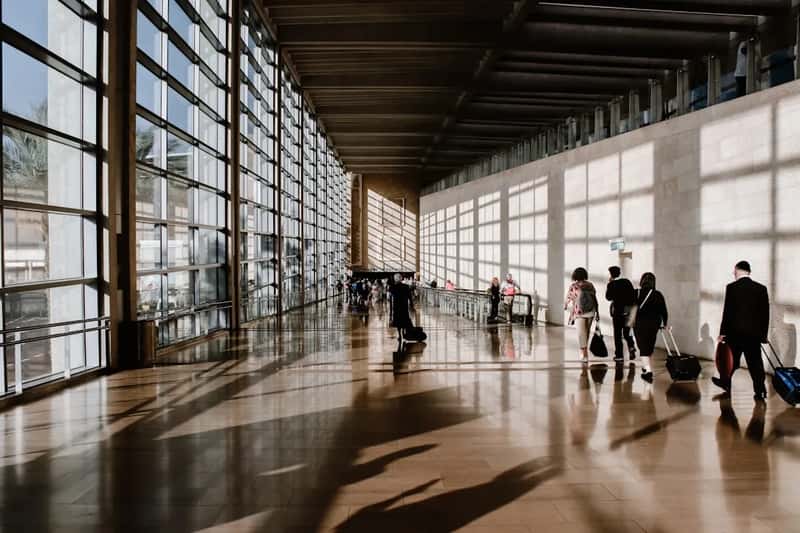
Rookies tend to cluster near the boarding desk as if proximity will get them on the plane faster. Frequent flyers know that boarding order depends on group number or zone, not on who’s standing closest when the agent picks up the microphone. So they spread out, often near an outlet or a spot with a clear view of the screen, and simply watch for their group to be called.
This habit also avoids the crowd crush that happens the moment boarding starts. Experienced travelers know that airlines board in a set sequence, and standing in a scrum near the desk does nothing to change that sequence. Staying seated until their zone appears keeps them calm and out of the chaos that swallows the counter area minutes before departure.
2. They keep boarding passes and IDs in the same easy-to-reach spot
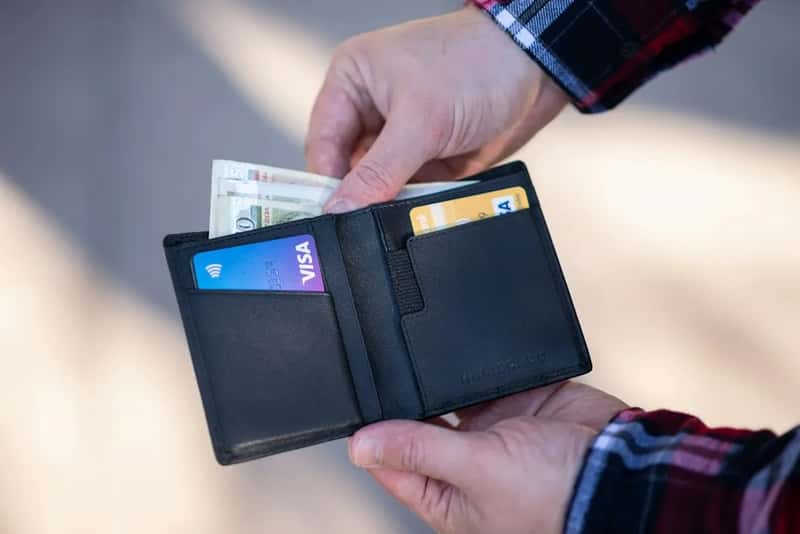
Digging through a bag while an agent waits is one of the clearest tells of an infrequent flyer. Seasoned travelers designate one pocket, one phone wallet, or one small pouch for their boarding pass and ID, every single trip. It becomes automatic, the same way some people always put their keys in the same bowl by the door.
This isn’t just about speed, it’s about reducing decision fatigue during a day that already involves security lines, gate changes, and time pressure. Airlines have leaned harder into mobile boarding passes in recent years, and frequent flyers tend to have theirs loaded and screenshotted before they even reach the gate, as a backup in case of spotty terminal WiFi.
3. They know their aircraft type and seat map before boarding
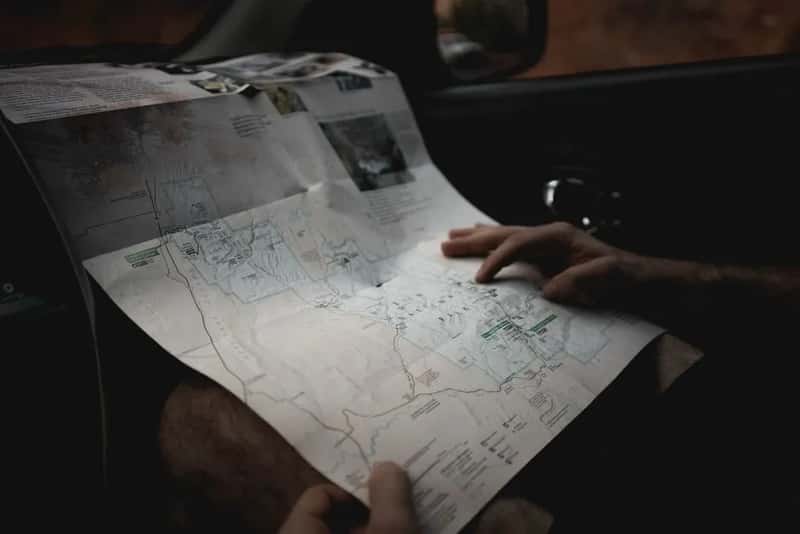
Casual travelers usually find out what plane they’re on when they walk down the jet bridge. Regulars often check ahead using the airline’s app or a seat-map tool, so they already know if it’s a narrow regional jet, a wide-body with two aisles, or something with notoriously tight legroom. That knowledge shapes small choices, like which bag to carry on or whether to expect a gate-check.
Seat maps also reveal exit rows, bulkhead seats, or the dreaded middle seats in the back third of the plane. Frequent flyers use this information to make peace with their seat, request a change if one is available, or simply plan their carry-on strategy around how much overhead bin space they’re likely to get.
4. They watch the gate agents, not just the departure screen
Departure boards update on a delay, and gate agents almost always know about schedule changes before the monitors reflect them. Experienced flyers keep half an eye on agent behavior, noticing when staff start making calls, checking paperwork more urgently, or huddling near the podium. Those small cues often predict a delay, gate change, or overbooking situation minutes before an announcement is made.
This habit comes from pattern recognition built over dozens or hundreds of flights, not some special insider access. Airline staff aren’t hiding information on purpose, but there’s a natural lag between something happening operationally and it being announced over the intercom. People who fly often have simply learned to read the room.
5. They pack a personal item that doubles as their only bag if needed

As airlines have tightened carry-on enforcement and started charging more aggressively for larger bags, frequent travelers have adapted by traveling lighter. Many now use a single personal-item-sized bag that fits under the seat, avoiding overhead bin drama entirely and sidestepping gate-checking fees that have become more common on budget carriers. This also means they’re never scrambling to find bin space during boarding, since their bag never needs it.
The habit isn’t about minimalism as a lifestyle choice, it’s practical risk management. A bag that always fits under the seat can’t get gate-checked, can’t get lost in the cargo hold, and can’t hold up boarding while someone rearranges the bin. Seasoned travelers have usually learned this the hard way, after at least one stressful gate-check experience early in their flying life.
6. They know exactly which zone or group they’re in before it’s called
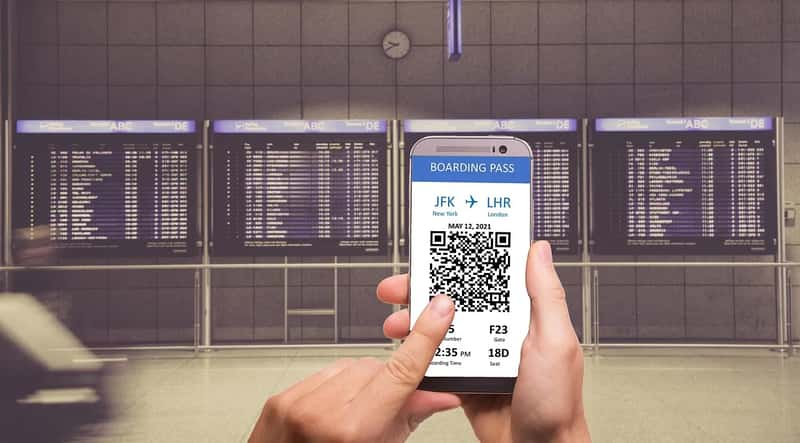
Confused shuffling toward the counter when a random boarding group is announced is a dead giveaway of inexperience. Regular flyers check their boarding pass once, mentally file the number, and then wait for it without needing to glance at the pass again and again. It sounds small, but that one habit alone eliminates most of the fumbling that slows down boarding lines.
Airlines have also expanded the number of boarding groups in recent years, partly to manage loyalty tiers and partly to stagger the crowd more evenly. Frequent travelers track their status and know roughly where they’ll fall in that lineup before they even print or load their pass, which removes a layer of guesswork entirely.
7. They don’t rush the gate the second boarding is announced
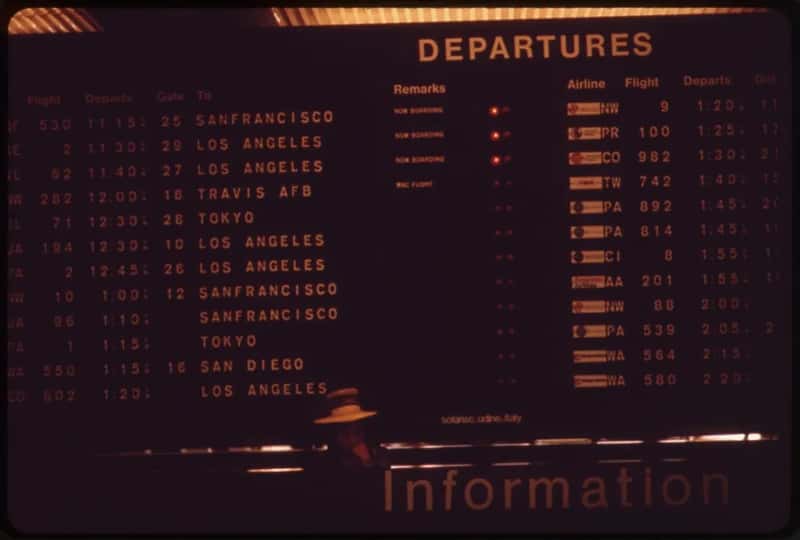
There’s a visible split at every gate between people who leap up the instant an announcement starts and those who wait a beat to see which group was actually called. Confident travelers listen first, then move, understanding that early boarding groups are usually reserved for families, active-duty military, premium cabin passengers, or elite loyalty tiers depending on the airline’s specific policy. Jumping up prematurely just means standing awkwardly while the agent redirects the line.
This calm pacing also reflects a broader truth experienced travelers have absorbed: the plane doesn’t leave without paying passengers who are already at the gate. Boarding a few minutes later within your assigned group changes nothing about departure time, so there’s little incentive to rush unless overhead bin space is a genuine concern.
8. They keep noise-canceling headphones or earplugs within arm’s reach, not packed away

Gate areas are loud, unpredictable environments, with overhead announcements, crying children, and rolling suitcase wheels all competing for attention. Frequent flyers keep headphones or earplugs accessible in an outer pocket rather than buried in a packed bag, so they can put them on the moment they sit down. It’s a small comfort measure, but one that signals someone who has learned to protect their own environment in a space that offers very little control.
This habit extends into the flight itself, since many experienced travelers put headphones in before boarding even finishes, using the routine as a mental cue that travel mode has officially started. It’s less about blocking out the world and more about creating a small, consistent ritual in an environment that’s rarely predictable.
Taken together, these habits aren’t about looking impressive or performing expertise for other passengers. They’re small efficiencies, built from repetition, that make a chaotic environment feel slightly more manageable. None of them require special status or insider knowledge, just enough time in enough gate areas to notice what actually works.