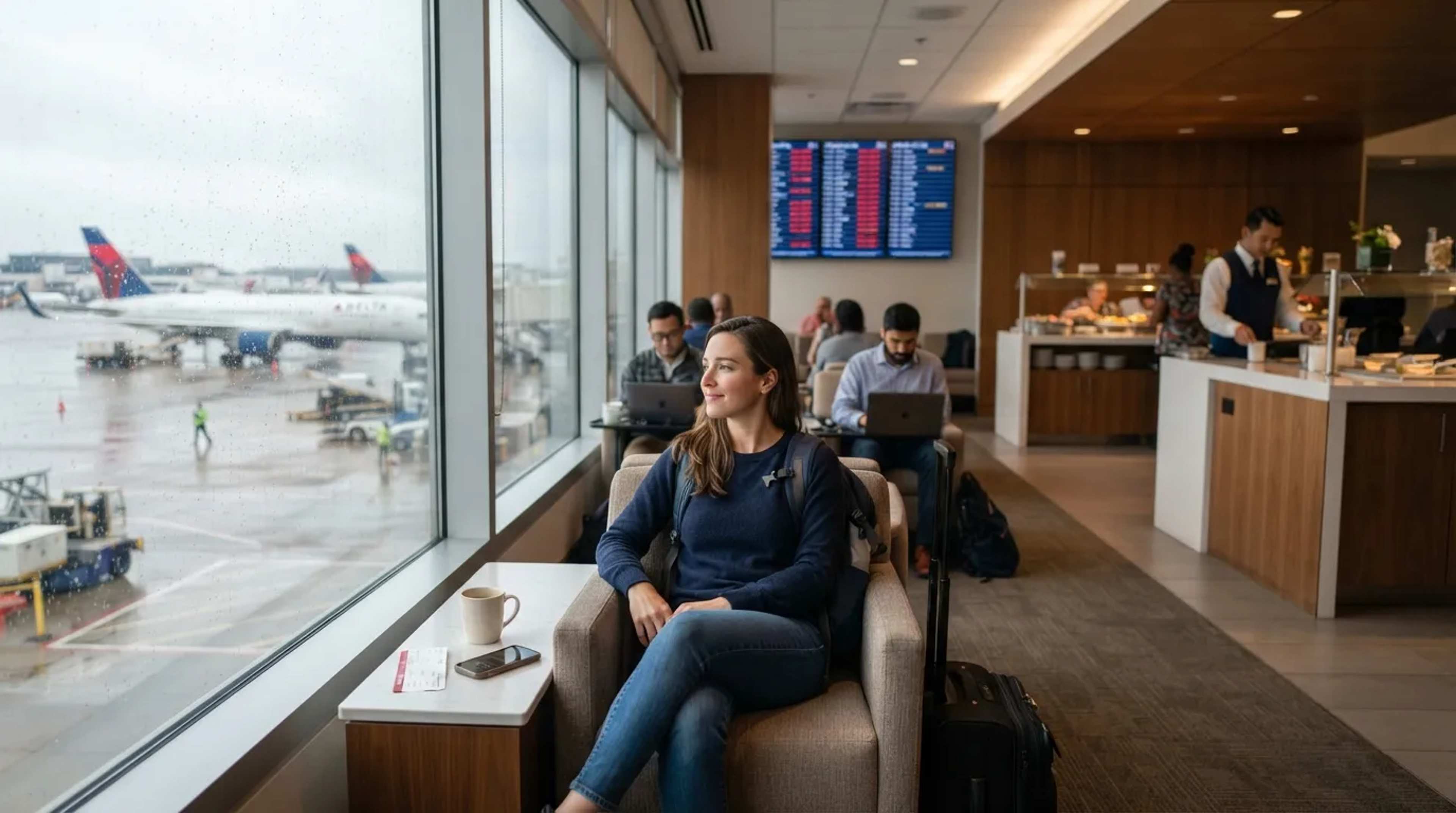
There’s a particular kind of phone call that adult children have come to dread. It usually starts with “So, Mom just told me she’s…” and ends with a sigh. Travel after 70 looks different than it used to, and some of those differences are lovely. Others quietly set off alarm bells for the people back home who love them most.
Booking trips alone with little advance notice

There’s a specific kind of text that makes adult children’s stomachs drop: “Landed in Lisbon, will call later!” sent from a parent who mentioned nothing about a trip a week earlier. Spontaneous solo travel after 70 has become more common as retirees embrace flexible schedules and last-minute deals, but the lack of a heads-up leaves families scrambling to figure out who knows where they are.
Part of this comes from genuine independence and a desire not to be “checked on” like a child. Still, when something goes wrong, whether it’s a missed connection or a health scare, having no one aware of the itinerary complicates everything. Financial advisors and eldercare experts increasingly recommend a simple travel folder shared with family, just in case, though many older travelers resist the idea as intrusive.
Skipping travel insurance to save money

Travel insurance premiums rise with age, sometimes sharply once a traveler crosses into their 70s and 80s, and some retirees decide the cost isn’t worth it. What worries families isn’t the savings itself but the exposure: a single hospitalization abroad can run into tens of thousands of dollars without coverage, according to industry data from travel insurance comparison sites. Medicare, notably, does not cover care outside the United States in almost all circumstances.
Adult children often only discover the gap after a parent mentions an injury or illness during a trip, and by then it’s too late to buy a policy. Some retirees rationalize skipping it because they feel healthy or have skipped it before without incident. That survivorship logic is exactly what worries families who understand how quickly one fall or one cardiac event changes the math.
Renting cars in unfamiliar countries

Driving on the opposite side of the road, navigating roundabouts in a foreign language, or renting a car in a country with unfamiliar traffic norms is one of those habits that seems fine until it isn’t. Reaction times and night vision naturally decline with age, and combining that with unfamiliar rules and signage raises the stakes considerably. Yet many older travelers specifically choose self-driving trips because they value the freedom over guided tours or trains.
Family members often worry less about the driving itself and more about what happens if there’s an accident in a place where the parent doesn’t speak the language or know the local emergency systems. Insurance complications, unfamiliar hospitals, and the stress of navigating bureaucracy abroad all compound quickly. It’s less about capability and more about the layered risks that stack up in unfamiliar territory.
Trying extreme or physically demanding activities
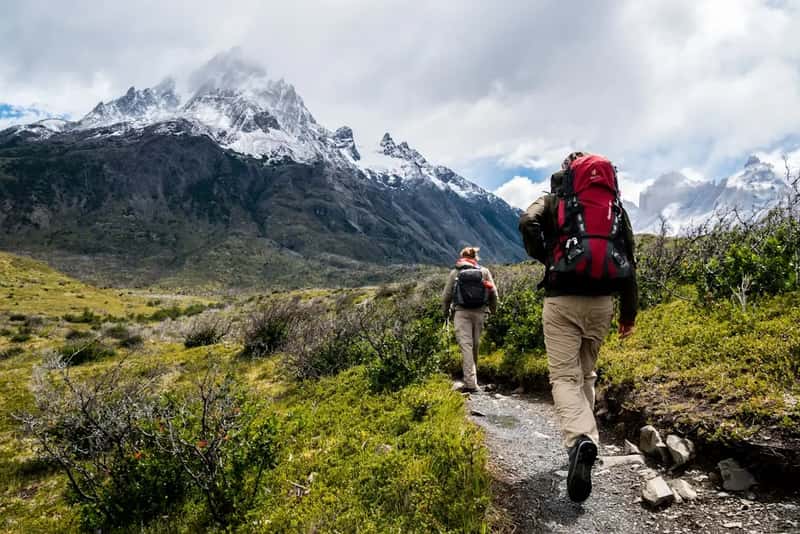
Zip-lining in Costa Rica, scuba diving in Belize, or hiking steep volcanic trails in their late 70s, some retirees are chasing bucket-list adventures precisely because they know time is limited. There’s something admirable about that mindset, and plenty of people in this age group are genuinely fit enough for it. The concern from children isn’t usually about fitness in the abstract, it’s about the combination of unfamiliar terrain, altitude, heat, or water conditions with a body that recovers more slowly than it used to.
Falls remain one of the leading causes of injury-related hospital visits among older adults, and unfamiliar environments raise that risk further. A twisted ankle on a home trail is inconvenient; the same injury on a remote hiking path with no cell service becomes a genuine emergency. Adult children tend to worry less about the activity itself and more about what backup plan exists if things go sideways.
Handing out cash and gifts to strangers or new acquaintances

Vacation tends to soften people’s guard, and some retirees strike up warm friendships with hotel staff, tour guides, or fellow travelers, sometimes offering money or gifts out of generosity. Occasionally that generosity crosses into something more concerning, particularly when a new “friend” made three days into a cruise suddenly needs help with an emergency expense. Elder financial exploitation scams involving romance or friendship angles have grown substantially, with the FBI’s Internet Crime Complaint Center reporting billions of dollars in losses tied to elder fraud schemes in recent years.
What makes this hard for families is that the retiree usually feels good about the interaction, describing it as kindness rather than vulnerability. Confronting a parent about a new acquaintance can feel accusatory, even when the concern is legitimate. Financial advisors now routinely flag sudden wire transfers or unusual withdrawals made during or right after travel as a red flag worth a gentle conversation.
Ignoring prescribed medication schedules while traveling

Time zones, packed itineraries, and the general looseness of vacation mode all conspire to throw off medication routines, and some travelers simply decide to “take a break” from certain prescriptions while away. Blood pressure medications, blood thinners, and diabetes management drugs are particularly risky to skip, even temporarily, because the consequences aren’t always immediately visible. Pharmacists commonly report that missed doses during travel are among the top reasons for medication-related complications in older adults abroad.
Sometimes it’s forgetfulness caused by disrupted routines rather than a deliberate choice, which is its own kind of worry for families. Other times it reflects a quiet resistance to being tied to a pill schedule while trying to feel carefree on a trip. Either way, adult children who manage a parent’s prescriptions from afar often find out about a lapse only after returning home, when lab results or symptoms reveal the gap.
Traveling without sharing detailed contact or location information

Beyond simply not announcing a trip, some retirees actively decline to share hotel names, flight numbers, or daily itineraries even when asked directly. The reasoning is often about maintaining a sense of autonomy, not wanting to feel tracked or managed by their own kids. Yet during natural disasters, political unrest, or health emergencies abroad, that missing information becomes a serious obstacle for families trying to help.
Location-sharing apps have become more common as a middle ground, letting family see a general position without demanding a full itinerary. Still, adoption remains uneven, and plenty of older travelers view the apps themselves as an overreach. The tension isn’t really about technology, it’s about where independence ends and reasonable safety begins.
Booking budget accommodations in unsafe or remote areas

Chasing a good deal is nothing new, but some retirees traveling on fixed incomes gravitate toward the cheapest available lodging, sometimes in neighborhoods or regions with limited safety infrastructure or slow emergency response times. A remote guesthouse with charm and a low price tag can also mean a long drive to the nearest hospital or unreliable cell service. Travel safety organizations consistently note that response times matter disproportionately for older travelers, where medical emergencies can escalate faster.
Families often only learn the details after the fact, through photos or casual mentions of “the place was pretty far out there.” The retiree usually sees it as resourcefulness or an authentic travel experience rather than a risk. Adult children see the same choice through a different lens, weighing charm against how far away real help might be.
Making major financial decisions or purchases spontaneously while abroad

There’s something about being away from home, relaxed and inspired, that loosens people’s financial judgment, and some retirees use vacations to make surprisingly large purchases: property down payments, timeshares, jewelry, or investment opportunities pitched by persuasive strangers. Timeshare presentations remain notorious for high-pressure tactics specifically aimed at retirees with disposable savings and time to spare. Consumer protection agencies have long warned that vacation settings are deliberately used by sellers because decision-making tends to be more relaxed and less scrutinized.
Family members frequently discover these purchases only when paperwork arrives at the house weeks later. The emotional appeal of “we fell in love with the place” or “it felt like the right moment” is real, but it can also mask a decision made without the usual caution applied at home. This is one of the more delicate conversations adult children navigate, because pointing out the risk can feel like undermining a parent’s right to spend their own money as they choose.
Every one of these habits shares a common thread: independence colliding with vulnerability in ways that aren’t always visible until something goes wrong. None of them are really about capability declining overnight. They’re about how travel strips away the usual safety nets people rely on without noticing, and how the people who love older travelers most are often the last to know when those nets have come off.