Remote work no longer means logging in from your kitchen table. It can mean logging in from a cafe in Lisbon or a coworking space in Tbilisi, provided you’ve sorted out the paperwork first. That paperwork trips up a surprising number of applicants, not because the rules are secretive, but because most people underestimate how many moving parts a digital nomad visa actually has.
More than sixty countries now run some version of this program, and each one has its own quirks around income, insurance, and documentation. In 2026, more than 65 countries offer some form of digital nomad visa or remote work residency program. Before you start filling out forms, there are nine practical steps worth working through, in roughly this order.
1. Confirm your work actually qualifies as remote

Not every remote job fits the legal definition these visas use. Most programs require proof of income from outside the host country, evidence of remote work through an employment contract, client agreements, or business registration, and confirmation that no local employment is involved. If you’re a freelancer with a mix of local and foreign clients, this matters more than you’d think.
Spain, for instance, is unusually flexible on this point. At least 80% of your income must come from outside Spain under its program, which is more generous than most countries that ban local income entirely. Before applying anywhere, check whether your specific contract type, whether W2, 1099, or freelance invoice, is accepted, since some countries only recognize certain formats.
2. Pin down the exact income threshold for your target country

Income minimums swing wildly depending on where you’re headed. Monthly income thresholds range from $0 (e.g., Georgia and Mauritius) to over $7,500 (e.g., Dubai), so assuming one country’s rules apply everywhere is a fast way to waste months of planning. Portugal’s D8 visa, for example, currently sits at a minimum monthly income of €3,680, calculated as four times the national minimum wage, which is set at €920 per month.
Croatia sits lower, requiring the lowest income requirement among EU countries at €2,540 per month, while Italy asks for roughly €2,700. Don’t just check the headline number either. If you’re bringing a partner or kids, family applications increase income requirements by 25% to 75% per dependent, which can change your target country’s affordability calculation significantly.
3. Gather three to six months of consistent income proof, not just a snapshot
A single good month on your bank statement won’t cut it. Immigration officers are generally looking for a pattern, and some countries require you to demonstrate 3 to 6 months of consistent income at the required level, not just one high-income month. This trips up freelancers with seasonal or lumpy income more than salaried employees.
Start pulling bank statements, invoices, and payslips well before you plan to submit anything. Bank statements over 3-6 months, a letter from your employer or proof of freelance contracts, and in some cases a business registration are the standard package most consulates expect. If your income varies month to month, it’s worth talking to an accountant about how to present it clearly rather than letting a reviewer guess.
4. Buy health insurance that actually meets the country’s specific rules
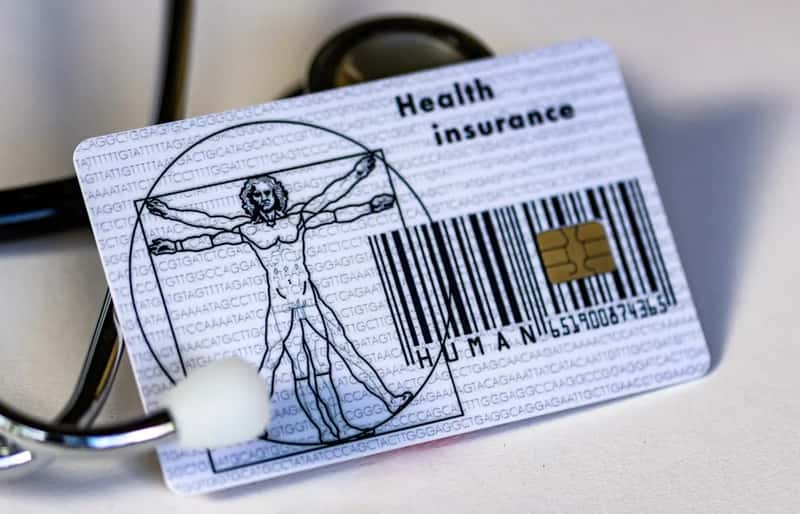
This is where a lot of applications quietly fall apart. Many applicants obtain basic travel insurance and assume it qualifies, but most programs specify minimum coverage thresholds, the geographic scope, and sometimes specific inclusions such as repatriation and emergency hospitalization. Travel insurance built for a two-week vacation is a different product entirely from what these visas require.
Italy is a good example of how specific this gets: health insurance must cover at least €30,000 annually and be valid in Schengen countries. Before you buy anything, read the fine print on your target country’s minimum coverage amount, then confirm your provider’s policy documentation explicitly states it meets that threshold, in writing, not just in a sales email.
5. Request your criminal background check early, it takes longer than you expect

A clean record certificate sounds simple until you realize how slow some of these can be to obtain, especially if you’ve lived in more than one country. A criminal record certificate from your country of residence or nationality is required by most programs, and some countries require certificates from every country where you have lived for more than a year in the past five years. That second part catches a lot of people off guard.
On top of the wait time, many governments also want the document authenticated. Some countries may require apostilles, translations, or notarized copies of your background check before they’ll accept it. Start this process as soon as you’ve picked a country, since apostille services alone can add weeks to your timeline.
6. Sort out your tax residency situation before you sign anything

Getting the visa approved and understanding your tax obligations are two completely separate problems, and conflating them is one of the most common mistakes applicants make. Getting a digital nomad visa in Portugal does not automatically mean you stop being a tax resident of your home country, since your home country’s exit rules determine when and whether you cease to owe tax there. The visa is an immigration document, not a tax ruling.
Length of stay matters here too. Digital nomads typically remain tax residents of their home country, unless they spend more than 183 days in the host country, which often triggers tax residency there. If you’re a US citizen, this gets an extra layer of complexity, since US citizens file US taxes on worldwide income regardless of where they live. A short conversation with a cross-border tax advisor before you commit to a country can save a genuinely painful headache later.
7. Lock in proof of accommodation in your destination
Most digital nomad visas want to see where you’ll actually be living, not just a vague travel itinerary. This usually means a signed lease, a rental agreement, or in some cases a property deed, and it has to cover the length of the visa you’re requesting. Italy, for example, requires proof of accommodation through a lease, rental contract, or property deed in the applicant’s name, valid for the visa’s duration.
Booking a short-term Airbnb for your first few weeks and figuring out permanent housing later is a common approach, but check whether your target country accepts that as interim proof or insists on something longer term from day one. Some consulates are stricter about this than others, so it’s worth confirming directly with the embassy rather than assuming.
8. Get your documents apostilled and translated well ahead of time
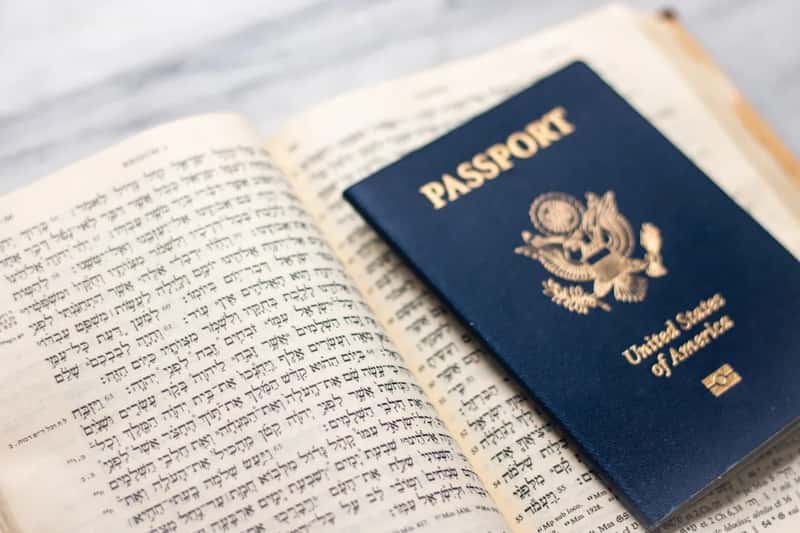
Paperwork that looks fine at home often isn’t accepted abroad without extra certification. Some documents must be made official with an Apostille to be used internationally, and this applies to background checks, degrees, and sometimes marriage or birth certificates if you’re bringing family. Skipping this step is one of the more avoidable reasons applications get delayed.
Translation requirements add another layer. All foreign documents must be legalized or apostilled and, where applicable, accompanied by an official Spanish translation for Spain’s program, and similar rules apply across much of Europe. Because apostille processing can take anywhere from a few days to several weeks depending on your home country, this is not a step to leave until the last minute.
9. Decide how you’ll handle dependents, and budget for the higher income bar that comes with them

If you’re moving with a partner or children, the math changes. You’ll need an additional 50% of the base amount for a spouse and another 30% per child under Portugal’s system, which is a fairly typical structure across European programs. A family of three applying to Portugal, for instance, would need a combined monthly income in the range of €6,624, approximately $7,110, well above the single-applicant threshold.
The good news is that most established programs do accommodate families reasonably well. Many digital nomad programs allow applicants to include spouses and dependent children in their application, though the specific documents needed, marriage certificates, birth certificates, sometimes apostilled, vary by country. Work out these numbers before you fall in love with a destination that turns out to be financially out of reach once dependents are factored in.
Once these nine pieces are in place, the actual application tends to move faster than people expect. Processing times still vary enormously, from roughly two weeks in some Asian programs to several months for certain European ones, but a well-prepared file rarely sits in limbo for long. The countries offering these visas want remote workers to succeed at this process, since a rejected application helps nobody. Getting the groundwork right the first time is simply the difference between a smooth move and a frustrating one.