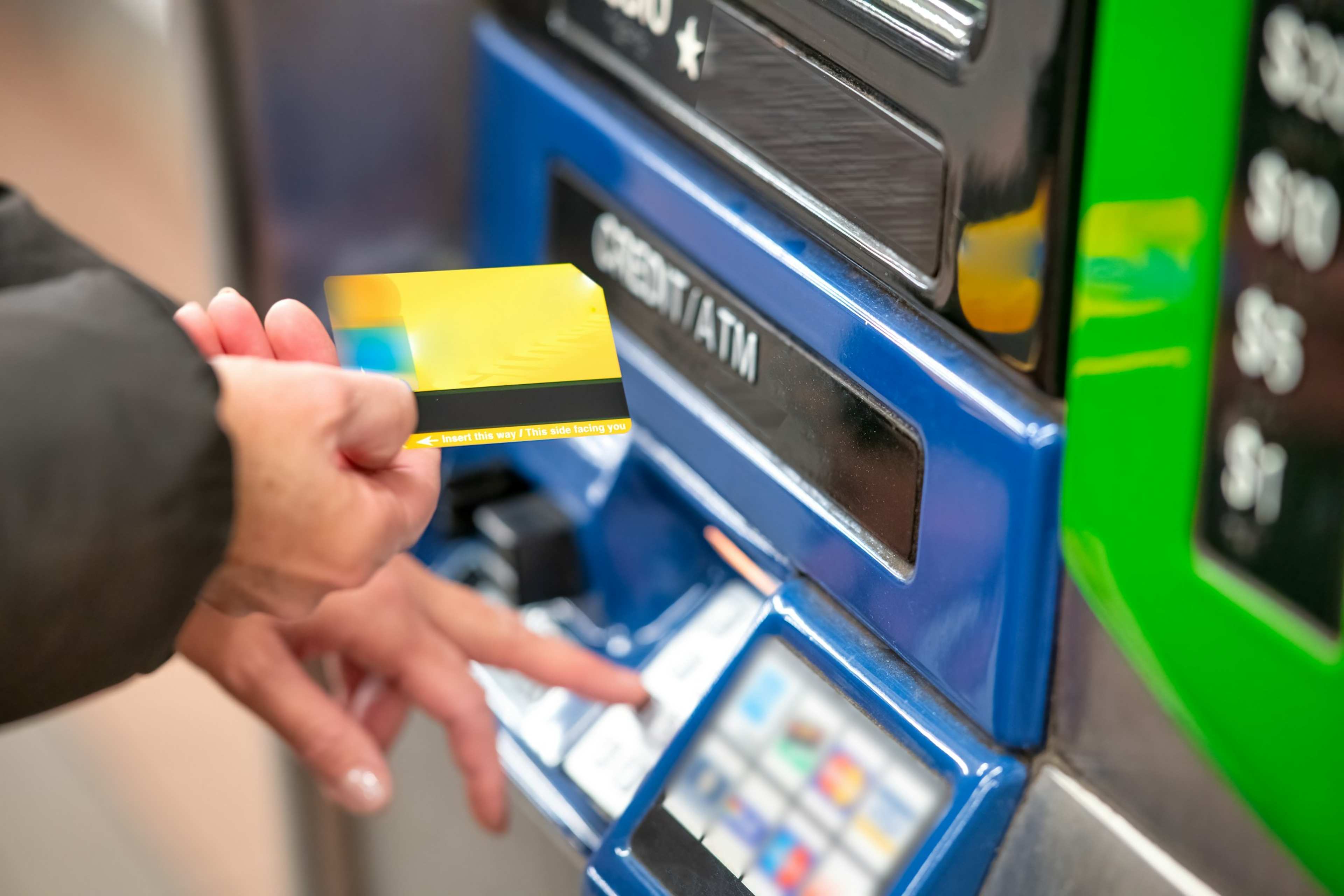
There’s a specific kind of relief that hits the moment you swipe the keycard and step into a hotel room after a long travel day. The bed looks inviting, the air conditioning hums quietly, and every instinct says to drop your bags and collapse. That instinct, though, is exactly what a few minutes of quick checking can override, and the payoff is worth the short delay.
Most travelers never think twice about the room itself until something goes wrong, whether that’s a jammed lock, an itchy welt the next morning, or a story that makes the local news. A short walkthrough before you settle in costs almost nothing and can prevent a surprisingly wide range of problems.
1. Door and window locks
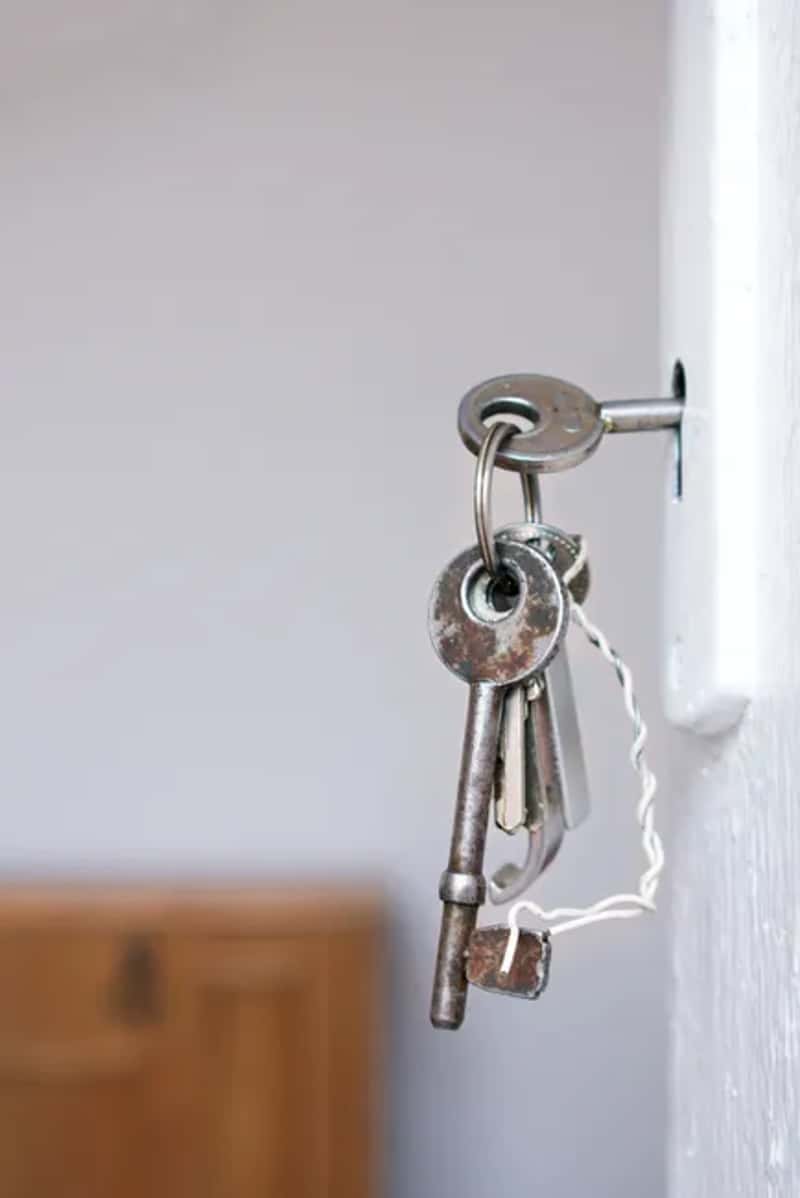
Before anything else, walk over to the main door and test the deadbolt, the chain or swing-bar latch, and the peephole. Hotels vary widely in how well they maintain hardware, and a lock that looks fine from the outside can still be loose, misaligned, or missing a strike plate that actually engages. If the deadbolt doesn’t turn smoothly or the chain feels flimsy, ask the front desk for a different room rather than assuming it will hold up overnight.
Windows and connecting doors to adjoining rooms deserve the same attention, especially on ground floors or rooms near stairwells and fire exits. A connecting door that doesn’t lock properly on your side is a common oversight in older properties, and it’s an easy fix if you catch it early. Checking hardware takes under a minute, but it’s the difference between sleeping soundly and lying awake wondering if the door is actually secure.
2. Smoke detectors and the nearest exit
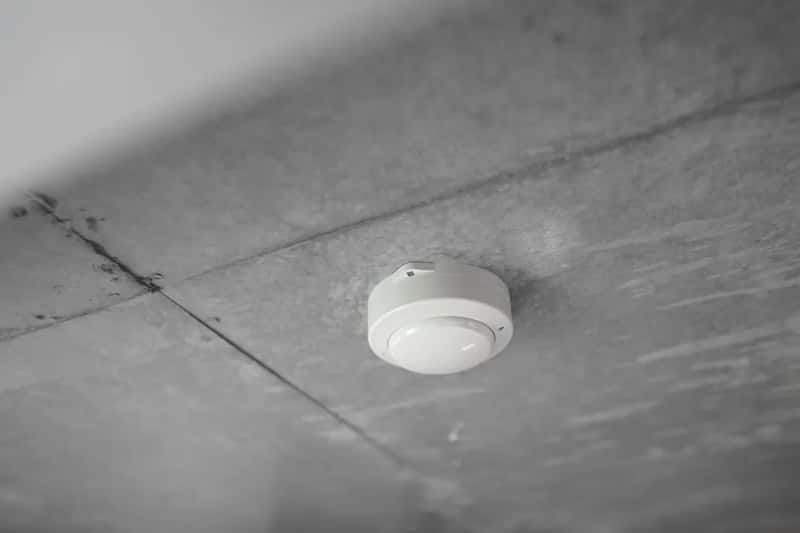
Hotel fire safety in the United States is governed by strict codes, including NFPA 72 for alarm systems and NFPA 101 for life safety and egress routes, and properties are required to test and maintain this equipment on regular schedules. NFPA requires hotel smoke detectors in guest rooms and corridors to meet current standards with battery-operated units having 9V batteries replaced every six months and hard-wired units tested annually.[1] That said, compliance gaps do happen, particularly in older buildings or properties going through renovations.
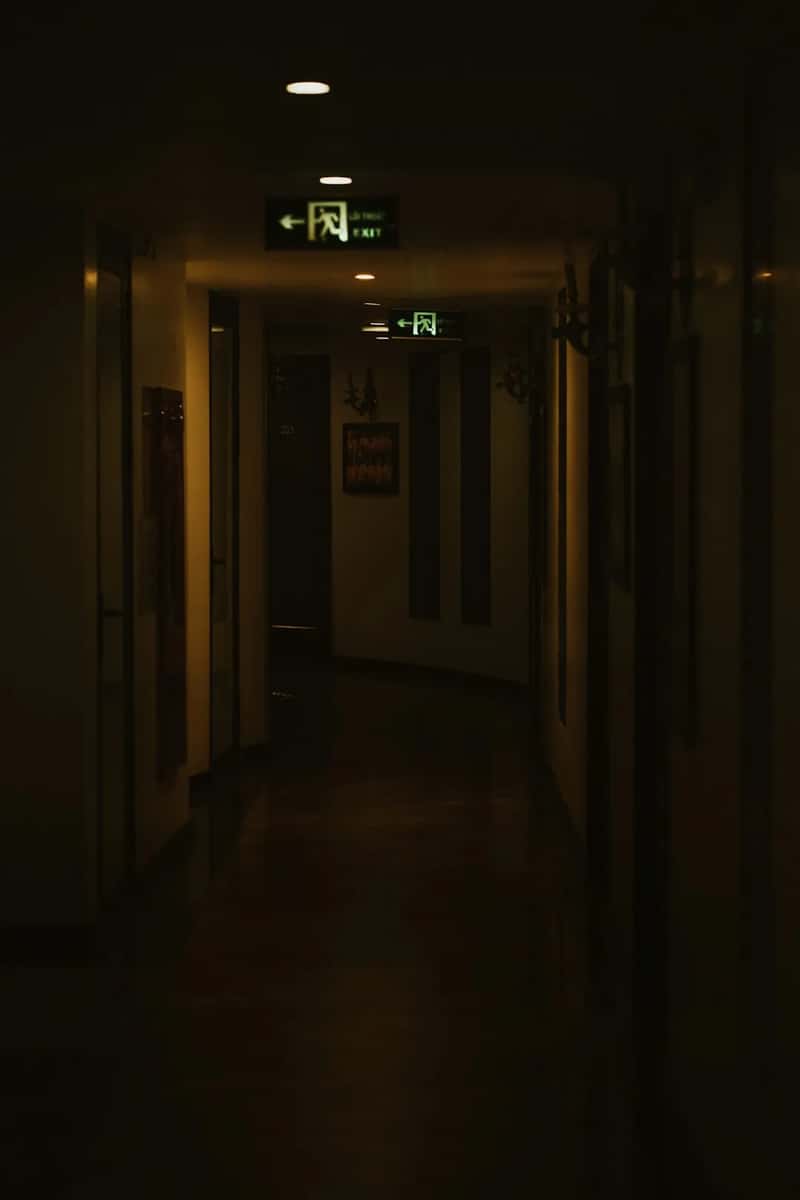
Glance at the smoke detector on your ceiling to confirm it’s actually there and not just an empty mounting bracket, then step into the hallway to locate the nearest marked exit and count the doors between it and your room. Fire codes govern means of egress, fire doors, emergency lighting, and exit signage, with annual inspections required[2] to keep these systems functional. Knowing your exit route in daylight, calm conditions is far easier than trying to find it later in a dark, smoke-filled corridor.
3. The mattress and headboard for bed bugs
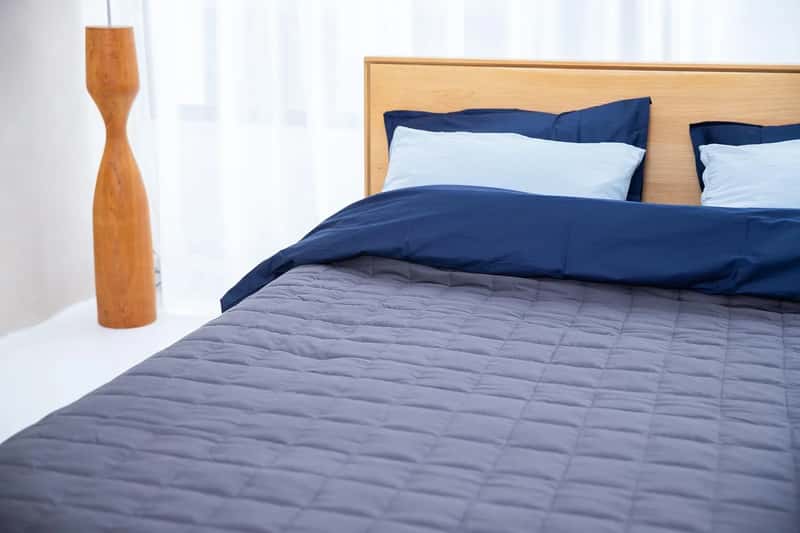
Bed bug awareness has grown sharply in recent years, and the numbers explain why. Over 20,000 hotel rooms report bed bug infestations annually in the United States[3], and the problem isn’t confined to budget properties. Luxury hotels face comparable bed bug risk to budget accommodations, since bed bugs are transported by guests via luggage and personal belongings rather than attracted by cleanliness standards or pricing tiers.[3]
Peel back the sheets and inspect the mattress seams, the headboard, and the area behind the nightstand with your phone flashlight, looking for tiny dark spots or shed skins. Despite how common the issue is, just 28% of Americans check their hotel rooms for bed bugs before staying overnight[4], which is part of why infestations spread so easily between guests. If you spot anything suspicious, ask for a new room immediately rather than trying to wait it out, since bed bugs are notoriously good at hiding.
4. Hidden cameras in unusual spots
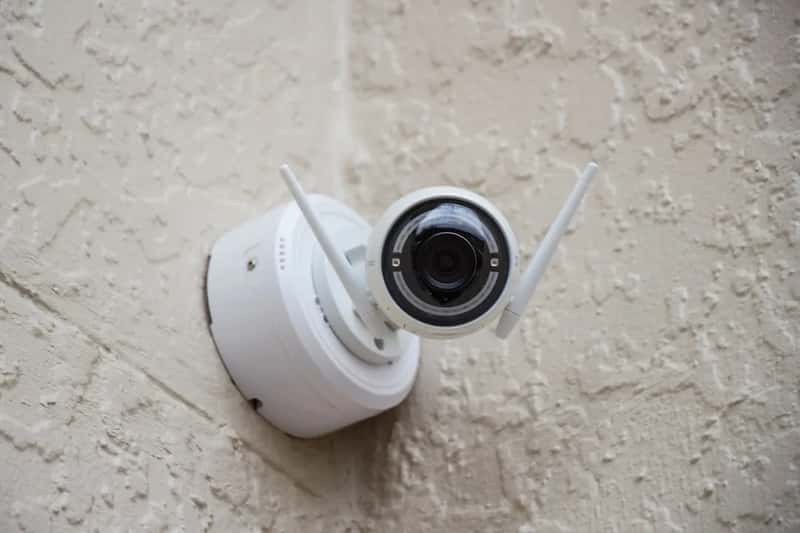
Concerns about hidden cameras in short-term rentals and hotel rooms have become more mainstream, partly because reporting has increased alongside cheap, easily concealed devices. A 2025 survey of over 1,000 Americans by IPX1031 found that nearly half say they have discovered a camera in a rental property, almost double the share who reported the same in 2023, while a majority admit they do not know how to detect one.[5] That gap between concern and know-how is exactly why a quick sweep is worth doing.
Turn off the lights and use your phone’s flashlight to scan corners, checking common hiding spots like smoke detectors, alarm clocks, USB chargers, lamps and picture frames[6]. You can also open your camera app and look for small infrared glints, since many hidden cameras emit infrared light that shows up on screens[6], though it’s worth noting this method isn’t foolproof and won’t catch every device. A slow, deliberate look around the room, particularly at eye level and above, catches most obvious problems in just a couple of minutes.
5. Bathroom surfaces and glassware
Housekeeping standards vary more than most guests assume, and the bathroom is where lapses tend to show up first. Run your hand along the sink counter, check the tub or shower floor for grime, and look at the toilet seat hinge, an area cleaning crews frequently miss during quick turnovers. If anything looks or smells off, a call to housekeeping usually gets a fast response, since hotels generally prefer to fix a complaint quietly rather than let it turn into a bad review.
Drinking glasses and any reusable cups left in the room are another spot worth a second look, especially in properties that reuse glassware instead of stocking disposable cups. A quick rinse under hot water before use is a simple habit that costs nothing and addresses a genuine, if usually minor, hygiene gap. Coffee makers fall into the same category, since the reservoir and carafe don’t always get cleaned between guests.
6. Bedding, pillows, and towels for cleanliness
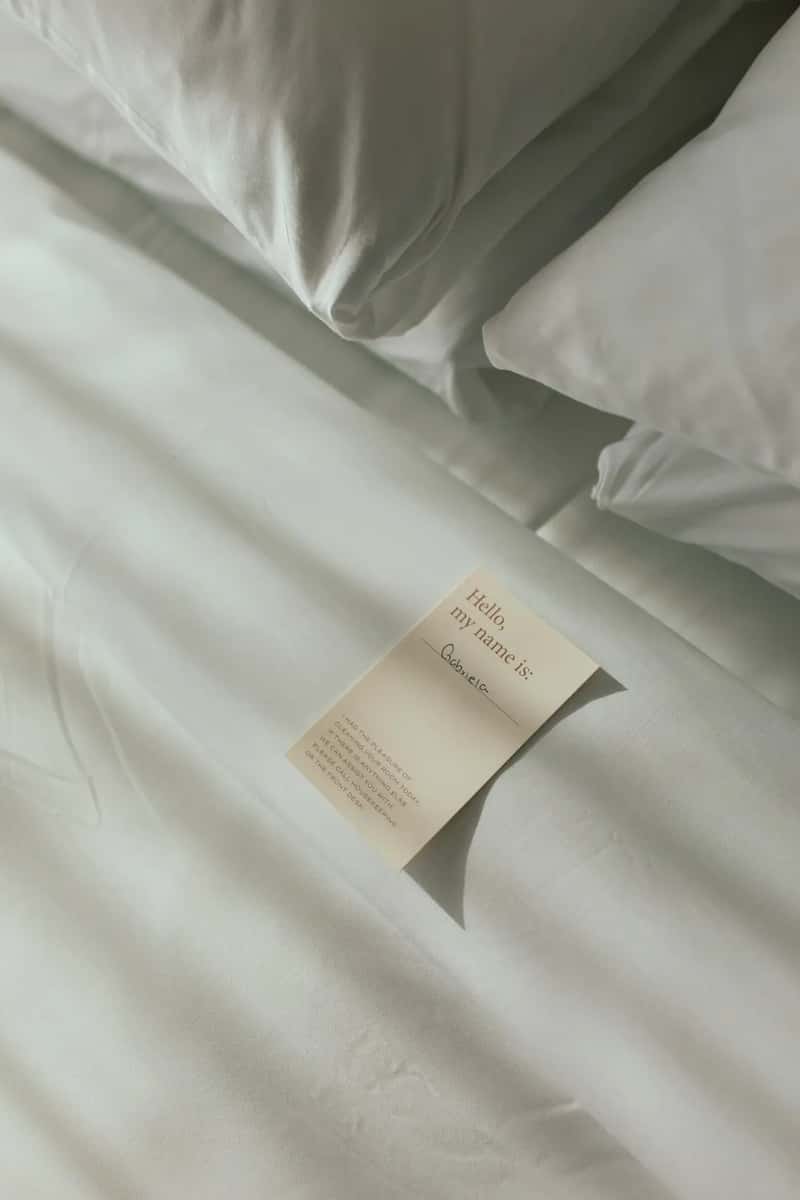
Beyond checking for bed bugs specifically, it’s worth pulling back the top sheet to confirm the bedding actually looks and smells freshly laundered. Stains on the mattress protector, a lingering odor, or hair on pillowcases are signs that a room may have been rushed through cleaning between guests. These issues are usually resolved with a quick request for fresh linens, and most hotels handle it without hesitation.
Towels deserve a similar glance, particularly checking for a slightly musty smell that suggests they weren’t fully dried before folding. This is a minor issue in the grand scheme of travel problems, but it’s one of the easiest to catch immediately and the easiest for staff to fix on the spot. Doing this check before unpacking means you’re not pulling clean clothes out of your suitcase only to realize the room needs attention.
7. Air vents and ventilation for odors or mold

Stand near the air conditioning or heating vent and take note of any musty or chemical smell, which can indicate mold growth inside the unit or poor ventilation maintenance. This matters more in humid climates or older buildings where HVAC systems don’t get serviced as often as they should. A persistent smell that doesn’t fade after the unit runs for a few minutes is worth mentioning to the front desk, particularly for travelers with allergies or respiratory sensitivities.
It’s also worth checking that the thermostat actually responds when you adjust it, since a unit that’s stuck or unresponsive often points to a maintenance issue that housekeeping alone can’t fix. Rooms near pool areas or on lower floors sometimes carry more humidity, which can accelerate mold growth in vents and behind wall panels. None of this requires special equipment, just a moment of attention when you first walk in.
8. The in-room safe and minibar
If your room includes a safe, test it before you rely on it for your passport or valuables. Some hotel safes have not been properly reset after the previous guest, and older models occasionally have default codes that were never changed, which defeats the purpose entirely. A quick test run, locking and unlocking it with your own code, confirms it actually works before you trust it with anything important.
The minibar is worth a glance too, mainly to confirm nothing has already been opened or consumed, since some hotels charge automatically based on sensors that detect movement rather than actual consumption. Photographing the minibar contents when you arrive is a small habit that prevents disputes over charges later. It takes seconds and avoids an awkward conversation at checkout over a bottle of water you never touched.
9. Phone, Wi-Fi, and emergency information
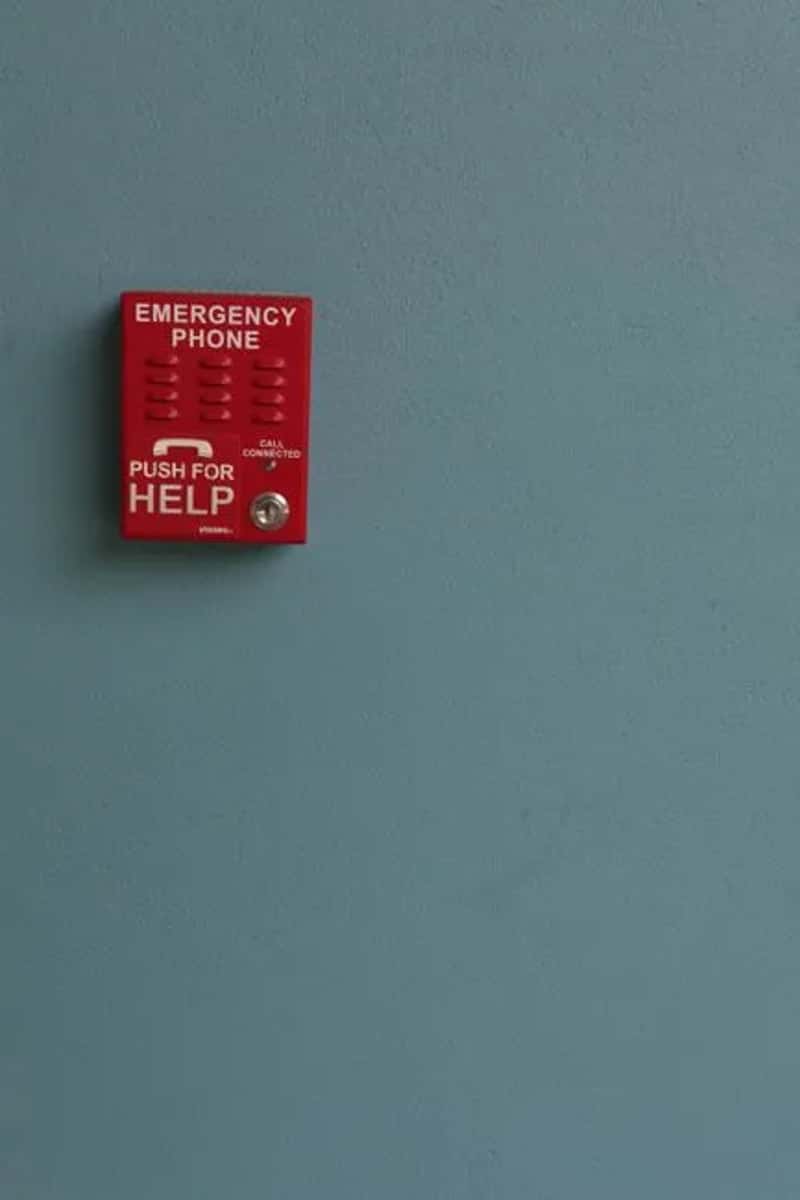
Locate the printed emergency information card, usually near the phone or inside a drawer, which should list the hotel’s address, the direct line to the front desk, and local emergency numbers. This matters more than it sounds, particularly in unfamiliar cities or countries where dialing the wrong emergency number wastes precious time. Knowing your exact room number and hotel address before an emergency happens is far easier than trying to explain your location while under stress.
It’s also worth quickly testing the Wi-Fi connection and confirming you can reach the network using the password provided, since connectivity issues are easier to resolve with staff while you’re still fresh from check-in rather than after you’ve settled in for the night. Public hotel Wi-Fi networks are also a reasonable moment to double check that your device’s firewall or VPN is active, given that shared networks carry some inherent security risk. These are small administrative checks, but they save frustration later in the stay.
None of these checks take more than fifteen minutes combined, and most take far less once they become habit. They won’t guarantee a perfect stay, since no amount of checking eliminates every possible hotel mishap, but they catch the problems that are both common and preventable. A few minutes of attention before unpacking tends to buy a lot more peace of mind than the minutes themselves would suggest.